Home
 ArticlesArticles
Assisted Reproductive Technology (ART), a groundbreaking medical field that provides solutions for individuals and couples facing fertility challenges. It defines ART, explains its core techniques such as In Vitro Fertilization (IVF) and Intracytoplasmic Sperm Injection (ICSI), and discusses clinical applications and success rates.




Assisted Reproductive Technology (ART) represents a transformative field in modern medicine, offering hope to millions of individuals and couples facing fertility challenges. As defined by the Centers for Disease Control and Prevention, ART encompasses all fertility treatments in which both eggs and sperm are manipulated through surgical procedures and laboratory techniques. This sophisticated medical approach has revolutionized reproductive medicine, enabling conception when natural methods prove unsuccessful.The global impact of assisted reproductive technology continues to expand significantly. According to recent data, approximately 2.3% of all infants born in the United States are conceived using ART procedures. In developing nations like India, ART success rates range from 30% to 60% per cycle, demonstrating the widespread adoption and effectiveness of these technologies.
Assisted reproductive technology fundamentally involves bypassing natural sexual intercourse to achieve fertilization in controlled laboratory environments. The World Health Organization and CDC maintain consistent definitions, specifying that ART includes procedures where oocytes (eggs) are handled and manipulated outside the body. This definition excludes treatments involving only sperm manipulation, such as intrauterine insemination.
The primary objective of assisted reproductive technology extends beyond addressing infertility to include genetic screening, fertility preservation, and third-party reproduction arrangements. Modern ART applications serve diverse populations, including couples with medical infertility, single parents, same-sex couples, and individuals requiring genetic disorder prevention.

In vitro fertilization remains the most commonly utilized assisted reproductive technology, accounting for the majority of ART procedures worldwide. The IVF process involves multiple synchronized steps designed to optimize fertilization success:
Intracytoplasmic sperm injection addresses severe male factor infertility by directly injecting a single sperm into each egg. This technique proves particularly valuable when conventional fertilization methods fail or when sperm quality presents significant challenges. ICSI has expanded treatment options for couples previously considered untreatable, though studies indicate higher associations with congenital anomalies compared to standard IVF.
Preimplantation genetic testing represents a cutting-edge advancement in assisted reproductive technology, enabling genetic analysis of embryos before uterine transfer. Three distinct PGT categories serve different clinical needs:
The implementation of preimplantation genetic testing significantly improves embryo selection accuracy, particularly benefiting women of advanced maternal age, those with recurrent pregnancy loss, or couples with genetic risk factors.

Cryopreservation technology enables long-term storage of gametes and embryos through vitrification techniques, providing flexible treatment options and fertility preservation opportunities. Modern vitrification methods achieve superior survival rates compared to traditional slow-freezing protocols, with frozen embryo transfers demonstrating success rates equivalent to fresh cycles.
Research demonstrates that frozen embryos maintain viability indefinitely, with successful pregnancies reported from embryos stored for up to 19 years.

ART success rates vary significantly based on multiple clinical and demographic factors. Current global statistics indicate:
Age-Related Success Patterns:
Embryo Transfer Considerations:
Advanced ART success optimization increasingly relies on personalized treatment protocols, artificial intelligence-assisted embryo selection, and time-lapse imaging technologies. These innovations enable more precise treatment customization, improving outcomes while minimizing risks.
Artificial intelligence in ART represents the fastest-growing advancement in reproductive medicine, offering unprecedented precision in embryo selection and treatment optimization. AI applications include:
In Vitro Gametogenesis (IVG) emerges as a revolutionary technique, potentially creating gametes from pluripotent stem cells for individuals with severe fertility impairments. This technology offers new possibilities for biological parenthood in previously untreatable cases.
Multiple pregnancies constitute the most significant complication associated with assisted reproductive technology, occurring more frequently than in natural conception.
ART-conceived twins demonstrate higher rates of:
Single embryo transfer protocols increasingly minimize multiple pregnancy risks while maintaining acceptable success rates, representing best practice in modern ART.
Obstetric complications in ART pregnancies extend beyond multiple pregnancies, with singleton ART pregnancies showing increased risks of placental abnormalities, preeclampsia, and gestational diabetes compared to naturally conceived pregnancies. These risks necessitate enhanced prenatal monitoring and specialized obstetric care.
Congenital anomalies occur at slightly higher rates in ART-conceived children (1.30% vs 0.68% in natural conception), particularly affecting cardiovascular, central nervous system, and genitourinary systems. Proper patient counseling regarding these risks remains essential for informed consent processes.
ART cost-effectiveness analysis reveals significant variations in value across different techniques and populations. Recent economic evaluations establish benchmark costs of approximately $27,000 per live birth for standard IVF treatment in developed nations. High-cost interventions such as PGT-A for general populations and ICSI for unexplained infertility demonstrate questionable cost-effectiveness due to minimal effectiveness improvements.
Economic accessibility remains a critical barrier in developing countries, where direct medical costs for ART significantly exceed annual average incomes and GDP per capita. This economic burden creates substantial barriers to treatment access, particularly affecting lower socioeconomic populations who might benefit most from fertility assistance.
Cost-effective ART strategies focus on maximizing live birth rates while minimizing unnecessary interventions. Evidence-based approaches include:
ART counseling represents an integral component of comprehensive fertility care, addressing the emotional, psychological, and social challenges associated with infertility treatment. Professional counseling services provide:
The psychological burden of assisted reproductive technology treatment includes anxiety, depression, relationship stress, and financial concerns that require professional intervention and ongoing support throughout treatment cycles.
Next-generation ART technologies continue evolving rapidly, with artificial intelligence, gene editing, and regenerative medicine approaches showing tremendous promise.
Emerging applications include:
Personalized medicine approaches increasingly dominate ART practice, utilizing genetic profiling, hormonal response patterns, and individual risk factors to optimize treatment protocols. This precision medicine approach promises improved success rates while minimizing adverse effects and treatment burden.
The future of assisted reproductive technology points toward more accessible, effective, and safer treatments that serve diverse populations worldwide. Continued research investment and technology development will likely expand treatment options while reducing costs, making ART more accessible to those in need.
Assisted Reproductive Technology has fundamentally transformed reproductive medicine, offering sophisticated solutions for individuals and couples facing fertility challenges. From foundational IVF procedures to advanced techniques like PGT and AI-assisted embryo selection, ART continues to evolve to improve success rates while minimizing risks and costs. Understanding the comprehensive scope of ART techniques, clinical applications, and associated considerations enables healthcare providers and patients to make informed treatment decisions that optimize outcomes while addressing individual needs and circumstances.
The integration of emerging technologies, personalized treatment approaches, and comprehensive support services positions assisted reproductive technology to serve growing global needs while maintaining high standards of safety and effectiveness. As research advances and accessibility improves, ART will continue expanding opportunities for parenthood across diverse populations worldwide.



Boys treated for cancer before puberty cannot bank sperm, but freezing testicular tissue containing spermatogonial stem cells may one day restore their fertility. This article explains how the first transplants in adult survivors work, what the early research shows, the risks involved and why families should know about this option.
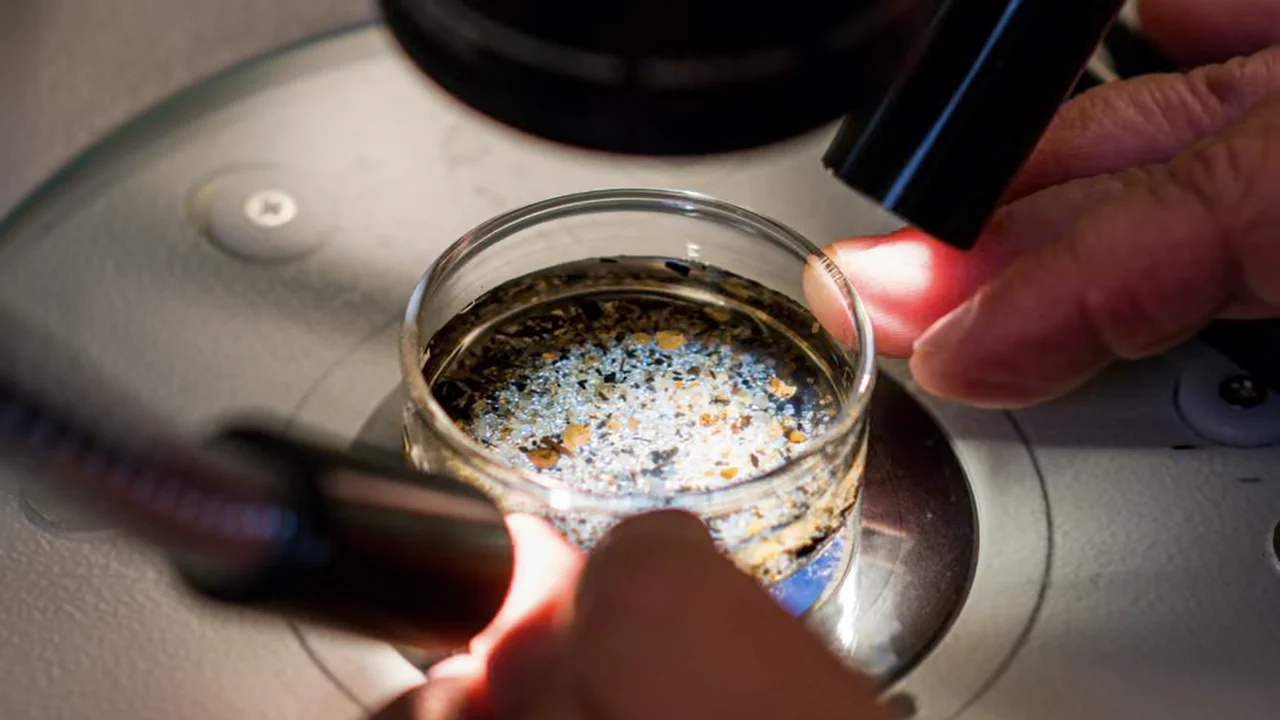
Microplastics have now been found in human follicular fluid and seminal fluid. This article explores the fast-growing body of research on microplastics and fertility, what scientists know and do not yet know about their effects on eggs and sperm, and practical, evidence-based ways that couples can reduce their everyday exposure.

Fertility conversations often focus on women, yet new research on sperm epigenetics shows a father's environment matters too. This article explains how air pollution may alter chemical marks on sperm DNA, why those changes could matter for fertility and pregnancy, and the practical steps men can reasonably consider before conception.

Donor eggs have long been seen as a way to reset the reproductive clock, but new research suggests uterine ageing also plays a role. This article explains what the latest evidence shows, how the ageing uterus may affect implantation and pregnancy, and how women in their late forties can prepare.

In vitro gametogenesis, the science of creating eggs and sperm from ordinary body cells, has moved from mouse studies towards human research. This article explains how the approaches work, what recent milestones really show, the obstacles that remain and why clinical use is still likely to be several years away.
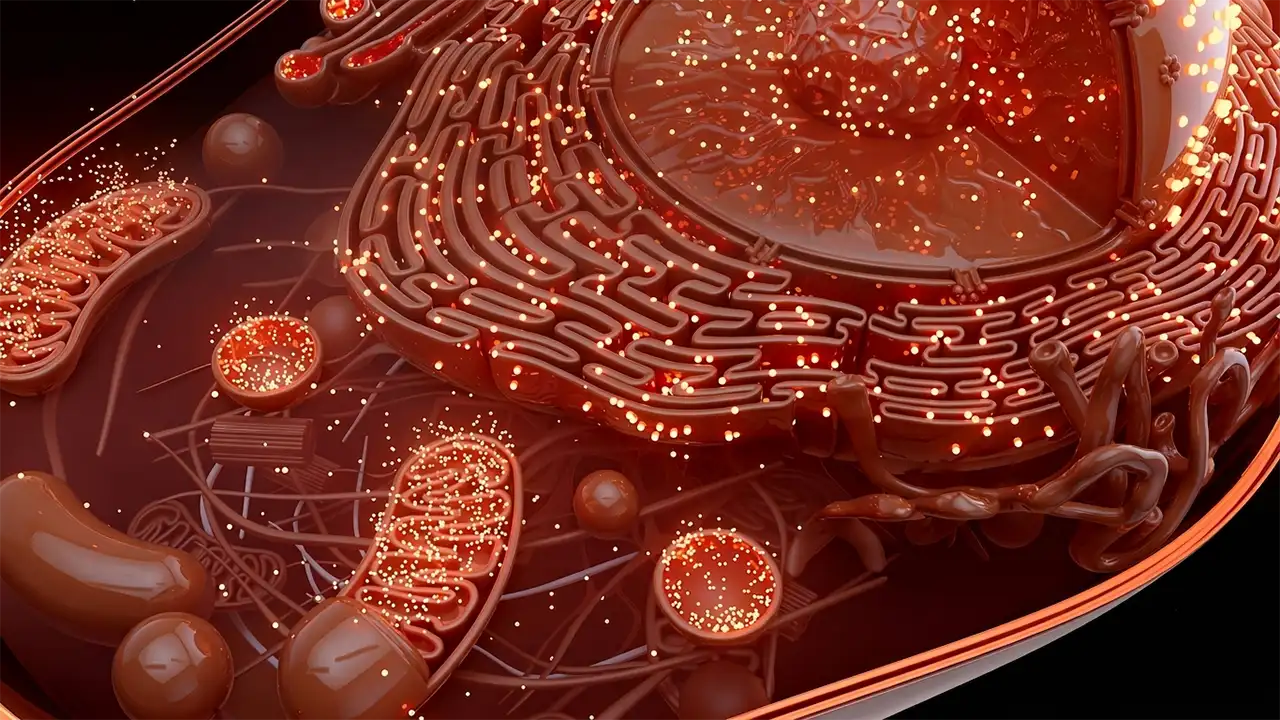
Mitochondrial donation, often called three-parent IVF, has now produced the first detailed clinical results, with healthy children born to mothers at high risk of passing on mitochondrial disease. This article explains how the technique works, who it is for, what the evidence shows and which scientific questions remain open

A new AI sperm recovery technique is changing the outlook for men with azoospermia. This article explains how the STAR method scans semen samples for rare hidden sperm, what its first reported pregnancy means, who may benefit, and the key questions couples should raise with their own fertility specialist.