Home
 ArticlesArticles
The possibility of pregnancy for breast cancer survivors have a baby through IVF, emphasising the impact of cancer treatments on fertility. It discusses the importance of fertility preservation, safety concerns surrounding IVF, and the timing of parenthood. Psychosocial aspects and clinical outcomes are also examined, highlighting that with tailored care, survivors can embrace motherhood.



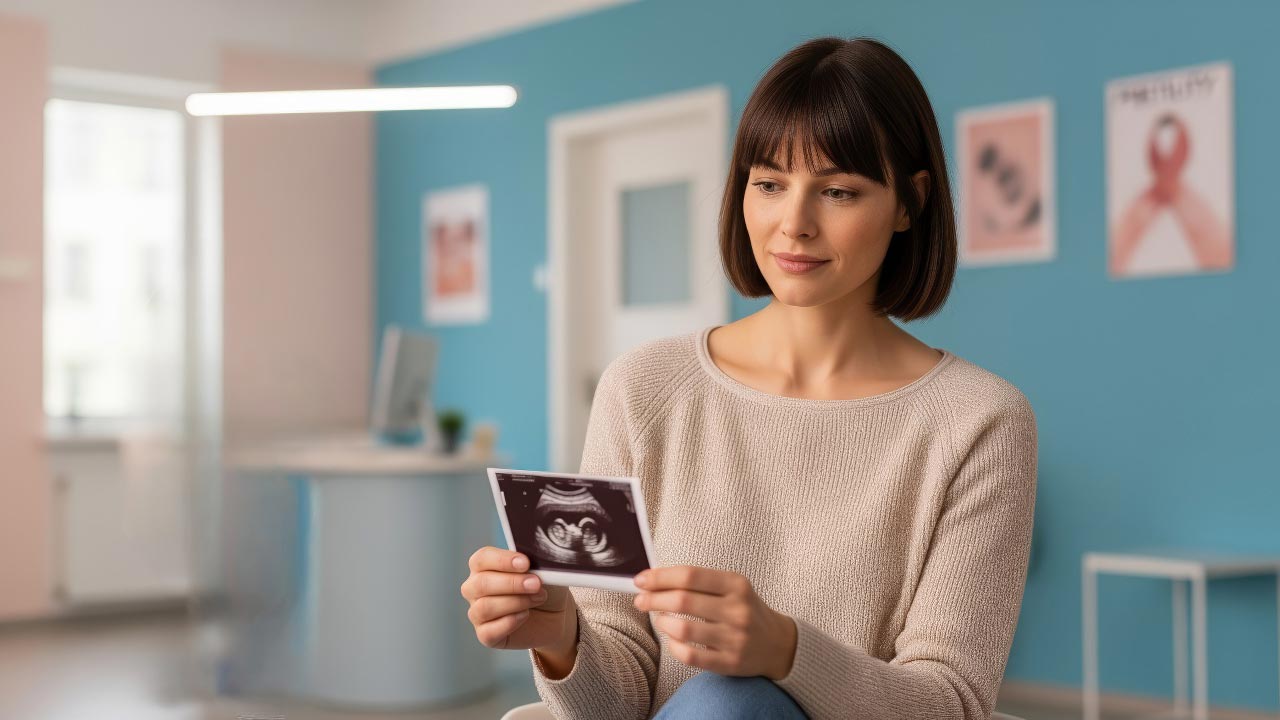
A breast cancer diagnosis often deeply affects a woman's identity, bringing with it fears not only about survival but also about the future, particularly the dream of motherhood. Advances in oncology have significantly improved survival rates, allowing many women to look beyond treatment and toward life milestones once thought impossible. Yet, for survivors, the question often arises: Can breast cancer survivors have a baby through IVF?
The answer is layered in clinical evidence, ethical considerations, and personal choices. While assisted reproductive technology (ART) offers new avenues for parenthood, it also intersects with the unique physiological and psychosocial challenges faced by survivors. Understanding this balance is vital, not only for women considering in vitro fertilization but also for clinicians guiding them.
Breast cancer treatments chemotherapy, radiotherapy, and hormone therapy are notorious for their effects on ovarian reserve. Chemotherapy, in particular, can damage ovarian follicles, leading to premature ovarian insufficiency. For younger women, fertility preservation techniques such as oocyte or embryo freezing before treatment offer hope, but not all patients have access to or awareness of these options at diagnosis.
Once remission is achieved, survivors often face diminished ovarian function. In such cases, in vitro fertilization (IVF) becomes the primary pathway to conception. The success of IVF in this population depends on several biological factors: residual ovarian reserve, age at diagnosis, and the type of cancer treatment received.

The central concern for oncologists and patients alike is whether hormonal stimulation during IVF could trigger cancer recurrence. Traditional IVF protocols rely on elevated estrogen levels to stimulate multiple follicles, a process that could theoretically pose risks in hormone-sensitive breast cancers.

Emerging evidence offers reassurance. Studies published in The Journal of Clinical Oncology and Fertility and Sterility suggest that with modified ovarian stimulation protocols such as the use of letrozole (an aromatase inhibitor), the risks of recurrence do not significantly increase. These findings demonstrate that, with carefully tailored treatment, breast cancer survivors have a baby through IVF without compromising long-term health.
Another layer of complexity lies in timing. Most oncologists advise delaying pregnancy for at least two to three years after treatment, as recurrence risk is highest during this window. Some guidelines extend this to five years, especially for hormone receptor–positive cancers requiring prolonged endocrine therapy.

For survivors balancing age-related fertility declines with oncological safety, this waiting period can be agonising. Here, the role of fertility preservation before treatment becomes pivotal, allowing women to pursue motherhood once medically cleared without the additional pressure of reduced ovarian function.
The journey to motherhood after breast cancer is not only a medical question but also a profound psychological one. Survivors grapple with fears of recurrence, guilt about exposing a child to potential maternal illness, and anxieties about health during pregnancy.
Equally, the desire for parenthood often symbolises resilience, a reclamation of life after illness. Counselling and peer support groups play a critical role in helping women navigate these decisions, ensuring they feel empowered rather than burdened.
In many narratives shared in survivorship forums, IVF becomes more than a medical procedure; it is a bridge between survival and a renewed vision of life.
The clinical outcomes of pregnancies achieved through IVF in breast cancer survivors are generally comparable to those in the broader population. Research indicates no significant increase in congenital anomalies or obstetric complications when IVF is performed after remission.

However, survivors may face higher risks linked to their treatment history, including preterm birth, low birth weight, and cardiovascular complications if they received cardiotoxic chemotherapy. Careful preconception screening and multidisciplinary care are therefore essential to mitigate risks.
A study from Sweden tracking survivors who pursued ART found reassuring live birth rates, further validating that can breast cancer survivors can have a baby through IVF with careful medical oversight.
The field of oncofertility, where oncology meets reproductive medicine, is rapidly evolving. Research into ovarian tissue cryopreservation, artificial gametes, and non-hormonal stimulation protocols promises safer and more effective options for survivors in the future.
Notably, fertility preservation is increasingly being integrated into cancer care pathways, reflecting a shift from seeing survivorship as mere survival to encompassing quality of life, including parenthood aspirations.
For younger patients diagnosed today, this integration may mean that by the time they are ready, technologies will not only make IVF safer but also more successful.
The narrative surrounding breast cancer survivorship has shifted dramatically. No longer confined to the question of survival alone, women today are asking and answering questions about motherhood, legacy, and life fulfilment. The evidence increasingly supports that breast cancer survivors can have a baby through IVF, provided treatment is tailored, risks are monitored, and decisions are made in collaboration with oncologists and fertility specialists.
For many, IVF becomes not just a medical option but a symbol of healing, resilience, and hope. And in that, perhaps, lies the most profound reminder: survival is not the end of the story it is the beginning of new chapters yet to be written.


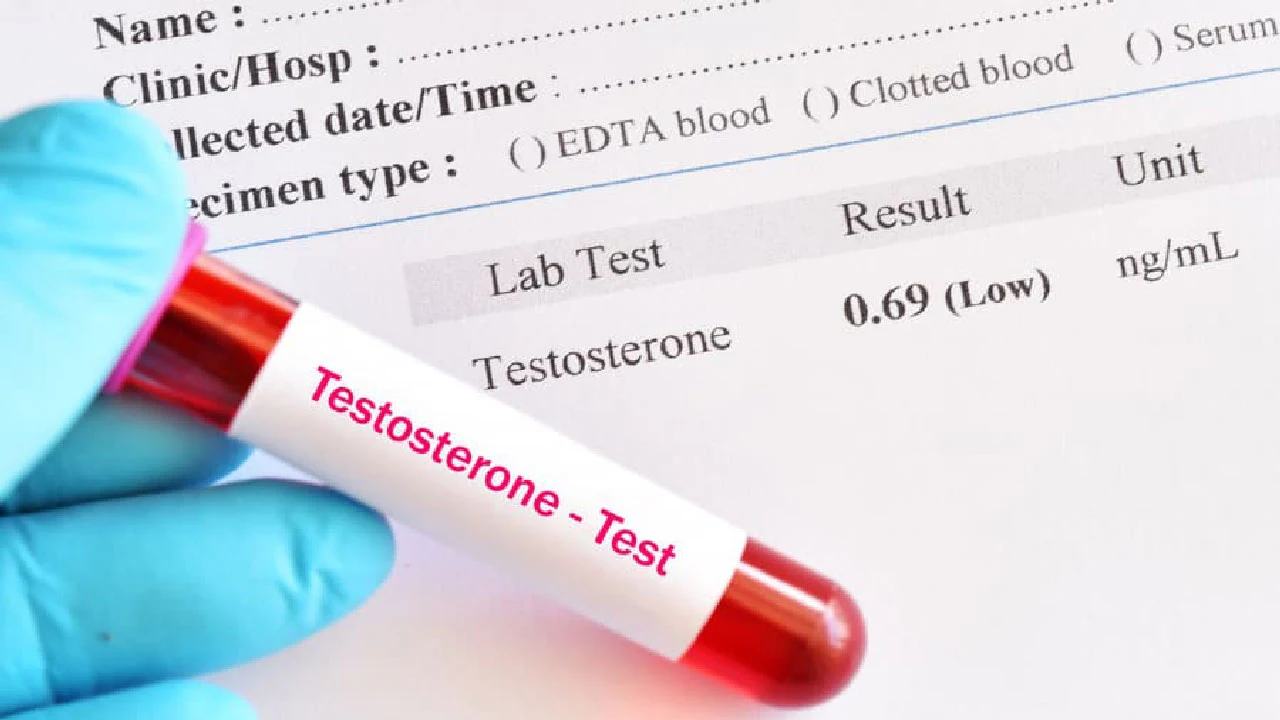
Clinical pearls for treating infertility and low testosterone in men, emphasizing reproductive goal assessment, empiric medical therapies, and comprehensive multidisciplinary management strategies.

Microfluidic sperm selection represents a revolutionary advancement in assisted reproduction technology, offering superior sperm quality through biomimetic microfluidic devices. This innovative technique effectively addresses the limitations of traditional centrifugation methods by selecting sperm with enhanced DNA integrity, improved motility, and better morphology, marking a pivotal shift in modern reproductive medicine.
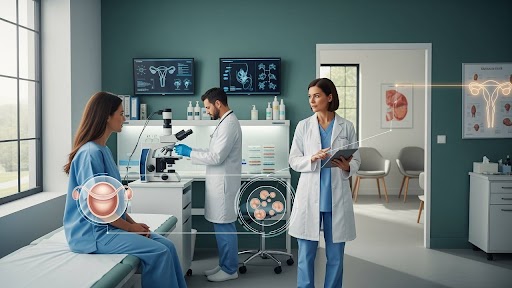
Assisted Reproductive Technology (ART), a groundbreaking medical field that provides solutions for individuals and couples facing fertility challenges. It defines ART, explains its core techniques such as In Vitro Fertilization (IVF) and Intracytoplasmic Sperm Injection (ICSI), and discusses clinical applications and success rates.

Female infertility diagnosis requires a structured, multi-step medical approach. Doctors combine history, physical exams, hormone testing, ovulation assessment, ultrasound, tube evaluation, and advanced testing to uncover the root causes of difficulty conceiving. This framework provides clarity, guides treatment choices, and supports more accurate, personalized fertility care.
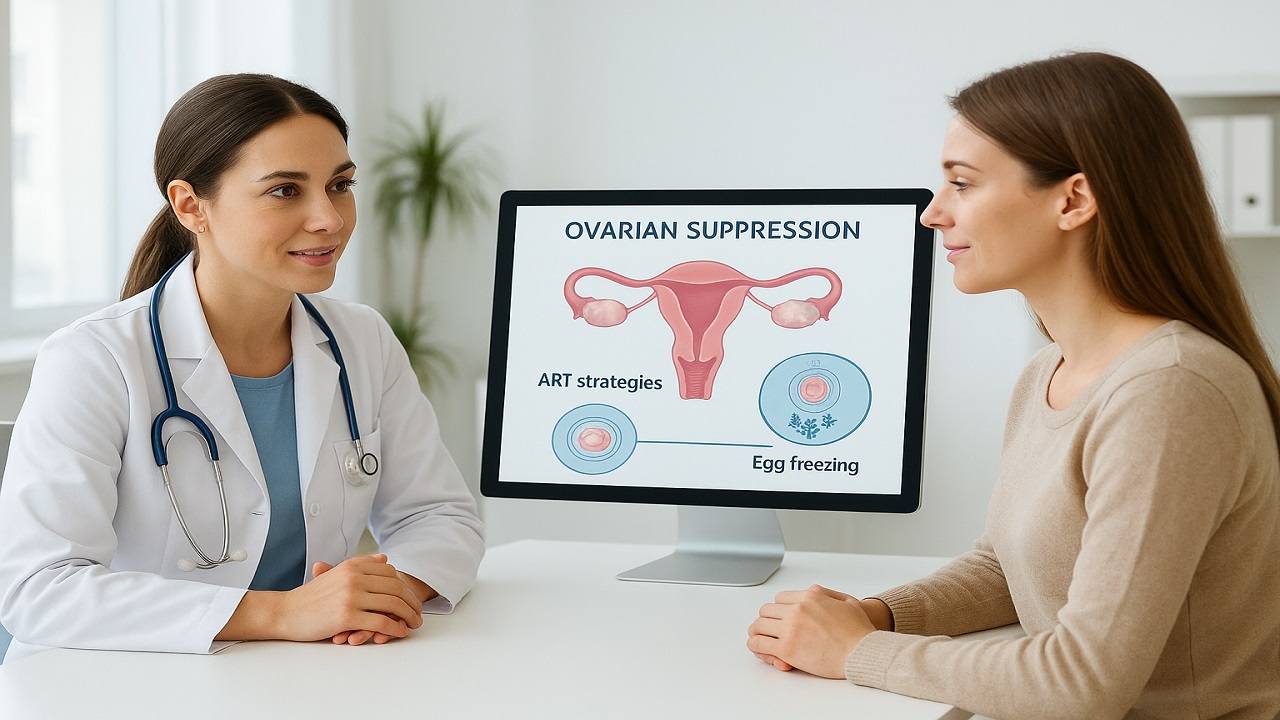
ART strategies for women undergoing ovarian suppression highlight fertility preservation, hormonal regulation, and IVF innovations that improve ovarian response, embryo quality, and pregnancy outcomes amid lifestyle challenges such as obesity.
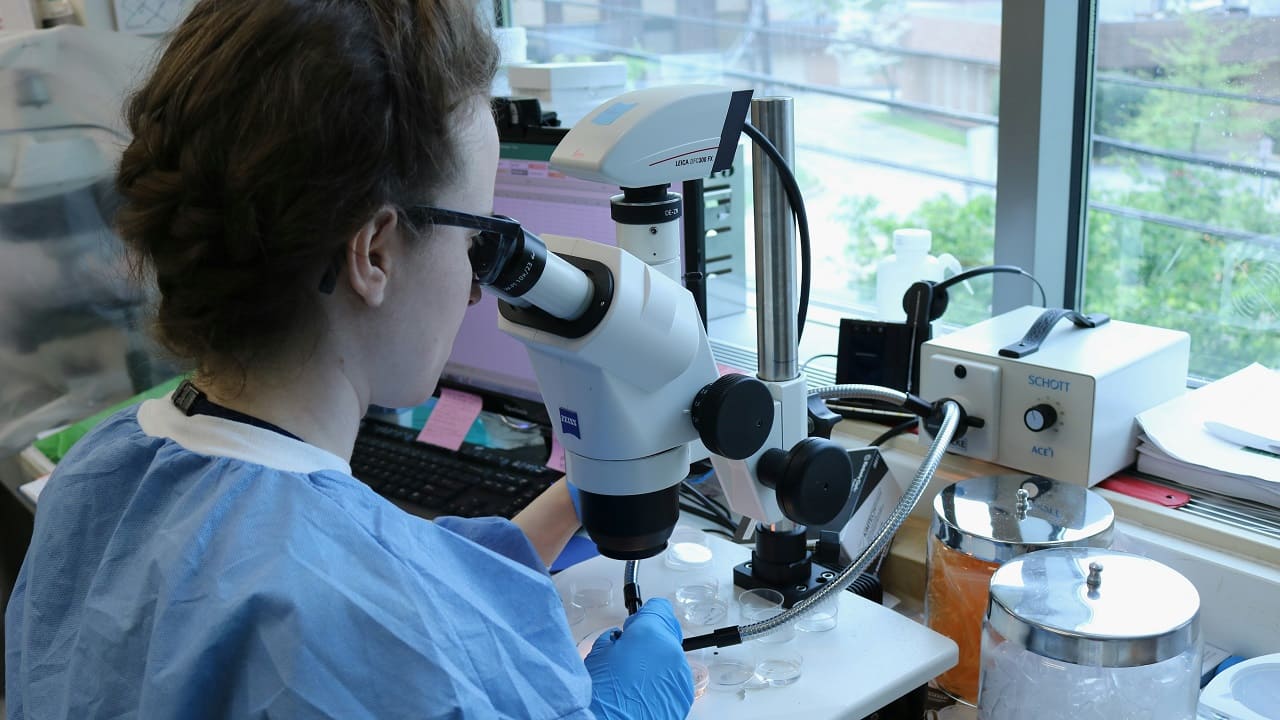
Laboratory technicians and embryologists are crucial to In Vitro Fertilization (IVF) and Intracytoplasmic Sperm Injection (ICSI) success, managing embryo development, cryopreservation, and genetic testing. Their expertise ensures that every aspect of the process is performed with precision and care, highlighting the vital role of laboratory technicians and embryologists in fertility treatments.

Personalized fertility nutrition tailors diet to individual biology, focusing on anti-inflammatory, Mediterranean-style eating and micronutrient balance. By aligning genetics, metabolism, and lifestyle, this approach supports ovulation, hormone health, and conception readiness, creating a science-backed, food-first foundation for improving fertility outcomes and overall preconception wellness.