Home
 White PapersWhite Papers
NICE Fertility Guidance has introduced a dedicated pathway for endometriosis, replacing outdated classifications with a personalised approach. The update provides clearer treatment steps, supports healthcare professionals with structured guidance, and aligns with NHS goals to improve access, consistency, and quality of fertility care for patients across the UK.



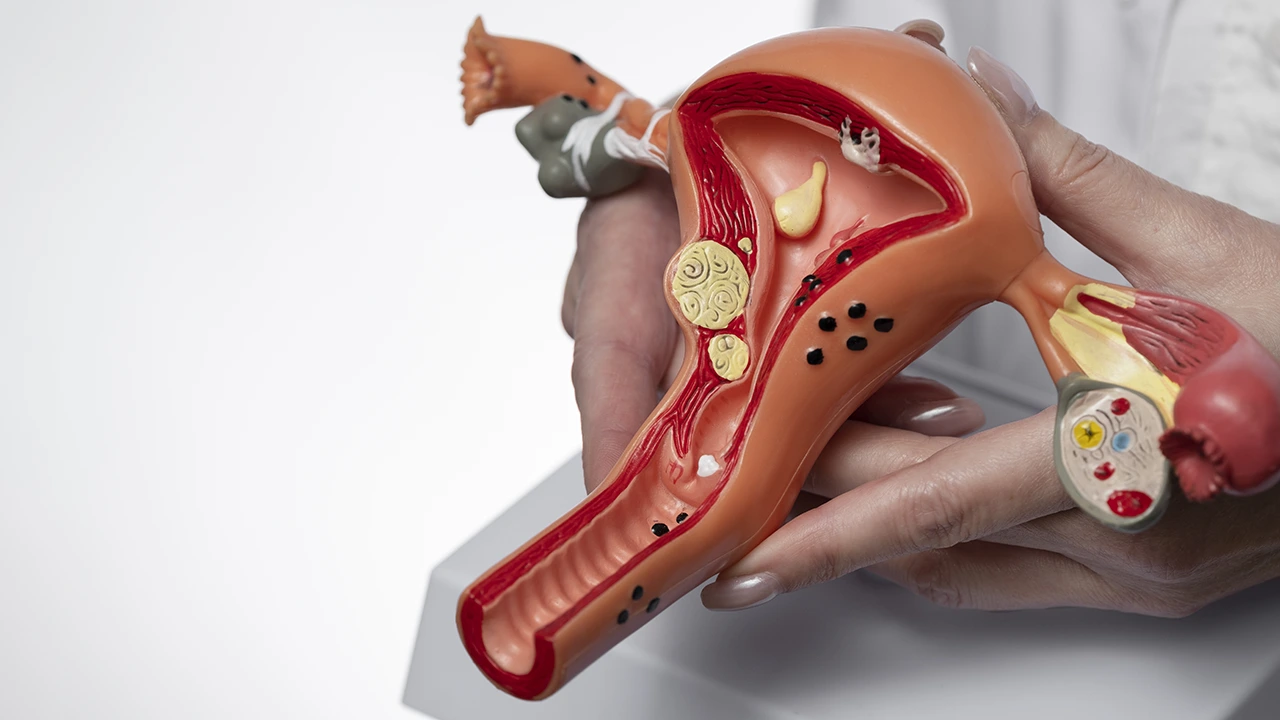
Endometriosis is a significant health challenge in the UK, affecting approximately 1.5 million individuals. It occurs when tissue similar to the lining of the womb grows elsewhere in the body, serving as a primary cause of fertility issues. Historically, patients have faced a fragmented system where their diagnosed condition was often grouped with "unexplained infertility", leading to inconsistent care and clinical confusion. The updated NICE Fertility Guidance addresses these systemic gaps by introducing a tailored approach that recognises endometriosis as a distinct condition that requires its own clinical trajectory.
This shift was driven by extensive consultation with patients, clinicians, and advocacy groups like Endometriosis UK. One of the most critical changes in the NICE Fertility Guidance is the removal of the terms "mild" and "severe". Feedback indicated these labels were clinically ambiguous and failed to capture how the condition affects an individual’s ability to conceive. By abandoning these misleading descriptors, the framework allows for a more nuanced assessment of a patient's unique biological and symptomatic profile.
Under the new recommendations, the fertility journey is highly personalized. Clinicians are directed to discuss a variety of options based on the patient's age, ovarian reserve, and any male fertility factors. The treatment pathway is now clearly defined: where appropriate, patients may first be offered expectant management to try for natural conception or surgical treatment to address the endometriosis itself, in line with existing surgical guidelines (NG73). If these initial steps are unsuccessful after a period of two years, the conversation shifts toward medical interventions such as intrauterine insemination (IUI) or in vitro fertilization (IVF).
Furthermore, the NICE Fertility Guidance empowers frontline healthcare workers, particularly nurses, who are often the first point of contact for concerned patients. By providing a dedicated, evidence-based section for endometriosis, the guidance ensures that these professionals can offer clear and consistent direction. This is especially vital given that the average diagnosis time for endometriosis currently stands at over nine years, meaning many patients are already at an emotional and physical disadvantage by the time they access fertility services.
The update also aligns with broader healthcare ambitions, such as the NHS 10 Year Health Plan, by fostering equitable access to care across England and empowering patients to make informed choices. In addition to the specific endometriosis pathway, the overall update also includes actions to prevent untested "add-on" treatments in clinics and increases access to NHS-funded fertility preservation. Ultimately, these changes signal a "step change" in support, ensuring that patients with endometriosis are no longer invisible within the fertility system and receive care that truly reflects the complexity of their condition.


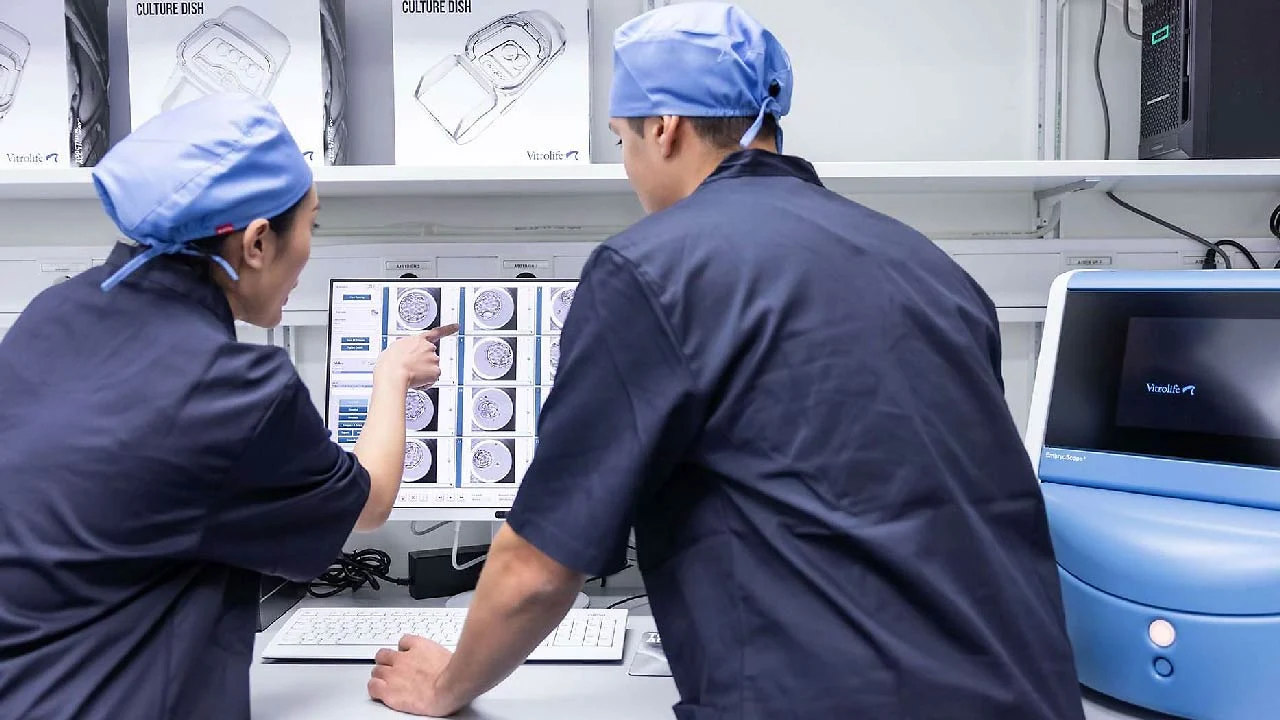
The University of California, San Francisco's EmbryoScope adoption improved IVF efficiency, saving 7 hours daily and boosting embryo evaluation precision with AI-ready tech.
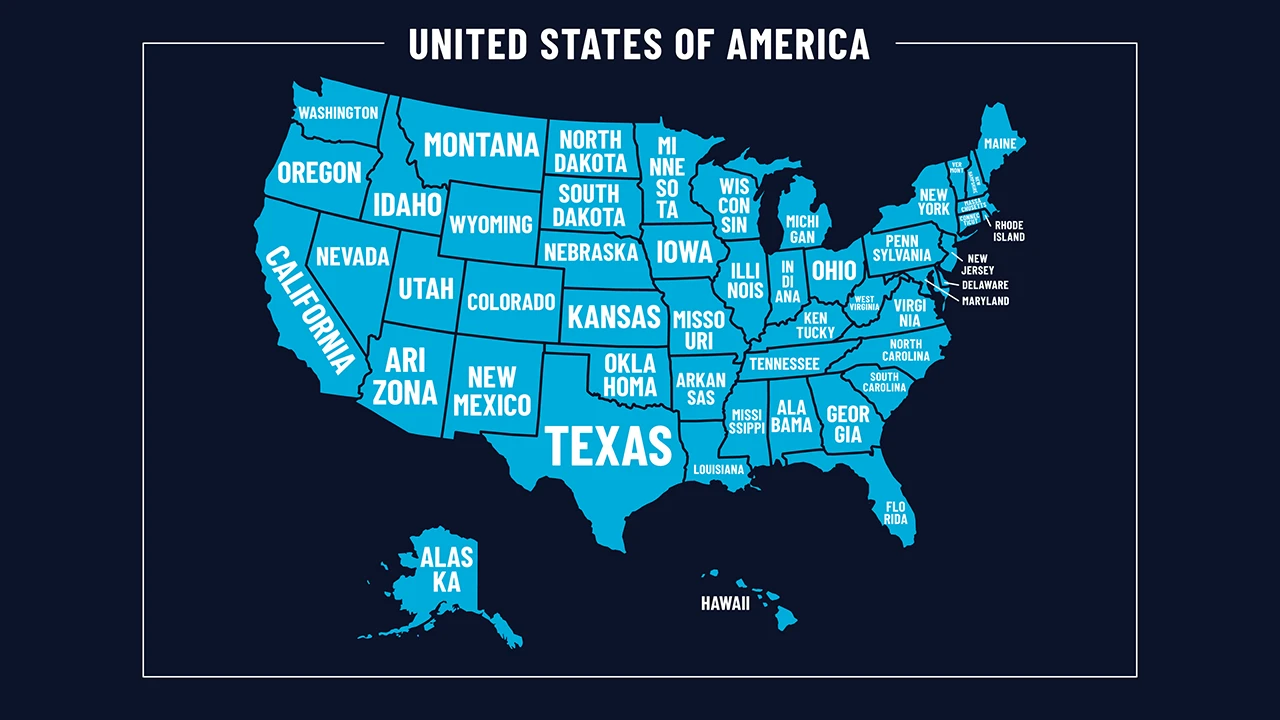
USA Fertility Coverage is expanding in 2026 as more states introduce insurance mandates for IVF, diagnosis, and fertility preservation. While private insurance reforms gain traction, Medicaid coverage remains limited. States are focusing on targeted, incremental changes, creating a varied national landscape with improving but uneven access to reproductive healthcare services.

ASRM analyzes the White House IVF announcement, highlighting drug-pricing deals, new employer benefit pathways, and the unresolved legal and equity questions shaping the future of IVF access in the U.S.
The National IVF and ICSI Guideline introduces unified clinical protocols for IVF and ICSI in Ireland, strengthening safety measures, promoting eSET, and standardizing assessments and treatment pathways to elevate nationwide fertility care.
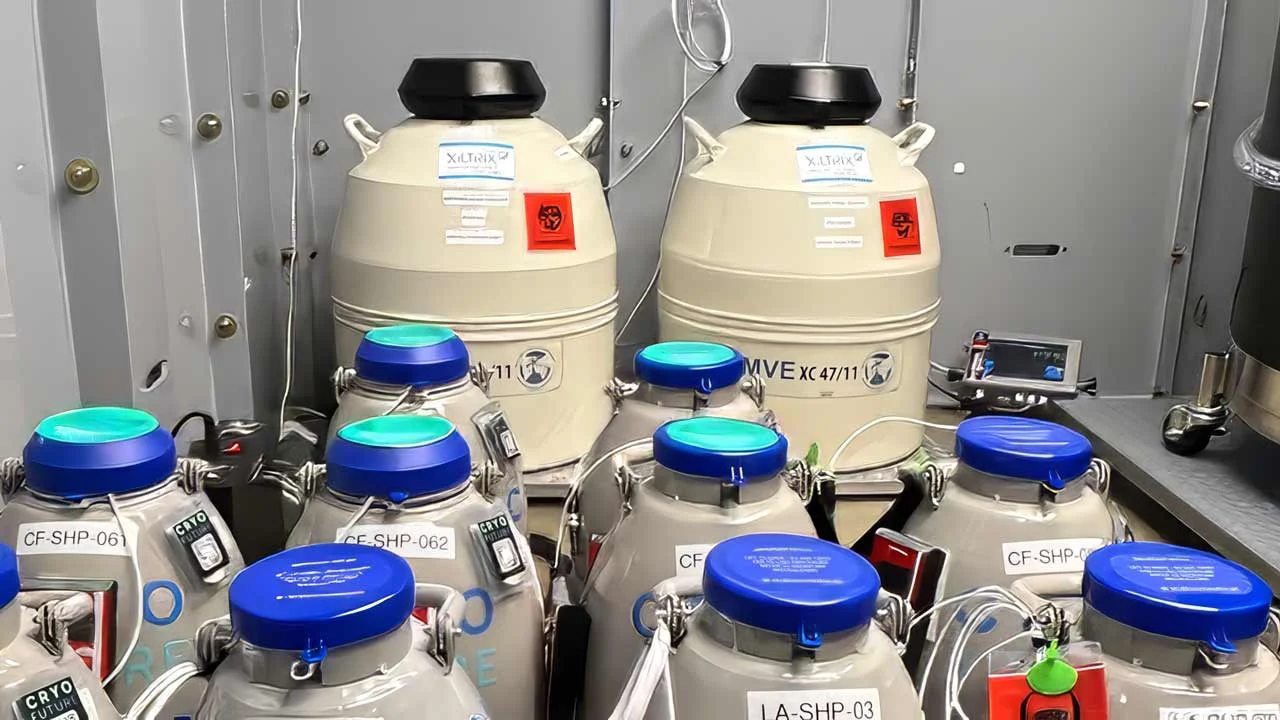
CryoFuture’s IVF lab emergency preparedness white paper details key risks to cryogenic storage and offers strategies for monitoring, response and off-site backup to protect reproductive specimens and operations.