Home
 White PapersWhite Papers
The National IVF and ICSI Guideline introduces unified clinical protocols for IVF and ICSI in Ireland, strengthening safety measures, promoting eSET, and standardizing assessments and treatment pathways to elevate nationwide fertility care.



A new National Clinical Practice Guideline on In Vitro fertilization (IVF) and Intracytoplasmic Sperm Injection (ICSI) has been published, offering comprehensive, evidence-based recommendations designed to promote a standardized approach across all fertility clinics in the country. Developed by a Guideline Development Group, including specialists such as Dr. Sarah Petch and Dr. Laura O’Byrne, and approved by The National Women and Infants Health Programme (NWIHP) and the Institute of Obstetricians and Gynaecologists (IOG) Clinical Advisory Group (CAG), this guideline is intended as a core resource for healthcare providers supporting people with subfertility.
The National IVF and ICSI Guideline, officially designated Version 1.0 and published in March 2025, outlines detailed protocols covering the entire IVF/ICSI cycle, from initiation and patient assessment to risk minimization and treatment practice. Prior to treatment, it is recommended that a detailed clinical history is taken from all people embarking on fertility treatment, and medical and mental health comorbidities, including body mass index (BMI), should be optimized. Women should also undergo ovarian reserve testing, such as an Anti-Müllerian Hormone (AMH) level and/or Antral Follicle Count (AFC), to predict ovarian response.
A major focus of the document is mitigating risks associated with Assisted Reproductive Technology (ART). To reduce the danger of multiple pregnancies, the single biggest risk to the health of the woman and babies undergoing IVF the guideline strongly recommends Elective Single Embryo Transfer (eSET) as the standard procedure when more than one good quality embryo is available. Crucially, the transfer of more than two embryos is not recommended under any circumstances. Furthermore, for women predicted to have a high ovarian response, the GnRH antagonist protocol is strongly recommended for Controlled Ovarian Hyperstimulation (COH) to reduce the risk of Ovarian Hyperstimulation Syndrome (OHSS).
While the guideline aims for universal standardization, access to publicly funded IVF/ICSI remains restricted, generally available only to heterosexual couples using their own gametes who meet specific access criteria, including age and BMI limits. The Guideline Development Group noted the importance of expanding public funding to include groups currently excluded, such as same-sex couples and those requiring donor-assisted conception. All sites providing AHR services are mandated to be authorized by the Health Products Regulatory Authority (HPRA).



The University of California, San Francisco's EmbryoScope adoption improved IVF efficiency, saving 7 hours daily and boosting embryo evaluation precision with AI-ready tech.
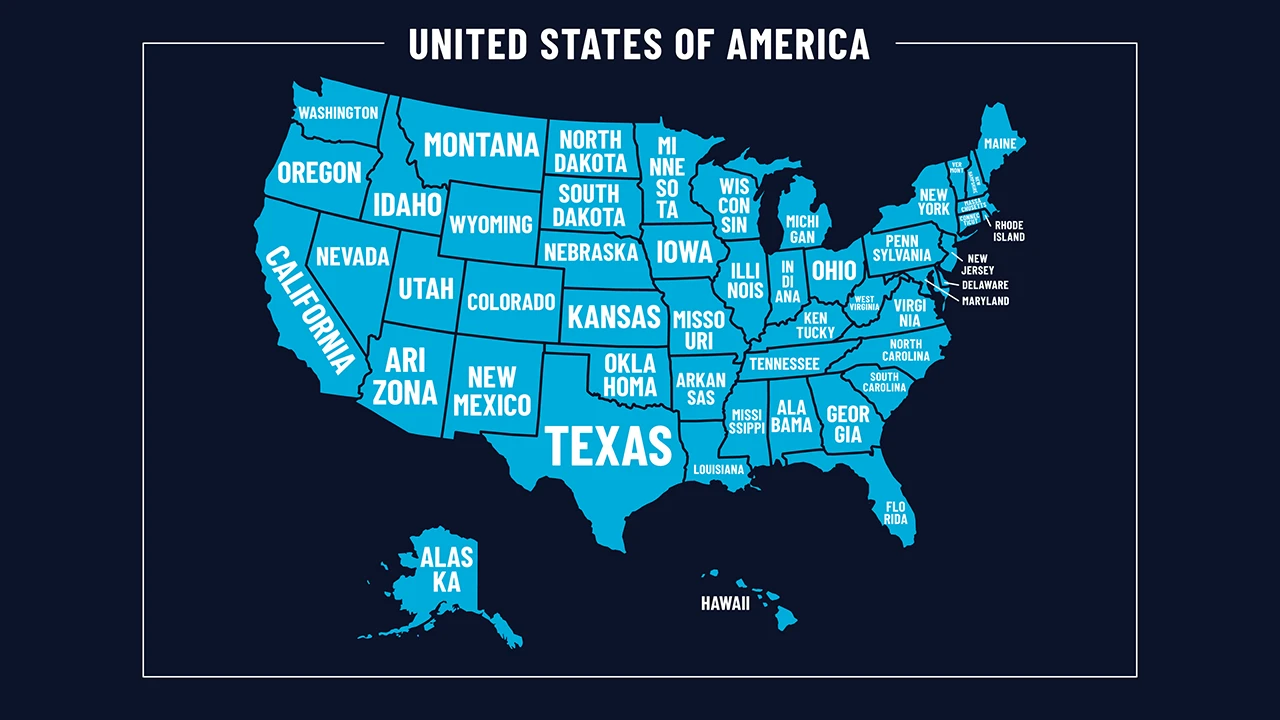
USA Fertility Coverage is expanding in 2026 as more states introduce insurance mandates for IVF, diagnosis, and fertility preservation. While private insurance reforms gain traction, Medicaid coverage remains limited. States are focusing on targeted, incremental changes, creating a varied national landscape with improving but uneven access to reproductive healthcare services.

ASRM analyzes the White House IVF announcement, highlighting drug-pricing deals, new employer benefit pathways, and the unresolved legal and equity questions shaping the future of IVF access in the U.S.
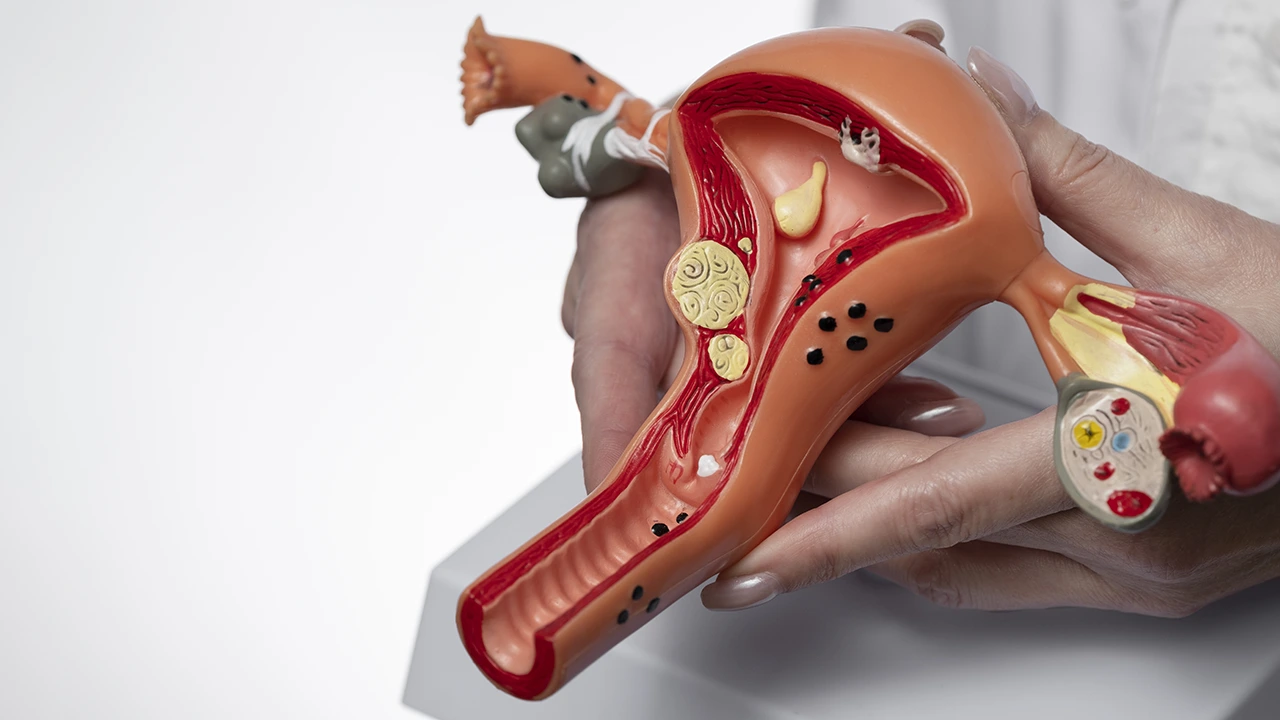
NICE Fertility Guidance has introduced a dedicated pathway for endometriosis, replacing outdated classifications with a personalised approach. The update provides clearer treatment steps, supports healthcare professionals with structured guidance, and aligns with NHS goals to improve access, consistency, and quality of fertility care for patients across the UK.
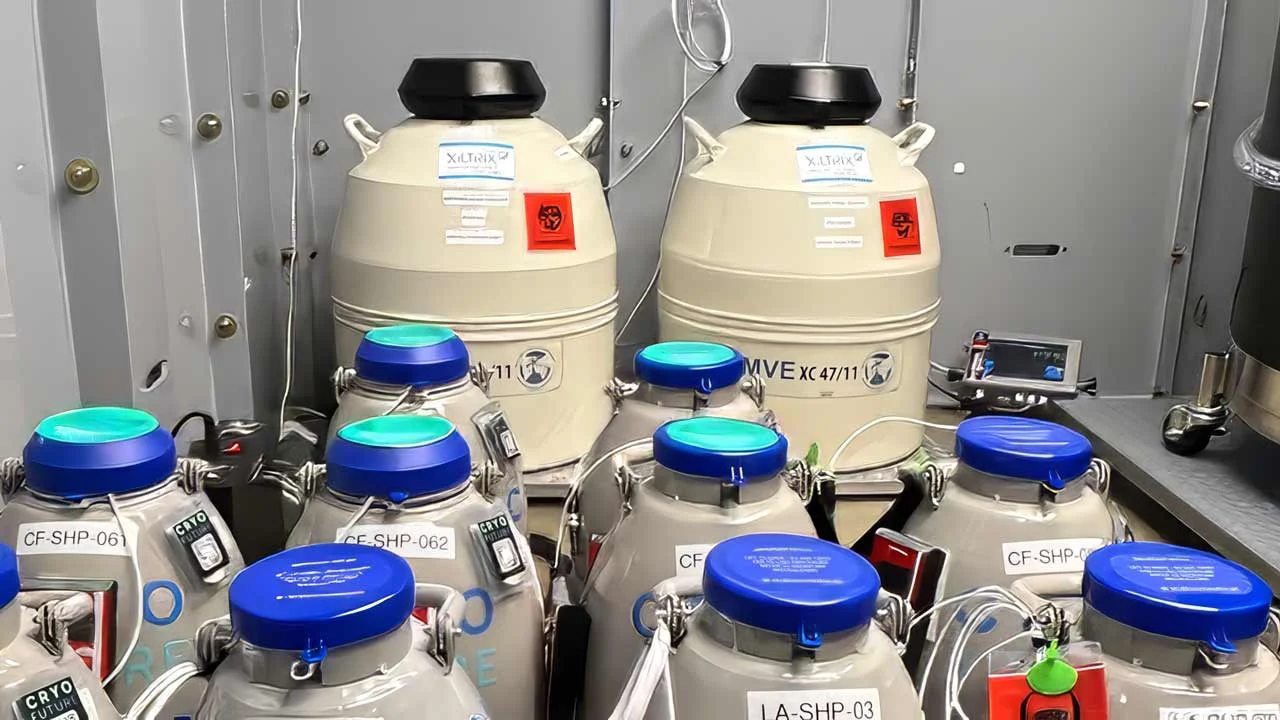
CryoFuture’s IVF lab emergency preparedness white paper details key risks to cryogenic storage and offers strategies for monitoring, response and off-site backup to protect reproductive specimens and operations.