Home
 ArticlesArticles
In Vitro Fertilization (IVF) and Intracytoplasmic Sperm Injection (ICSI) treat male infertility factors, highlighting their effectiveness in addressing issues such as low sperm count, poor motility, and blockages in the reproductive tract. By utilizing advanced reproductive technologies like IVF and ICSI, many men have overcome infertility challenges, providing hope for successful pregnancies for couples struggling to conceive.




In Vitro Fertilization (IVF) and Intracytoplasmic Sperm Injection (ICSI) have revolutionized the armamentarium of couples faced with infertility. Even though infertility is usually associated with women, male infertility accounts for 40-50% of cases. Fortunately, with the advancement of assisted reproductive technologies, especially male infertility treatment options like IVF (In vitro fertilization) and ICSI (Intracytoplasmic Sperm Injection), it is now possible to manage male infertility effectively. It is worth noting that these treatments target several different types of male infertility and have helped many men father children.

The causes for male infertility are varied, however they generally impact sperm production, quality, and delivery. Common causes include:
In Vitro Fertilization (IVF) is a fertility treatment in which eggs are harvested from a woman’s ovaries and fertilized in a laboratory outside of the body. The resultant embryos are then transferred to the woman’s uterus to implant and develop.

To that end, IVF can be beneficial even in the presence of male infertility factors when fertilization is done with sperm from a partner. When sperm production is low or there are other problems with sperm, IVF provides a controlled environment in which doctors can select the sperm most likely to succeed to fertilize the egg. If sperm is absent and there is a blockage, sperm can be extracted from the epididymis or testicle.
ICSI is an advanced form of IVF where a single sperm is injected directly into an egg. This method is particularly helpful in cases where male factors contribute to infertility, such as low sperm counts, poor motility, or abnormal morphology. ICSI enables even those sperm that have destitute quality to fertilize an egg, bypassing many of the natural barriers that would usually obstruct conception.
Oligospermia (Low sperm count): One of the main causes of male infertility is a low sperm count. This is where IVF with ICSI is a solution, as it selects for the healthiest sperm, no matter how few sperm are available. ICSI involves the highly accurate injection of sperm directly into the egg, allowing fertilization to take place even if the sperm count is low.
Varicocele, also known as enlarged veins in the scrotum, can disrupt the quantity and quality of sperm. Where surgical treatment may alleviate varicocele, IVF and ICSI can assist couples in achieving conception despite the issues associated with varicocele-induced infertility. This condition has adverse effects, which can be destroyed by selecting the best sperm and injecting it directly into the egg with the help of IVF and ICSI.
Genetic Factors When male infertility is caused by genetic conditions like Y-chromosome microdeletions or Klinefelter syndrome, IVF and ICSI provide a means of conception. Genetic factors may impact sperm production, but ICSI can help you overcome this issue by injecting healthy sperm directly into the egg. Genetic testing and counseling may be indicated to provide more information regarding risks for their offspring.
Hormonal Imbalances Hormonal imbalances may result in insufficient sperm production or function. IVF combined with ICSI, which is short for intracytoplasmic sperm injection, provides a solution for men whose problem stems from hormone levels – sperm is retrieved directly from the testicles and does not require normal hormonal function to produce a child. Treating this hormonal imbalance can help improve sperm quality in some cases.
The introduction of IVF and ICSI paved the way for reproductive medicine as we know it and provided men with solutions to male infertility factors once considered a one-way ticket to the childless life. With the right choice of sperm and advanced techniques to promote fertilization, these therapies can help many men overcome low sperm counts, poor motility, abnormal morphology and even reproductive tract obstructions. By using IVF and ICSI, male infertility treatment has transformed reproductive medicine, offering hope to men struggling with infertility. These techniques ensure that male infertility no longer has to be a barrier to parenthood, helping countless couples achieve successful pregnancies.


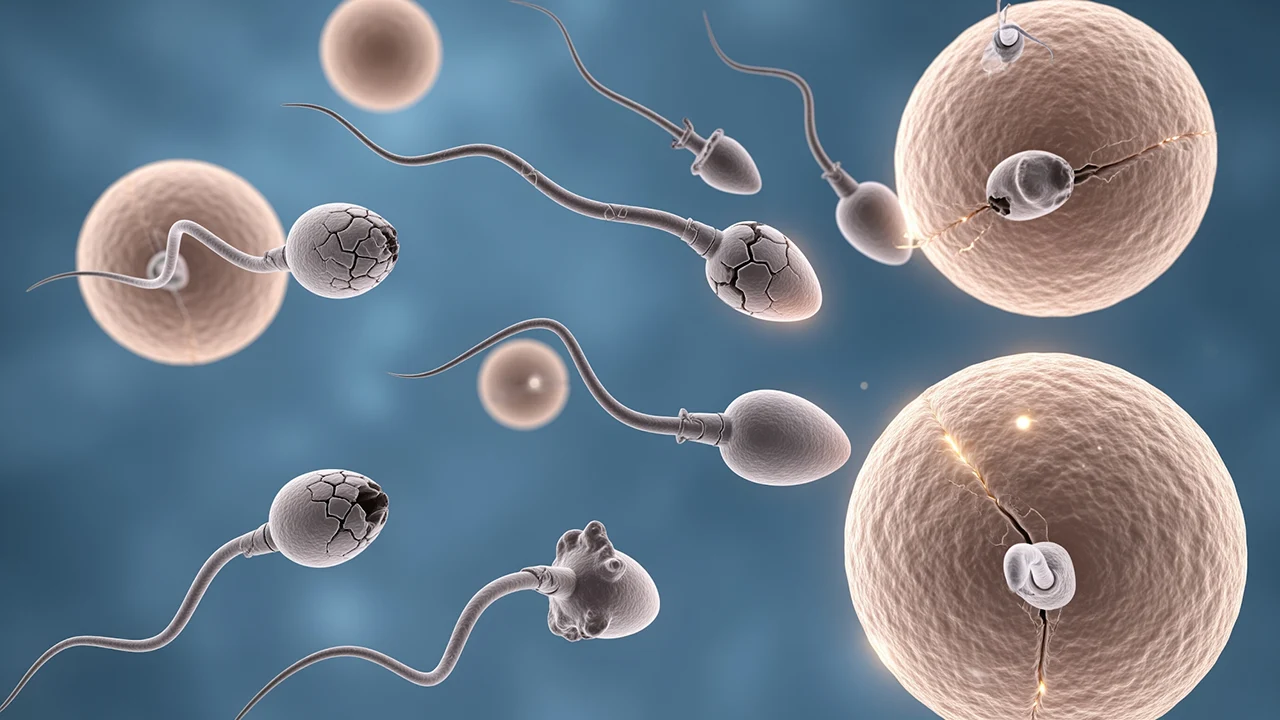
The innovative solution of Intracytoplasmic Sperm Injection (ICSI), designed to tackle male infertility challenges such as low sperm count and poor motility. ICSI creates new opportunities for couples who are eager to start a family by directly injecting a single sperm into an egg. Discover how this groundbreaking technique is transforming the landscape of reproductive medicine and offering hope to those facing infertility.
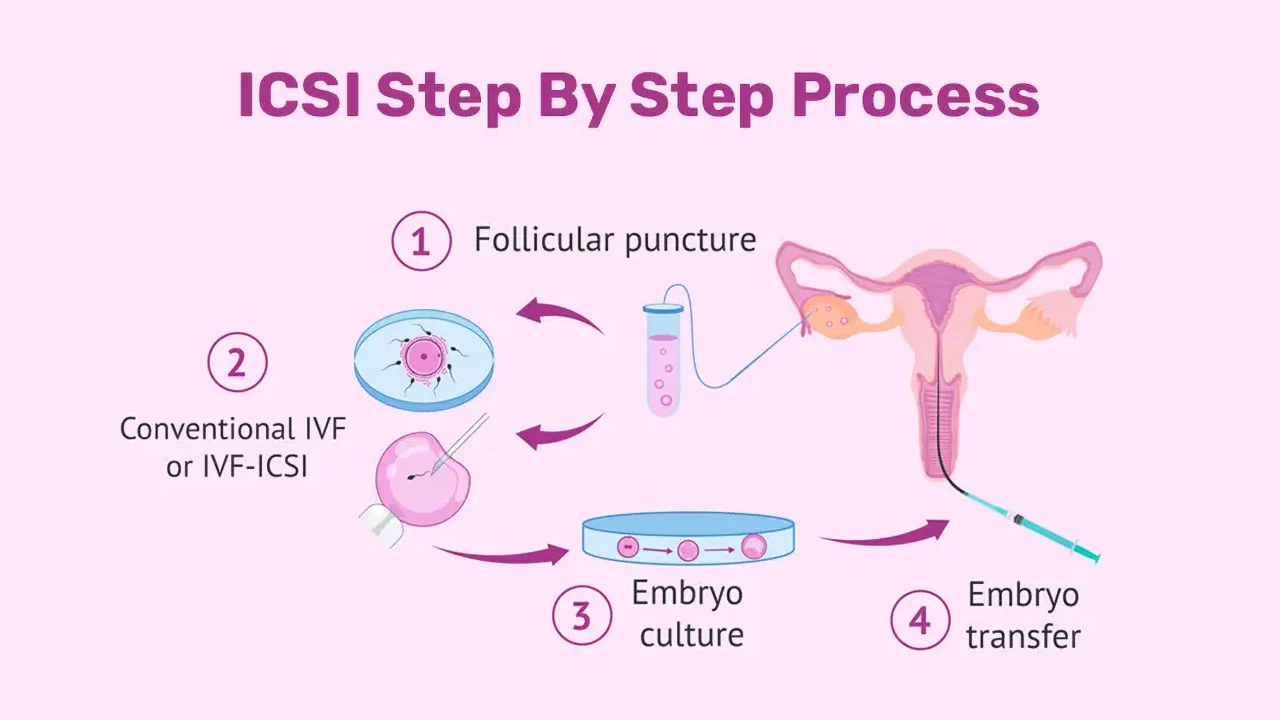
ICSI (Intracytoplasmic Sperm Injection) is an advanced fertility treatment where a single sperm is injected directly into an egg. This procedure helps couples overcome male infertility challenges like low sperm count or poor motility, offering hope for biological parenthood when conventional IVF methods aren't successful.
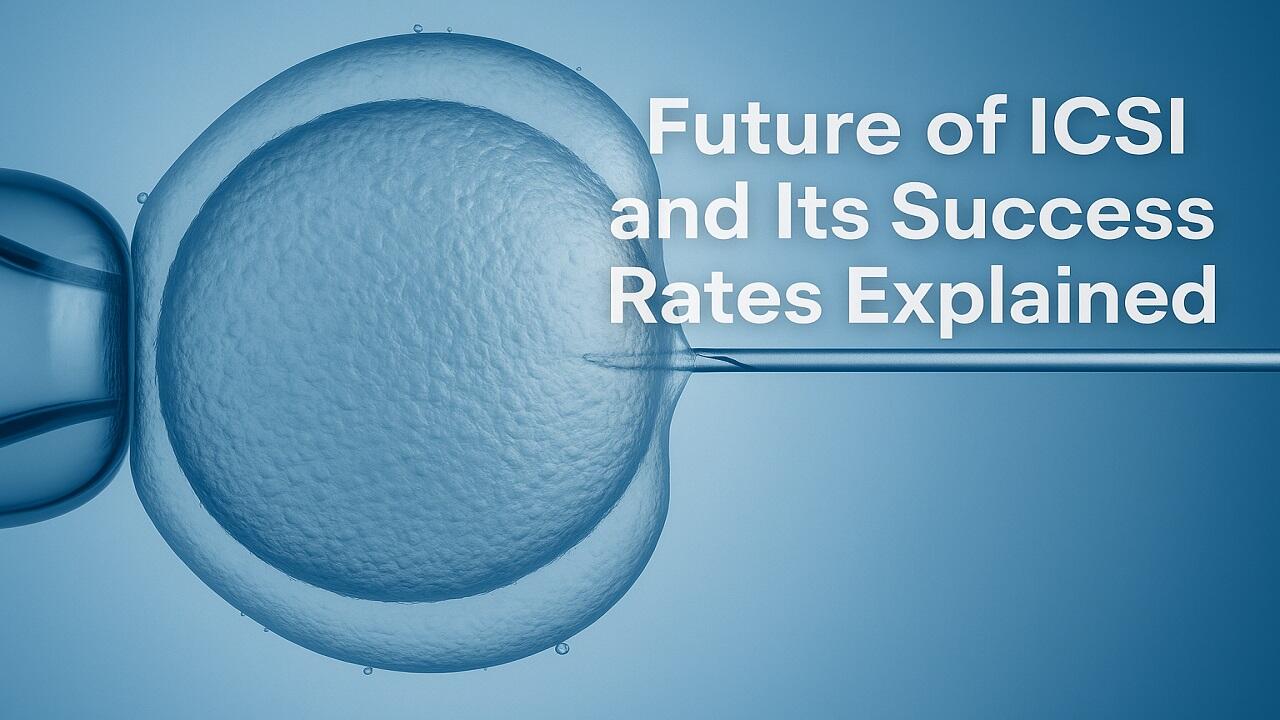
The article discusses "The Future of ICSI", emphasizing advancements like new sperm selection technologies, genetic screening, and stem cell research, all improving success rates and treatment effectiveness. These innovations are making Intracytoplasmic Sperm Injection (ICSI) a more promising solution for couples facing male infertility.

Intracytoplasmic Sperm Injection (ICSI) has transformed Male Infertility Treatment, enabling men with severe fertility issues to conceive biological children. By allowing even the weakest sperm to fertilize an egg, ICSI has significantly improved success rates in Male Infertility Treatment and provided new hope for couples facing infertility challenges.
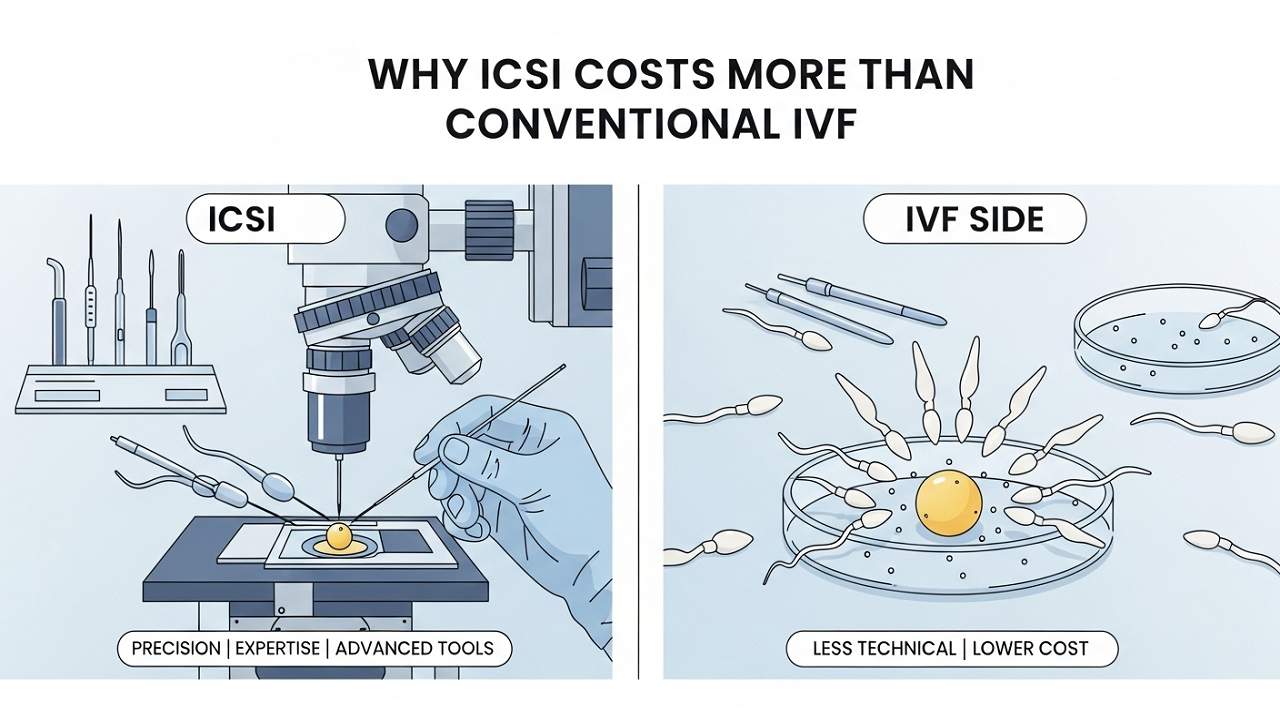
The Intracytoplasmic Sperm Injection (ICSI) procedure, where a single sperm cell is injected directly into an egg, a specialized form of In Vitro Fertilization (IVF), is typically more costly due to its complexity, requiring skilled embryologists and specialized equipment. It is particularly beneficial for couples facing male infertility issues, as it increases the chances of fertilization and successful pregnancies.

Mental health during fertility treatments is vital to cope with stress, anxiety, and emotional ups and downs. By focusing on self-care, resilience, and fostering hope, individuals can navigate challenges and maintain their mental health during fertility treatments while building a positive outlook for their fertility journey.

The history and inception of Intracytoplasmic Sperm Injection (ICSI) began with early advancements in micromanipulation, leading to its first successful use in the 1990s to treat male infertility. The history and inception of ICSI revolutionized assisted reproduction, offering hope to couples by enabling fertilization even in cases of severe sperm-related challenges.