Home
 NewsNews
According to a landmark large-scale IVF trial, using natural ovulation for frozen embryo transfers achieves matching birth rates to standard hormone cycles, offering a safer alternative for women.



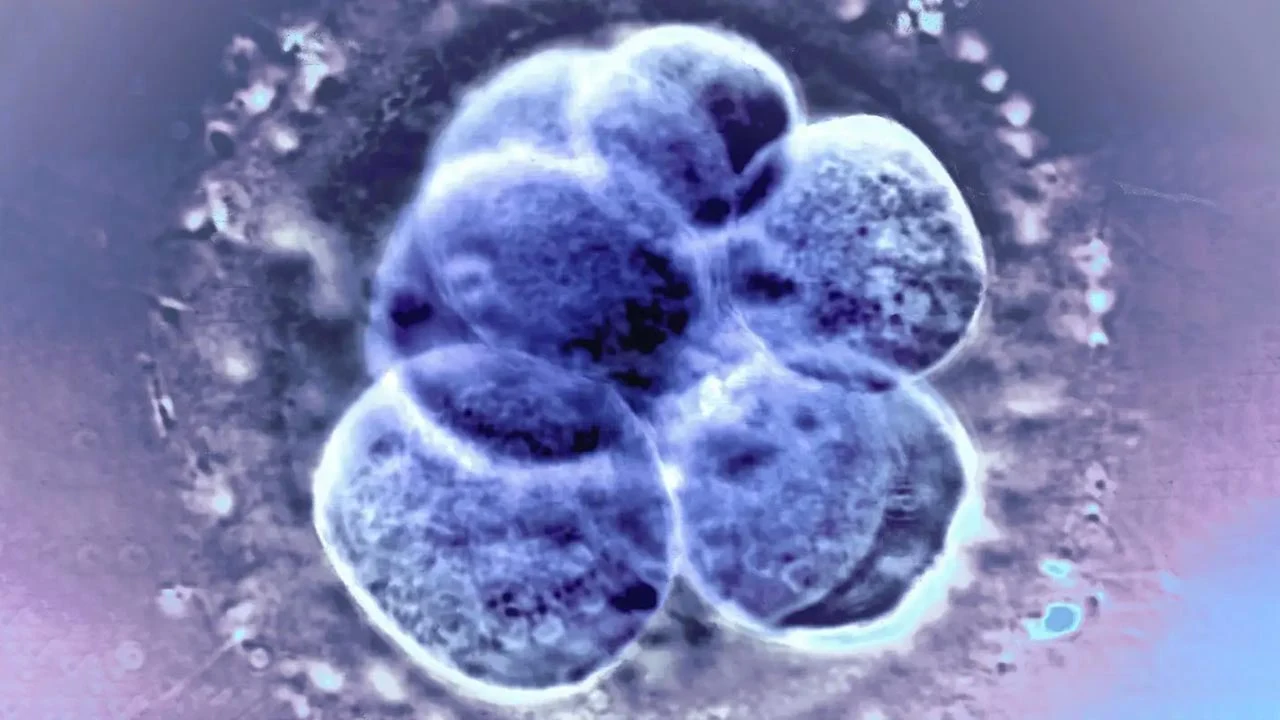
Natural ovulation frozen embryo transfer is just as effective as hormone-based treatment when preparing the uterus for frozen embryo transfer after IVF, according to results from a large randomised clinical trial.
Frozen embryo transfers are now the most common approach worldwide, especially for women who respond well to IVF and produce a higher number of eggs. In these cases, embryos are frozen and transferred in a later cycle to improve overall success rates.
To support implantation, the frozen embryo must be transferred during a precise window when the uterine lining is ready. This can be achieved either through a medicated cycle, using oestrogen and progesterone, or through a natural cycle that follows the body’s own hormone production.
Until now, there has been limited large-scale evidence comparing the safety and outcomes of these two approaches. To address this gap, Daimin Wei at Shandong University in Jinan, China, led a study involving 4,376 women aged 20 to 40 across 24 fertility centres. All participants were planning a single frozen embryo transfer. Half followed a medicated protocol, while the other half used their natural cycle.
“This is the randomised-controlled trial we have been waiting for,” says William Buckett at McGill University in Montreal, Canada, who wasn’t involved in the study.
Live birth rates were nearly identical. Women using their natural cycle had a 41.6% live birth rate, compared with 40.6% in the medicated group. These findings show that natural ovulation frozen embryo transfer delivers comparable success without hormone preparation.
Clear differences appeared when pregnancy complications were analysed. Women who followed their natural cycle had lower rates of pre-eclampsia, early pregnancy loss, placental accreta spectrum, Caesarean delivery, and severe post-partum bleeding.
“These risks not only affect maternal and fetal health during pregnancy, but are also associated with long-term health postpartum,” says Wei. “This is an important new study,” says Tim Child, chair of the UK’s Human Fertilisation and Embryology Authority’s Scientific and Clinical Advances Advisory Committee.
“This very large study confirms and extends previous findings and suspicions, in particular the significantly lower rate of pre-eclampsia, early pregnancy loss, placental accreta, C-section and post-partum haemorrhage [with the natural cycle route],” says Child.
Wei’s team plans further analysis of blood samples from the trial to identify biomarkers that may explain the reduced complication risk.


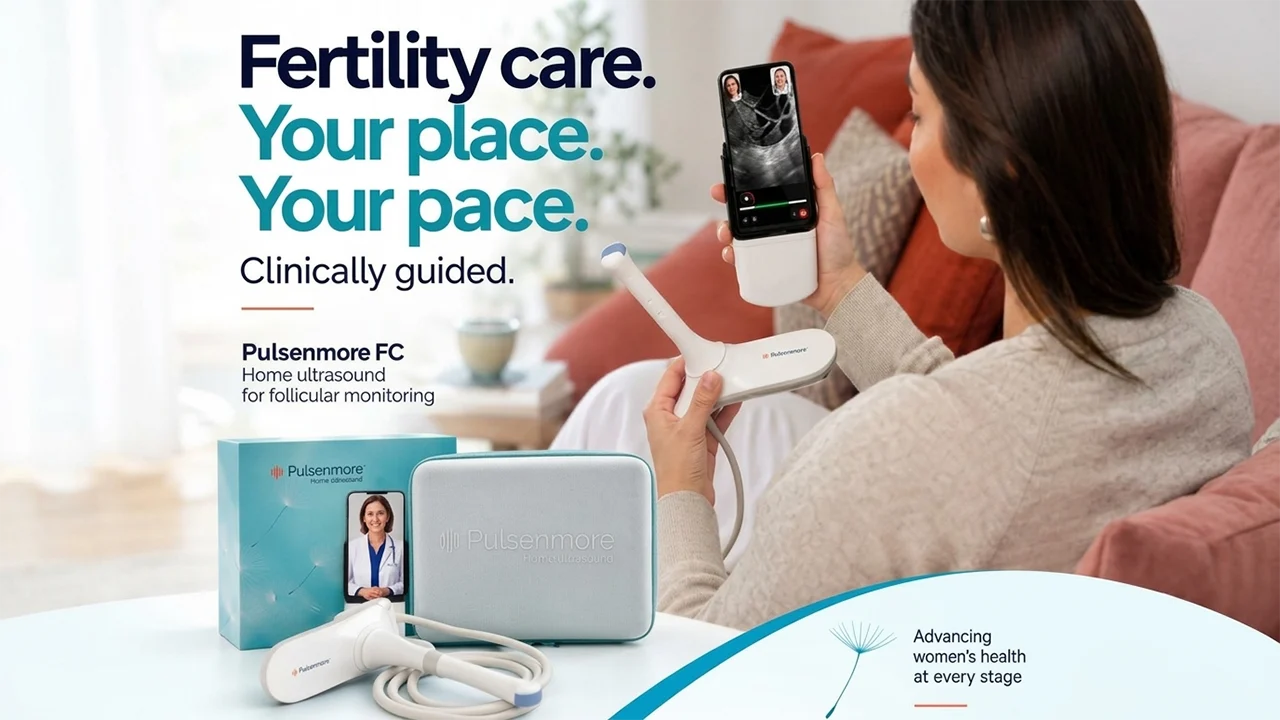
Pulsenmore has completed MHRA registration of Pulsenmore FC, entering the UK fertility market with its patient-operated home ultrasound system for follicular and endometrial monitoring during IVF and fertility preservation treatments. The move follows CE European registration and targets a UK market where over 100,000 fertility treatment cycles were performed in 2024.
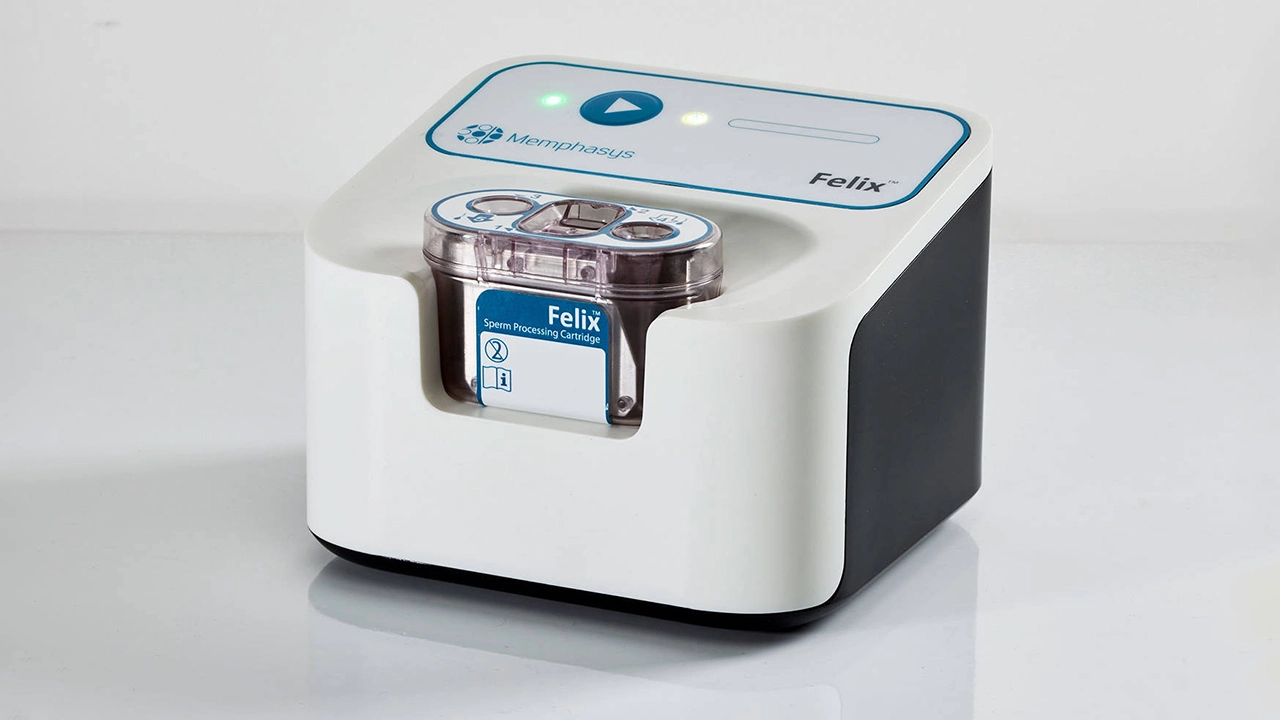
Memphasys has confirmed a Felix System Nordic expansion into Denmark, Sweden, Norway, Finland, and Iceland through an exclusive agreement with fertility-technology distributor NOVIVITAE ApS. The deal carries minimum contracted purchases of €526,500 across three years, with an initial order of €20,625 and three Felix™ consoles to be supplied in the September 2026 quarter.

India's Central Drugs Standard Control Organisation has overhauled CDSCO IVF reagent sale norms, directing that all ART media, culture solutions, and reagents be supplied exclusively to clinics registered under the ART (Regulation) Act and Surrogacy (Regulation) Act. The move targets a growing unlicensed supply chain feeding an estimated 40–50% of India's 2,000-plus IVF centres.
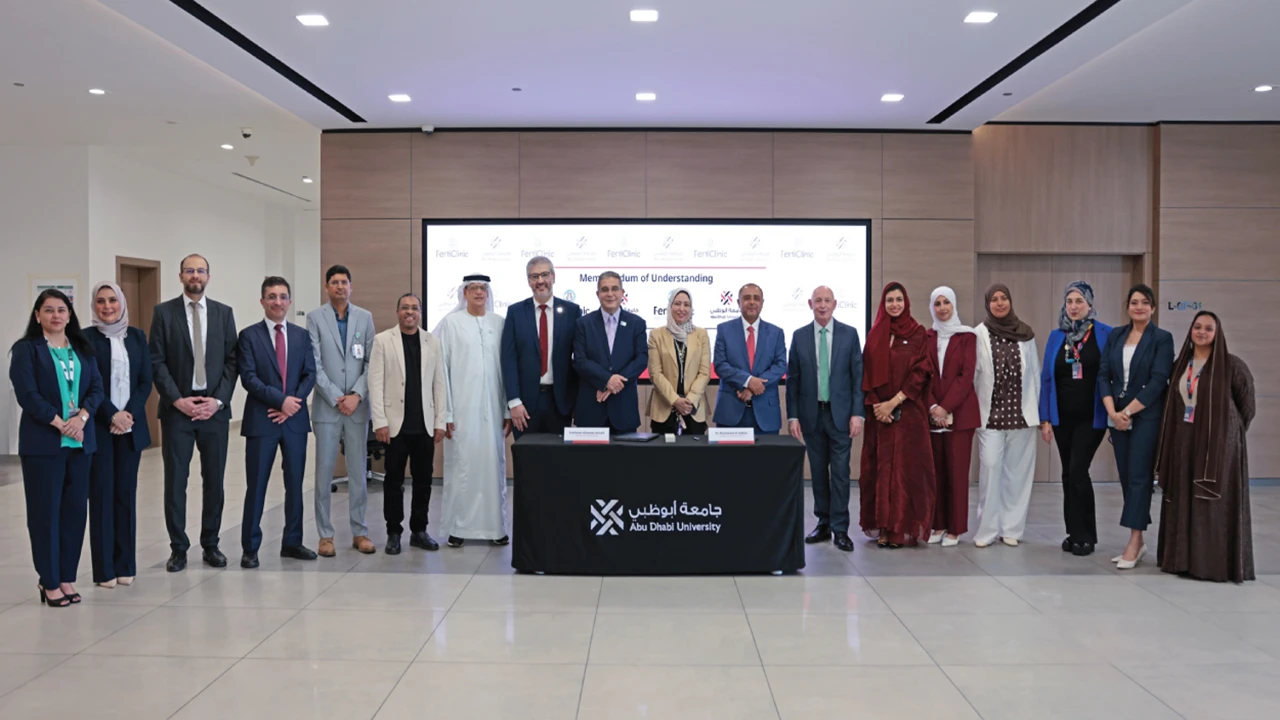
Abu Dhabi University and FertiClinic Group have joined forces to establish the FertiClinic Reproductive Research Lab, an advanced reproductive research lab in Abu Dhabi housing IVF, andrology, and cryopreservation facilities. The partnership supports UAE national priorities, bridges academic and clinical expertise, and advances fertility innovation across the region.

NHS Kent and Medway has overhauled its fertility funding policy in a move that sees NHS cuts IVF access for thousands of patients. Effective 1 April 2026, the eligible age ceiling drops from 40 to 38, funded cycles fall from two to one, and embryo transfers are capped at two.
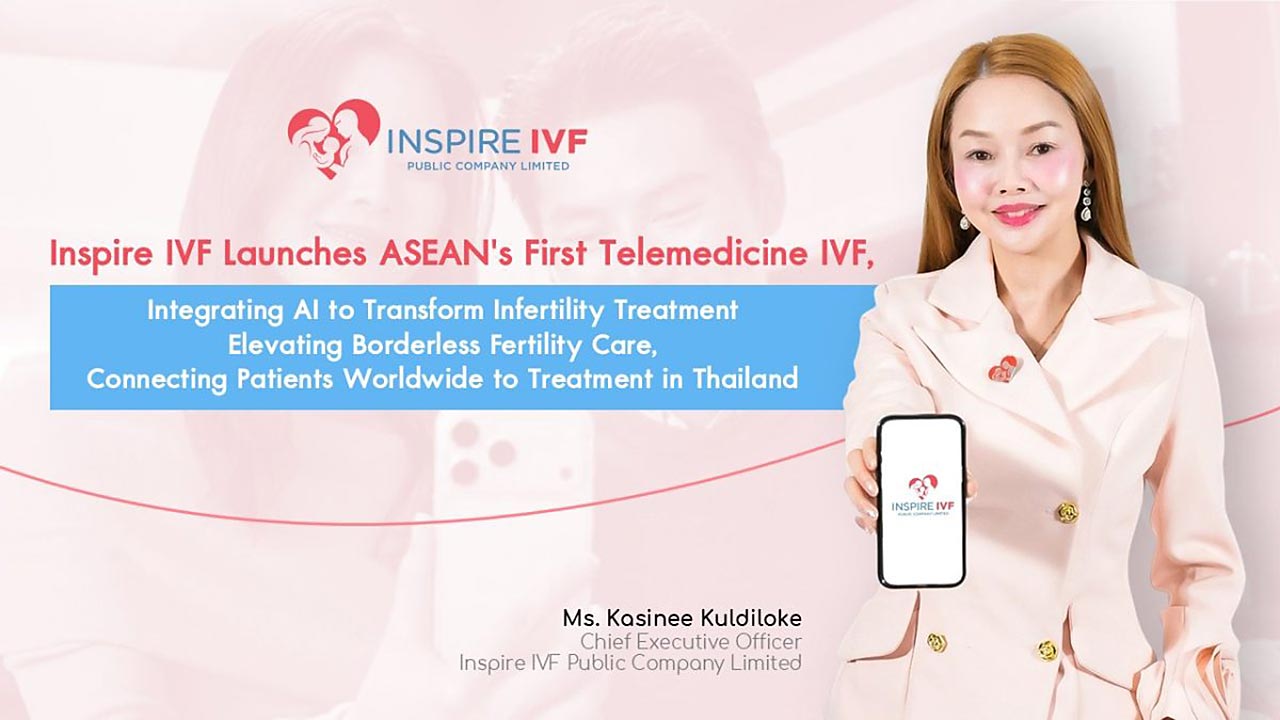
ASEAN's First Telemedicine IVF by Inspire IVF introduces a new era of remote fertility care. Combining AI technology with expert consultation, the platform enables global access, real-time monitoring, and personalised treatment planning, positioning Thailand as a leading hub for fertility services and advancing digital transformation in reproductive healthcare.
CSG.BIO has gone ahead with the acquisition of Hanabusa IVF, Asian Egg Bank, thereby making it a world leader in reproductive medicine and cutting-edge clinics with enhanced patient reach and advanced laboratory capabilities.