Home
 ArticlesArticles
Frozen embryo transfer (FET) is a fertility procedure where previously created and frozen embryos are thawed and placed into the uterus. This comprehensive guide explains the FET process, success rates, benefits, and why it's become a preferred option for many people navigating infertility treatment and building their families.



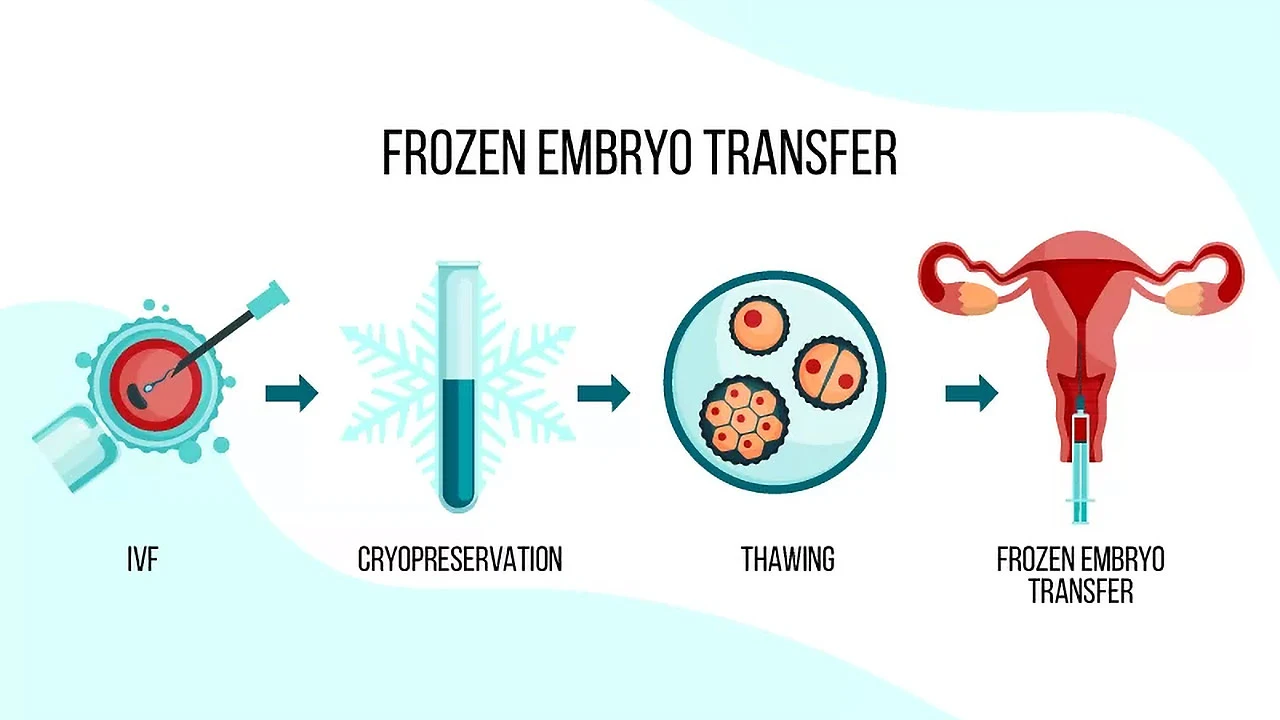
If you're exploring fertility treatments, you've likely encountered the term "frozen embryo transfer" or FET. This procedure has become a cornerstone of modern fertility care, offering hope and flexibility to countless individuals and couples. Let's break down what it means, how it works, and why it might be an important option in your path to parenthood.
A frozen embryo transfer is a fertility procedure where embryos that were created during a previous IVF (in vitro fertilization) cycle are thawed and placed into the uterus. Think of it as a two-step process: first, embryos are created and frozen for safekeeping, and later, when the timing is right, they're carefully thawed and transferred.
This approach differs from a "fresh" embryo transfer, where embryos are transferred just days after egg retrieval and fertilization. With FET, embryos can be stored safely for months or even years before being used, giving you greater control over when to attempt pregnancy.
Many people wonder why freezing embryos makes sense. Here are the most common reasons:

Understanding what happens during FET can ease anxiety and help you feel prepared.
Your fertility team will prepare your uterine lining to create the ideal environment for embryo implantation. This typically involves:
The actual transfer is surprisingly quick and painless:
Most people return to normal activities the same day, though your doctor may recommend taking it easy for 24 hours.
After transfer, you'll continue progesterone and possibly estrogen supplements. About 9-14 days later, you'll take a pregnancy test to determine if the embryo implanted successfully.
Success rates for frozen embryo transfer have improved dramatically with advances in freezing technology. In fact, FET success rates now match or sometimes exceed fresh transfer rates.
Several factors influence your chances:
Your fertility specialist can provide personalized statistics based on your specific situation.
FET offers several benefits that make it an attractive option:
Modern vitrification (flash-freezing) technology is remarkably safe. The vast majority of embryos survive thawing intact, and research shows no increased risk of birth defects or developmental issues.
Embryos can remain frozen for many years without losing viability. Successful pregnancies have occurred from embryos frozen for over a decade.
The transfer itself is generally painless, similar to a pap smear. Some people experience mild cramping, but serious discomfort is rare.
Frozen embryo transfer represents hope, possibility, and the remarkable advances in reproductive medicine. Whether you're considering your first FET or preparing for another attempt, remember that each journey is unique.
Your next steps:
You're not alone on this journey. Millions of families have been built through frozen embryo transfer, and with the right medical team and support system, you're taking meaningful steps toward your dream of parenthood.


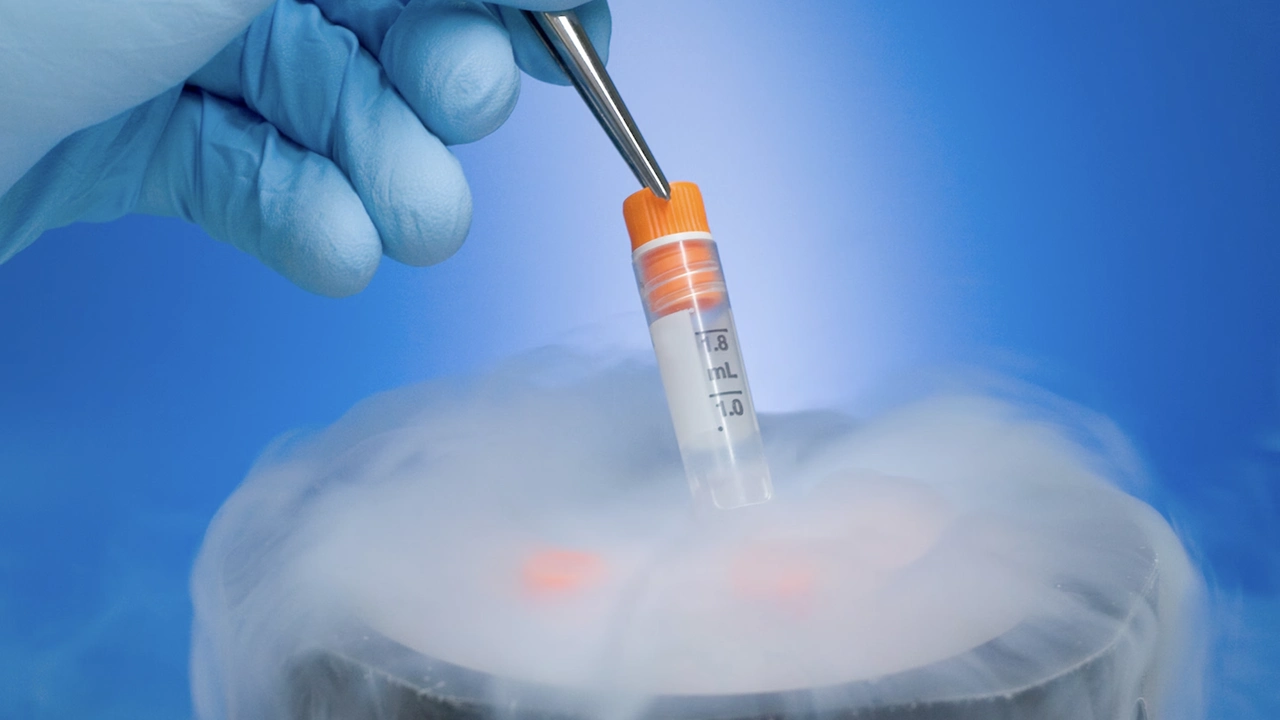
Frozen Egg Thawing survival rates average 80–90% with modern vitrification. Age at freezing is the biggest success factor, younger eggs fertilize better and develop stronger embryos. Banking 10–20 mature eggs improves live birth odds. ICSI remains the gold standard, with blastocyst transfer offering the highest implantation rates.
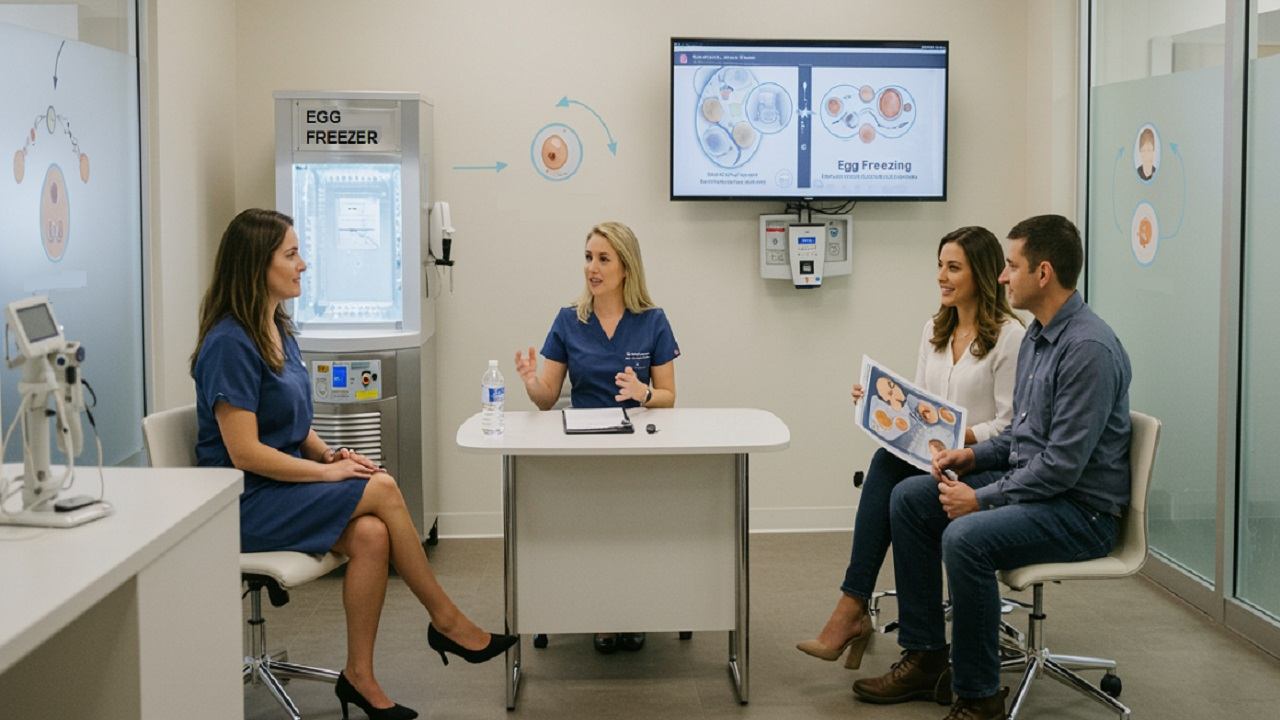
The vital role of fertility preservation and egg donation in helping women overcome reproductive challenges, allowing them to control their family planning. It highlights how these advancements in reproductive medicine enable women to preserve their fertility and access healthier eggs for future pregnancies.
Egg freezing does not reduce natural fertility or ovarian reserve. This comprehensive guide examines how oocyte cryopreservation works, success rates by age, potential risks including OHSS, costs, and psychological benefits. Facts about preserving reproductive options while maintaining natural conception ability for career-focused and medically indicated fertility preservation.

The best age to freeze sperm and eggs depends on biology, fertility health, and personal choice. Experts recommend egg freezing before 35 and sperm freezing before 40 for stronger outcomes. Advances in technology and lifestyle factors also shape fertility preservation decisions.
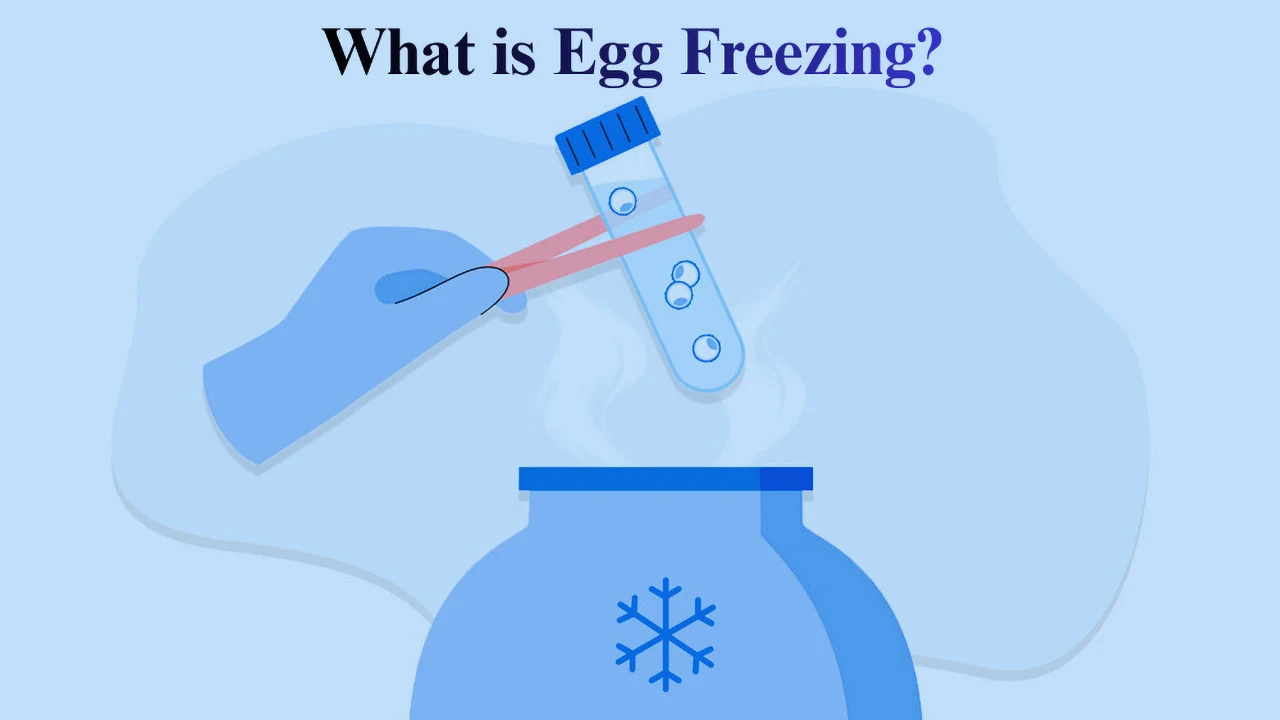
Egg freezing allows women to preserve their fertility by extracting, freezing, and storing eggs for future use. Whether postponing parenthood for career, personal reasons, or medical treatments, this comprehensive guide explains the process, costs, success rates, and who should consider this increasingly popular fertility preservation option.
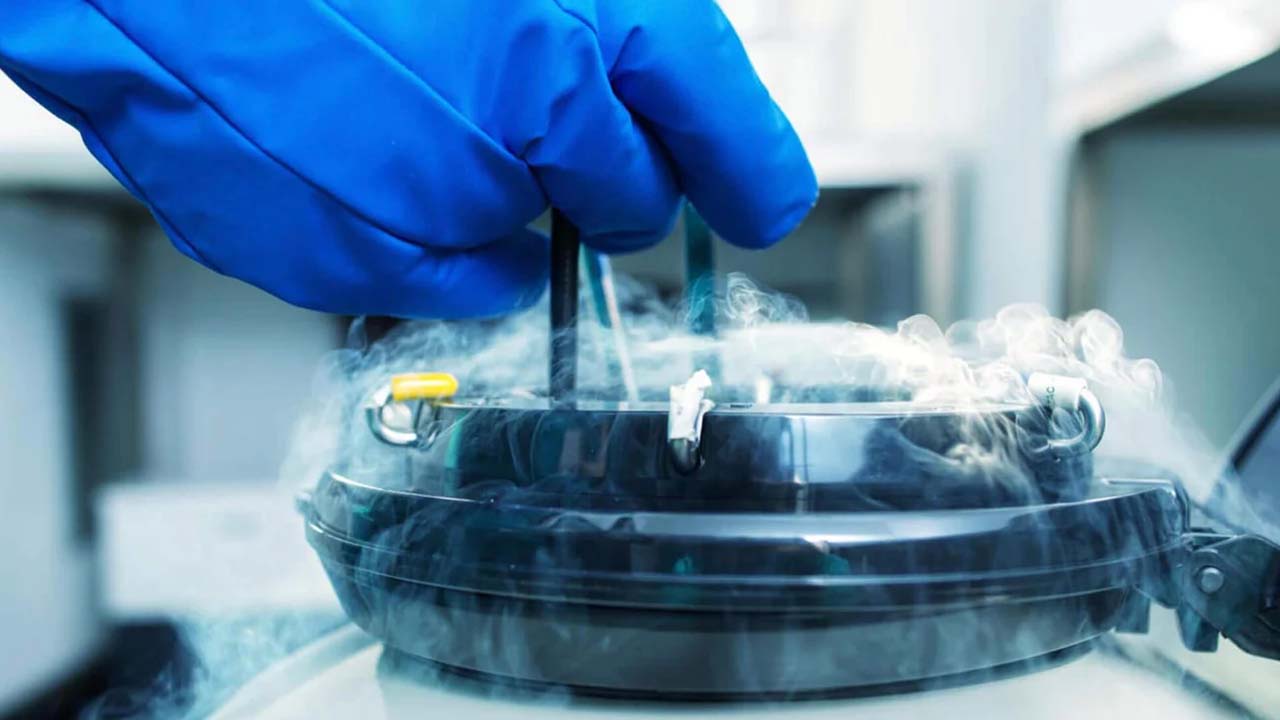
Vitrification vs slow freezing is reshaping ovarian tissue cryopreservation strategies. While slow freezing offers a proven track record, vitrification shows stronger DNA protection and stromal preservation. As fertility preservation advances, clinicians weigh tradition against innovation to improve outcomes for cancer survivors seeking future motherhood.