Home
 NewsNews
According to a landmark large-scale IVF trial, using natural ovulation for frozen embryo transfers achieves matching birth rates to standard hormone cycles, offering a safer alternative for women.




Natural ovulation frozen embryo transfer is just as effective as hormone-based treatment when preparing the uterus for frozen embryo transfer after IVF, according to results from a large randomised clinical trial.
Frozen embryo transfers are now the most common approach worldwide, especially for women who respond well to IVF and produce a higher number of eggs. In these cases, embryos are frozen and transferred in a later cycle to improve overall success rates.
To support implantation, the frozen embryo must be transferred during a precise window when the uterine lining is ready. This can be achieved either through a medicated cycle, using oestrogen and progesterone, or through a natural cycle that follows the body’s own hormone production.
Until now, there has been limited large-scale evidence comparing the safety and outcomes of these two approaches. To address this gap, Daimin Wei at Shandong University in Jinan, China, led a study involving 4,376 women aged 20 to 40 across 24 fertility centres. All participants were planning a single frozen embryo transfer. Half followed a medicated protocol, while the other half used their natural cycle.
“This is the randomised-controlled trial we have been waiting for,” says William Buckett at McGill University in Montreal, Canada, who wasn’t involved in the study.
Live birth rates were nearly identical. Women using their natural cycle had a 41.6% live birth rate, compared with 40.6% in the medicated group. These findings show that natural ovulation frozen embryo transfer delivers comparable success without hormone preparation.
Clear differences appeared when pregnancy complications were analysed. Women who followed their natural cycle had lower rates of pre-eclampsia, early pregnancy loss, placental accreta spectrum, Caesarean delivery, and severe post-partum bleeding.
“These risks not only affect maternal and fetal health during pregnancy, but are also associated with long-term health postpartum,” says Wei. “This is an important new study,” says Tim Child, chair of the UK’s Human Fertilisation and Embryology Authority’s Scientific and Clinical Advances Advisory Committee.
“This very large study confirms and extends previous findings and suspicions, in particular the significantly lower rate of pre-eclampsia, early pregnancy loss, placental accreta, C-section and post-partum haemorrhage [with the natural cycle route],” says Child.
Wei’s team plans further analysis of blood samples from the trial to identify biomarkers that may explain the reduced complication risk.


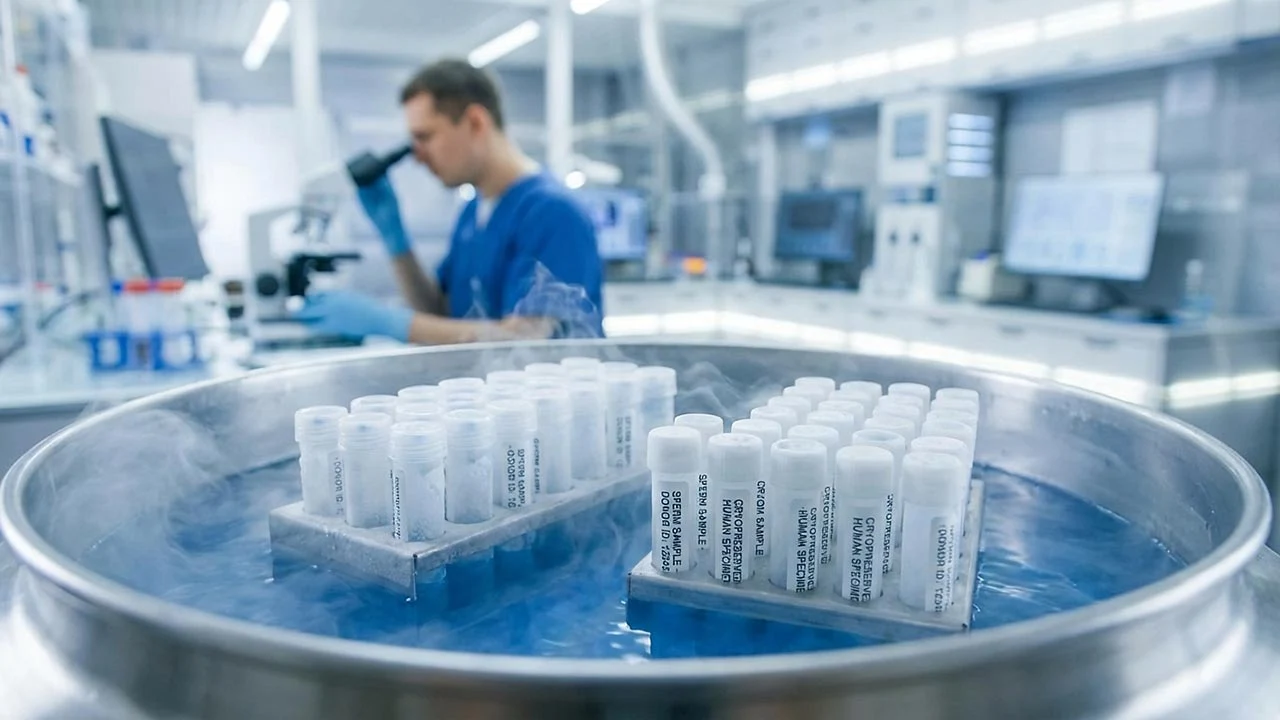
Wisconsin lawmakers from both parties are proposing bills to reduce IVF treatment costs. Republicans suggest a $5,000 tax credit for expenses, while Democrats want mandatory insurance coverage. With IVF cycles costing $20,000-$30,000 and 170,000 residents facing infertility, both parties seek affordable solutions through different approaches.
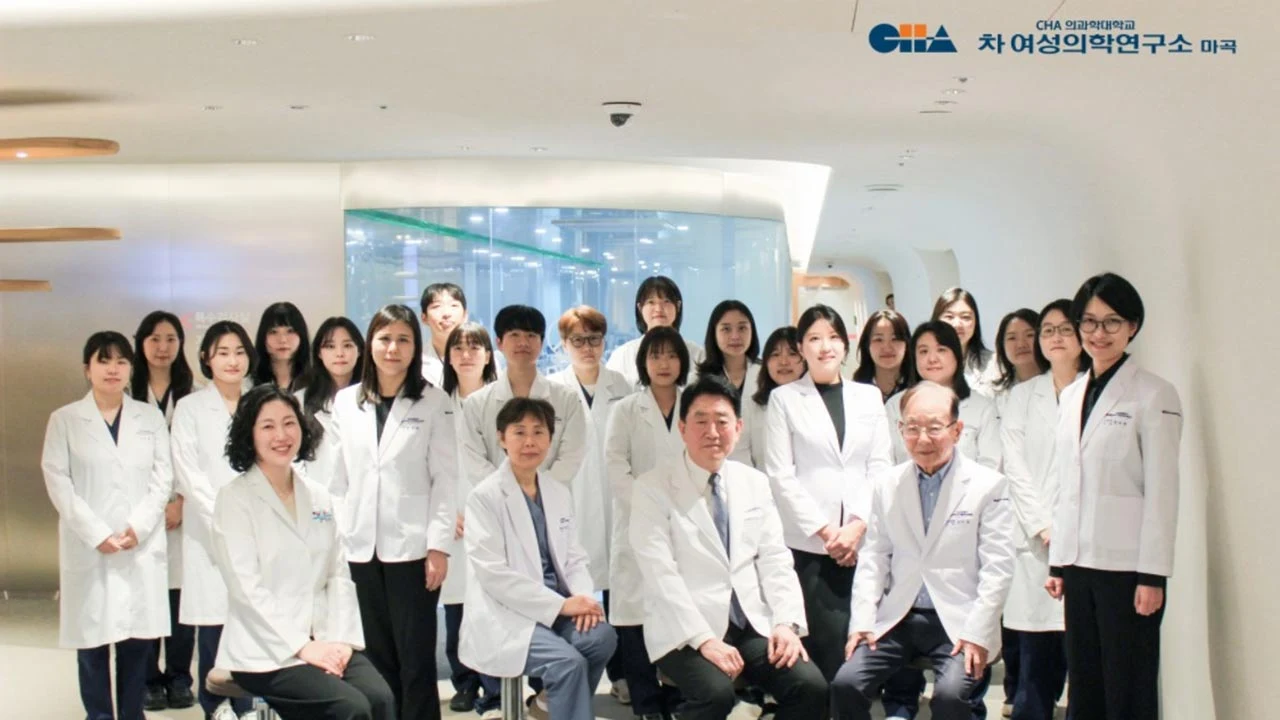
The AI-specialized Infertility Center, which is the largest in Asia, is open in Magok, Seoul and has begun its full-scale medical services from November 17 thereby marking the new era when it comes to fertility in the region.

Alife Health secured CE Mark approval for its AI-powered embryo selection tool, Embryo Predict, under EU MDR, expanding its fertility technology presence across Europe.

Simbryo Technologies introduces the Simbryo FX personalized assay, a diagnostic test that measures endometrial fertility to predict embryo implantation success and improve IVF outcomes with more than 90% specificity.
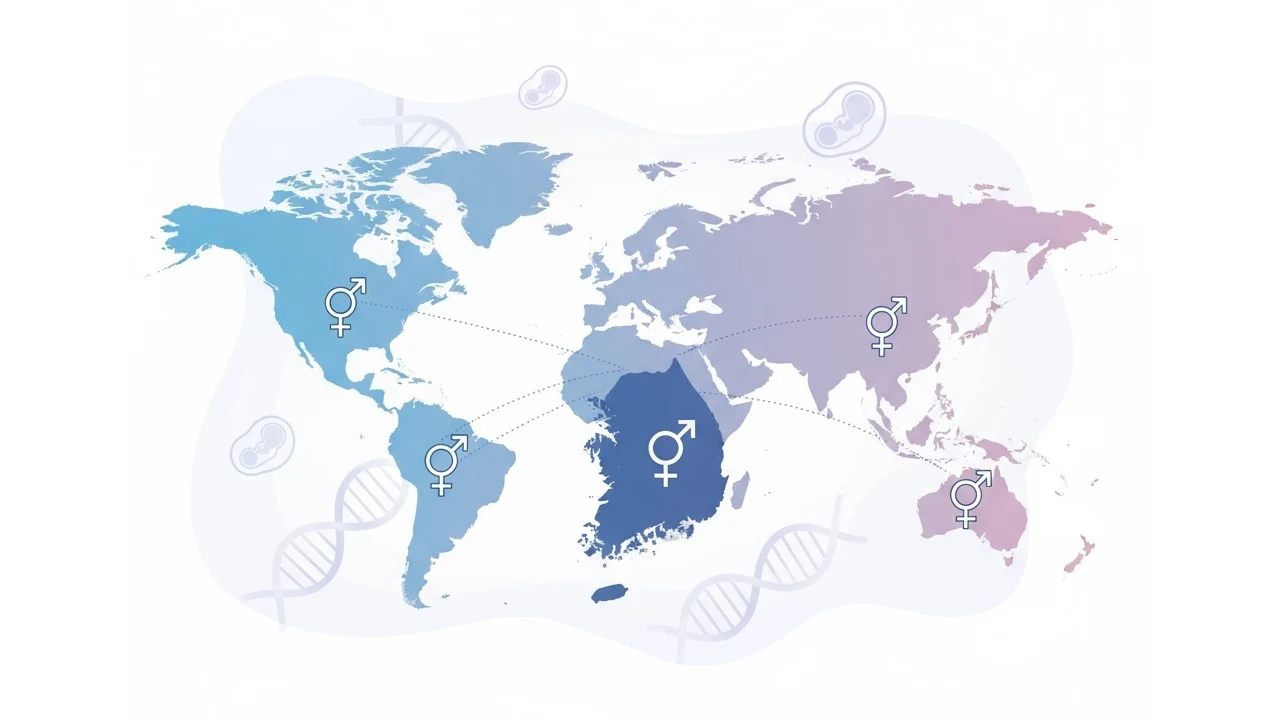
South Korean couples travel abroad for gender-selective IVF procedures, spending dollars in Thailand and Cyprus due to domestic legal restrictions on choosing a baby's sex.
As more families pursue fertility treatments, IVF CRYO urges greater transparency and safety in better Safe Embryos and Eggs Shipping across the U.S.
China sees a rise in advanced maternal age In Vitro Fertilization, driven by BaseCare Medical’s AI undisturbed culture system that improves embryo quality and clinical pregnancy rates, especially with PGT. Localized AI-assisted solutions position BaseCare as a leader in smart, precision reproduction technology for older IVF patients.