Home
 ArticlesArticles
Intrauterine insemination (IUI) is a minimally invasive fertility treatment that involves placing prepared sperm directly into the uterus during ovulation. How the IUI procedure works, who may benefit, expected success rates, and what to anticipate throughout the treatment journey.



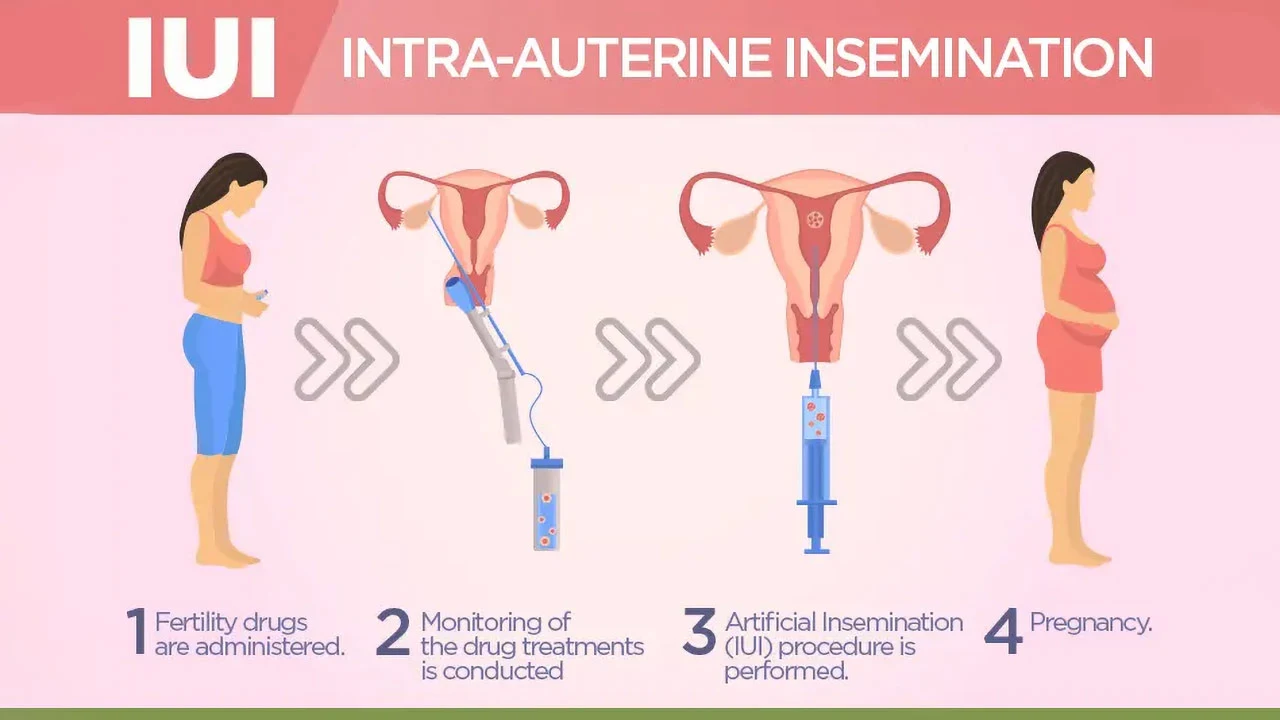
If you're exploring fertility treatment options, you've likely come across the term IUI. Intrauterine insemination, commonly known as IUI, is one of the most accessible and least invasive fertility treatments available today. For many couples and individuals struggling to conceive, IUI offers hope and a practical first step toward parenthood.
Intrauterine insemination (IUI) is a fertility procedure where specially prepared sperm is placed directly into a woman's uterus around the time of ovulation. Think of it as giving sperm a helpful head start on their journey to meet the egg.
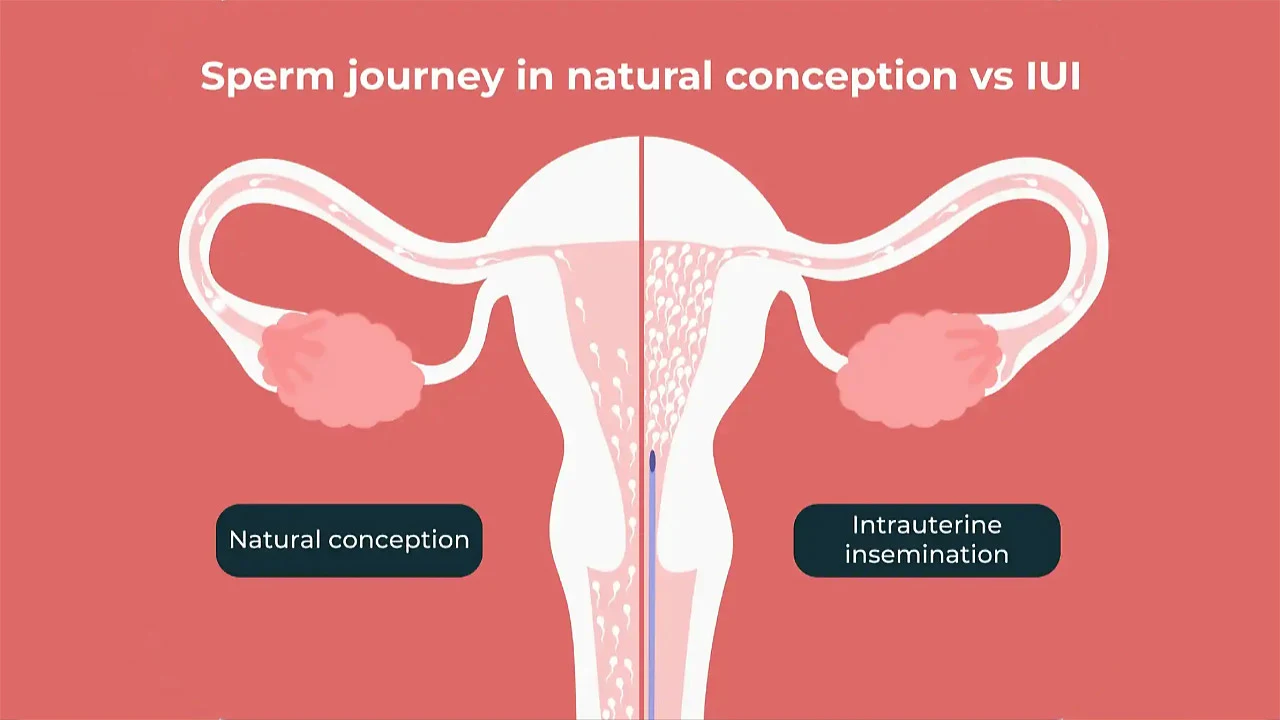
During natural conception, sperm must travel through the cervix and into the uterus before reaching the fallopian tubes, where fertilization occurs. IUI bypasses some of these obstacles by placing concentrated, healthy sperm closer to the egg, increasing the chances of fertilization.
This procedure is often recommended as a first-line treatment because it's:
IUI can be an effective solution for various fertility challenges. Your doctor might recommend this treatment if you're experiencing:
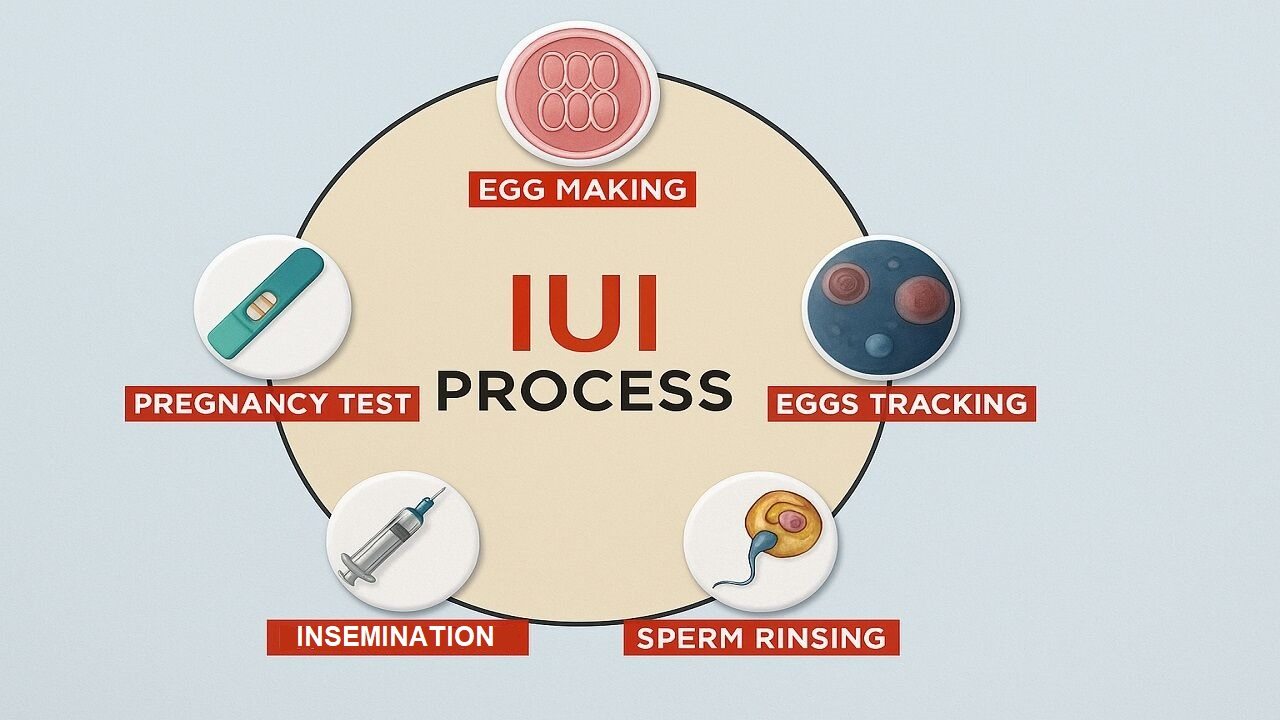
Understanding the step-by-step process can help ease anxiety and prepare you for treatment.
IUI success rates vary based on several factors, including age, underlying fertility issues, and whether fertility medications are used. On average:
It's important to remember that these are averages. Your individual circumstances, overall health, and specific fertility challenges will influence your personal success rate. Many couples achieve pregnancy within three to four cycles.
IUI is generally very safe, but like any medical procedure, it carries some minimal risks:
Your healthcare team will monitor you closely to minimize these risks and ensure the safest possible treatment.
If you've been trying to conceive for a year, or six months if you're over 35, it's time to consult a fertility specialist. IUI might be the right starting point for your fertility journey, offering a less invasive and more affordable option before considering more complex treatments.
According to FertilityIn, seeking help for infertility is a sign of strength, not weakness. Millions of people face similar challenges, and modern fertility treatments like IUI have helped countless families grow. Schedule a consultation with a reproductive endocrinologist who can evaluate your specific situation, answer your questions, and create a personalized treatment plan.
Your path to parenthood is unique, and with the right support and treatment, Intrauterine insemination (IUI) could be the bridge that helps you reach your dream of having a baby.


Natural cycle IUI, a fertility treatment that works with your body's natural ovulation without medications. This comprehensive guide explains the procedure, ideal candidates, step-by-step process, success rates, and benefits. Learn if this gentle approach to conception is right for your fertility journey and family-building goals.
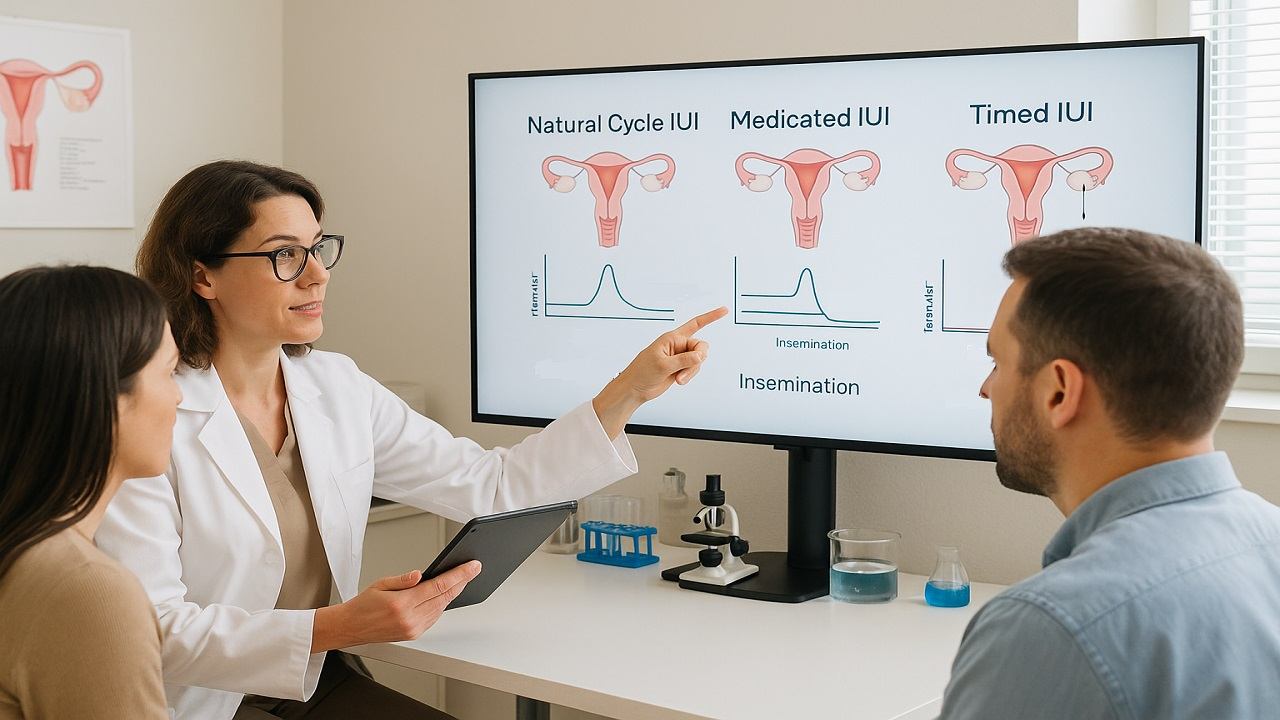
The various types of Intrauterine Insemination (IUI), including Natural, Medicated, and Timed IUI, detailing how each method works and their respective benefits. Understanding these types of IUI helps individuals and couples choose the right fertility treatment based on their specific needs and circumstances.
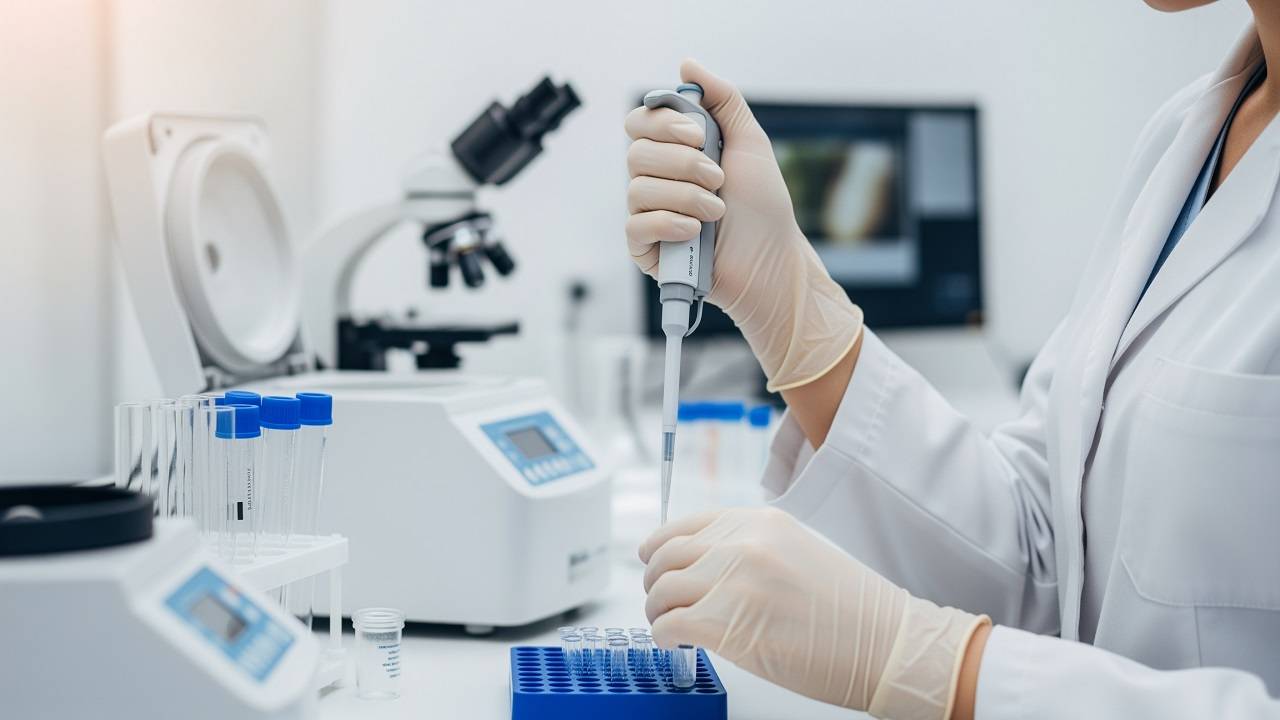
IUI with sperm washing is a fertility treatment where semen is carefully processed to isolate healthy, motile sperm before being placed directly into the uterus. This method improves fertilization chances by bypassing natural barriers and reducing harmful elements in semen. It is especially beneficial for couples facing mild male infertility, cervical issues, or unexplained infertility.
The process of Sperm Processing in Intrauterine Insemination (IUI) outlines the necessary steps, including collection, washing, and selection, to improve the quality of the sperm. Proper Sperm Processing in Intrauterine Insemination (IUI) increases the chances of successful fertilization and pregnancy, making it a vital part of the intrauterine insemination procedure.

The contributions of pioneers in reproductive medicine revolutionized IUI. From artificial insemination to ovulation induction, these pioneers in reproductive medicine played a crucial role in advancing fertility treatments. Their innovations made IUI a widely used and effective solution for infertility.

The complexities surrounding the use of donor gametes, including legal considerations, anonymity, and ethical dilemmas. It highlights how the use of donor gametes raises important questions about parenthood, child rights, and family dynamics in assisted reproduction.