Home
 ArticlesArticles
Countries leading in assisted reproduction are transforming the global IVF market through rapid growth, innovation, and policy support. With rising treatment access and technological progress, these nations are setting new benchmarks in affordability and clinical excellence, driving a powerful shift in the future of assisted reproduction by 2030.




The assisted reproduction landscape is experiencing a fundamental transformation. While the United States maintains its position as the largest single-market economy, India emerges as the fastest-growing powerhouse, Spain solidifies its European dominance, Japan demonstrates demographic necessity turning into market opportunity, and China's sheer scale creates unparalleled volume. These five nations will collectively shape the future of the global IVF market in 2030, each leveraging distinct competitive advantages to capture different segments of the approximately USD 42 billion industry.
The United States represents assisted reproduction's most economically valuable single market. Valued at approximately USD 8.5 billion in 2024, the U.S. fertility market is projected to reach USD 12-14.77 billion by 2030, representing a more modest 6.1-6.7% compound annual growth rate compared to India but a substantially larger absolute value. Through 2030, the United States will likely remain the single-country market leader in revenue.
U.S. clinics conduct over 320,000 IVF cycles annually, with projections reaching approximately 480,000 cycles by 2030. This substantial volume reflects America's combination of high per-cycle costs, extensive insurance coverage in select states, and employer-sponsored fertility benefits expanding at unprecedented rates.
The American fertility market's resilience stems from several entrenched advantages. First, technology leadership remains American. U.S.-based companies dominate artificial intelligence platforms for embryo selection (MAIA, Life Whisperer), preimplantation genetic testing capabilities, and advanced cryopreservation systems. American fertility clinics have first-mover advantages in deploying these technologies, creating quality differentiation.
Second, insurance coverage expansion is transforming market dynamics. Several states now mandate fertility benefit coverage through insurance plans. Additionally, employer-sponsored fertility benefits have expanded dramatically, with major corporations offering IVF coverage ranging from USD 5,000 to full coverage of procedures and medications. This coverage expansion dramatically increases treatment accessibility for insured populations, driving volume growth.
Third, the U.S. maintains the world's most sophisticated fertility clinic infrastructure with advanced diagnostic capabilities, specialized staff expertise, and comprehensive patient support services. These quality differentials justify premium pricing and attract international patients willing to travel for perceived superior outcomes.
While IVF treatment remains the dominant revenue generator, fertility preservation represents the fastest-growing segment. Egg freezing, driven by demographic trends toward delayed childbearing and corporate-sponsored egg-freezing benefits, is expanding at remarkable rates. The egg freezing market specifically is projected to reach USD 30.78 billion by 2035, growing at 16.7% annually.
The American market faces significant consolidation pressures. Private equity firms have aggressively acquired fertility clinic networks, building multi-clinic conglomerates pursuing economies of scale. This consolidation may reduce costs and improve efficiency but raises concerns about care personalization and physician autonomy.
Additionally, regulatory uncertainty regarding insurance mandates and reproductive policy creates volatility. Changes to state-level fertility legislation could significantly alter market dynamics by either expanding or restricting treatment access and insurance coverage.
Despite these uncertainties, American market leadership appears durable through 2030. The combination of technological innovation, insurance expansion, premium service positioning, and demographic support from delayed childbearing will sustain the U.S. as the fertility sector's largest revenue market.
China occupies the fifth position not due to growth rate but due to sheer scale. China performs approximately 1.3 million assisted reproductive technology procedures annually, more than four times India's current volume and more than triple the United States. The Chinese fertility market is valued at approximately USD 4.5 billion in 2024 and is projected to reach USD 7.6 billion by 2030.
This absolute market size makes China the world's largest treatment volume market despite modest per-cycle pricing and significant quality variation.
China's market significance stems from its population scale and evolving demographics. With approximately 1.4 billion people and declining birth rates, China faces demographic pressure comparable to Japan, albeit from a vastly larger population base. Rising disposable incomes have expanded fertility treatment access beyond wealthy urban populations to middle-class cohorts.
Government policy has shifted notably. Relaxation of previous one-child policies and recent statements supporting fertility treatment adoption signal policy recognition of infertility as a health issue requiring intervention. These policy shifts could accelerate treatment adoption in lower-income regions and smaller cities.
Despite massive volume, the Chinese fertility market faces significant challenges. Clinic quality varies dramatically, with leading urban centers (Beijing, Shanghai) operating world-class facilities while regional clinics maintain inconsistent standards. Regulatory oversight and standardization remain underdeveloped compared to Western markets.
Additionally, pricing remains highly variable with limited transparency, creating uncertainty for patients and complicating international comparisons. Government subsidies for certain treatments are limited and inconsistently applied across regions.
India unequivocally represents assisted reproduction's most dynamic market. Valued at USD 2.35 billion in 2024, India's IVF market is projected to reach between USD 4.9 billion and USD 5.03 billion by 2030, representing a staggering 13.5% compound annual growth rate. This acceleration dwarfs growth rates in mature Western markets and positions India for potential transformation into the world's largest ART market by volume within the decade.
The current treatment volume tells a compelling story. India annually conducts approximately 200,000 to 250,000 IVF cycles, a figure projected to nearly double to 400,000 cycles by 2030. This explosive volume growth reflects both domestic demand and India's emergence as the premier fertility tourism destination globally.
The convergence of multiple forces propels India's ascendancy. First, infertility prevalence is extraordinarily high despite limited awareness. Approximately 30 million Indian couples experience infertility, yet only 10% receive proper treatment, creating an enormous under-penetrated market. As awareness campaigns expand and societal stigma diminishes, treatment adoption will accelerate dramatically.
Second, affordability serves as India's decisive competitive advantage. While U.S. IVF cycles cost USD 12,000-15,000, Indian clinics offer comparable quality treatments for USD 2,200-4,500, a 70-80% cost reduction. Because of this price difference, India has become the world's fertility tourism capital, with patients from the Middle East, Africa, Europe, and even North America coming to Indian clinics for treatment.
Third, policy support has become increasingly explicit. The Assisted Reproductive Technology (Regulation) Act of 2021 established clear registration and certification standards, reducing patient risk while providing regulatory clarity that attracts investment. Several Indian states offer subsidized IVF treatments for low-income couples through government schemes, effectively expanding market reach to previously unserved populations.
Private equity and venture capital have recognized India's potential. KKR's USD 400-450 million agreement to acquire India IVF Fertility represents major institutional capital entering the Indian market. Venture-backed startups including India IVF (USD 1.25 million funding), Arva Health (USD 1 million funding), and Pozitivf (USD 20 million funding) are building clinic networks with streamlined technology platforms designed specifically for the Indian market context.
Clinical Innovation India has become a global center for fertility technology innovation. Indian clinics are rapidly adopting AI-assisted embryo selection, time-lapse imaging, preimplantation genetic testing, and digital traceability systems. This technology deployment, combined with lower operational costs, enables Indian clinics to offer advanced capabilities at accessible prices, a combination unavailable elsewhere globally.
Despite explosive growth potential, India faces obstacles. Affordability remains challenging for lower-income populations despite international cost advantages. Limited continuing medical education creates quality inconsistencies across different regions and clinic tiers. Regulatory enforcement mechanisms remain underdeveloped, creating variable compliance across the sector.
Nevertheless, India's trajectory appears irreversible. The combination of vast untreated demand, cost advantages, improving clinical expertise, supportive government policies, and increasing investment capital positions India as the decade's most important emerging market for assisted reproduction.
Japan presents a unique market profile. Despite a relatively small population of 125 million, Japan conducts approximately 450,000 IVF cycles annually, more than any other country except India. The Japanese fertility market is valued at USD 1.62 billion in 2024 and is projected to reach USD 2.6 billion by 2030, representing approximately 7% annual growth.
This extraordinarily high IVF utilization rate (3,600+ cycles per million population) far exceeds the United States (approximately 1,000 cycles per million) and most other developed nations. Japan has effectively transformed IVF from elective treatment to mainstream healthcare necessity.
The fundamental driver is demographic catastrophe. Japan's fertility rate of 1.37 children per woman ranks among the world's lowest, creating rapid population aging and workforce decline that threatens the nation's economic sustainability. Government officials increasingly view fertility treatment as a strategic tool for addressing demographic challenges.
Japanese policy has responded decisively. The government expanded health insurance coverage for IVF procedures, dramatically reducing out-of-pocket costs for patients. Prime Minister Yoshihide Suga's commitment to covering expensive reproductive therapies through national health insurance represents unprecedented policy validation of fertility treatment as a public health priority.
This policy shift fundamentally altered market economics. Previously, Japanese patients funded IVF privately at significant cost. Government insurance coverage has democratized access, dramatically expanding the addressable market to include middle-income and lower-income populations previously unable to afford treatment.
Japanese clinics operate under rigorous quality standards and maintain advanced technological capabilities. AI-assisted embryo selection and preimplantation genetic testing are rapidly being deployed across leading fertility centers. Japanese emphasis on precision and quality has created competitive differentiation based on outcome excellence rather than cost.
Despite growth potential, Japan's market faces intrinsic constraints. Population decline means the absolute number of reproductive-age women is shrinking, creating a contracting denominator for market expansion despite rising treatment penetration rates. This demographic headwind limits ultimate market size despite policy support and technology deployment. Additionally, Japan's aging society and fiscal constraints may eventually limit government subsidy expansion despite current commitments. The sustainability of public insurance coverage for IVF remains subject to budget pressures and political shifts.
Nevertheless, Japan will remain an important developed-market growth story through 2030, driven by policy support and technological innovation despite demographic constraints.
Spain represents Europe's fertility treatment powerhouse and the world's leading medical tourism destination for IVF. The Spanish fertility market is valued at approximately USD 1.2 billion in 2024 and is projected to reach USD 2.1 billion by 2030, representing a steady 6.9-7.8% compound annual growth rate. While smaller than the U.S. or projected Indian markets, Spain's significance lies in international patient flows and innovation leadership.
Spain performs over 149,000 fertility treatment cycles annually, with 35% serving international patients traveling specifically for treatment. This extraordinary international penetration exceeds any other country globally, making Spain the world's premier fertility tourism destination.
Multiple factors have established Spain's continental leadership. First, permissive legislation enables treatments unavailable in many other European nations. Spanish law allows anonymous egg and sperm donation, gestational surrogacy arrangements (for single women and same-sex couples), and treatment access regardless of marital or family status. This regulatory openness attracts patients from restrictive Northern European markets.
Second, donor availability is unparalleled. Spain's anonymous donation framework has created abundant egg and sperm donor supplies, enabling rapid cycle scheduling without lengthy waiting periods. Patients can often begin treatment within weeks rather than months or years, a critical advantage in fertility care where age-related fertility decline is time-sensitive.
Third, clinical quality is exceptional. Spanish fertility clinics operate under rigorous EU quality standards and participate in comprehensive outcome registries. Pregnancy rates achieve 25-30% per cycle for own-egg treatments and 50-55% for donor-egg cycles, competitive with any global market.
Spain's positioning as a "Goldilocks" destination, more affordable than Germany or France but maintaining excellent quality standards, has created powerful medical tourism dynamics. Treatment costs of USD 5,000-11,500 for basic IVF represent 50-70% savings compared to U.S. pricing while maintaining premium quality. This cost advantage, combined with accessibility for European patients (no jet lag, minimal travel logistics), drives substantial cross-border demand.
Spanish clinics have developed sophisticated medical tourism infrastructure including multilingual staff, accommodation coordination, and streamlined processes for international patients. This specialization has generated substantial foreign exchange earnings and positioned Spain as Europe's fertility sector ambassador.
Spain faces competitive pressures from both directions. Eastern European alternatives (Czech Republic, Poland) offer even lower costs, potentially capturing price-sensitive international patients. Simultaneously, emerging Asian destinations (India, Thailand) provide similar cost advantages with destination appeal, including cultural interest and luxury amenities.
Despite these competitive dynamics, Spain will likely maintain leadership through 2030 due to its established clinic networks, regulatory advantages, quality reputation, and the natural preference of European patients for nearby, culturally similar destinations. Spain's market will likely consolidate and professionalize, with fewer but larger clinics dominating the international patient market.

A Multi-Polar Future The global IVF market in 2030 will be characterized by multi-polar leadership rather than single-nation dominance. Each of the top five countries brings distinct competitive advantages: India's cost-driven growth for international and domestic patients, America's technology and premium positioning, Spain's medical tourism excellence, Japan's policy-driven accessibility, and China's unprecedented volume.
Together, these five nations will likely capture 65-70% of global ART market value through 2030, reshaping how humanity addresses fertility challenges. The competition among these markets will drive innovation, improve access, and ultimately benefit patients worldwide seeking assisted reproduction solutions.
For healthcare investors, policymakers, and entrepreneurs, these five countries represent the industry's critical focus points, markets where capital deployment, regulatory engagement, and technological advancement will determine the future of global fertility care.



Immunotherapy in restoring human fertility is emerging as a promising approach for addressing immune-related reproductive disorders. Recent clinical advances highlight its potential to improve implantation, pregnancy outcomes, and reproductive health, offering renewed hope for patients facing infertility linked to immune system dysfunction.

The smart fertility tracker market has transformed male fertility diagnostics, but how reliable are these devices? This report examines what at-home sperm tests actually measure, where they fall short compared to clinical analysis, and how men and couples can use them appropriately within a broader reproductive care pathway.

The distinct assisted reproductive technologies of Intrauterine Insemination (IUI), In Vitro Fertilization (IVF), and Intracytoplasmic Sperm Injection (ICSI). It outlines how each procedure works, the medical indications for their use, and their respective success rates. The importance of choosing the right treatment based on factors such as patient age, infertility diagnosis, and personal circumstances.

Assisted Reproductive Technology (ART), a groundbreaking medical field that provides solutions for individuals and couples facing fertility challenges. It defines ART, explains its core techniques such as In Vitro Fertilization (IVF) and Intracytoplasmic Sperm Injection (ICSI), and discusses clinical applications and success rates.

Common questions about pregnancy with polycystic ovary syndrome (PCOS) through IVF and IUI. It discusses PCOS-related infertility, success rates, treatment options, and the importance of personalised protocols. Emphasising holistic care and emotional support, it offers hope and insights for women navigating the challenges of PCOS.

The potential of stem cells to improve ovarian reserve and egg quality, focusing on their application in women with diminished fertility. It discusses how mesenchymal stem cells and other stem cell therapies can rejuvenate ovarian function by enhancing the ovarian environment, promoting tissue repair, and stimulating follicle growth. While the therapy shows promise, the article emphasizes the need for more extensive studies to understand its efficacy and safety.
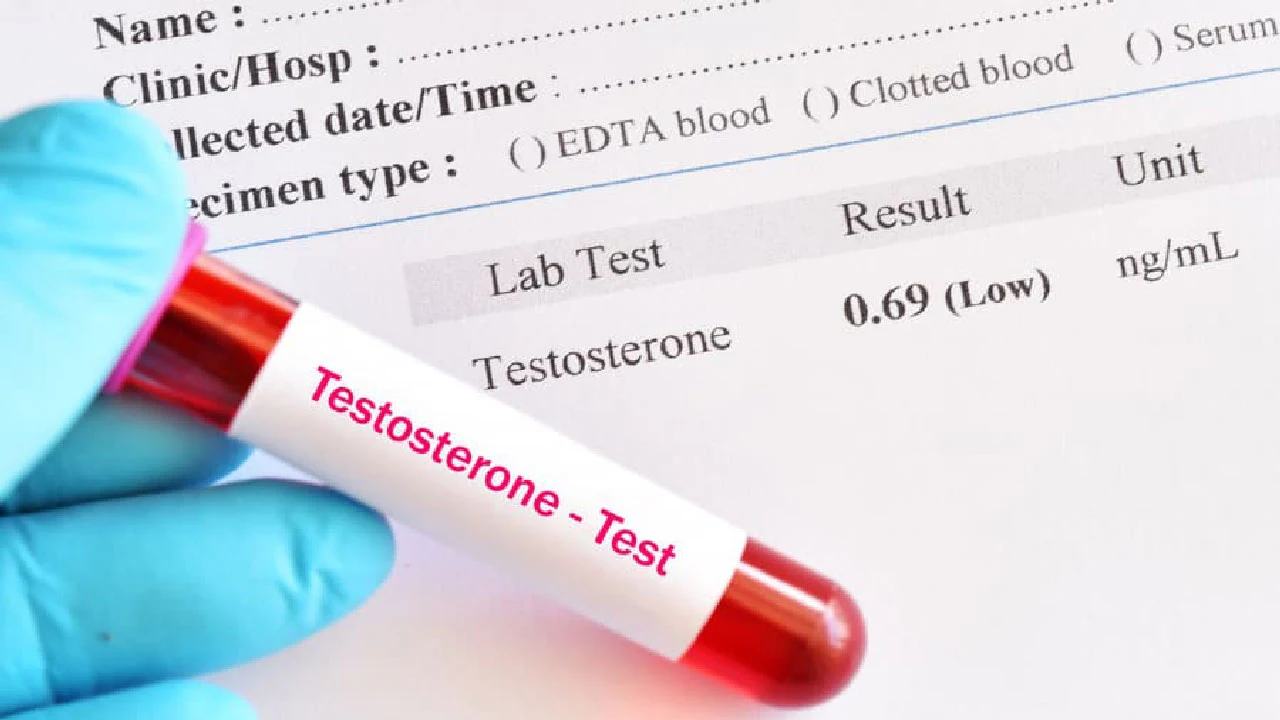
Clinical pearls for treating infertility and low testosterone in men, emphasizing reproductive goal assessment, empiric medical therapies, and comprehensive multidisciplinary management strategies.