Home
 ArticlesArticles
Lifestyle-centered weight loss aligns with healthier semen profiles, while surgery and pharmacotherapy show mixed, uncertain fertility effects, focusing on metabolic steadiness, nutrient sufficiency, and individualized planning helps align weight loss with real reproductive outcomes.




The way a man loses weight matters to his fertility because different strategies influence semen quality and reproductive potential in distinct, sometimes opposing, ways. Lifestyle change tends to support healthier sperm profiles, while rapid or surgical weight loss does not consistently translate into better semen parameters or conception outcomes.
Not all weight loss is equal for male reproductive health, and relying on the number on the scale obscures how interventions shape hormones, oxidative stress, micronutrient status, and the testicular environment. Evidence synthesizing surgical, pharmacological, and lifestyle approaches shows that improvements in semen quality cluster around nutrition and exercise programs, whereas bariatric surgery and current pharmacotherapy produce mixed or uncertain effects on standard sperm measures and reproductive endpoints.
Lifestyle-focused programs that prioritize nutrition quality, moderate exercise, and manageable energy restriction are consistently linked with better semen morphology and progressive motility, two parameters closely associated with functional fertility. These gains emerge across randomized and quasi-experimental trials, indicating that what men eat and how they move can recalibrate reproductive physiology beyond simple weight change. The way a man loses weight matters to his fertility when the chosen plan reduces oxidative stress, supports hormonal balance, and sustains testicular function.
Key takeaways from lifestyle interventions:
Bariatric surgery is highly effective for significant weight loss and cardiometabolic improvement, yet its signal on male fertility markers is inconsistent. Aggregated pre-post analyses across multiple cohorts show no clear, clinically meaningful gains in standard semen parameters or sperm DNA damage after surgery, despite large reductions in body mass. The way a man loses weight matters to his fertility here because rapid weight loss, altered nutrient absorption, and postoperative catabolism can complicate testicular recovery and sperm maturation timelines.
What the synthesis shows for bariatric surgery:
Weight-loss medications and insulin-sensitizing agents are increasingly used, but current evidence remains limited and varied in design and duration. Small studies of metformin and liraglutide show mixed or insufficient effects on key semen parameters, and there is not yet a consistent narrative that ties pharmacologic weight loss to better conception outcomes. The way a man loses weight matters to his fertility because agents that modify appetite, glycemia, or energy balance may shift hormones and oxidative stress differently than a balanced diet and exercise do.
Signals to watch with medications:
Most studies still use semen analysis as a surrogate for reproductive capacity, while direct outcomes like time to pregnancy or assisted reproduction success remain underreported. This gap matters because men often pursue weight loss specifically to conceive, and semen metrics do not always predict fecundity in a straightforward way. The way a man loses weight matters to his fertility to the extent that it supports outcomes that couples care about: fertilization, implantation, and ongoing pregnancy.
Practical implications of the evidence gap:
Lifestyle approaches often nourish the hypothalamic–pituitary–gonadal axis, reduce systemic inflammation, and strengthen antioxidant defenses, all of which support sperm formation and function. Surgical and some pharmacologic routes can produce abrupt metabolic shifts, altered absorption, or hormonal fluctuations that may not immediately favor spermatogenesis. The way a man loses weight matters to his fertility because interventions differ in how they modulate oxidative stress, energy availability during spermatogenic cycles, and the micronutrients crucial to sperm DNA integrity.
Mechanistic themes:
For men who want to conceive, the priority is choosing an approach that supports sperm quality over the entire spermatogenic window. The way a man loses weight matters to his fertility because consistency and metabolic steadiness typically outperform drastic swings. When surgery or medication is indicated for broader health reasons, personalized fertility planning, including baseline semen testing and timely cryopreservation, can preserve options while weight loss proceeds.
Actionable guidance:
Health leaders, fertility clinics, and benefits managers should align preconception pathways around lifestyle-first support and multidisciplinary care. Integrating dietitians, exercise physiologists, and andrology services can help ensure that weight-loss success translates into reproductive gains. The way a man loses weight matters to his fertility, so programs should be evaluated not only by weight change but also by improvements in semen function and achievement of pregnancy goals.
Program design considerations:
Weight loss can be a powerful lever for men pursuing parenthood, but the route taken shapes reproductive potential in meaningful ways. The current synthesis points to lifestyle interventions as the most consistent path to healthier semen profiles, with surgery and medications requiring individualized planning, rigorous monitoring, and fertility safeguards when appropriate. The way a man loses weight matters to his fertility because reproductive physiology rewards steady, nutrient-replete, and stress-conscious change over rapid, disruptive shifts.


Immunotherapy in restoring human fertility is emerging as a promising approach for addressing immune-related reproductive disorders. Recent clinical advances highlight its potential to improve implantation, pregnancy outcomes, and reproductive health, offering renewed hope for patients facing infertility linked to immune system dysfunction.
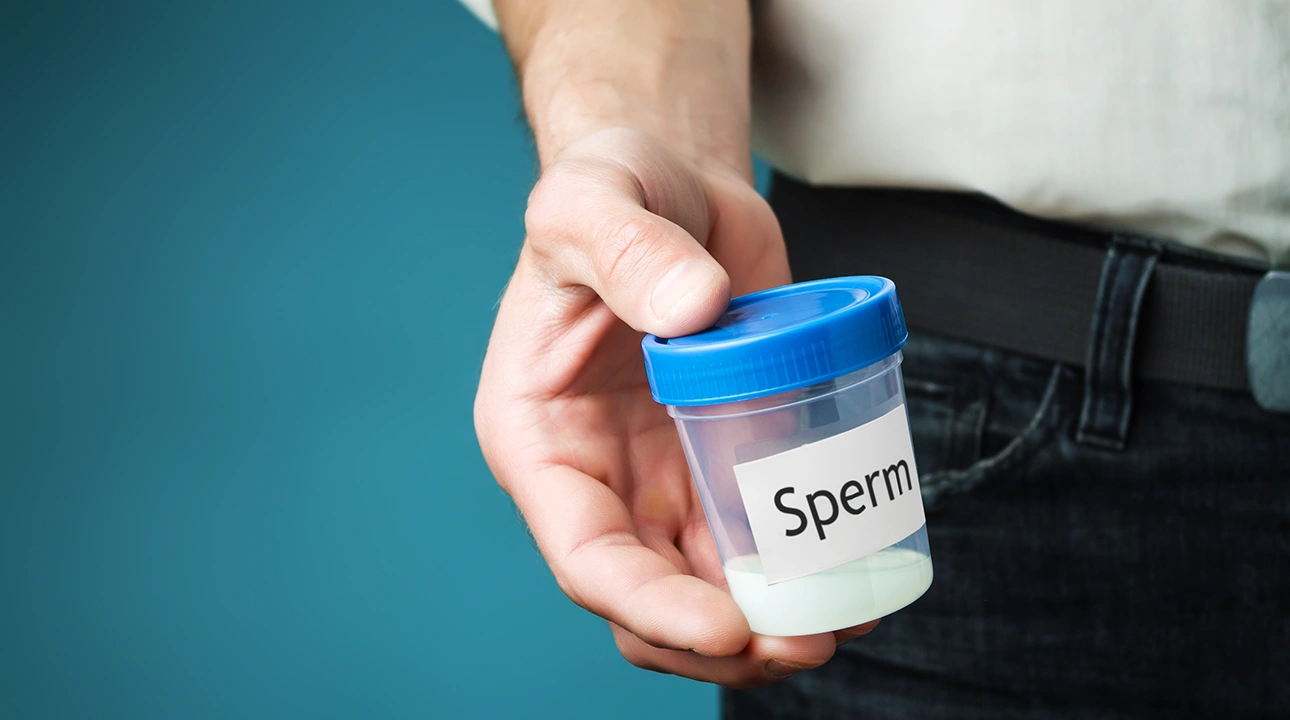
The smart fertility tracker market has transformed male fertility diagnostics, but how reliable are these devices? This report examines what at-home sperm tests actually measure, where they fall short compared to clinical analysis, and how men and couples can use them appropriately within a broader reproductive care pathway.

The distinct assisted reproductive technologies of Intrauterine Insemination (IUI), In Vitro Fertilization (IVF), and Intracytoplasmic Sperm Injection (ICSI). It outlines how each procedure works, the medical indications for their use, and their respective success rates. The importance of choosing the right treatment based on factors such as patient age, infertility diagnosis, and personal circumstances.

Assisted Reproductive Technology (ART), a groundbreaking medical field that provides solutions for individuals and couples facing fertility challenges. It defines ART, explains its core techniques such as In Vitro Fertilization (IVF) and Intracytoplasmic Sperm Injection (ICSI), and discusses clinical applications and success rates.

Common questions about pregnancy with polycystic ovary syndrome (PCOS) through IVF and IUI. It discusses PCOS-related infertility, success rates, treatment options, and the importance of personalised protocols. Emphasising holistic care and emotional support, it offers hope and insights for women navigating the challenges of PCOS.

The potential of stem cells to improve ovarian reserve and egg quality, focusing on their application in women with diminished fertility. It discusses how mesenchymal stem cells and other stem cell therapies can rejuvenate ovarian function by enhancing the ovarian environment, promoting tissue repair, and stimulating follicle growth. While the therapy shows promise, the article emphasizes the need for more extensive studies to understand its efficacy and safety.
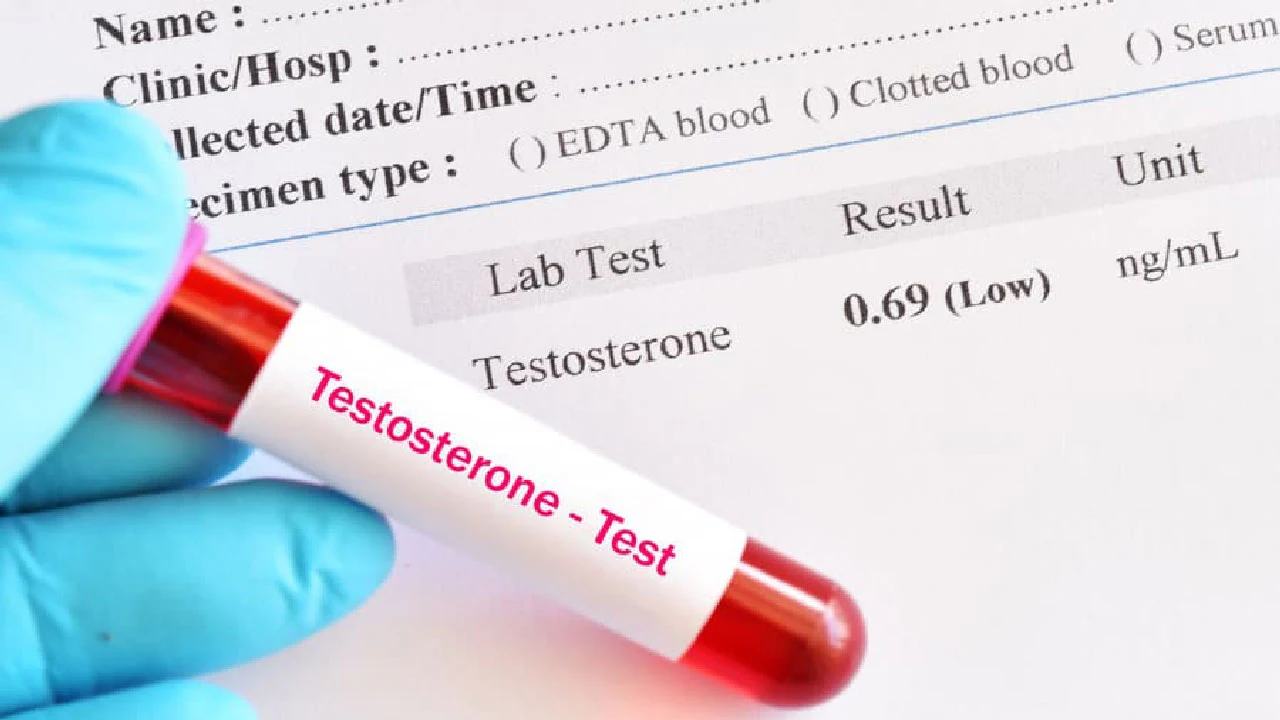
Clinical pearls for treating infertility and low testosterone in men, emphasizing reproductive goal assessment, empiric medical therapies, and comprehensive multidisciplinary management strategies.