Home
 ArticlesArticles
The growing role of robotics in In Vitro Fertilization (IVF), showcasing its impact on improving precision and efficiency in procedures like egg retrieval and embryo transfer. By minimising human error and enhancing consistency, robotics in IVF offers better patient outcomes and streamlines fertility treatments, marking a significant step forward in reproductive medicine.



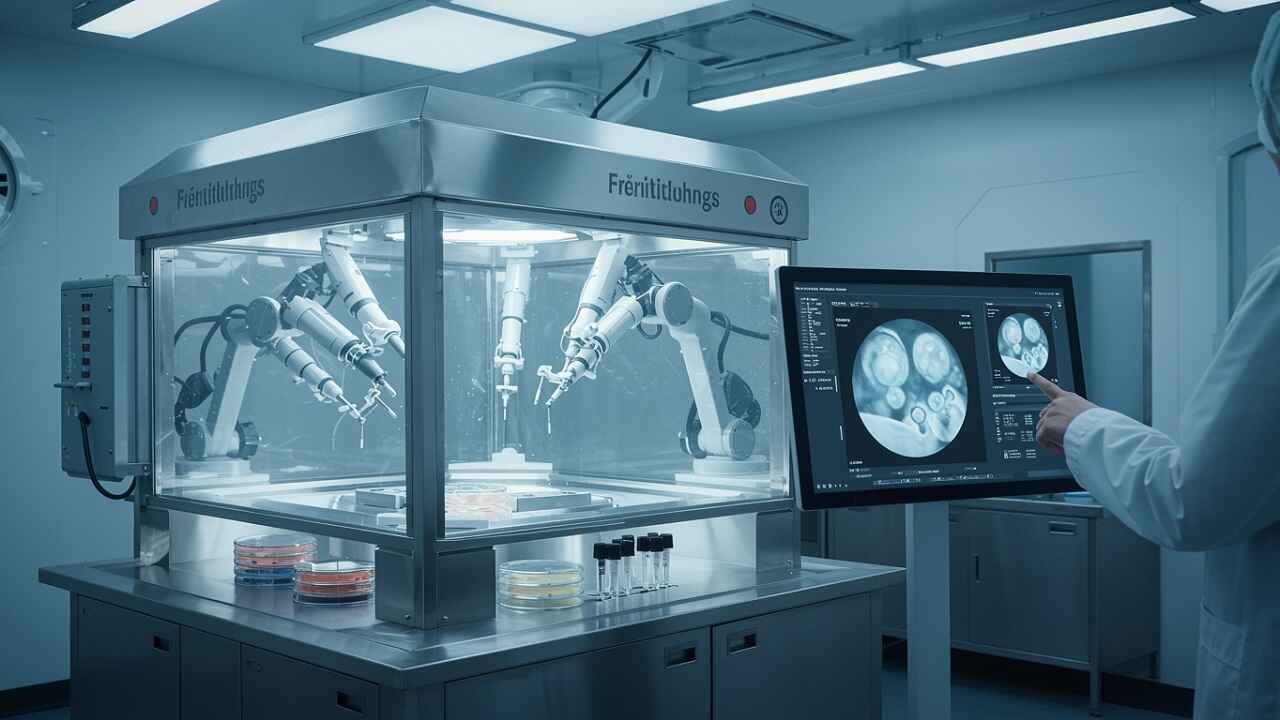
Whether it’s a new method or a fancy gadget, the field of reproductive medicine is awash in new tech, which researchers hope will improve outcomes and simplify complicated processes. One of the advancements is the use of robotics in In Vitro Fertilization (IVF). Robotics is already taking the medical field by storm, using miniature surgical robot equipment for operations, for which they have revolutionized many aspects of modern medicine, and it is now spreading its wings in IVF also to optimise its process for accuracy, efficiency, and reduction in human error. Robotics is helping streamline everything from egg retrieval to embryo transfer, optimizing the frail procedures needed in assisted reproduction for the benefit of both patients and fertility experts.
Robotics in IVF refers to the use of robotic systems or tools to assist with various steps in the process. These robotic systems are designed to perform tasks with extreme precision and minimal invasiveness, and they can significantly improve both the efficiency and accuracy of procedures. While robotic systems cannot replace human fertility specialists, they serve as powerful tools that complement the skills and knowledge of clinicians, ensuring optimal outcomes for patients.
Robotics can help with several stages of the IVF process. The following are the areas where robotics is making an impact:
Egg retrieval is the removal of eggs from a woman's ovaries for an IVF procedure. Egg retrieval is routinely done through a thin needle that passes through the vaginal wall while a probe shows the location on the ultrasound. Although this procedure is fairly simple, it must be performed with extreme care and precision to not damage surrounding tissues.
This is where the magic lies, and robotics help to make the process more polished. With each, a robotic arm and precision instruments help visualize and place the needle accurately, which helps lower the risk of complications. Robotics also provides for smoother, less invasive procedures that aid in faster recovery for patients. The robotic systems can also assist in regulating the needle's speed and pressure, leading to more consistent results.
Robots are increasingly performing the embryo culture phase of IVF. In standard IVF, embryos are cultured in incubators that are monitored by hand. Yet robotic systems can take over tasks like tracking embryos during key phases of development, supplying developing embryos with real-time information about how they are doing. This allows embryologists to monitor multiple embryos at once without disturbing the culture environment on a frequent basis.
Certain high-end robotic systems utilize artificial intelligence (AI) and machine learning algorithms for assessing embryo quality by analysing characteristics like cell division patterns, morphology, and various other biological markers. This technology enables embryo viability to be better assessed, which may enable clinicians to select the best embryos for transfer and could ultimately improve the success of IVF.
Embryo transfer: One of the most important aspects of IVF is transferring the transferred embryo(s) into the uterus of the woman. This is traditionally a very tricky process, as it needs to be carefully navigated to ensure the embryo is placed correctly within the uterine cavity.
Robotic systems improve embryo transfer by providing better control of the fragile catheter that conveys the embryo. Robotic assistance helps fertility specialists to guide the catheter more accurately, a task that carries a risk of uterine lining damage and provides a better chance of getting an embryo successfully implanted. Robotic technology also enables smoother, more controlled movements, which can be particularly beneficial in transferring embryos to women with complex uterine anatomy.
Before transferring embryos to the uterus, PGT (Preimplantation Genetic Testing) is a procedure that checks for genetic disorders. PGD and PGS if you have a history of genetic condition or recurrent miscarriages, PGD For Chromosomal Disorders, PGN – For Genetic Disorders PGD/PGT is an integral part of IVF for those with a previous history of genetic conditions or recurrent miscarriages. Traditionally, this type of testing means examining cells from embryos in the lab.
Robotics has substantially moved forward toward automating some portions of this testing, especially following embryo handling and processing for genetic analysis. Robotic systems can pick and manipulate embryos with high precision and, thanks to high-accuracy actuators and low mass, with little disturbance to ensure the integrity of genetic material. This reduces the chance of human error, as well as ensuring embryos are tested in the most accurate way possible.
Benefits of Robotics in IVF Robotics is revolutionizing a wide variety of industries, and the field of reproductive technology is no different. Some of the main advantages are

Robots can do such sensitive work with unprecedented accuracy. Be it egg retrieval, embryo transfer, or handling embryos for genetic testing, robotics can minimize the risk of errors that may affect the treatment outcome. In IVF, even the slightest mistake can determine whether the procedure succeeds or fails, making precision a crucial element.
Robotic systems, designed for accuracy, minimize complications during IVF tasks. With less-invasive techniques, like robotic egg retrieval and embryo transfer, patients may have fewer complications, like infection, injury to surrounding tissues, or bleeding. Robotic approaches also enable more delicate and controlled operations, contributing to reduced recovery times for patients.
Although human error will always play a part in every medical procedure, robotics can help eliminate this variable as routine tasks are performed similarly every time. These robotic systems adhere strictly to defined protocols, and their deviations can be monitored in real time, enabling real-time quality control. The robotic systems are consistent, which means the outcome of treatment in total can be better, leading to higher success rates.
Patients will ultimately find a faster and more comfortable experience with robotics, he said. Less invasive procedures allow for quicker recovery time, less discomfort, and fewer trips to the clinic. This reduction in the number of IVF cycles not only has the potential to alleviate emotional stress but can also lead to financial savings for patients undergoing fertility treatments, making the entire process more accessible and sustainable.
In IVF clinics with robotics being used, the procedures that are performed can be done so in a more efficient manner, ultimately meaning that the clinic can serve more patients without sacrificing quality of care. Automated systems continuously monitor embryos and reduce the need for manual assessments multiple times a day, allowing embryologists to focus their precious time on other tasks. This leads to a more efficient process flow, eventually benefiting patient outcomes.
Though robotics in IVF has abundant benefits, there are still a few things to take into account:
This is an exciting new development in the role of robotics in IVF procedures that has the potential to increase success rates, mitigate risks, and further improve the patient experience. By bringing greater precision, efficiency, and consistency to key aspects of IVF from egg retrieval to embryo transfer, robotics is playing a major role in the future of assisted reproduction. There remain some technical difficulties to be tackled, but there is no doubt that the introduction of robotics in reproductive medicine is a burgeoning field that promises to improve the effectiveness and accessibility of fertility treatment throughout the world. IVF: The Next Generation WWith each advancement in technology, including robotics, the potential to enhance the IVF process is limitless, filling the future with hope for individuals trying to build their families through assisted reproduction.



Advanced female age causes fertility decline through reduced egg quantity, increased chromosomal abnormalities, and mitochondrial dysfunction. Understanding these biological mechanisms helps women make informed family planning decisions. Modern fertility treatments including IVF, preimplantation genetic testing, and egg freezing offer practical solutions to overcome age-related reproductive challenges when trying to conceive.
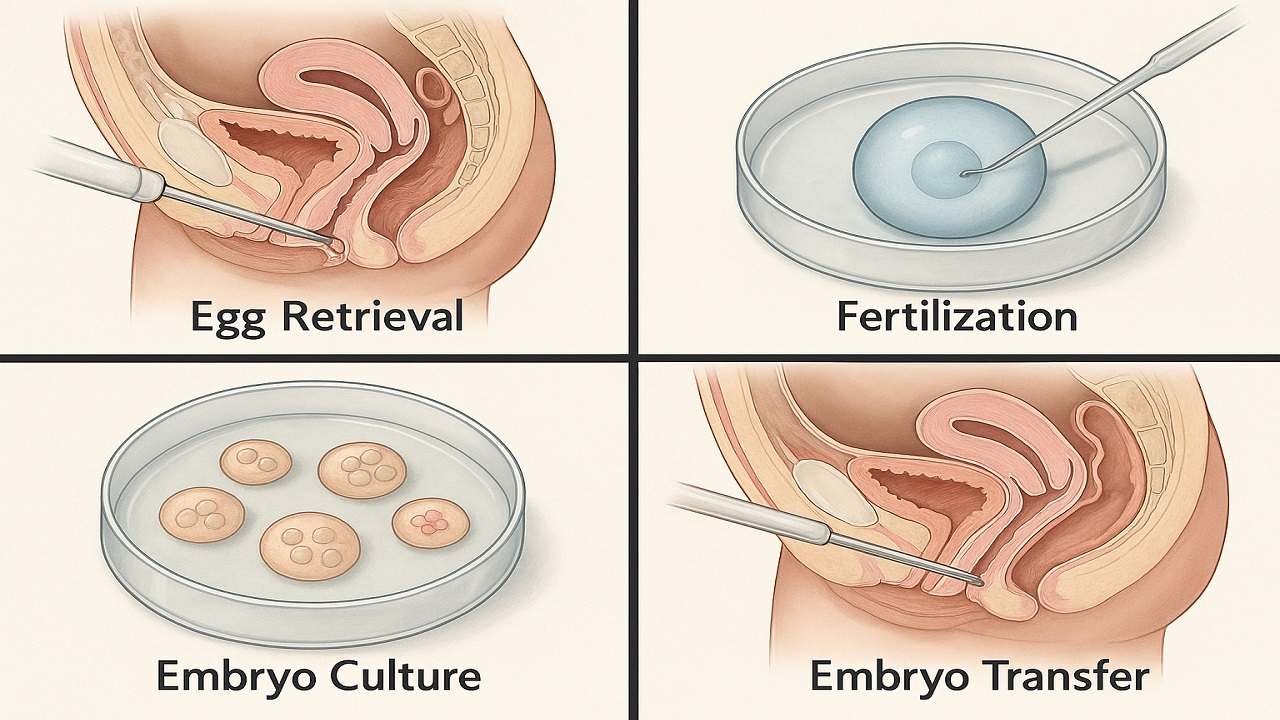
In Vitro Fertilization (IVF) process step by step, emphasising the importance of various stages such as ovarian stimulation, egg retrieval, fertilization, and embryo transfer in maximising the In Vitro Fertilization (IVF) Success Rate. It highlights how a thorough understanding of the procedure can prepare couples and individuals for their In Vitro Fertilization(IVF) journey, ultimately improving their chances of achieving a successful pregnancy.

Vitamin D Deficiency Affect IVF outcomes by influencing endometrial receptivity, embryo quality, and hormone balance. Clinical evidence, age-specific risks, and PCOS implications, while offering actionable strategies to optimize Vitamin D levels and improve IVF success rates and pregnancy outcomes in a structured, patient-focused approach.
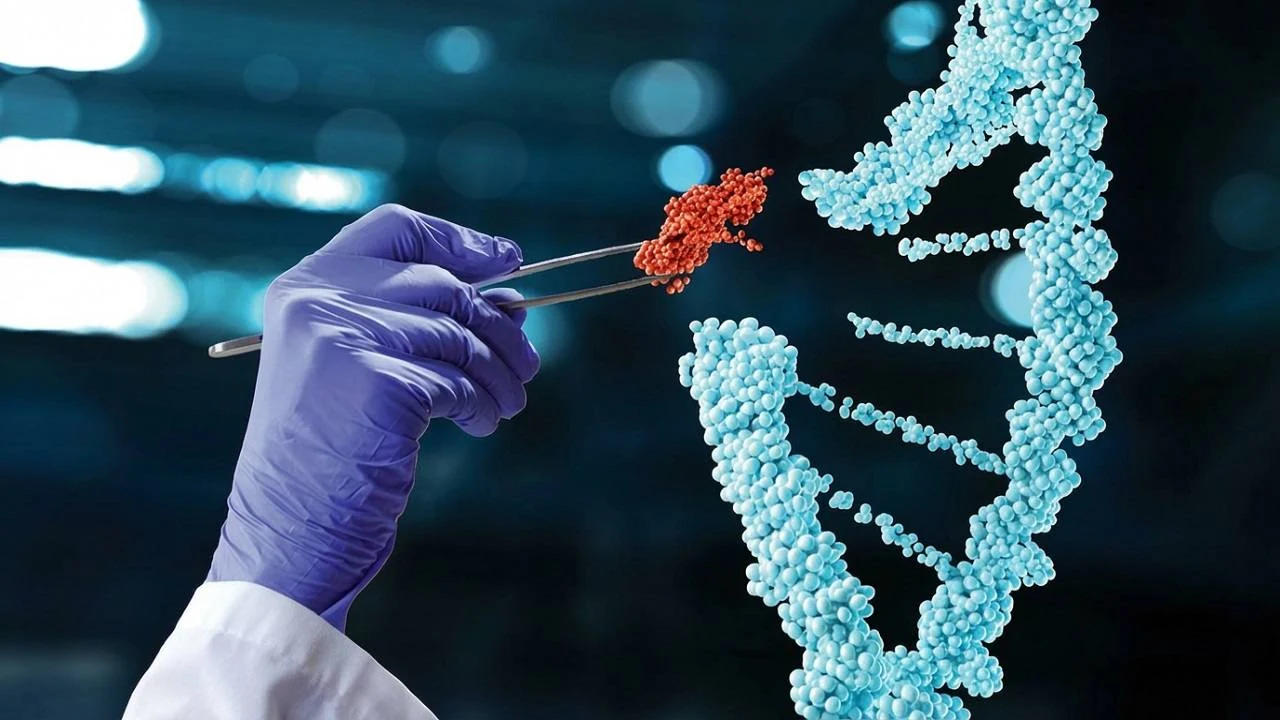
Preimplantation Genetic Testing (PGT) revolutionizes IVF by screening embryos for chromosomal abnormalities and genetic disorders before transfer. This advanced technology increases pregnancy success rates, reduces miscarriage risk, prevents inherited diseases, and shortens time to pregnancy while providing diagnostic clarity and reducing emotional stress for couples.

Clinical evidence increasingly demonstrates that emotional stress or grief reduces the chances of IVF success through sophisticated biochemical pathways that directly influence reproductive physiology. This relationship extends far beyond simple correlations, revealing profound mechanistic connections between psychological distress and the delicate orchestration of hormonal events essential for successful conception.
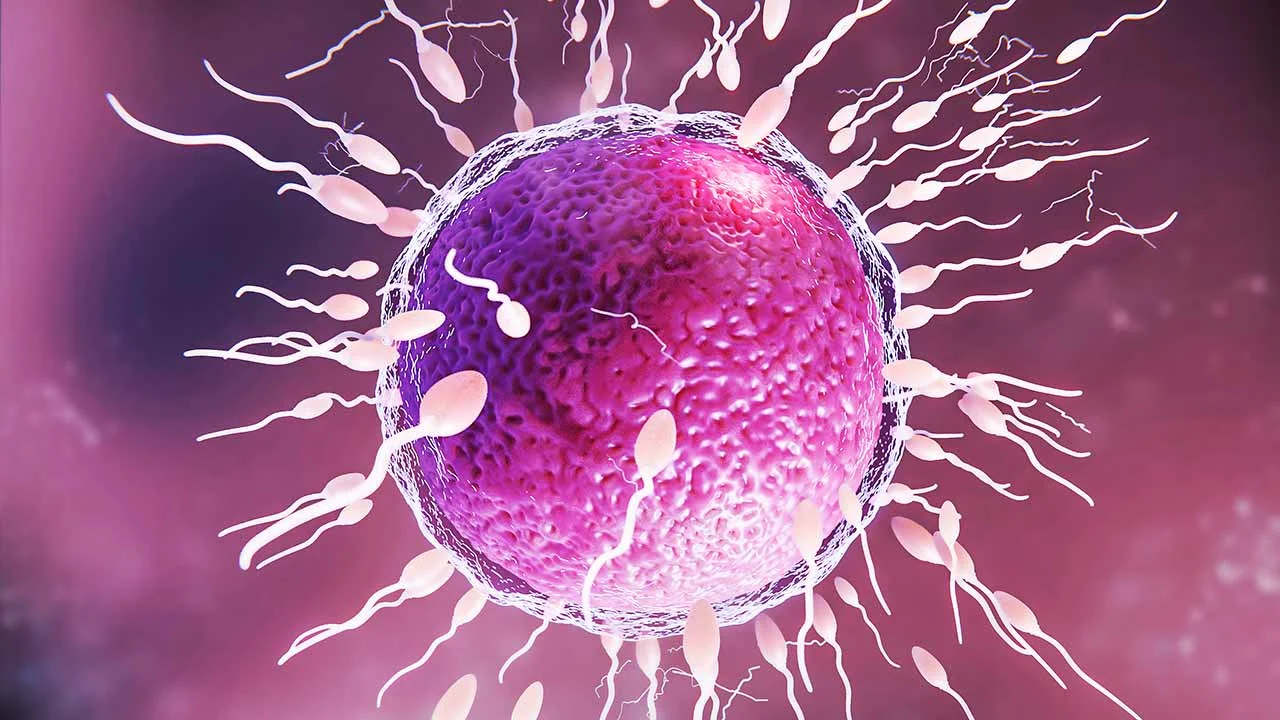
IVF in 2025 is shifting from hype to evidence-based innovation. As precision, automation, AI, and genetic advances reshape fertility care, patients must distinguish proven breakthroughs from outdated add-ons. This guide examines five groundbreaking IVF technologies in 2025 to understand which advances genuinely improve outcomes

Managing Recurrent Implantation Failure (RIF) outlines evidence-based diagnostics and treatment pathways to improve IVF success rates, emphasizing clarity, cautious use of add-ons, and realistic patient expectations.