Home
 NewsNews
Conceivable Life Sciences' AURA, world's first AI-powered automated IVF lab, has successfully delivered 18 healthy babies since April 2025. The revolutionary robotic system automates 200+ IVF steps with unprecedented precision, promising to make fertility treatment more accessible, affordable, and consistent while eliminating human error in embryo creation.



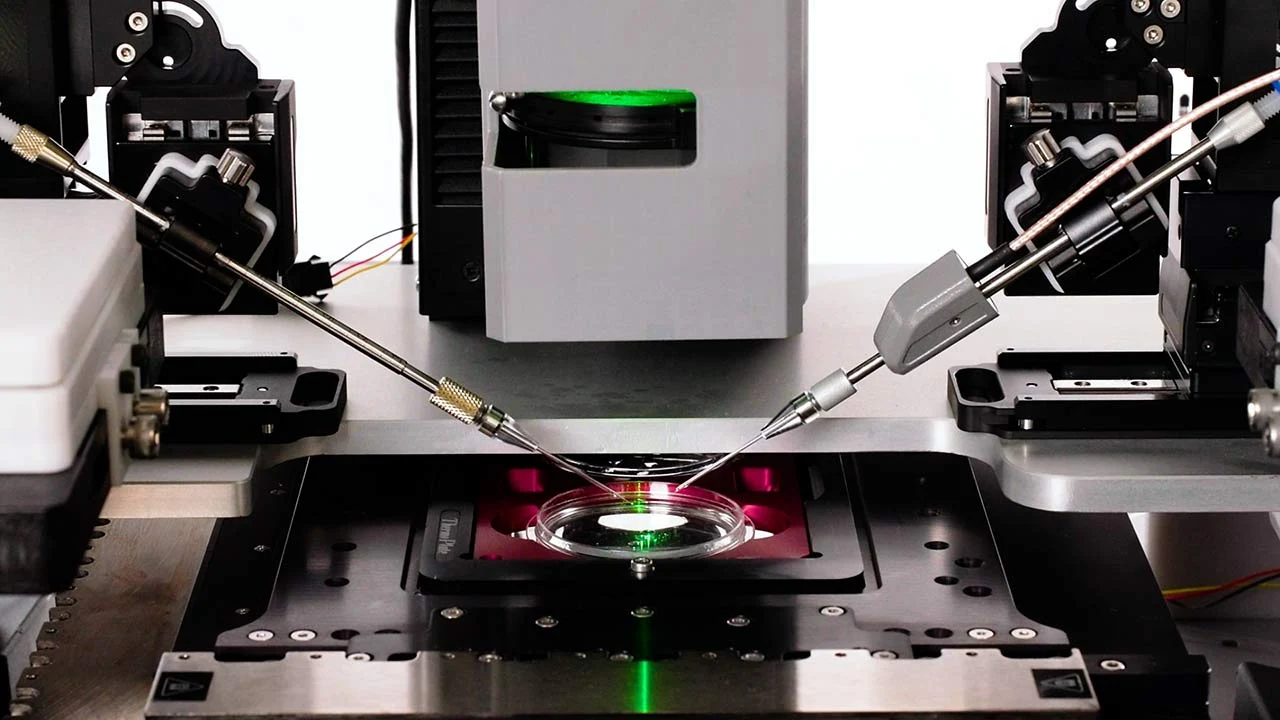
In a development that sounds like science fiction but is very much our reality, the world has witnessed the birth of its first AI-assisted babies. This isn't about algorithms predicting genetic outcomes or virtual consultations this is about artificial intelligence and robotics physically creating life, one embryo at a time.
Conceivable Life Sciences, a groundbreaking startup that recently secured $50 million in funding, has developed AURA, World's First AI-Powered Automated IVF Lab process from start to finish. Since April 2025, 18 healthy babies have been born using this revolutionary technology, marking a pivotal moment in reproductive medicine.
The significance of this achievement cannot be overstated. For decades, IVF has been a delicate, manual procedure requiring extraordinary precision from fertility specialists. It's essentially single-cell surgery performed under a microscope, where doctors manually manipulate eggs and sperm with instruments finer than human hair. One trembling hand, one moment of fatigue, one miscalculation and an entire cycle can fail, taking with it the hopes and dreams of prospective parents.
Aura transforms this high-stakes process through a combination of artificial intelligence, advanced robotics, and machine vision technology. The system handles over 200 distinct steps in the IVF process with robotic precision, from initial fertilization through to embryo cultivation. Unlike human practitioners, Aura doesn't experience fatigue, doesn't have shaking hands, and eliminates the randomness inherent in manual procedures.
This isn't theoretical technology waiting for approval or years of testing. The proof is already here: 18 healthy babies born, with another 100-patient trial currently underway. Early reports from doctors involved in these trials describe the results as "very promising," suggesting we're on the cusp of a fundamental shift in how fertility treatment is delivered.
Beyond the technological marvel, Aura addresses a critical accessibility issue in fertility care. Currently, a single IVF cycle costs between $12,000 and $25,000 in the United States, and success is far from guaranteed. Many couples require multiple cycles, pushing the total cost well beyond $50,000 or even $100,000. This financial barrier means that for millions of people, biological parenthood remains an impossible dream.
By standardizing and automating the process, AI-driven systems like Aura promise to make fertility treatment cheaper, faster, and more consistent. When every step is performed with identical precision, success rates should theoretically improve while costs decrease. We could be looking at the democratization of fertility care, making it accessible to families who previously couldn't afford it.
There's something profoundly poetic yet unsettling about this development. Creating life is perhaps the most intimate, human experience imaginable. Now, we're entrusting that process to machines and algorithms. It raises philosophical questions about the nature of conception, the role of technology in our most personal moments, and what it means to be human in an increasingly automated world.
Yet for couples struggling with infertility, a condition affecting millions worldwide, these philosophical concerns may pale in comparison to the possibility of holding their own child. If AI can help where human hands have failed, is that not a triumph of human ingenuity itself?
Conceivable Life Sciences plans to bring AURA, World's First AI-Powered Automated IVF Lab to the United States next year, potentially transforming fertility care from an art into a precise, data-driven science. If successful, we may be witnessing the beginning of the end of infertility as an insurmountable medical challenge.
For the first time in human history, artificial intelligence isn't just changing how we live our lives it's helping us create new ones. The future of fertility isn't coming; it's already here, and it just had its first birthday.



India's Central Drugs Standard Control Organisation has overhauled CDSCO IVF reagent sale norms, directing that all ART media, culture solutions, and reagents be supplied exclusively to clinics registered under the ART (Regulation) Act and Surrogacy (Regulation) Act. The move targets a growing unlicensed supply chain feeding an estimated 40–50% of India's 2,000-plus IVF centres.
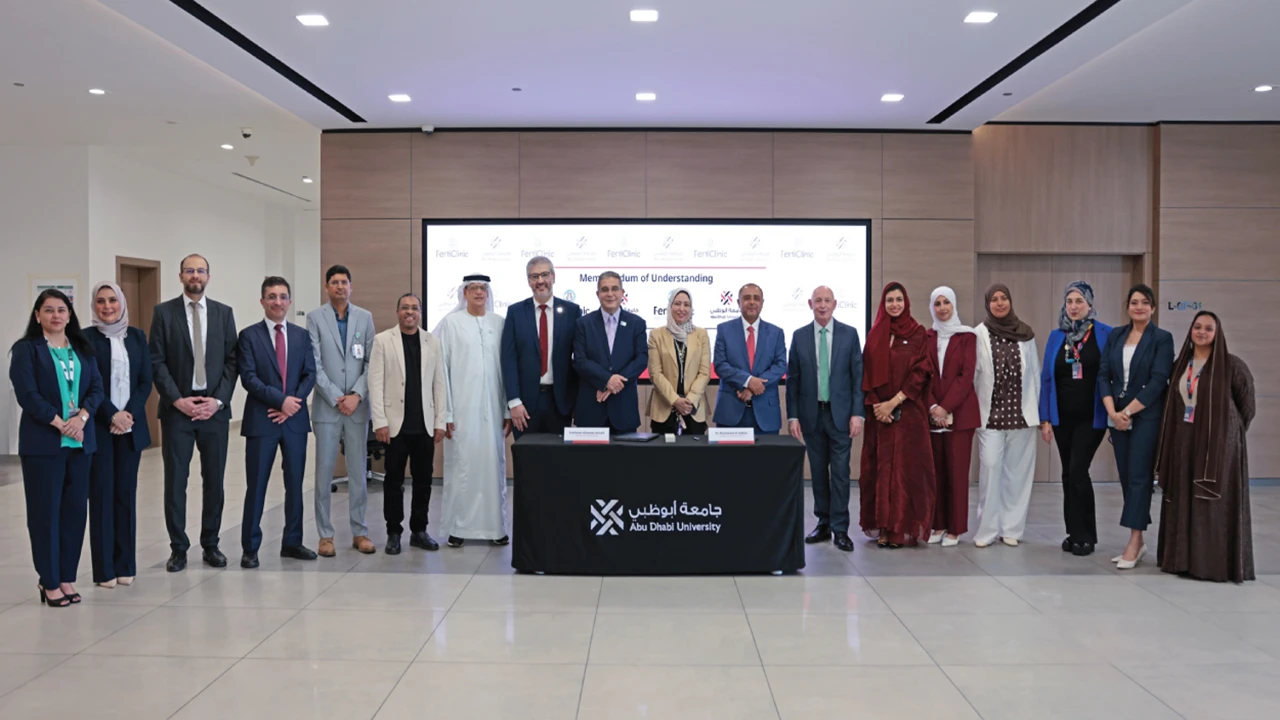
Abu Dhabi University and FertiClinic Group have joined forces to establish the FertiClinic Reproductive Research Lab, an advanced reproductive research lab in Abu Dhabi housing IVF, andrology, and cryopreservation facilities. The partnership supports UAE national priorities, bridges academic and clinical expertise, and advances fertility innovation across the region.

NHS Kent and Medway has overhauled its fertility funding policy in a move that sees NHS cuts IVF access for thousands of patients. Effective 1 April 2026, the eligible age ceiling drops from 40 to 38, funded cycles fall from two to one, and embryo transfers are capped at two.
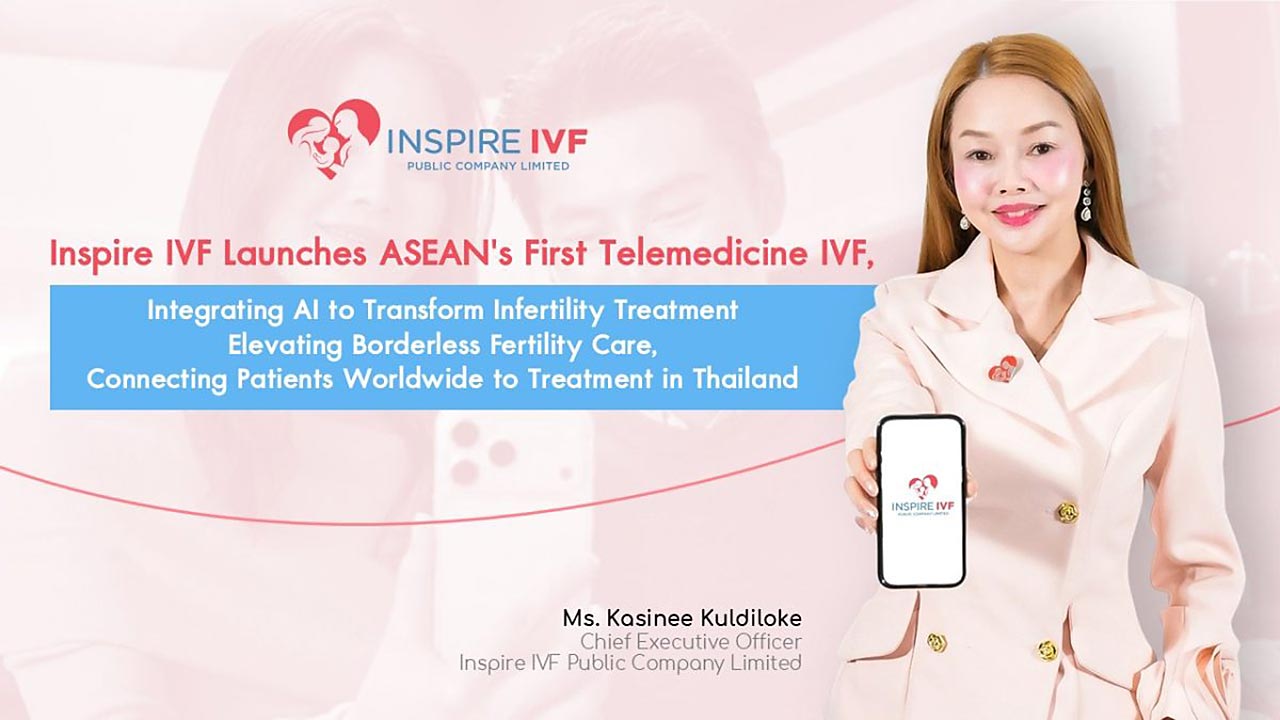
ASEAN's First Telemedicine IVF by Inspire IVF introduces a new era of remote fertility care. Combining AI technology with expert consultation, the platform enables global access, real-time monitoring, and personalised treatment planning, positioning Thailand as a leading hub for fertility services and advancing digital transformation in reproductive healthcare.
CSG.BIO has gone ahead with the acquisition of Hanabusa IVF, Asian Egg Bank, thereby making it a world leader in reproductive medicine and cutting-edge clinics with enhanced patient reach and advanced laboratory capabilities.
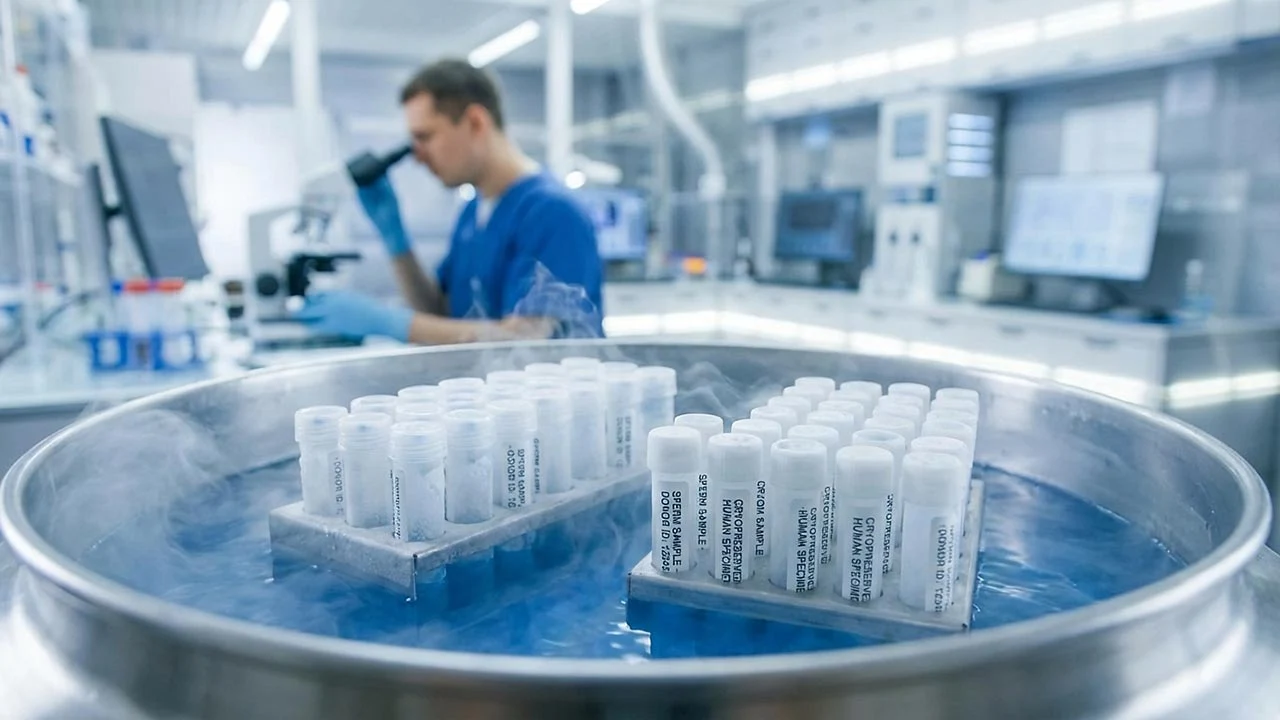
Wisconsin lawmakers from both parties are proposing bills to reduce IVF treatment costs. Republicans suggest a $5,000 tax credit for expenses, while Democrats want mandatory insurance coverage. With IVF cycles costing $20,000-$30,000 and 170,000 residents facing infertility, both parties seek affordable solutions through different approaches.
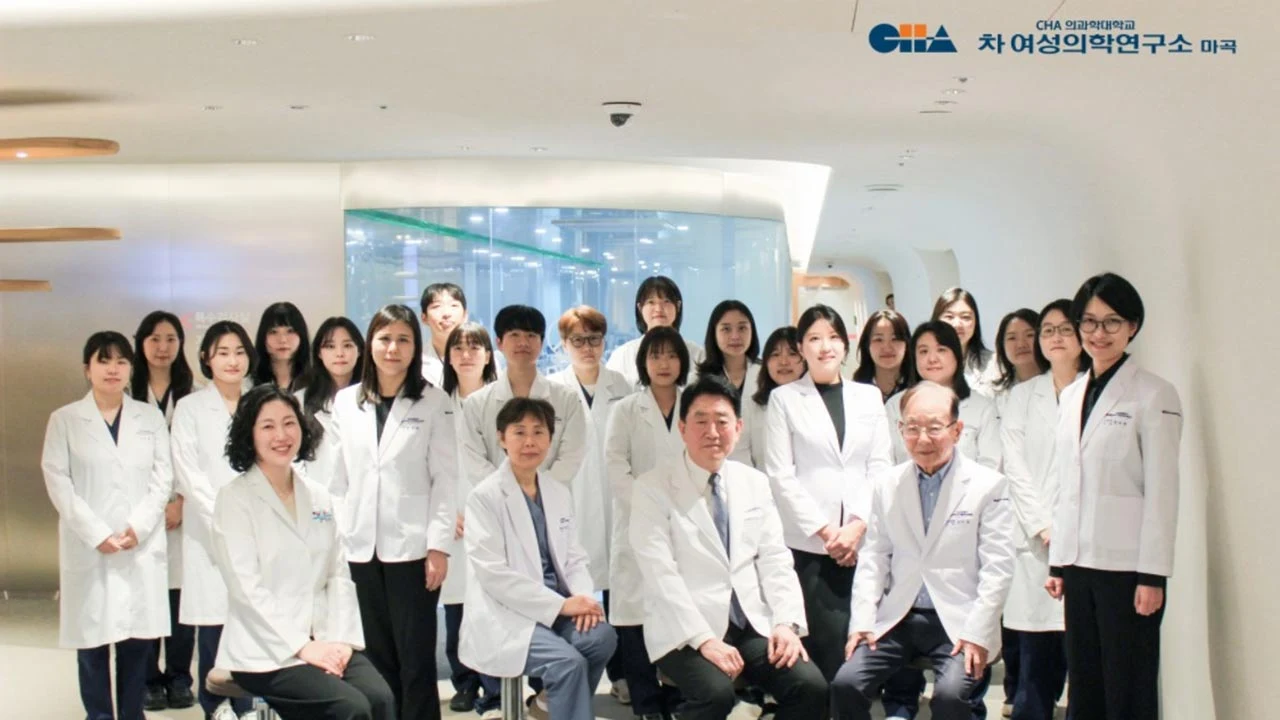
The AI-specialized Infertility Center, which is the largest in Asia, is open in Magok, Seoul and has begun its full-scale medical services from November 17 thereby marking the new era when it comes to fertility in the region.