Home
 ArticlesArticles
For men with extremely low sperm counts or with sperm retrieved surgically, every single sperm is precious. This article explains how single sperm freezing preserves individual sperm for ICSI, which men may benefit, how it differs from conventional sperm freezing and what the current evidence shows about its outcomes.



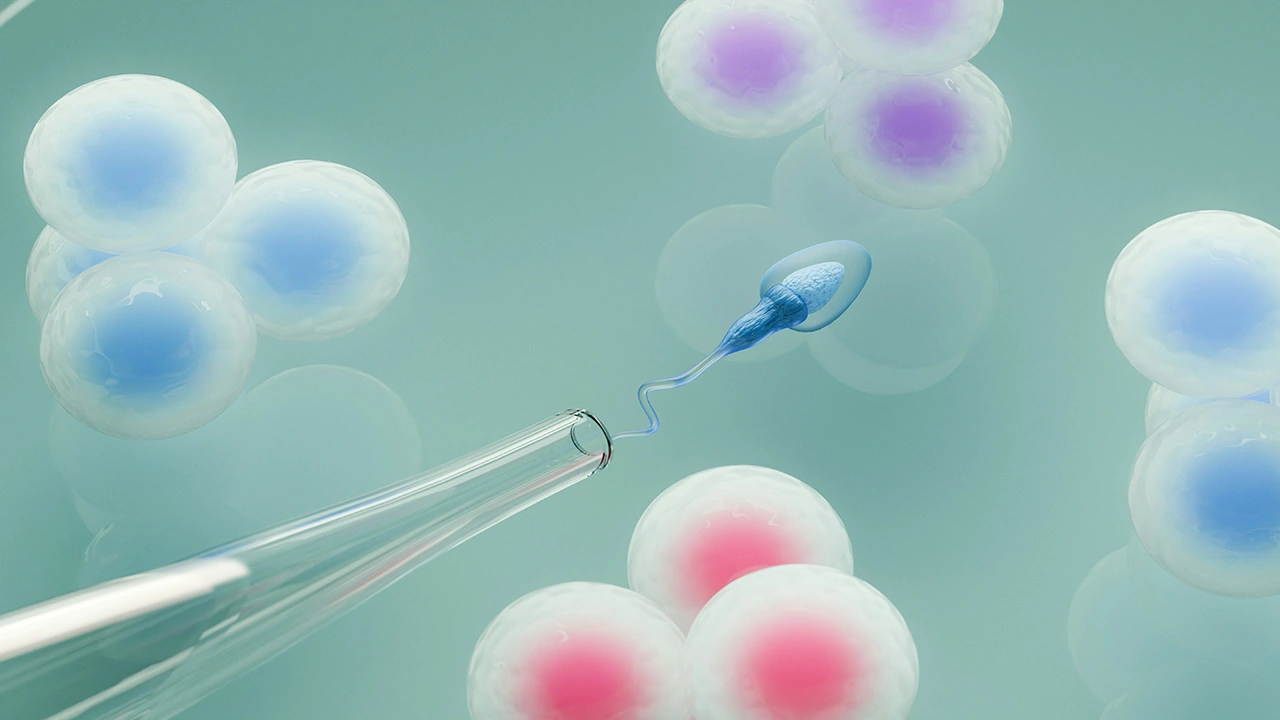
For most men who freeze sperm, the process is straightforward. A semen sample contains millions of sperm, and even if a proportion are lost during freezing and thawing, plenty remain for treatment. For some men, however, the situation is very different. Their samples contain only a handful of sperm, or sperm must be retrieved surgically from the testis in tiny numbers. In these cases, conventional freezing can mean losing almost everything.
Single sperm freezing was developed to solve this problem. Rather than freezing a whole sample, embryologists select individual sperm and preserve them in miniature volumes designed to protect them and make them easy to find again. For men with severe male factor infertility, this technique can protect precious sperm, support future ICSI cycles and, in some cases, avoid the need for repeated surgery.
Several groups of men may produce, or have access to, only very small numbers of sperm. Men with severe oligozoospermia have extremely low sperm concentrations in their ejaculate. In cryptozoospermia, sperm are so scarce that they can only be found after a concentrated sample is searched carefully. Men with non-obstructive azoospermia have no sperm in the ejaculate at all, and the only way to obtain sperm is through surgical procedures such as microdissection testicular sperm extraction (micro-TESE).
Other men may need to preserve very few sperm because of cancer treatment, ejaculatory problems or a one-off opportunity to collect a sample. For all of these groups, the number of usable sperm can be counted in tens or even single figures.
Standard sperm freezing involves mixing a semen sample with a protective solution, loading it into straws or vials and storing it in liquid nitrogen. This works well when millions of sperm are present. With only a few sperm, however, the approach has serious drawbacks. Some sperm do not survive freezing and thawing, and the few that do are dispersed in a relatively large volume of liquid. Finding them again can take embryologists hours of searching under the microscope, and sometimes none can be recovered at all.
Researchers have long recognised that conventional techniques are inadequate for preserving individually selected sperm. For men whose sperm were obtained through surgery, losing them in this way may mean facing another operation, with no guarantee that sperm will be found a second time.
Single sperm freezing was first described in 1997, and the technique has evolved considerably since then. The process begins with embryologists identifying and selecting individual motile or viable sperm, usually using the same micromanipulation equipment that is used for ICSI. Each sperm, or a small group of sperm, is then transferred into a tiny droplet of freezing solution, often measured in fractions of a microlitre.
These droplets are placed on a specialised carrier and frozen. Over the years, many different carriers have been tested, including empty zona pellucida shells (the outer coat of an egg), fine straws, cell sleepers, vitrification devices originally designed for eggs and embryos, and purpose-built sperm vitrification devices. Freezing may be done through slow cooling or through rapid vitrification, and researchers have compared open systems, where the sample is directly exposed to liquid nitrogen, with closed systems that seal the sample to reduce any risk of contamination.
Because the location and number of sperm in each droplet are known, embryologists can find them quickly after thawing and use them immediately for ICSI. This saves time, protects sperm from unnecessary handling and allows precise planning of how many sperm are available for each treatment cycle.
A key question for men undergoing micro-TESE is whether sperm should be used fresh, on the same day as egg collection, or frozen for later use. Using fresh sperm requires close coordination between the urology team and the IVF laboratory, and the female partner must go through ovarian stimulation and egg collection before knowing whether sperm will be found.
Freezing surgically retrieved sperm offers flexibility. The sperm retrieval can be done first, and egg collection planned only when it is known that sperm are available. A 2025 review of the evidence found that although fresh sperm often has better quality measures, improvements in freezing techniques such as vitrification mean that frozen sperm is a viable choice. In many cases, fertilisation, implantation, pregnancy and live birth rates were comparable between fresh and frozen micro-TESE sperm. Another 2025 review stressed that freezing micro-TESE sperm is essential because these sperm are so rare and repeat retrieval is unpredictable.
Single sperm freezing may be relevant for men who have had surgical sperm retrieval with only a few sperm found, for men with cryptozoospermia whose sperm must be searched for in each sample, and for men with severe oligozoospermia who want a reliable backup before an IVF cycle. It may also help men facing cancer treatment who can only produce a sample with very few sperm and men whose sperm have been recovered through advanced search methods, including emerging AI-assisted sperm detection technologies.
In practice, the decision depends on the number and quality of sperm available, the laboratory's experience with the technique and the couple's overall treatment plan. Not every man with low sperm numbers needs single sperm freezing; for some, conventional freezing of a concentrated sample remains suitable.
Clinical experience with single sperm freezing has grown steadily, and pregnancies and live births have been reported using a range of carriers. A 2025 review of freezing small numbers of sperm concluded that the technique has been applied successfully for people with a limited number of sperm and examined cryo-devices, freezing methods, cryoprotectants and clinical and neonatal outcomes.
There are, however, important caveats. Many studies are small, single-centre or observational, and techniques vary widely between laboratories. There is no single standardised protocol, and comparisons between methods are difficult. Researchers continue to work on improving survival after thawing, reducing damage to sperm DNA and developing closed, safe carriers that are easy to use routinely.
Men facing surgical sperm retrieval or living with very low sperm counts may want to ask whether their clinic offers single sperm freezing or freezing of small sperm numbers and how much experience the laboratory has with the technique. It is worth asking how sperm retrieved during surgery will be stored, whether they will be used fresh or frozen, and what happens if only a few sperm are found.
Couples may also want to discuss how many ICSI attempts the stored sperm could support, how long they can be kept, and whether genetic testing or further male fertility investigations are recommended. These conversations help couples plan treatment realistically and avoid unnecessary procedures.
For men with extremely low sperm numbers, each sperm represents a real chance of becoming a genetic father. Single sperm freezing is a precise, laboratory-based approach to protecting those chances. It reflects a broader shift in male fertility care towards making the most of every resource, reducing invasive procedures and giving couples more control over the timing of their treatment.
As freezing devices and protocols continue to improve, single sperm freezing is likely to become a more widely available part of male fertility care, particularly in centres that perform surgical sperm retrieval.
Disclaimer: FertilityIn shares this information based on published research and material from reliable, recognised sources. The content is intended for general awareness only and should not be taken as medical advice. Anyone with questions about their fertility, or who needs medical attention should consult their own doctor or a qualified fertility specialist.
Reference Sources
Reproductive Biology and Endocrinology (PMC) – Cryopreservation of single-sperm: where are we today?
Asian Journal of Andrology (2025) – Sperm cryopreservation protocol for micro-TESE-retrieved sperm
Asian Journal of Andrology (2025) – Fresh versus frozen micro-TESE sperm and outcomes
KoreaScience (2025) – Various aspects of cryopreservation of small numbers of sperm in ART


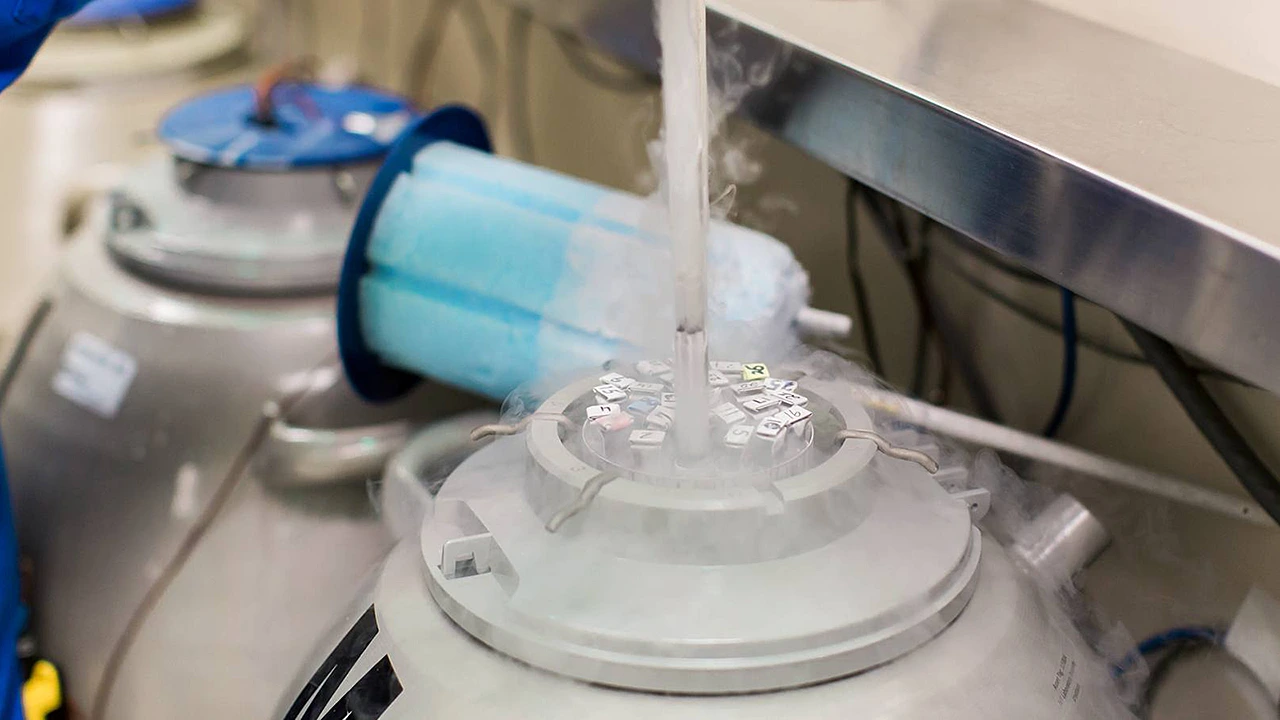
Egg freezing in UK is becoming an increasingly established fertility preservation option. This report examines the rise in egg-freezing activity, UK data, age-related factors, storage and utilisation, and why frozen eggs do not guarantee a future pregnancy. It explores what current evidence means for women considering fertility preservation and reproductive choices.
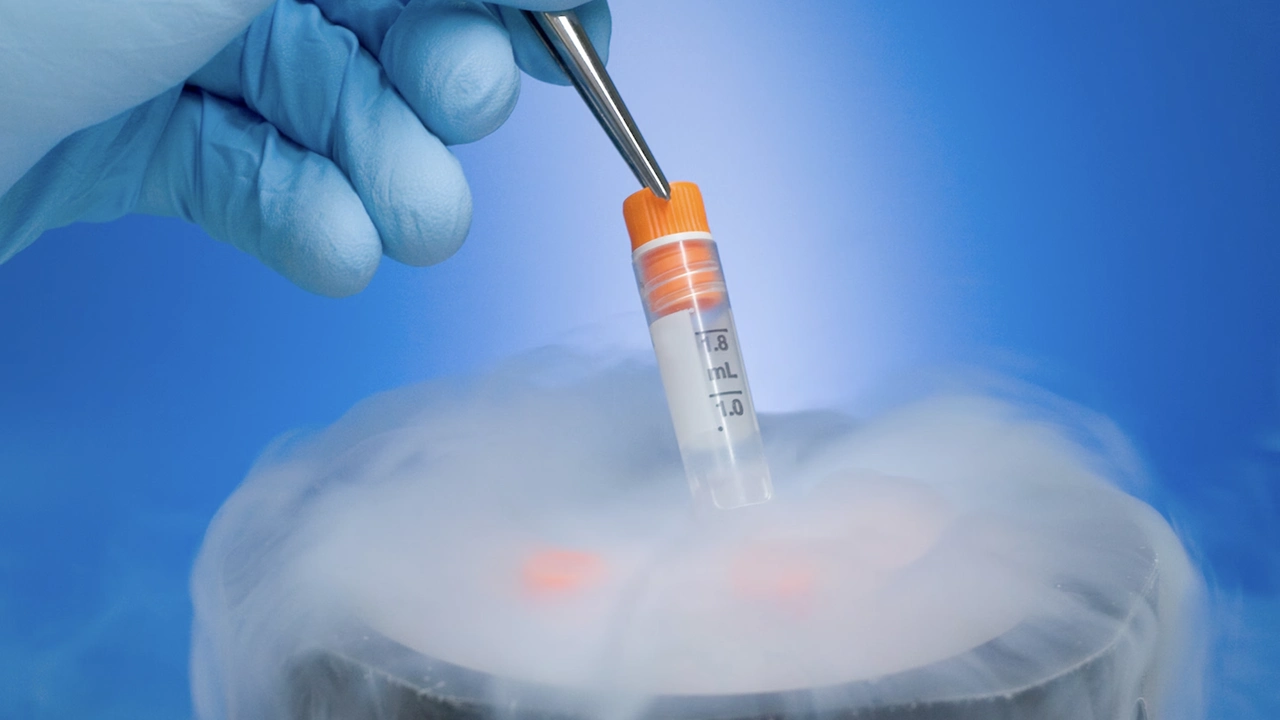
Frozen Egg Thawing survival rates average 80–90% with modern vitrification. Age at freezing is the biggest success factor, younger eggs fertilize better and develop stronger embryos. Banking 10–20 mature eggs improves live birth odds. ICSI remains the gold standard, with blastocyst transfer offering the highest implantation rates.
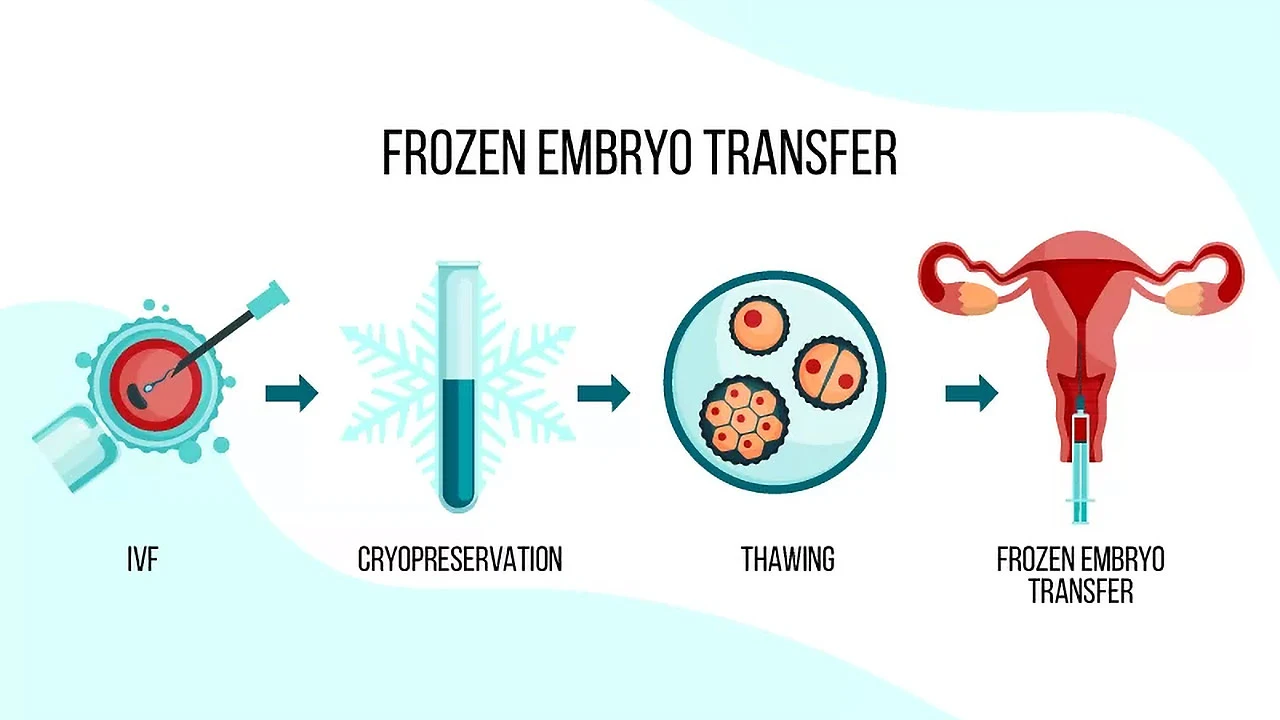
Frozen embryo transfer (FET) is a fertility procedure where previously created and frozen embryos are thawed and placed into the uterus. This comprehensive guide explains the FET process, success rates, benefits, and why it's become a preferred option for many people navigating infertility treatment and building their families.

The vital role of fertility preservation and egg donation in helping women overcome reproductive challenges, allowing them to control their family planning. It highlights how these advancements in reproductive medicine enable women to preserve their fertility and access healthier eggs for future pregnancies.
Egg freezing does not reduce natural fertility or ovarian reserve. This comprehensive guide examines how oocyte cryopreservation works, success rates by age, potential risks including OHSS, costs, and psychological benefits. Facts about preserving reproductive options while maintaining natural conception ability for career-focused and medically indicated fertility preservation.

The best age to freeze sperm and eggs depends on biology, fertility health, and personal choice. Experts recommend egg freezing before 35 and sperm freezing before 40 for stronger outcomes. Advances in technology and lifestyle factors also shape fertility preservation decisions.