Home
 ArticlesArticles
Laboratory technicians and embryologists are crucial to In Vitro Fertilization (IVF) and Intracytoplasmic Sperm Injection (ICSI) success, managing embryo development, cryopreservation, and genetic testing. Their expertise ensures that every aspect of the process is performed with precision and care, highlighting the vital role of laboratory technicians and embryologists in fertility treatments.



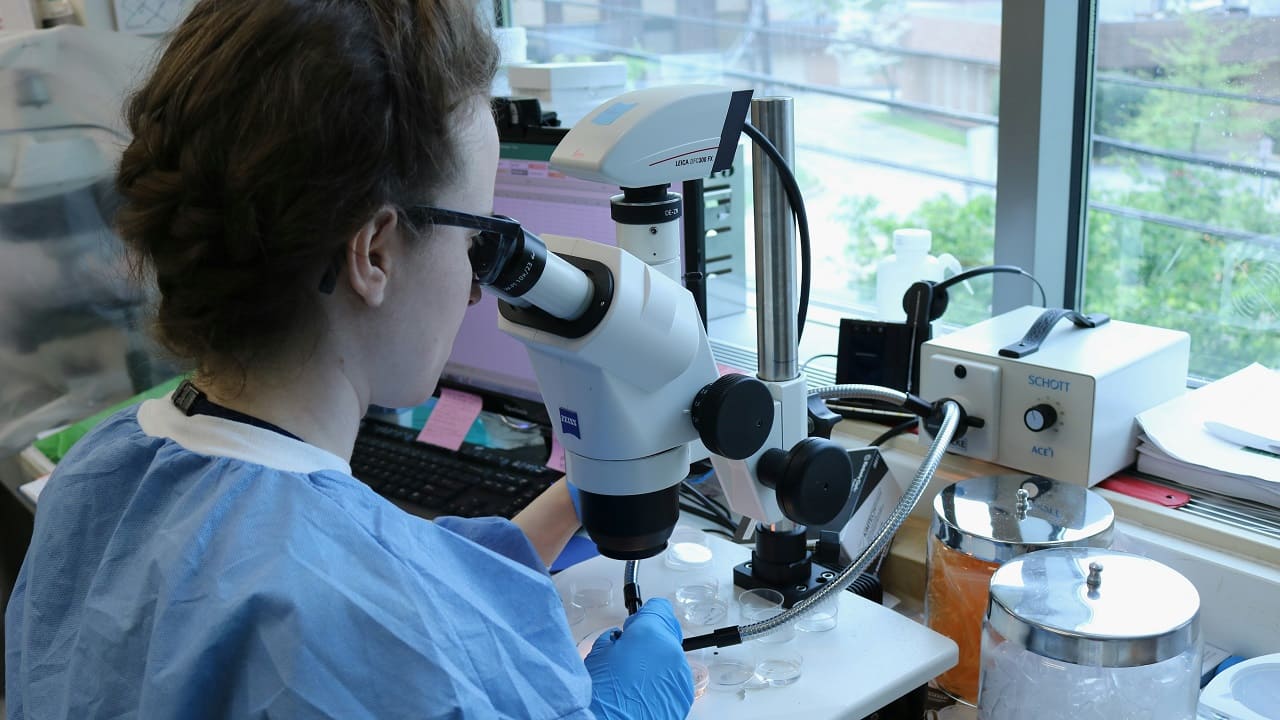
IVF and other ART techniques have changed the face of parenthood for many by offering the possibility of parenthood when that door seemed closed. This is not only true for the doctors and specialists doing the input clinical work but also for the laboratory technicians and embryologists who do the behind-the-scenes work that leads to successful pregnancies. Their skill, accuracy, and commitment are crucial for providing the best possible chances of positive results.
IVF Laboratory Technician Role Laboratory technicians form an integral part of an In vitro fertilisation (IVF) centre. Their duties can seem behind-the-scenes, but they are an essential part of the IVF process.
 1. Maintaining Laboratory Standards and Conditions
 Laboratory technicians also make sure that fertilisation and embryo development are taking place in an optimum environment. The embryos, they say, require warmth, humidity, and sterility, which they monitor and adjust as necessary. Incubators are used to culture embryos outside the body and should be maintained accurately to resemble the natural milieu of the human body. Even slight variations in temperature, light, or contamination could undermine the fine-tuning needed to support embryo growth.
Laboratory equipment must be correctly calibrated and functional for accurate procedures, and technicians are trained to carry out this important work. This could mean managing incubators, microscopes, and cryopreservation equipment.
This process entails the technicians preparing the sperm, eggs, and culture media (the liquid that provides nutrition for the embryo to develop), which they will use soon for the fertilisation and embryo development. Their duties involve making sure the instruments and equipment used at every point, from analysing sperm to retrieving eggs, are cleaned, sterilised, and working properly.
Before sperm can be used for fertilisation, they need to be prepared by separating healthy sperm from the semen. Eggs are also meticulously retrieved, tested, and primed for fertilisation. Embryo culture is only possible where the necessary components have been put into place and technicians ensure that everyone is on the same page before the embryos are cultured.
One other important job laboratory technicians have is freezing and storing embryos or sperm for later use. One of the most crucial components of an IVF treatment is the cryopreservation, or freezing, of embryos. Embryos are then frozen at the most successful stage and thawed later for cycles. Correct handling, from freezing to thawing, is key to maintaining the viability of embryos, and a slip-up can reduce the odds of a successful pregnancy.
Embryos are organisms in early stages of development, and embryologists are scientists who basically study them. They are particularly important in IVF and ICSI procedures since they directly deal with the fertilisation process, embryo monitoring, and embryo selection, which are vital components for the success of these treatments.

In IVF and ICSI, the fertilisation of the eggs is done by embryologists. In IVF, they fertilise the egg with sperm in a lab setting. ICSI involves injecting a single sperm directly into an egg, and it's used to address male infertility problems.
The process of fertilisation in ART is closely monitored by embryologists, who will assess both the fertilisation and the quality of the embryo produced. Morphology (or the shape and size of embryos) is another way of tracking the health of embryos, and embryologists are trained to assess embryo health using morphology, which is useful for quantifying embryo implantation potential. These experts monitor embryos as they develop and grow, so they will be ready to be transferred into the uterus.
For several days, the embryos will be checked to see how well they are developing after the fertilisation. Embryologists are looking under the microscope and through time-lapse imaging to see how the embryos are developing. During that time, the embryologist assesses the embryos on several details, including:
Using their training and experience, embryologists identify the best embryos for transfer, which optimises the chances of a successful pregnancy.
Genetic testing is also an important aspect of embryology, in which embryologists play a vital role. Preimplantation genetic testing (PGT) methods, which screen embryos for genetic defects during IVF, can be used before they are transferred into the uterus. This type of testing may be especially critical for couples who have a family history of a genetic disease or older maternal age.
This process involves removing a few cells from the embryo and testing them for chromosomal abnormalities. During this process, embryologists handle the embryos with extreme caution to make sure that none of them get compromised and only the healthiest are selected for the implantation.
Once the top embryos are chosen, embryologists help with the transfer, making sure that the embryos are inserted into the womb under optimal conditions. They also perform the cryopreservation (freezing) of remaining embryos that can be used for later cycles, if necessary.
Their accuracy during the freezing and thawing processes is vital to the success of both IVF and ICSI. Part of an embryologist's job is making certain embryos come through the freezing and thawing processes with as little damage as possible.
The work of laboratory technicians and embryologists impacts the success rates of IVF and ICSI. Their specialisation means that these delicate processes are performed with care and precision under the endeavour of experts who have devoted their education and profession to the welfare of the resulting embryos egg fertilisation, embryo development, and embryo implantation.
The laboratory is the true “magic”, where eggs and sperm meet, embryos are cared for, and the potential for new life is achieved. This process is the very core of both the laboratory technicians and embryologists. Their knowledge, dedication, and professionalism are a significant factor affecting the outcome of your case.
The roles of laboratory technicians and embryologists are essential to the success of IVF with ICSI procedures. Going from creating the perfect environment in the laboratory to employing exact fertilisation methods and embryo evaluations, their role has an immediate effect on the likelihood of conception. Their knowledge and experience guarantee that every detail of the IVF process and ICSI procedure is performed to the highest standards in order to maximise the chance of a pregnancy.
The IVF technology is still evolving, and so will the importance of these professionals. Their focus isn’t just on the science but on providing comfort, compassion, and customised care to people who want to have kids.


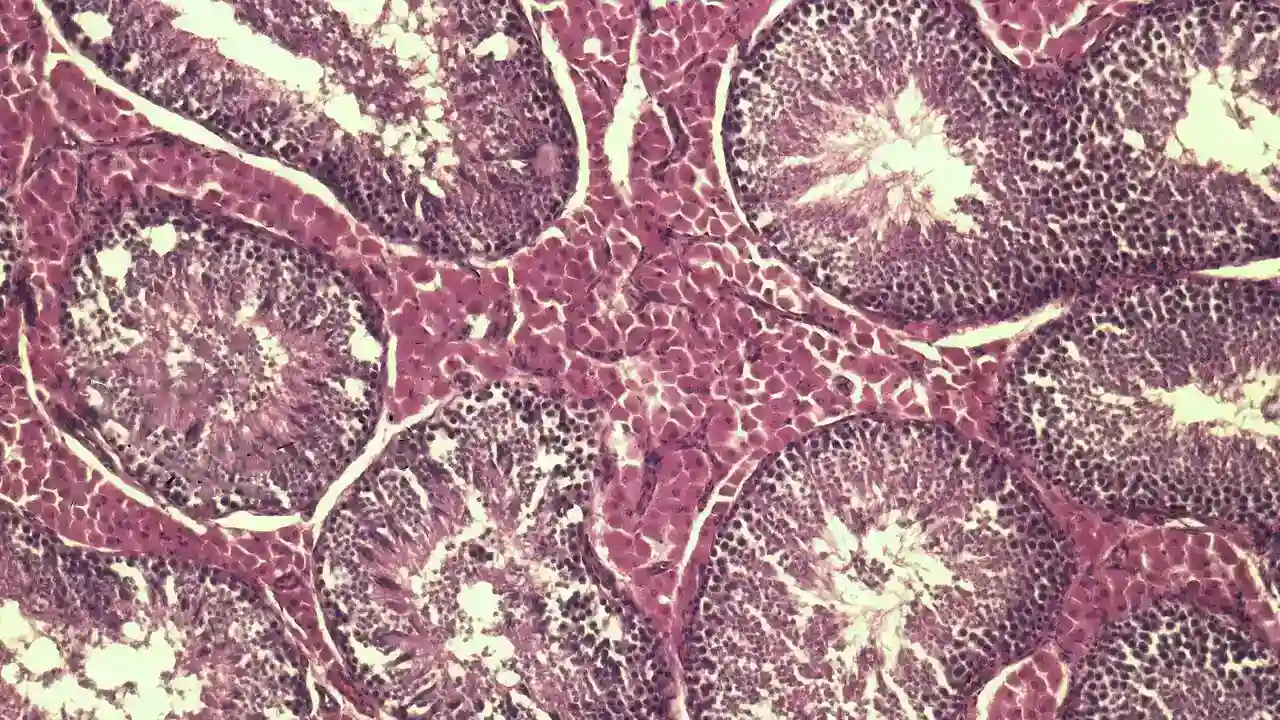
Boys treated for cancer before puberty cannot bank sperm, but freezing testicular tissue containing spermatogonial stem cells may one day restore their fertility. This article explains how the first transplants in adult survivors work, what the early research shows, the risks involved and why families should know about this option.
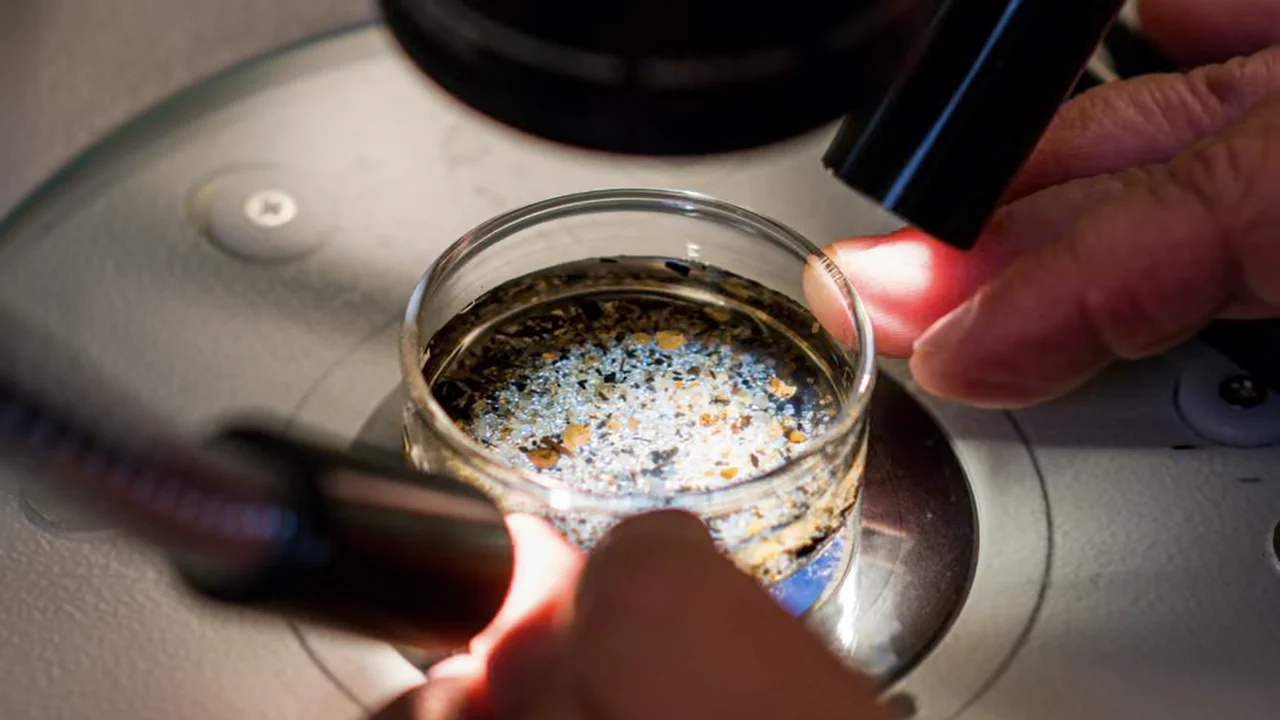
Microplastics have now been found in human follicular fluid and seminal fluid. This article explores the fast-growing body of research on microplastics and fertility, what scientists know and do not yet know about their effects on eggs and sperm, and practical, evidence-based ways that couples can reduce their everyday exposure.

Fertility conversations often focus on women, yet new research on sperm epigenetics shows a father's environment matters too. This article explains how air pollution may alter chemical marks on sperm DNA, why those changes could matter for fertility and pregnancy, and the practical steps men can reasonably consider before conception.
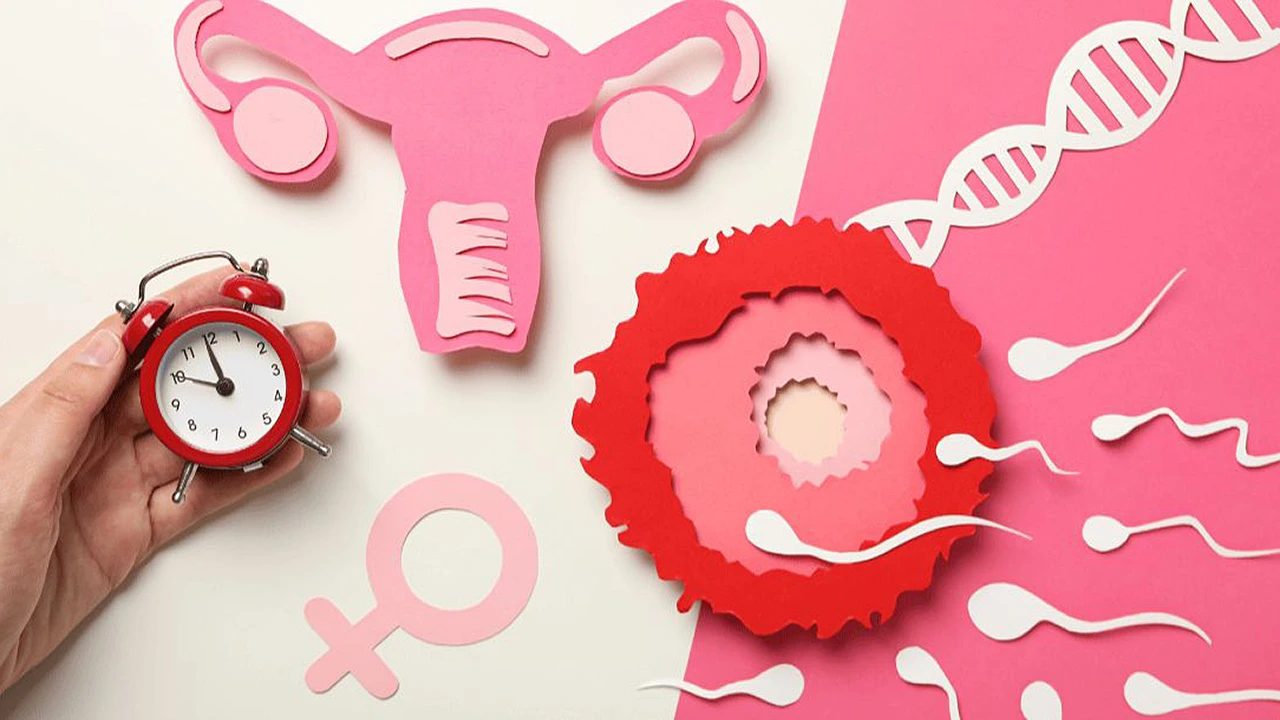
Donor eggs have long been seen as a way to reset the reproductive clock, but new research suggests uterine ageing also plays a role. This article explains what the latest evidence shows, how the ageing uterus may affect implantation and pregnancy, and how women in their late forties can prepare.
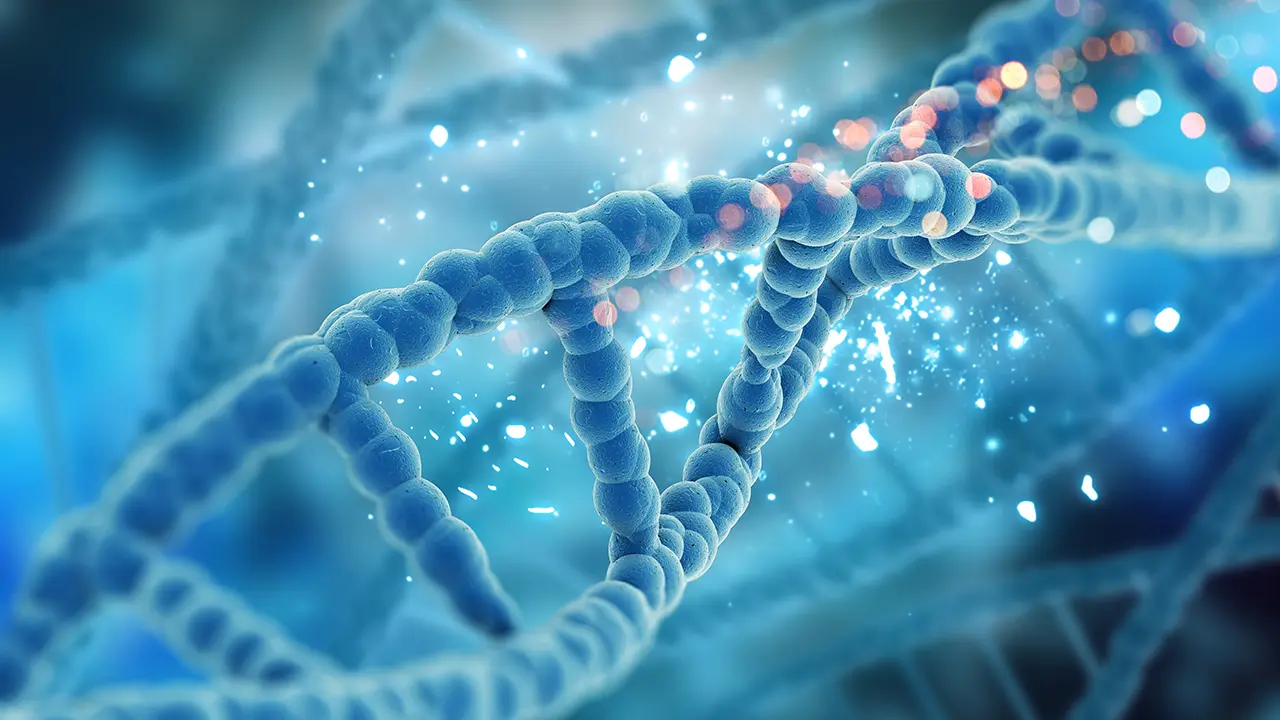
In vitro gametogenesis, the science of creating eggs and sperm from ordinary body cells, has moved from mouse studies towards human research. This article explains how the approaches work, what recent milestones really show, the obstacles that remain and why clinical use is still likely to be several years away.
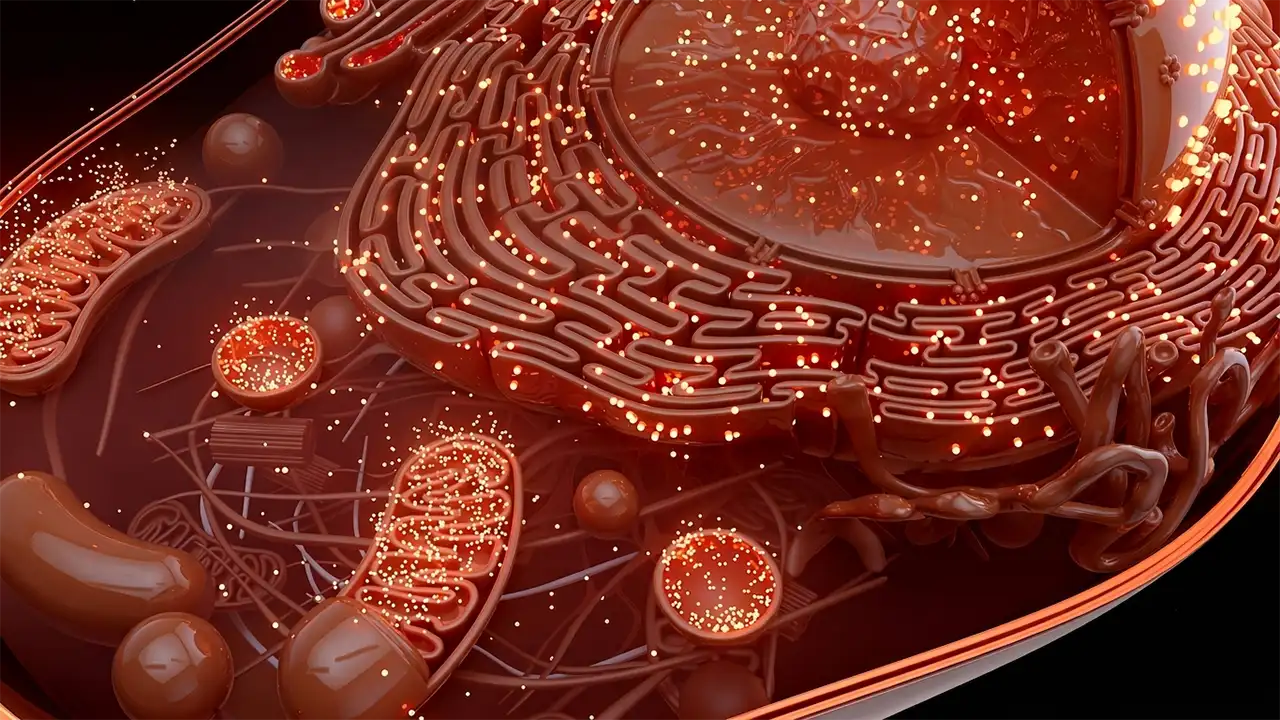
Mitochondrial donation, often called three-parent IVF, has now produced the first detailed clinical results, with healthy children born to mothers at high risk of passing on mitochondrial disease. This article explains how the technique works, who it is for, what the evidence shows and which scientific questions remain open

A new AI sperm recovery technique is changing the outlook for men with azoospermia. This article explains how the STAR method scans semen samples for rare hidden sperm, what its first reported pregnancy means, who may benefit, and the key questions couples should raise with their own fertility specialist.