Home
 ArticlesArticles
Cryopreservation and embryo freezing, highlighting their critical role in fertility treatments like In Vitro Fertilization (IVF). With advances such as vitrification, improved cryoprotectants, and enhanced thawing techniques, cryopreservation and embryo freezing now offer higher success rates, flexibility, and better reproductive control, paving the way for future family planning.



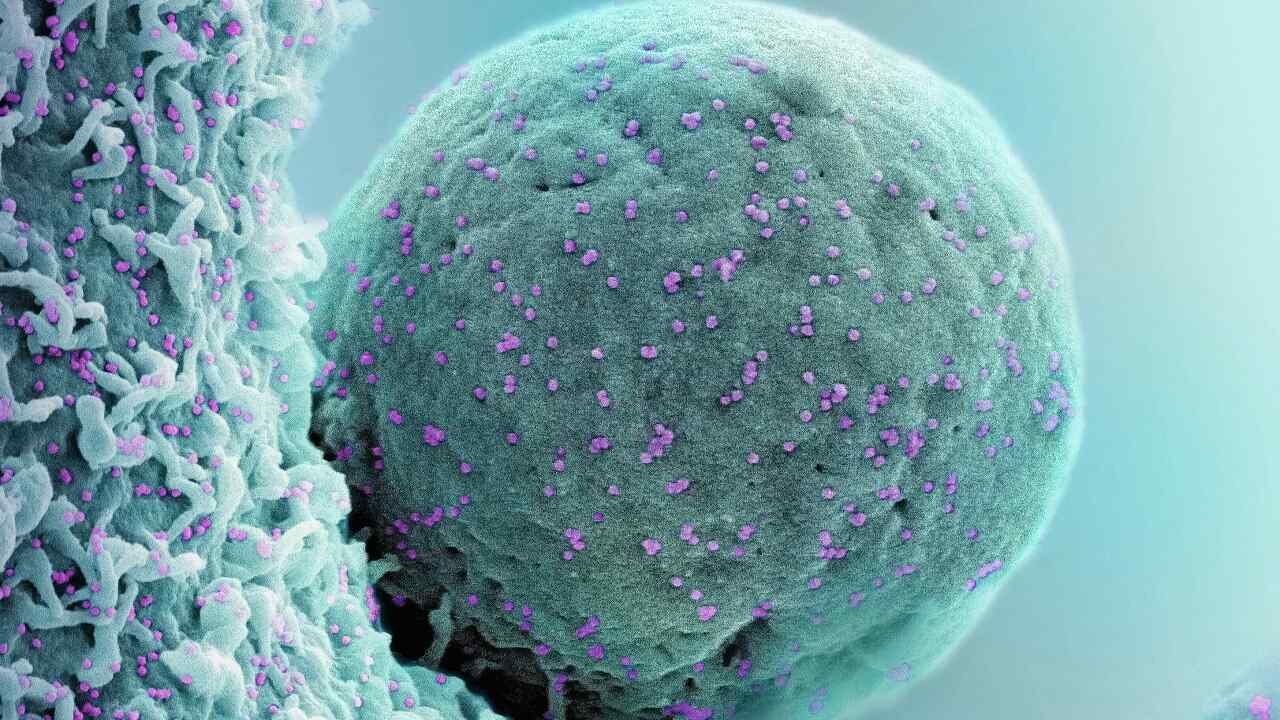
Cryopreservation and the freezing of embryos are revolutionary technologies that have fundamentally changed the landscape of fertility therapies, allowing patients more options, enhanced rates of conception, and the ability to store reproductive tissue for use in later years. These have become essential components of assisted reproductive technologies (ART) such as In Vitro Fertilization (IVF), enabling patients to freeze eggs, sperm, and embryos for future use. More recent innovations in cryopreservation and embryo freezing processes have contributed to higher success rates with reduced risk factors and more efficient methods for storing and thawing reproductive biological material.
In the following article, we will be looking at the most recent advances in cryopreservation and embryo freezing technology, their importance, and the effect they have on the success rates of fertility treatments.

Cryopreservation is the act of cooling biological material to very low temperatures to cease metabolic and biochemical activity. This chemical enables the preservation of cells, tissues, or embryos for potential future use without deterioration. Cryopreservation is now widely applied in fertility treatments and is employed to store eggs, sperm, embryos, and even ovarian or testicular tissue. Cryopreservation is the practice of employing extremely low temperatures to preserve the viability of cells and tissues, and embryo freezing is a specific application of this technology in which in vitro fertilized embryos are frozen until transfer.
Cryopreservation allows fertility patients to:
Cryopreservation and embryo freezing technology have greatly advanced in the last few decades. As a result, frozen-embryo survival rates, thawed-embryo pregnancy rates, and freezing efficiency have all improved. Here are some notable advances in this area.
1. Vitrification: A Game Changer in Cryopreservation
Vitrification has been one of the key advances in cryopreservation technology in recent years. This technique, which has largely replaced slower freezing methods, involves freezing embryos or eggs rapidly by immersing them in a cryoprotectant solution and then cooling them rapidly. This rapid cooling process causes the liquid within the cells to solidify into a glass-like substance (thus the term “vitrification”), preventing the formation of ice crystals that can damage the cells.
Vitrification has revolutionised cryopreservation in several ways:
Cryoprotectants prevent the formation of ice in the maturing oocyte during the freezing process. These solutions work by preventing ice crystals from forming in the cells, which can cause irreversible damage, and instead replace the water within those cells. Over time, there were improvements in cryoprotectant types and concentrations, and cryopreserved embryos and eggs improved.
Freezing oocytes (eggs) is an established practice; follicle or ovarian tissue cryopreservation is a newer and highly promising technique. Freezing ovarian tissue is especially advantageous for women who want to maintain their ability to have children before undergoing therapies like chemotherapy that can damage eggs.
Increasingly in IVF treatments, a single-embryo transfer (SET) is performed, when one embryo rather than several is placed in the uterus. This method lowers the chance of multiple pregnancies (for instance, twins or triplets) but increases the likelihood of a successful pregnancy with just one embryo.
Extra embryos that aren't being used are kept frozen until they are needed, which is the common strategy of freeze- all, often combined with SET (single embryo transfer), meaning all embryos created in one IVF cycle are frozen at once instead of being moved into the womb in that cycle. Additionally, this strategy permits a woman's body time to recover from ovarian stimulation and the IVF procedure itself, which can help reduce the risk of complications such as ovarian hyperstimulation syndrome (OHSS). Freezing all embryos and transferring them at a later time also gives patients the benefit of time to evaluate the best embryo for transfer.
The thawing of cryopreserved embryos and eggs has long been a tricky business. In recent years, advances in the methods for thawing, such as controlled-rate thawing and post-thaw specific protocols, have increased the likelihood of the viable recovery of frozen reproductive material.
Cryopreservation and the technology for freezing embryos have dramatically changed the landscape of fertility treatment, affording patients more options, flexibility, and higher rates of success. Advancements in cryopreservation during the last couple of decades, such as the move to vitrification, more proficient cryoprotectants, and improved thawing and freezing techniques, have resulted in the survival of greater numbers of embryos and improved patient outcomes. It is good to know that ovarian tissue and also eggs can be frozen for future use, which is especially important for women that are undergoing treatment for medical conditions that can impact reproductive health. With advancements in technology, the future of fertility preservation is bright and full of potential, enabling individuals and couples with a desire to delay family building to do so on their own schedule.


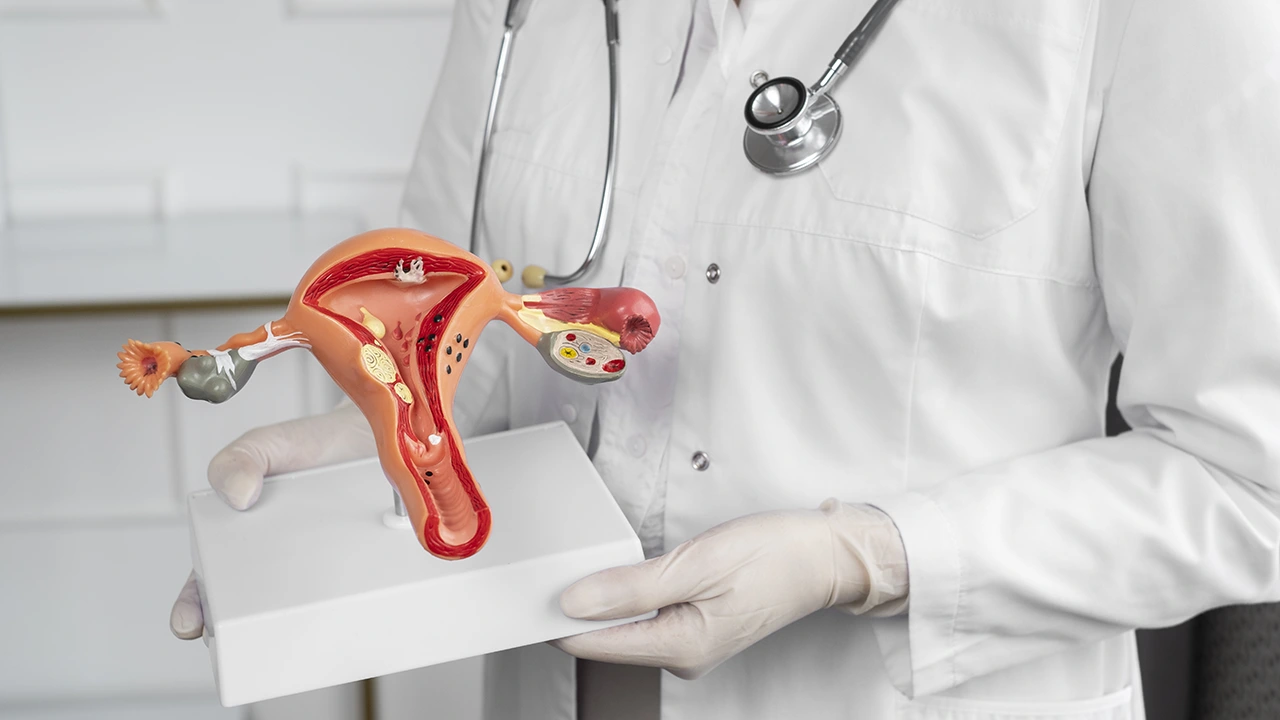
Womb transplantation is giving women with absolute uterine factor infertility the chance to carry and deliver their own child. This article explains how the process works from donor to delivery, who may be suitable, the risks involved and what recent births from living and deceased donors mean for patients.

Advanced female age causes fertility decline through reduced egg quantity, increased chromosomal abnormalities, and mitochondrial dysfunction. Understanding these biological mechanisms helps women make informed family planning decisions. Modern fertility treatments including IVF, preimplantation genetic testing, and egg freezing offer practical solutions to overcome age-related reproductive challenges when trying to conceive.
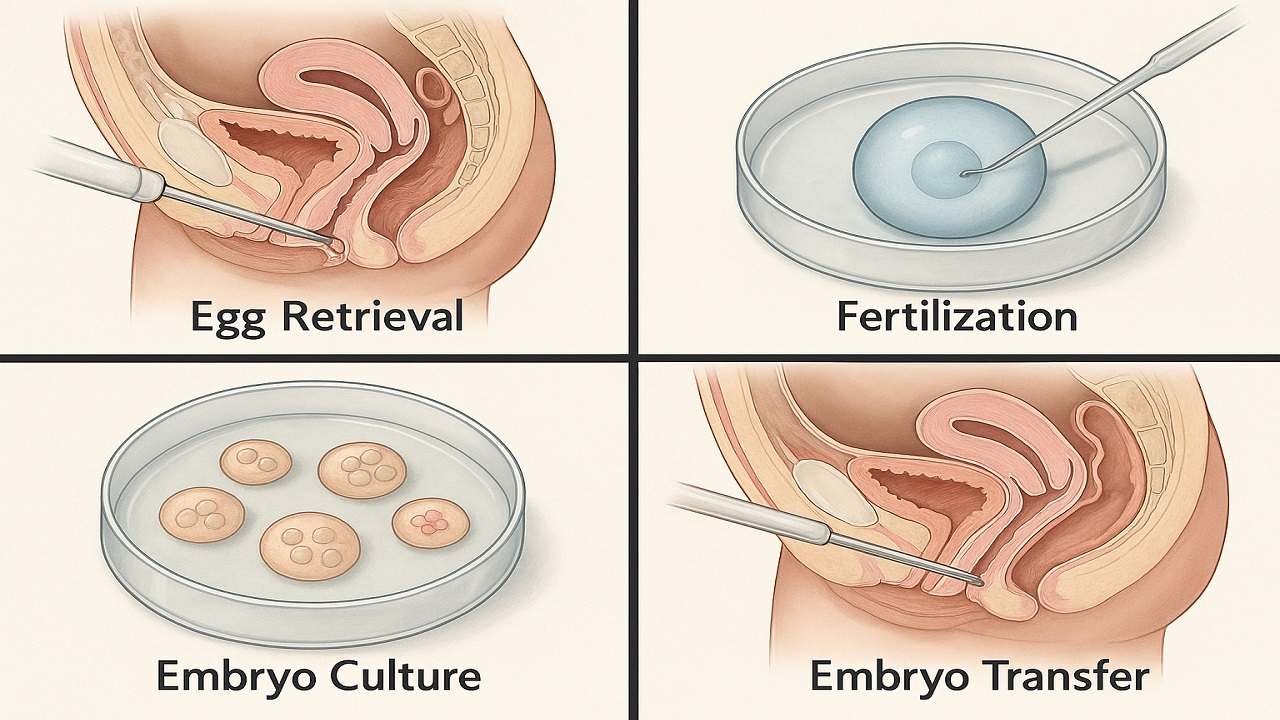
In Vitro Fertilization (IVF) process step by step, emphasising the importance of various stages such as ovarian stimulation, egg retrieval, fertilization, and embryo transfer in maximising the In Vitro Fertilization (IVF) Success Rate. It highlights how a thorough understanding of the procedure can prepare couples and individuals for their In Vitro Fertilization(IVF) journey, ultimately improving their chances of achieving a successful pregnancy.

Vitamin D Deficiency Affect IVF outcomes by influencing endometrial receptivity, embryo quality, and hormone balance. Clinical evidence, age-specific risks, and PCOS implications, while offering actionable strategies to optimize Vitamin D levels and improve IVF success rates and pregnancy outcomes in a structured, patient-focused approach.
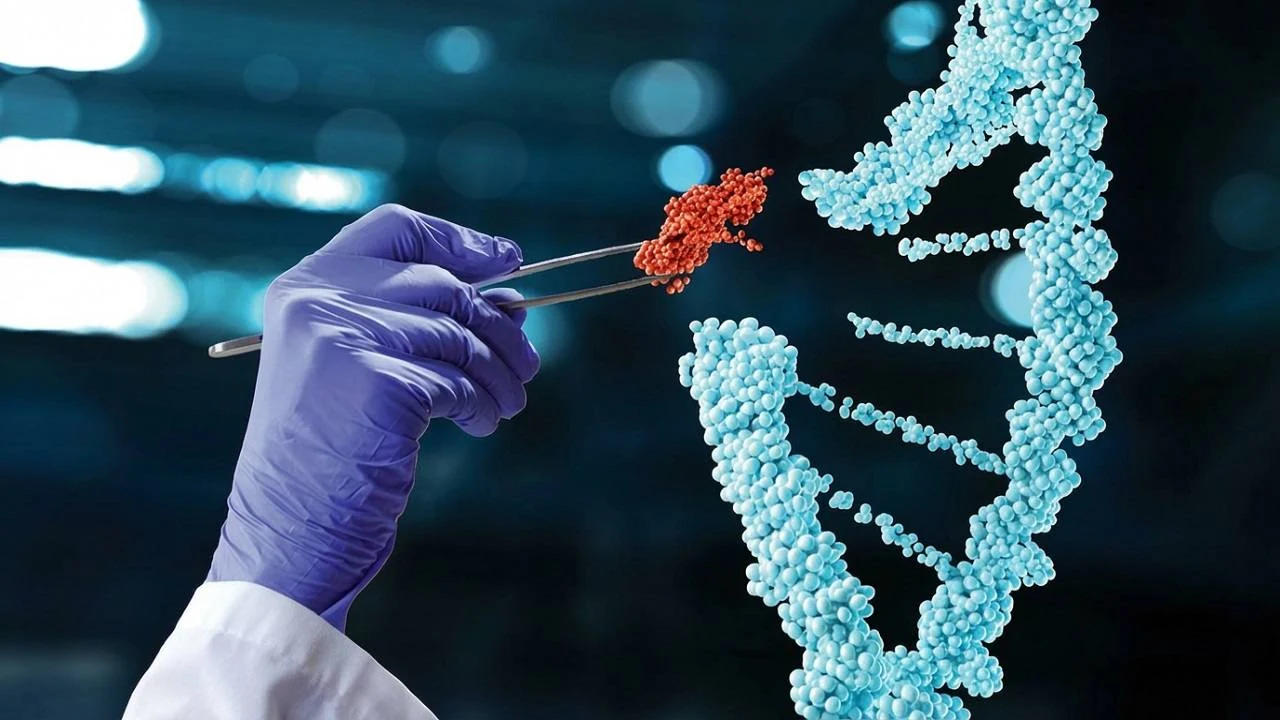
Preimplantation Genetic Testing (PGT) revolutionizes IVF by screening embryos for chromosomal abnormalities and genetic disorders before transfer. This advanced technology increases pregnancy success rates, reduces miscarriage risk, prevents inherited diseases, and shortens time to pregnancy while providing diagnostic clarity and reducing emotional stress for couples.

Clinical evidence increasingly demonstrates that emotional stress or grief reduces the chances of IVF success through sophisticated biochemical pathways that directly influence reproductive physiology. This relationship extends far beyond simple correlations, revealing profound mechanistic connections between psychological distress and the delicate orchestration of hormonal events essential for successful conception.
IVF in 2025 is shifting from hype to evidence-based innovation. As precision, automation, AI, and genetic advances reshape fertility care, patients must distinguish proven breakthroughs from outdated add-ons. This guide examines five groundbreaking IVF technologies in 2025 to understand which advances genuinely improve outcomes

