Home
 ArticlesArticles
The significant developments in Assisted Reproductive Technology (ART) throughout history, highlighting milestones from the first artificial insemination to modern techniques like In Vitro Fertilization (IVF) and genetic screening. These developments in ART have transformed fertility treatments, offering hope to individuals and couples facing infertility challenges.



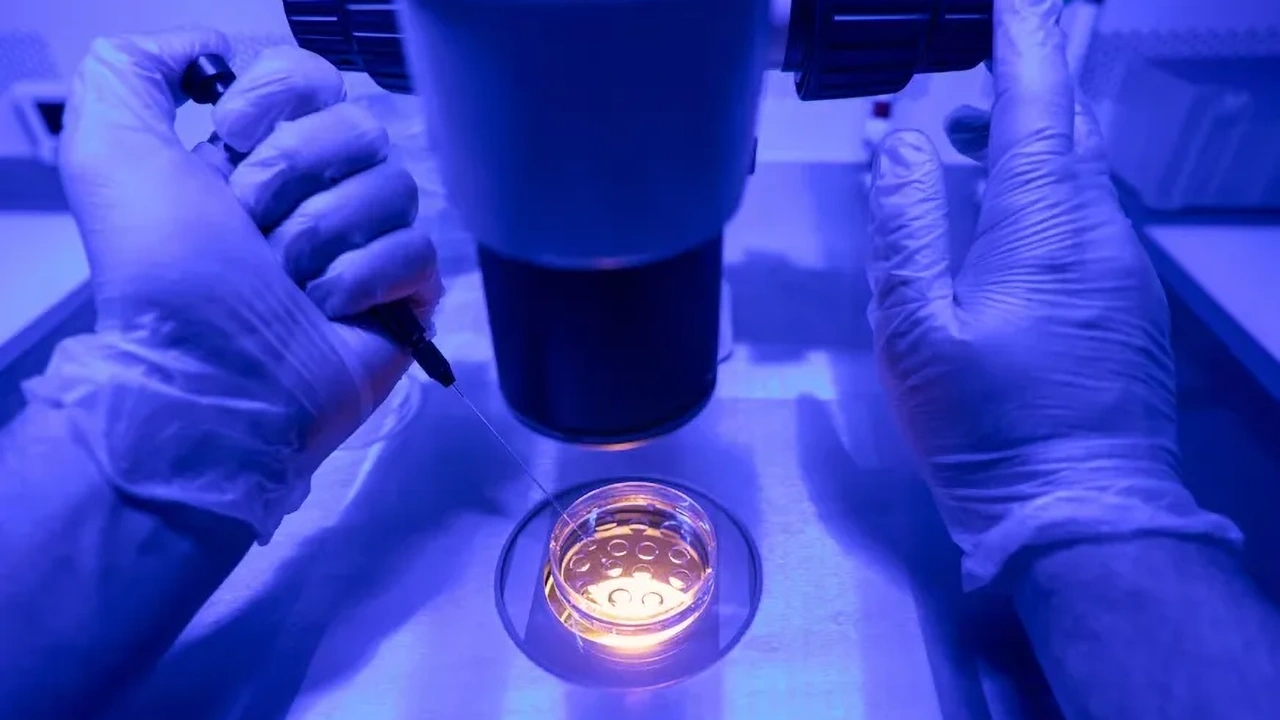
Assisted Reproductive Technology (ART), a new world of parenthood, has transformed the lives of numerous individuals and couples experiencing infertility. There have been many milestones in ART, many of which have influenced the field as it is known today, from its earliest experiments to the highly advanced techniques available now; scroll back through time to see them all. This article traces the major achievements and developments in ART that have shaped its evolution, spanning from the first artificial insemination to the newest innovations in IVF, genetic screening, and beyond.

The story of Assisted reproduction starts in the 18th century, with the first recorded experiments on Artificial insemination (AI). One of the earliest pioneers was an Italian scientist named Lazzaro Spallanzani, who controlled animal breeding in the late 1700s. Even though they hadn't yet applied their experiments to humans, they laid the groundwork for later advancements in ART.
AI was used in Human Fertility Treatments in the Late 1900s sperm banks were implemented by the 1940s, when semen could be collected, preserved and utilised for artificial insemination in cases of male infertility and where sperm donors were needed.
While earlier experiments laid the groundwork, the first documented successful artificial insemination in humans came in 1884 when Dutch physician Dr. Antonin M. reported he had helped a couple conceive this way. Although not well publicised at the time, this was actually the first use of AI in clinical medicine.
Over time, artificial insemination emerged as a widely used option for treatment, most commonly among males or couples using donor sperm. AI became a well-established form of assisted reproduction by the mid-20th century.
Developments in ART during the 1970s led to the breakthrough of In Vitro Fertilization (IVF), one of the most transformative milestones in its history. In vitro fertilization is when an egg is fertilized outside of the body in a dish and then implanted into the uterus. IVF was conceived from research into human reproductive biology and was developed by British scientists Dr. Robert Edwards and Dr. Patrick Steptoe.
After experimenting and researching for years, Louise Brown, the world’s first “test-tube baby,” was born in 1978. So began an era of reproductive technology that was to change the face of fertility treatment. Louise Brown's birth marked a significant milestone, proving that infertility couples, particularly those with blocked fallopian tubes or other reproductive issues, could successfully pursue IVF.
Egg freezing (or oocyte cryopreservation) was first successful in the 1980s and, at that time, represented an important advancement in assisted reproductive technologies (ART). The ability to freeze a woman's eggs for later use revolutionized the field of fertility preservation. Women, for their part, could now opt to postpone pregnancy for either professional ambition or their personal situation but could still go on to conceive down the line.
Egg freezing, which was initially difficult due to the problem of egg survival during freezing and thawing, has also made significant progress in terms of cryopreservation technology and is a favorable option for many women today.
The most significant advance in treating male infertility is the introduction of Intracytoplasmic Sperm Injection (ICSI), used since 1992. ICSI stands for intracytoplasmic sperm injection, a method of IVF in which a single sperm is injected directly into an egg. I designed this specifically to assist men who have a low sperm count, low sperm motility, or any other sperm condition that hinders fertilization.
ICSI has now become an integral part of IVF treatment and has improved the overall success rates of IVF, especially for couples facing male infertility factors. For many couples, this technique has enabled them to conceive in situations where traditional IVF might have failed.
In the 1990s genetic screening techniques gave even more precision to ART treatments. The first case of preimplantation genetic diagnosis (PGD), reported in 1990, allowed couples to screen the embryos that are created through IVF for genetic diseases before implantation in the uterus. Through PGD, doctors can identify genetic disorders and chromosomal irregularities so couples at high risk for hereditary diseases can have offspring free of such conditions.
PGD was a major advancement in the ongoing developments in ART, allowing embryos to be screened for genetic diseases before implantation, thus decreasing the likelihood of miscarriages and having children who will be born without genetic diseases.
Stem cell research with ART was also very promising in the early 2000s, but it remained in an experimental stage. Types & Potential Impacts, Stem cells could lead to some major breakthroughs in fertility issues, such as preserving fertility, understanding ovarian function, and developing artificial reproductive organs. However, it is also predicted that stem cell therapies could discover solutions for women with premature ovarian insufficiency and other fertility problems.
Stem cells have been used for many years and continue to be explored as therapies, and their impact on ART remains an important avenue of scientific inquiry.
Advances in ART also allowed parents to select the sex of their child as early as the embryo stage, usually through Preimplantation Genetic Screening (PGS) or genetic testing of embryos. While gender selection for non-medical purposes is still a contentious issue across the world, it has been successfully applied for medical reasons to avoid gender-linked genetic disorders.
Women who carry specific sex-linked genetic diseases, such as hemophilia, can select embryos of the unaffected sex, reducing the risk of passing on the diseases.
Egg donation and surrogate motherhood have become essential methods of ART for both individuals and couples who are unable to conceive using their eggs or uterus. Egg donation, which means using an egg from a donor to be fertilized and implanted into the recipient’s uterus, has enabled women who suffer infertility because of age, premature ovarian failure, or other medical conditions to become parents.
Surrogacy enabled women who cannot carry a pregnancy to term to have children. Egg donation, IVF, and surrogacy together have allowed a plethora of people, including same-sex couples, to become parents.
Recent developments in ART, particularly in precision medicine and personalized treatment, have significantly improved fertility success rates. Thanks to genetic testing, machine learning, and better diagnostic tools, ART is becoming far more tailored to individual patients. This feature allows physicians to optimize for a patient’s unique reproductive health needs, resulting in more successful pregnancies and overall healthier outcomes.
The future of ART holds even greater potential as developments in gene-targeted technologies such as CRISPR, artificial wombs, and fertility preservation techniques continue to evolve. Advanced ART continues to have enormous potential for improving access to fertility treatments and helping make family-building a reality for even more people.
Developments in ART have been driven by an explorative process, rooted in science, creativity, and empathy. The pioneers of IVF technology: From the earliest artificial insemination to the first baby ever conceived through IVF, Louise Brown (born 1978), every breakthrough opened up new chances for infertility patients. Both with the support of various community organisations and ART itself, ART has grown from humble beginnings to continue today, graduating many around the world with hope, opportunity, and family.


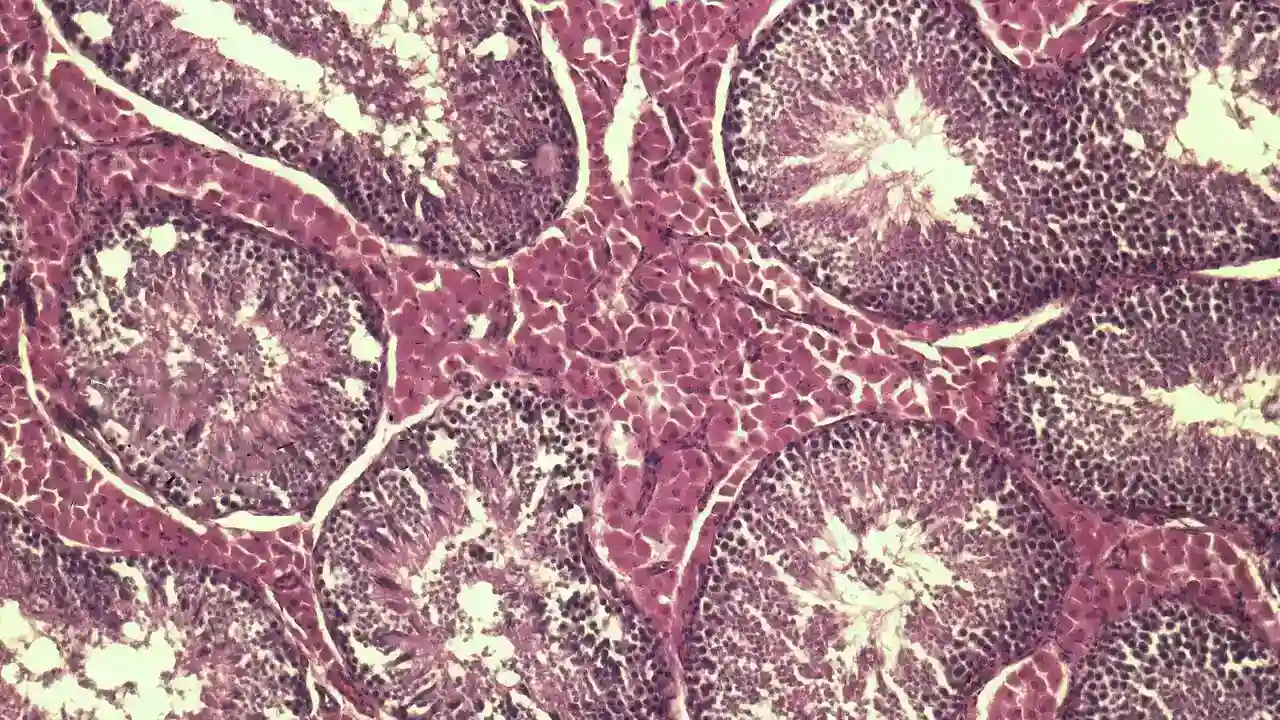
Boys treated for cancer before puberty cannot bank sperm, but freezing testicular tissue containing spermatogonial stem cells may one day restore their fertility. This article explains how the first transplants in adult survivors work, what the early research shows, the risks involved and why families should know about this option.
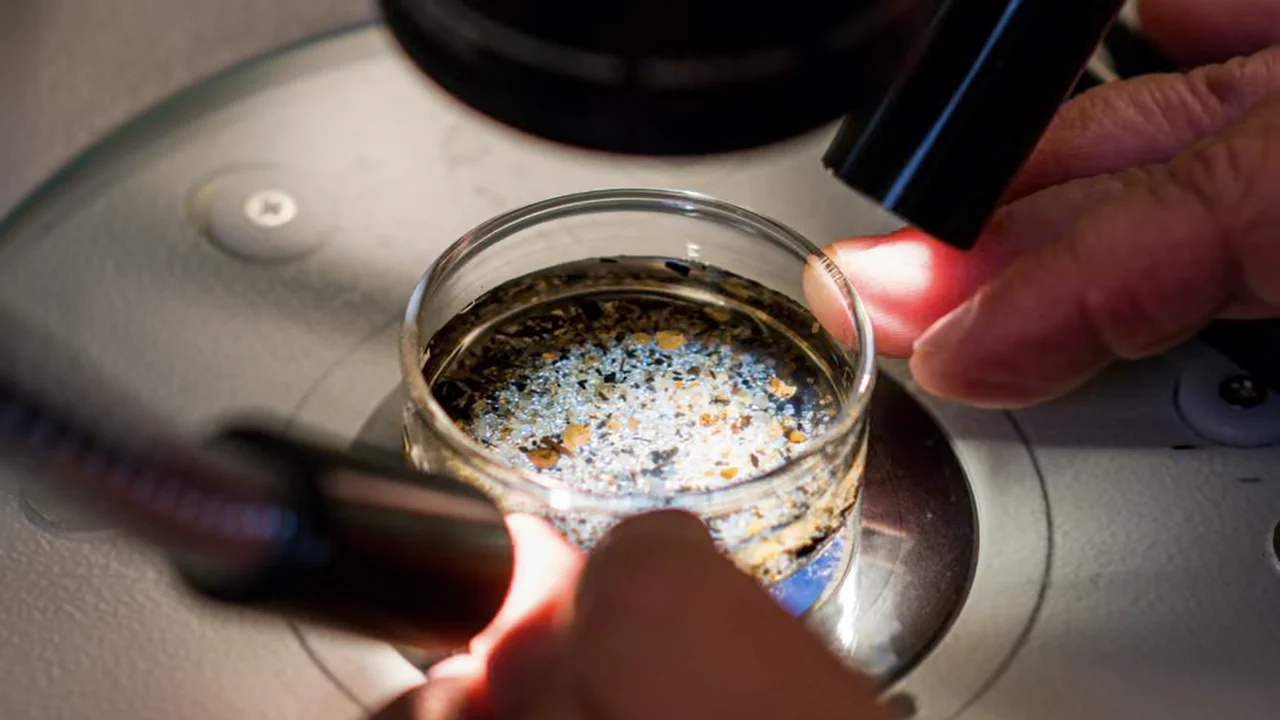
Microplastics have now been found in human follicular fluid and seminal fluid. This article explores the fast-growing body of research on microplastics and fertility, what scientists know and do not yet know about their effects on eggs and sperm, and practical, evidence-based ways that couples can reduce their everyday exposure.

Fertility conversations often focus on women, yet new research on sperm epigenetics shows a father's environment matters too. This article explains how air pollution may alter chemical marks on sperm DNA, why those changes could matter for fertility and pregnancy, and the practical steps men can reasonably consider before conception.
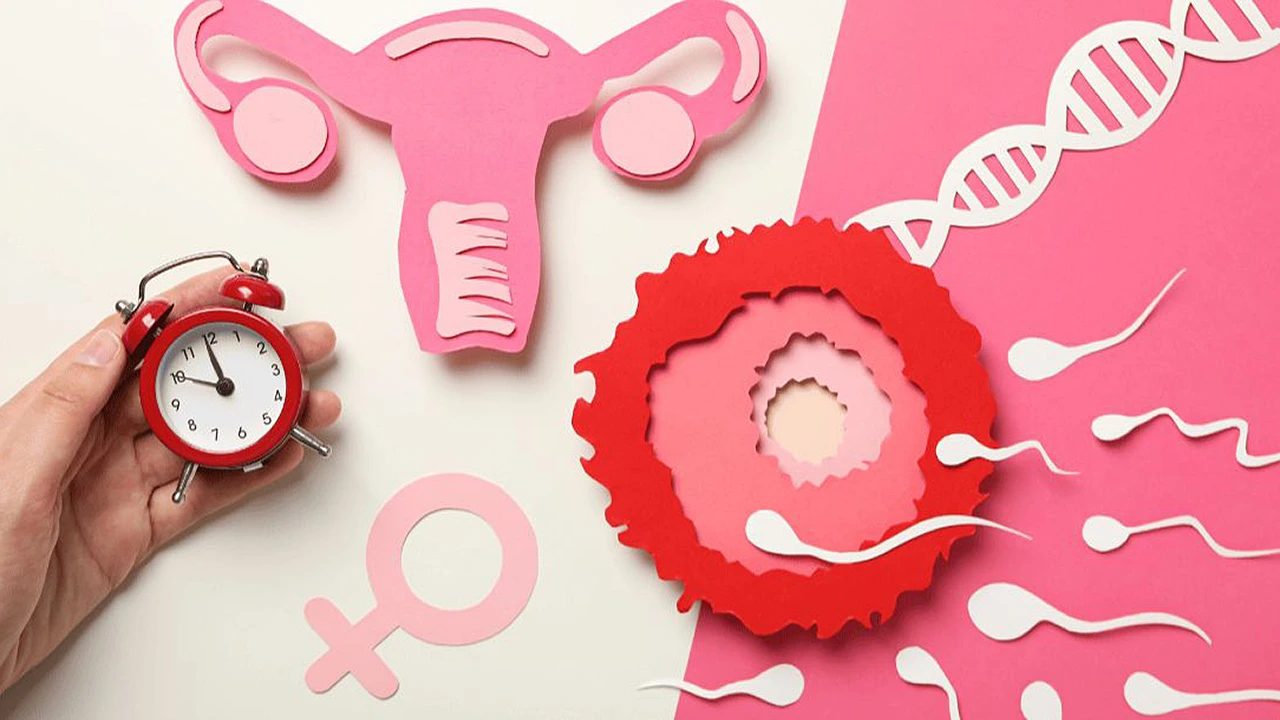
Donor eggs have long been seen as a way to reset the reproductive clock, but new research suggests uterine ageing also plays a role. This article explains what the latest evidence shows, how the ageing uterus may affect implantation and pregnancy, and how women in their late forties can prepare.
In vitro gametogenesis, the science of creating eggs and sperm from ordinary body cells, has moved from mouse studies towards human research. This article explains how the approaches work, what recent milestones really show, the obstacles that remain and why clinical use is still likely to be several years away.
Mitochondrial donation, often called three-parent IVF, has now produced the first detailed clinical results, with healthy children born to mothers at high risk of passing on mitochondrial disease. This article explains how the technique works, who it is for, what the evidence shows and which scientific questions remain open

A new AI sperm recovery technique is changing the outlook for men with azoospermia. This article explains how the STAR method scans semen samples for rare hidden sperm, what its first reported pregnancy means, who may benefit, and the key questions couples should raise with their own fertility specialist.