Home
 ArticlesArticles
In vitro gametogenesis (IVG) is a revolutionary reproductive technology that enables the creation of functional sperm and eggs from somatic cells in the lab. This innovative approach has the potential to transform fertility treatments, allowing individuals facing infertility or those from same-sex couples to have genetically related children. With ongoing research, IVG may soon reshape the landscape of assisted reproduction.



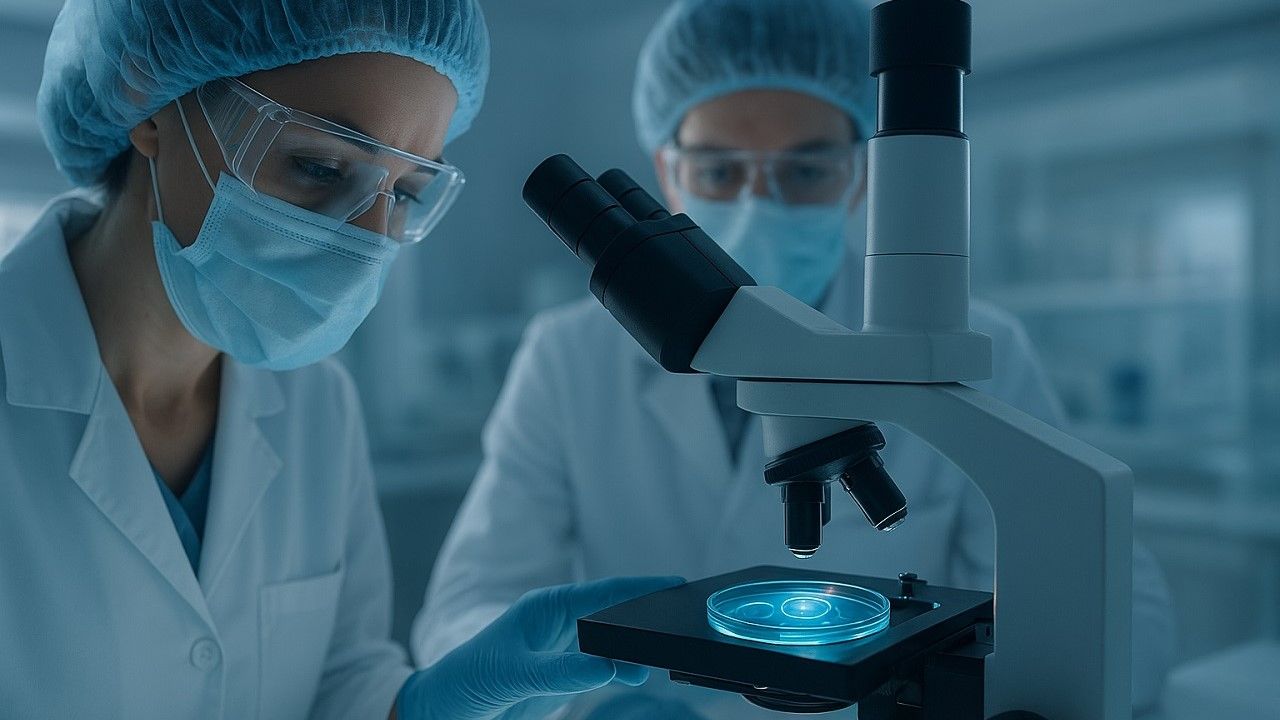
In vitro gametogenesis (IVG) is a cutting-edge reproductive technology poised to revolutionize fertility treatment and assisted reproduction. Unlike traditional methods such as in vitro fertilization (IVF), which rely on the extraction of eggs and sperm from the body, IVG aims to create functional reproductive cells, sperm, and eggs entirely in the laboratory. This breakthrough uses pluripotent stem cells, which are specialized cells capable of developing into any cell type, including gametes. The potential of IVG extends beyond fertility treatments to include possibilities such as enabling same-sex couples to have genetically related children and allowing individuals with infertility or diminished fertility to become biological parents.
The essence of IVG involves taking easily accessible cells, like those from the skin, hair, or blood, and reprogramming them into induced pluripotent stem cells (iPSCs). These iPSCs are then cultivated under specific laboratory conditions, mimicking the natural environment of gamete development inside the body. Over time, these stem cells differentiate and mature into eggs or sperm capable of fertilization. While IVG is still mostly in the experimental phase, successful animal studies, particularly with mice, show promising results where lab-created gametes have produced healthy offspring, signaling that human application might be feasible within the next decade.
IVG offers enormous promise by potentially eliminating the need for invasive egg retrieval surgeries and sperm collection procedures. This technological innovation could reduce the physical, emotional, and financial burden that current fertility treatments impose. For women, especially those facing aging-related fertility decline or those who cannot produce viable eggs, IVG presents a new frontier where biological parenthood is not limited by age or existing gamete availability. Similarly, IVG could empower same-sex couples, single parents by choice, and individuals with medical infertility to have children genetically related to them without relying on donors.
IVG begins with the collection of somatic cells, commonly skin or blood cells, which are then reprogrammed into iPSCs cells capable of unlimited self-renewal and differentiation. These stem cells undergo a carefully controlled process in the laboratory designed to mimic the natural stages of gametogenesis, the journey by which sperm and eggs develop inside the body. Scientists replicate key signaling cues and molecular conditions that guide stem cells to become primordial germ cells, then immature gametes, and finally mature eggs or sperm.
This laboratory-based reprogramming involves sophisticated techniques to temporally and spatially control cellular differentiation. Researchers utilize growth factors, hormones, and gene regulation tools in vitro to coax iPSCs through each developmental stage, closely following the biological timeline that occurs within the ovaries and testes. The culture conditions aim to replicate the cellular microenvironment, including temperature, oxygen levels, and supporting “niche” cells that provide essential biochemical signals.
Despite significant progress, human IVG faces complex challenges not encountered in animal models. Human gametogenesis is intricately regulated and spans a much longer timescale. Researchers are working to deepen understanding of epigenetic modifications, chromosome segregation, and genetic imprinting during gamete development critical factors that ensure healthy, viable eggs and sperm. New developments in stem cell biology, genome editing, and tissue engineering are expected to help solve these problems and make lab-created human gametes more accurate and safe.
The clinical implications of IVG could be transformative for reproductive medicine. By enabling the generation of gametes from any somatic cell, IVG could dramatically expand fertility treatment options for patients previously considered untreatable. For instance, cancer survivors whose gonads have been damaged by chemotherapy or radiation could produce viable gametes from their stored somatic cells, restoring fertility even years after treatment.
IVG may also extend reproductive lifespan, especially benefiting women who face accelerated ovarian aging or premature menopause. By generating eggs in vitro, the technology bypasses natural ovarian reserve limitations. This has profound implications not only medically but socially, as women might choose to delay childbearing without compromising biological parenthood.
Same-sex couples could also see new opportunities with IVG. For female couples, eggs could be created from either partner’s somatic cells, fertilized, and implanted, enabling both to have a genetic connection to their child. Male same-sex couples might require a surrogate since creating eggs in vitro from male cells is more complex, but the technology promises to redefine genetic parentage boundaries.
Beyond fertility treatments, IVG could open ethical and social discussions regarding reproduction. The ability to create gametes from any individual’s cells raises questions about “designer babies,” genetic modification, and the definition of parenthood. Regulatory frameworks will be essential to ensure the responsible development and application of IVG technology.
The procedure of in vitro gametogenesis can be summarized in several critical stages:
This structured process allows researchers and clinicians to systematically recreate the gamete formation that naturally occurs inside the ovaries and testes, but in a controlled and artificial laboratory setting.
While the scientific promise of in vitro gametogenesis is undeniable, it brings with it ethical, legal, and social implications requiring careful consideration. Questions arise around the extent to which human reproduction should be engineered and controlled in laboratories. There is a need for robust regulatory frameworks governing the creation and use of lab-derived gametes to prevent misuse, such as the possibility of “designer babies” or reproductive cloning.
Scientifically, the safety and long-term health outcomes of offspring conceived using IVG remain under investigation. Researchers must ensure that chromosomal integrity, epigenetic markers, and developmental viability are maintained to avoid potential health risks. Ethical oversight committees and regulatory agencies are crucial to maintaining ethical standards and ensuring patient safety as IVG moves toward clinical application.
In vitro gametogenesis represents a transformative leap in reproductive technology, promising to extend and expand fertility treatment options. By allowing the creation of eggs and sperm from an individual’s own cells entirely in the laboratory, IVG could overcome many current limitations in assisted reproduction, offering hope to those previously unable to realize their dreams of parenthood.
While clinical use of IVG remains a future goal, ongoing research is unraveling the complex science underlying this innovative approach. As technology matures and ethical frameworks develop to guide its application, in vitro gametogenesis may soon become a cornerstone of modern fertility treatment, changing how we think about reproduction, family building, and genetic legacy.



Boys treated for cancer before puberty cannot bank sperm, but freezing testicular tissue containing spermatogonial stem cells may one day restore their fertility. This article explains how the first transplants in adult survivors work, what the early research shows, the risks involved and why families should know about this option.
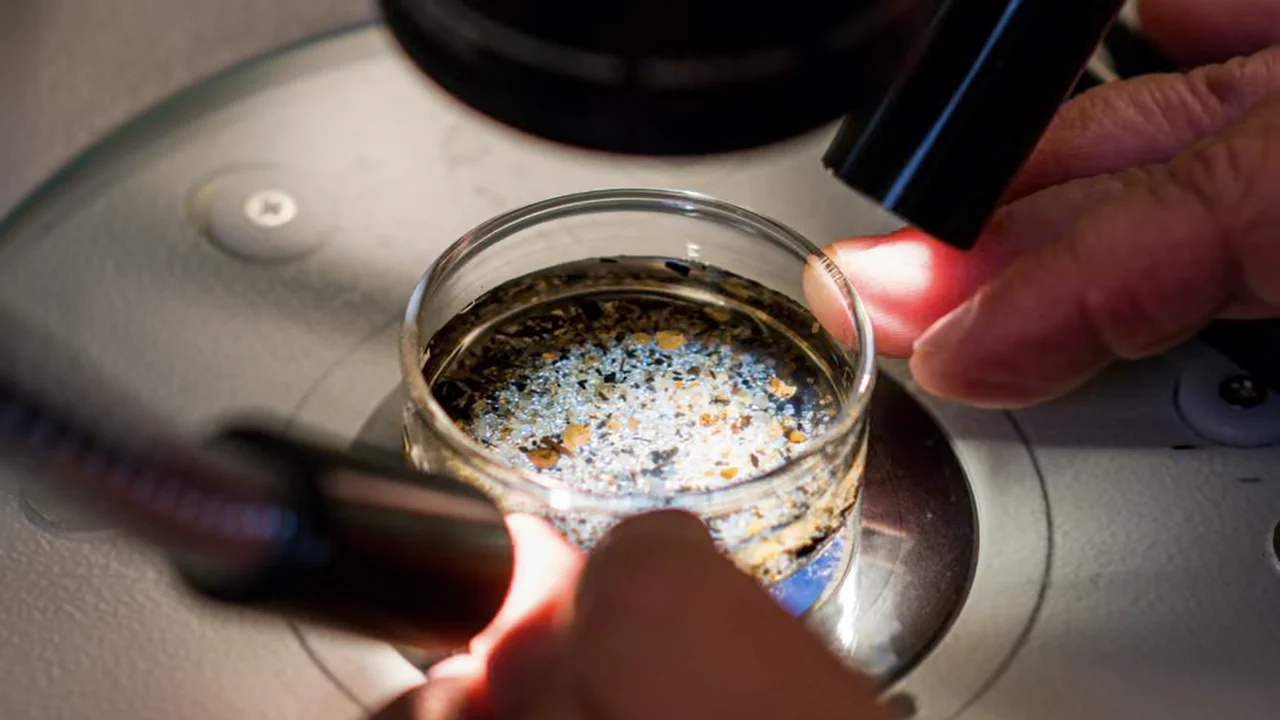
Microplastics have now been found in human follicular fluid and seminal fluid. This article explores the fast-growing body of research on microplastics and fertility, what scientists know and do not yet know about their effects on eggs and sperm, and practical, evidence-based ways that couples can reduce their everyday exposure.

Fertility conversations often focus on women, yet new research on sperm epigenetics shows a father's environment matters too. This article explains how air pollution may alter chemical marks on sperm DNA, why those changes could matter for fertility and pregnancy, and the practical steps men can reasonably consider before conception.
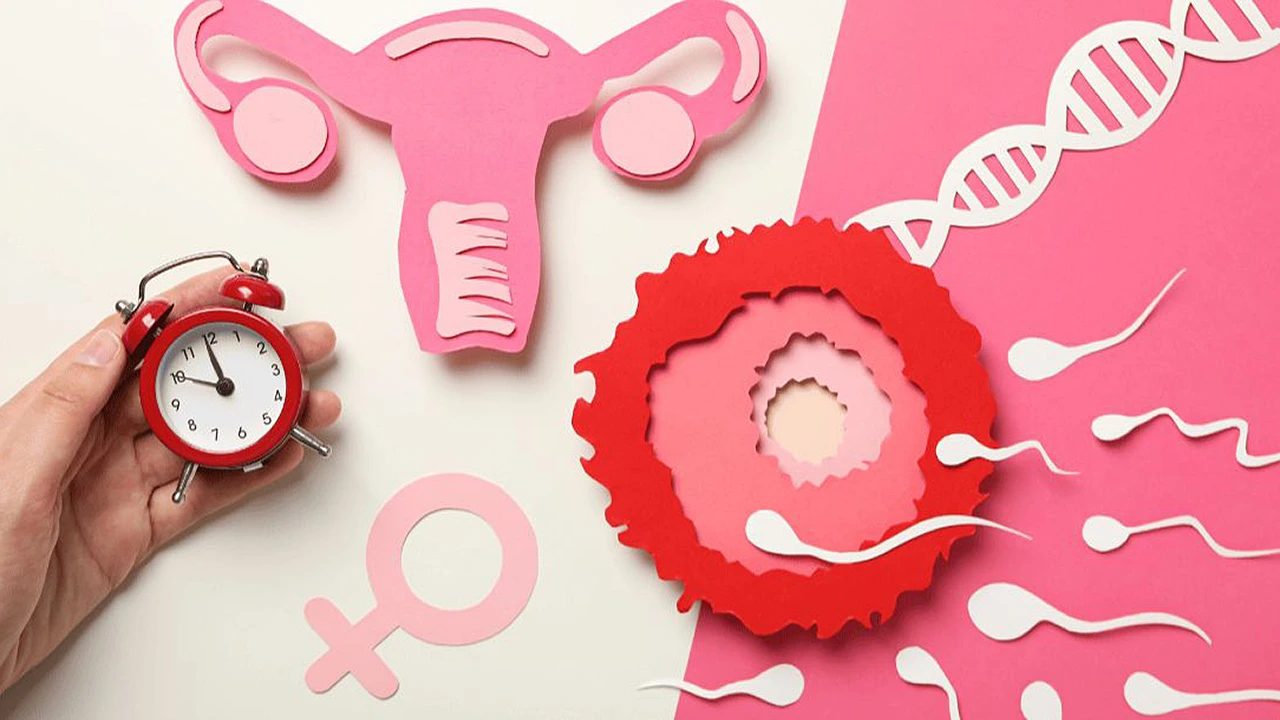
Donor eggs have long been seen as a way to reset the reproductive clock, but new research suggests uterine ageing also plays a role. This article explains what the latest evidence shows, how the ageing uterus may affect implantation and pregnancy, and how women in their late forties can prepare.

In vitro gametogenesis, the science of creating eggs and sperm from ordinary body cells, has moved from mouse studies towards human research. This article explains how the approaches work, what recent milestones really show, the obstacles that remain and why clinical use is still likely to be several years away.
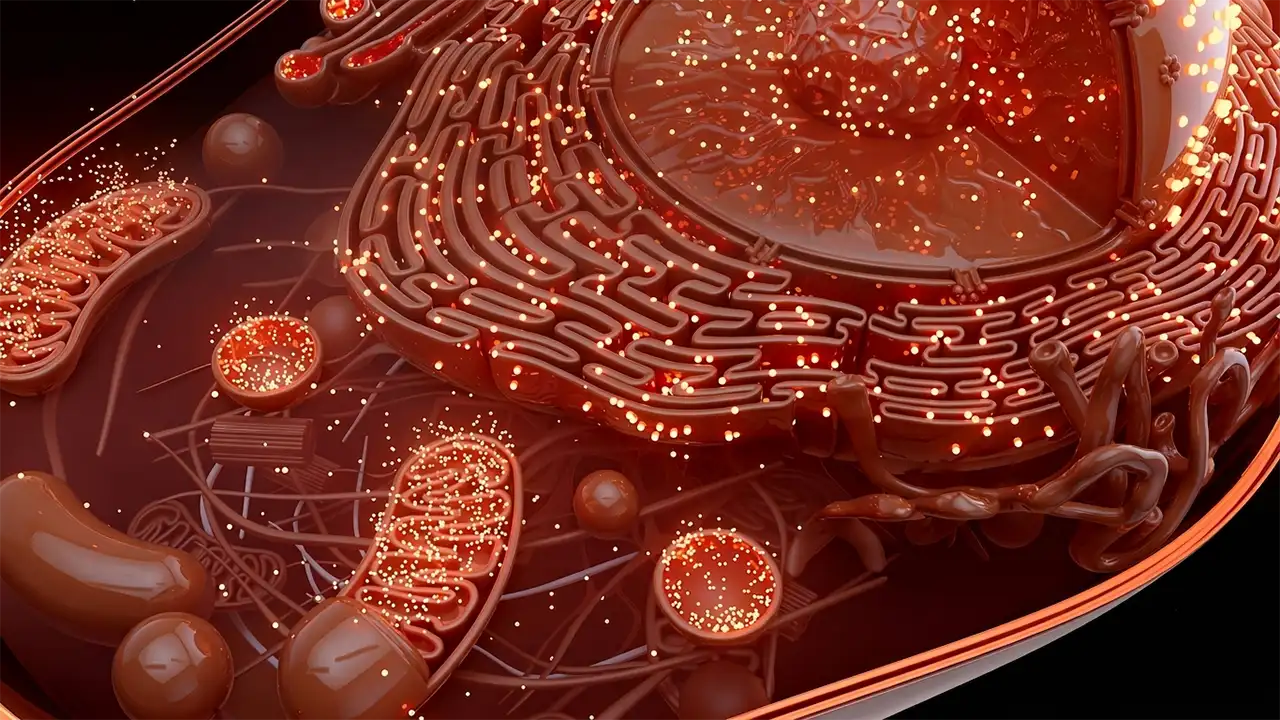
Mitochondrial donation, often called three-parent IVF, has now produced the first detailed clinical results, with healthy children born to mothers at high risk of passing on mitochondrial disease. This article explains how the technique works, who it is for, what the evidence shows and which scientific questions remain open

A new AI sperm recovery technique is changing the outlook for men with azoospermia. This article explains how the STAR method scans semen samples for rare hidden sperm, what its first reported pregnancy means, who may benefit, and the key questions couples should raise with their own fertility specialist.