Home
 ArticlesArticles
Intracytoplasmic Sperm Injection (ICSI) has transformed Male Infertility Treatment, enabling men with severe fertility issues to conceive biological children. By allowing even the weakest sperm to fertilize an egg, ICSI has significantly improved success rates in Male Infertility Treatment and provided new hope for couples facing infertility challenges.




For many couples, male infertility treatment has been a crucial solution to overcoming long-standing obstacles to conception. Traditionally, when a man's fertility was hampered, couples were confronted with the terrifying reality of never having biological children. The early 1990s saw the introduction of intracytoplasmic sperm injection (ICSI), which revolutionised the treatment of male infertility. The text describes a technique that has enabled men with severe fertility issues to father children, offering new hope for couples facing infertility. People were not created in a society where any challenges with male-factor infertility might be a contributing factor to fertility treatments, and ICSI has revolutionised the way the assisted reproduction movement works.
Male infertility was usually marked with poor treatment outcomes before the introduction of ICSI. The primary purpose of traditional fertility treatments like In vitro fertilization (IVF) is to address female infertility, which IVF effectively does in many cases, but male infertility can often remain unaddressed through this process. IVF is based on how sperm naturally fertilises an egg, a process that is known to be impaired in men with conditions such as low sperm count, or oligospermia, or sperm motility, or asthenospermia, or sperm conditions, or teratospermia.
Azoospermia (the absence of sperm in the ejaculate) is one of the most severe forms of male infertility. Traditional IVF failed in such instances because no sperm was available to fertilize the egg. Similarly, traditional IVF methods often failed when sperm were present but lacked the proper motility or shape necessary to reach and fertilize the egg.
Treatment options for male infertility were severely limited prior to the introduction of ICSI. Some cases, such as those with azoospermia, underwent sperm retrieval procedures like testicular sperm extraction (TESE), but the results were not reliable. Many couples with male-factor infertility then had little hope of achieving a biological pregnancy.
The development of ICSI (Intracytoplasmic Sperm Injection) in the early 1990s marked a paradigm shift in the treatment of male infertility. That technique was developed by Dr. Gianpiero Palermo along with his colleagues at the Vrije Universiteit Brussel in Belgium. ICSI involves directly injecting sperm into the cell cytoplasm, which is the liquid substance of the egg.
It was not until 1992 that Dr. Palermo and his team succeeded in developing and performing the first ICSI procedure, which resulted in a viable pregnancy. This moment did not just revolutionise reproductive medicine but was also important in the history of reproduction because it showed that fertilization could occur with sperm previously thought incapable of producing a successful natural fertilization. When the first baby conceived with the method was born in 1993 a girl, it was a milestone for the field and offered another glimmer of hope to couples who coped with male infertility.
ICSI is a highly specialized and successful method that directly bypasses the natural obstacles to fertilization that male infertility typically brings.

The influence of ICSI on male infertility was indeed beneficial and comprehensive. This procedure has enabled men with severe male fertility problems, including low sperm counts, impaired sperm motility, and azoospermia, to have biological children. Here’s the impact ICSI had on treating male infertility:
Benefits: Male infertility can be emotionally challenging for many couples. It commonly produces frustration, guilt, and helplessness.” A sense of empowerment Alongside this, ICSI has impacted the men listening to and learning from the research surrounding infertility; for them, the development of ICSI has offered a tangible solution to infertility. It has allowed many men to become fathers and has ensured that couples hold on to their hopes of having a biological child.
ICSI has undoubtedly led to major advantages, but it has also raised ethical issues, especially when it comes to manipulating the human gametes and potentially long-term health risks to children conceived via ART. Research has been done in this area to assess whether children from ICSI-born children are at higher risk for genetic or developmental disorders; the risks appear to be comparable to children conceived with conventional IVF in general. However, ethical regulations and guidelines are developing to ensure responsible practice as the use of ICSI continues to expand.

ICSI transformed the management of male infertility, but reproductive medicine advances in clinical and laboratory techniques still continue. Recent advances in genetic screening methods, including preimplantation genetic testing (PGT), may enable researchers to select healthier sperm and embryos with even greater precision. Research on sperm biology, combined with advances in gene editing, may further enhance the efficacy and safety of ICSI in the future.
ICSI has revolutionised treatment for male infertility, capturing a solution for men with severe sperm defects and increasing hope for couples with few options. By allowing a lone sperm to penetrate an egg, ICSI overcomes many natural barriers to fertilization, enabling many men to have biological children. This innovation has revolutionized assisted reproductive technology, providing a mechanism for previously unchecked infertility and one of the best medical achievements in reproductive medicine.


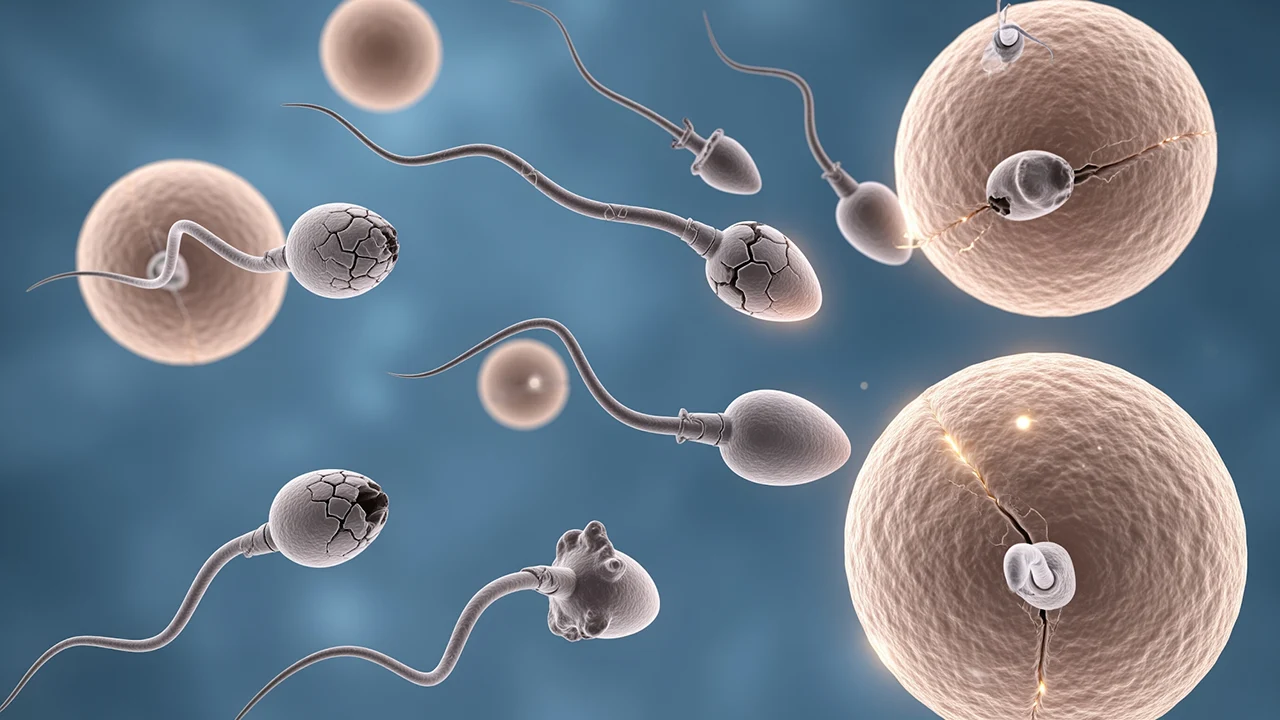
The innovative solution of Intracytoplasmic Sperm Injection (ICSI), designed to tackle male infertility challenges such as low sperm count and poor motility. ICSI creates new opportunities for couples who are eager to start a family by directly injecting a single sperm into an egg. Discover how this groundbreaking technique is transforming the landscape of reproductive medicine and offering hope to those facing infertility.
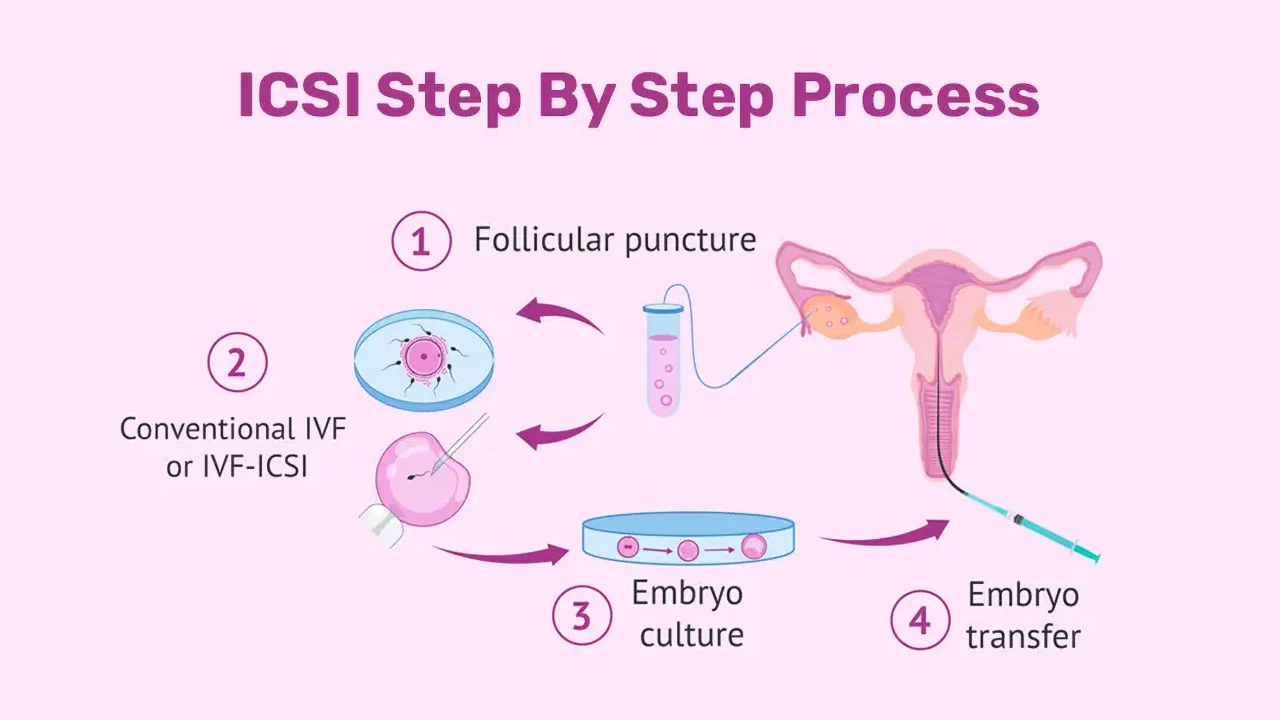
ICSI (Intracytoplasmic Sperm Injection) is an advanced fertility treatment where a single sperm is injected directly into an egg. This procedure helps couples overcome male infertility challenges like low sperm count or poor motility, offering hope for biological parenthood when conventional IVF methods aren't successful.
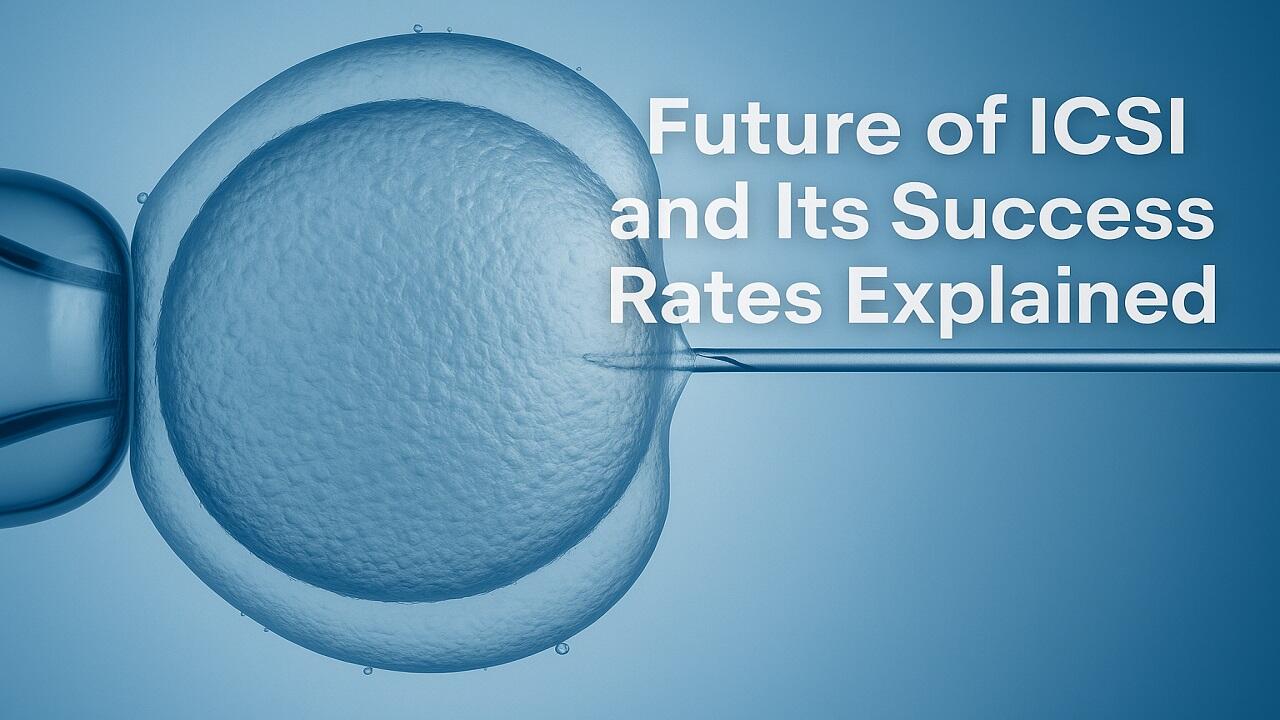
The article discusses "The Future of ICSI", emphasizing advancements like new sperm selection technologies, genetic screening, and stem cell research, all improving success rates and treatment effectiveness. These innovations are making Intracytoplasmic Sperm Injection (ICSI) a more promising solution for couples facing male infertility.
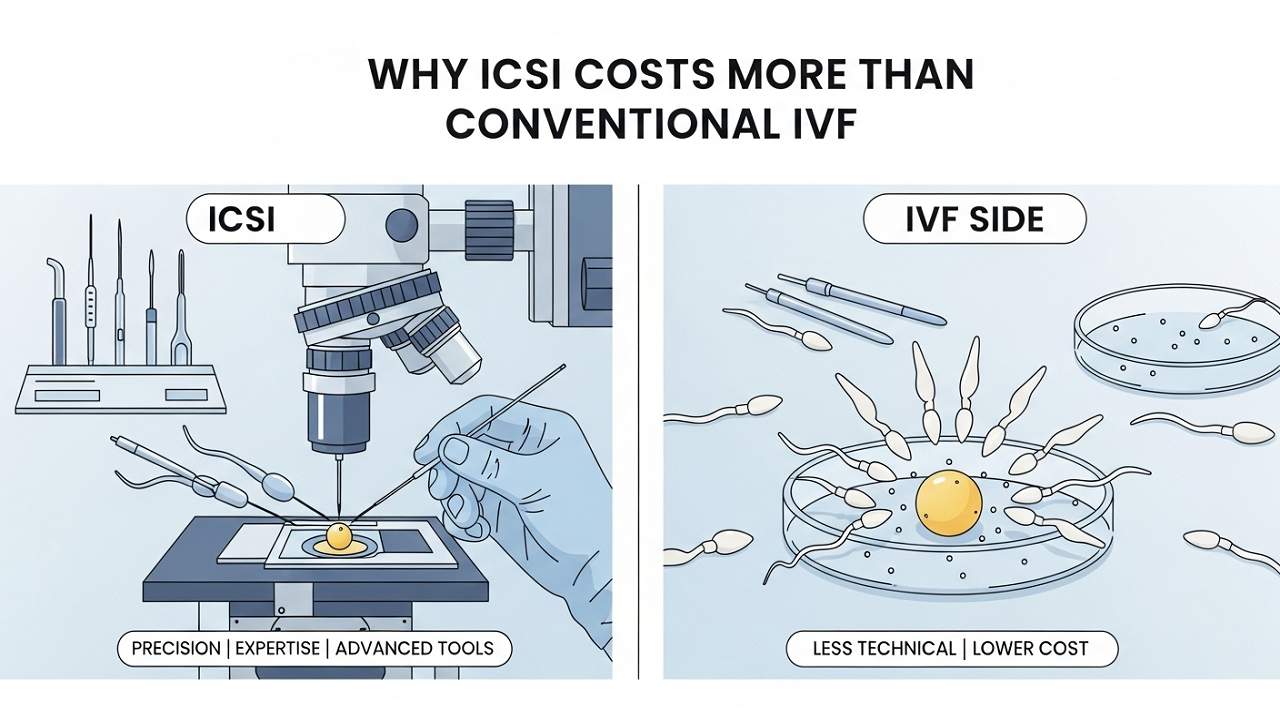
The Intracytoplasmic Sperm Injection (ICSI) procedure, where a single sperm cell is injected directly into an egg, a specialized form of In Vitro Fertilization (IVF), is typically more costly due to its complexity, requiring skilled embryologists and specialized equipment. It is particularly beneficial for couples facing male infertility issues, as it increases the chances of fertilization and successful pregnancies.

Mental health during fertility treatments is vital to cope with stress, anxiety, and emotional ups and downs. By focusing on self-care, resilience, and fostering hope, individuals can navigate challenges and maintain their mental health during fertility treatments while building a positive outlook for their fertility journey.

The history and inception of Intracytoplasmic Sperm Injection (ICSI) began with early advancements in micromanipulation, leading to its first successful use in the 1990s to treat male infertility. The history and inception of ICSI revolutionized assisted reproduction, offering hope to couples by enabling fertilization even in cases of severe sperm-related challenges.