Home
 ArticlesArticles
How male age and sperm proteomics influence fertility, revealing impacts often hidden beyond standard semen analysis. It highlights how ageing alters protein expression, increasing DNA damage, oxidative stress, and IVF failure risks. With emerging diagnostics and lifestyle interventions, the piece underscores a shift toward shared responsibility in reproductive success.



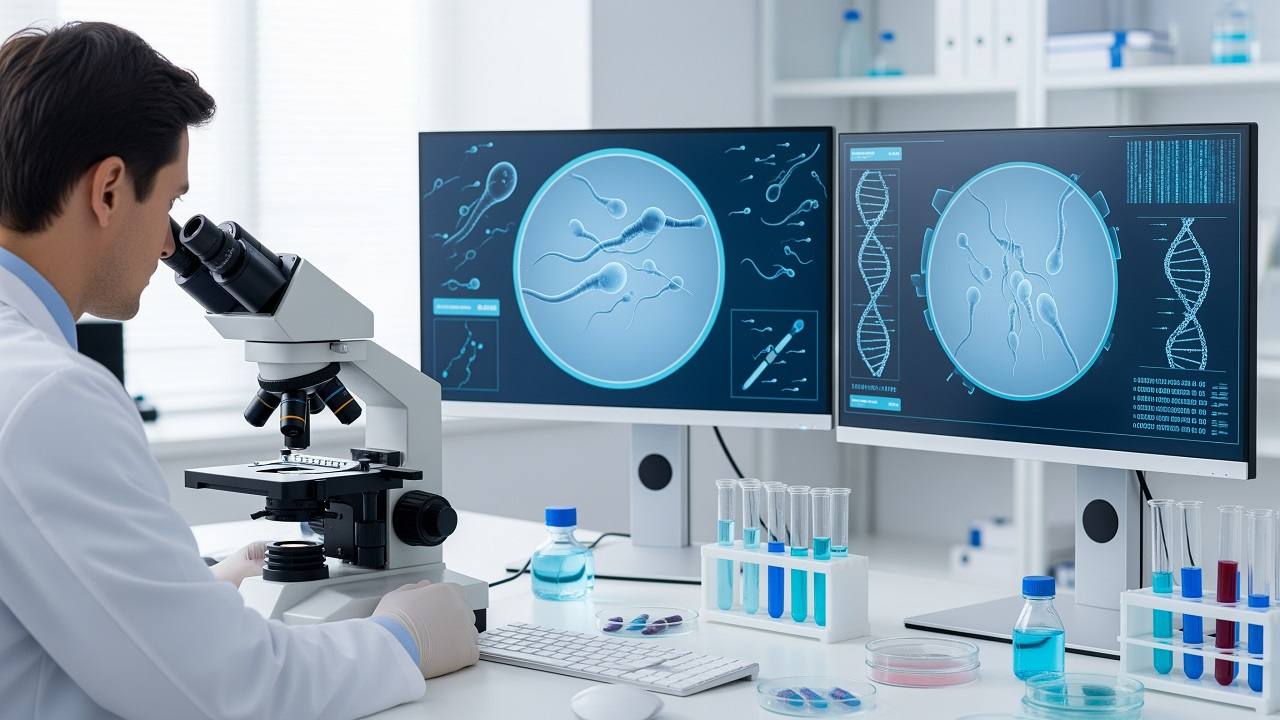
For decades, the primary focus of fertility conversations was women's biological clock. Yet, in recent years, science has begun dismantling this one-sided view, revealing the critical role of male factors in conception. A man’s age, long assumed to be secondary, is increasingly recognised as a determinant of reproductive outcomes. At the heart of this is the cutting-edge field of sperm proteomics, which investigates how proteins within spermatozoa influence function, fertilisation, and embryonic development. Understanding how male age and sperm proteomics interact offers not just scientific curiosity but also profound clinical implications for assisted reproduction.
As societies shift toward later parenthood, with men as likely as women to delay family-building, this question becomes more urgent. From subtle alterations in protein expression to tangible impacts on embryo viability, the ageing male genome and proteome cast long shadows on fertility success.
Proteomics, the large-scale study of proteins, provides a window into sperm health beyond traditional semen analysis. Standard parameters, like count, motility, and morphology only reveal part of the story. Proteomic studies identify the molecular machinery driving processes such as capacitation, acrosome reaction, motility regulation, and DNA packaging.
Age has been shown to subtly remodel this proteomic landscape. In younger men, sperm proteins are abundant in enzymes supporting energy metabolism, DNA repair proteins, and chaperones maintaining structural integrity. However, advancing paternal age is often accompanied by reduced expression of DNA-stabilising proteins and increased oxidative stress markers, both of which weaken sperm resilience. These shifts do not always manifest in semen count or motility but reveal themselves during fertilisation and embryo development.
One of the most consistent findings in reproductive research is the correlation between older paternal age and higher sperm DNA fragmentation. Proteins involved in chromatin compaction, such as histones and protamines, are crucial here. When their ratios are disturbed, sperm DNA is left vulnerable to breaks. This explains why male age and sperm proteomics are central to fertility outcomes, ultimately reducing the likelihood of healthy fertilisation.

Studies published in journals, like Human Reproduction Update, emphasise that oxidative stress is a driving force behind this damage. With age, sperm proteomes increasingly reflect upregulation of stress response proteins and downregulation of antioxidant defences. In clinical terms, this translates to lower embryo quality, increased risk of failed implantation, and even higher chances of miscarriage.
In assisted reproductive technologies (ART), paternal age becomes a crucial consideration. While intracytoplasmic sperm injection (ICSI) can bypass poor motility or morphology, it cannot fully compensate for proteomic damage at the DNA or protein level. Research shows that embryos derived from older fathers may exhibit compromised developmental kinetics, even if fertilisation occurs successfully.
To clarify, male age influences IVF outcomes in several ways:
This highlights why reproductive specialists increasingly stress a dual evaluation of both maternal and paternal age when predicting IVF success.
Beyond biology, the age-related decline in male fertility carries psychosocial implications. Men often delay fatherhood, assuming minimal biological impact, yet couples facing repeated IVF failures often discover paternal factors at the root. The emotional toll can be profound, compounded by societal narratives that place reproductive responsibility almost exclusively on women.
Clinicians are beginning to adopt a more holistic approach, using male age and sperm proteomics as diagnostic adjuncts. This not only personalises treatment strategies but also reframes fertility counselling as a shared responsibility.
The future holds promise in mitigating the effects of paternal ageing. Lifestyle interventions exercise, diet, and antioxidant supplementation have shown some capacity to restore proteomic balance. Experimental therapies targeting oxidative stress pathways are under exploration, with early trials suggesting improvements in sperm DNA integrity.
Meanwhile, advances in proteomic profiling could soon allow fertility clinics to offer more precise diagnostics, predicting outcomes with greater accuracy. The frontier lies in personalised reproductive medicine, where interventions are tailored based on molecular signatures rather than broad demographic categories.
The evidence is unequivocal: male age and sperm proteomics shape not only the chances of conception but also the long-term health of offspring. While the decline is subtle compared to the sharp drop in female fertility, its implications are far-reaching. As more couples delay parenthood, recognising the proteomic shifts in ageing sperm will be essential to improving IVF outcomes and ensuring reproductive success.
Male fertility, long cast in the shadow of female biology, is finally emerging into the spotlight. By acknowledging the proteomic complexities of ageing sperm, reproductive science is moving toward a future where fertility is viewed not as a woman’s burden, but as a shared biological journey.


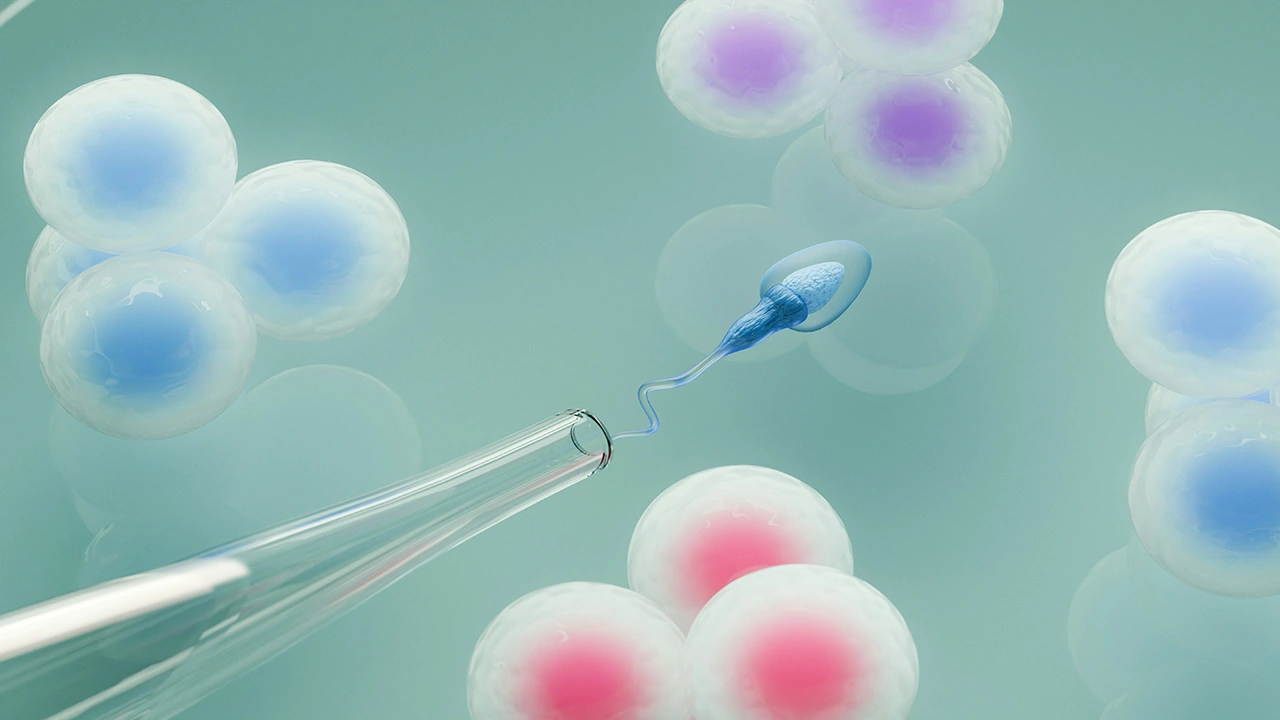
For men with extremely low sperm counts or with sperm retrieved surgically, every single sperm is precious. This article explains how single sperm freezing preserves individual sperm for ICSI, which men may benefit, how it differs from conventional sperm freezing and what the current evidence shows about its outcomes.
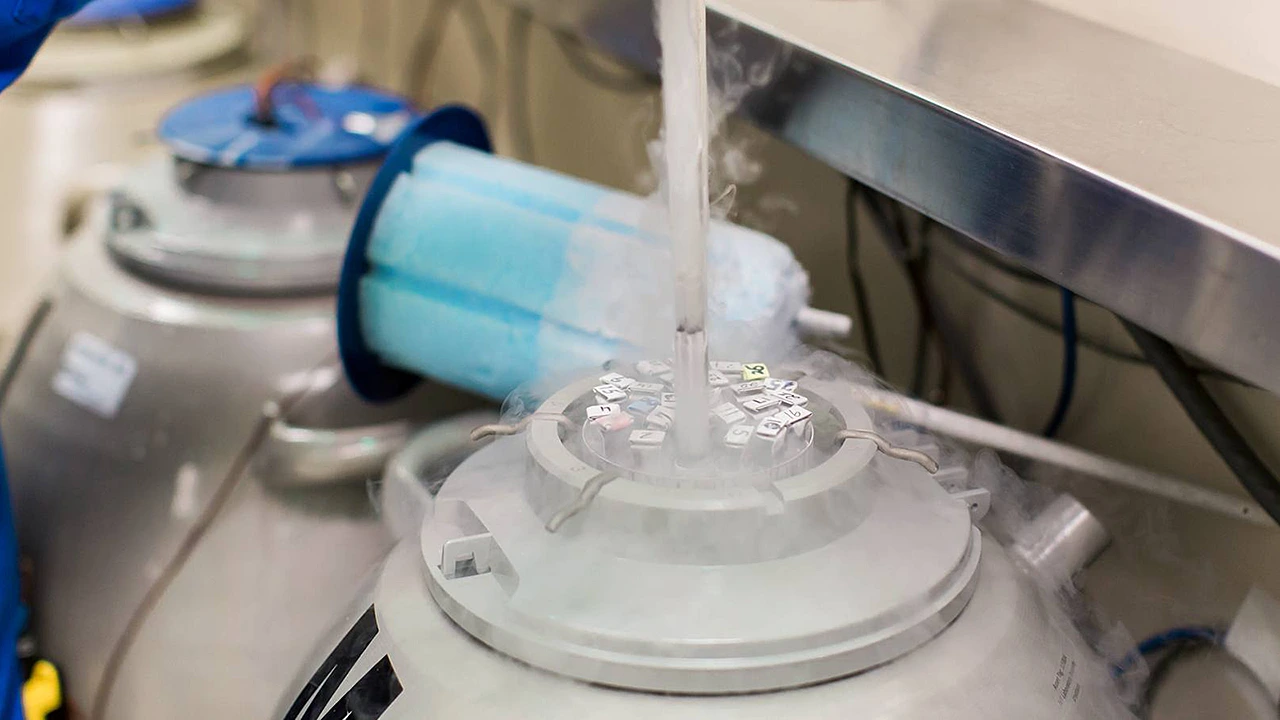
Egg freezing in UK is becoming an increasingly established fertility preservation option. This report examines the rise in egg-freezing activity, UK data, age-related factors, storage and utilisation, and why frozen eggs do not guarantee a future pregnancy. It explores what current evidence means for women considering fertility preservation and reproductive choices.
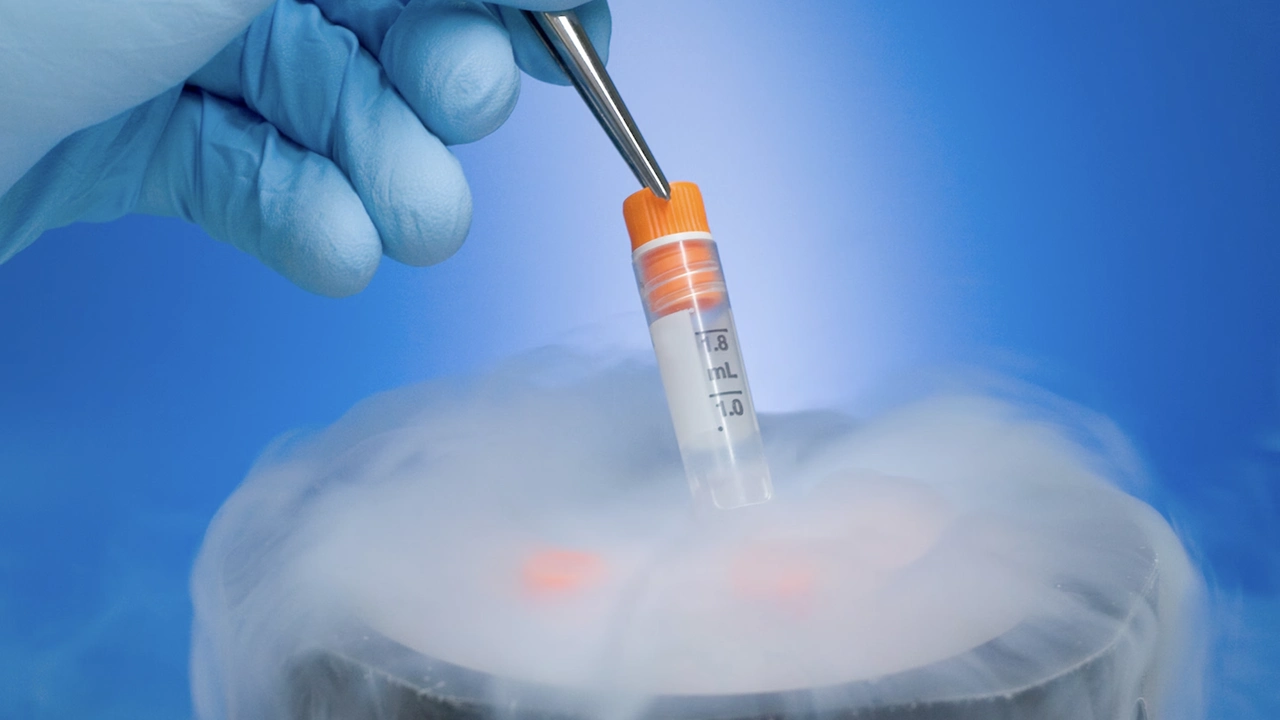
Frozen Egg Thawing survival rates average 80–90% with modern vitrification. Age at freezing is the biggest success factor, younger eggs fertilize better and develop stronger embryos. Banking 10–20 mature eggs improves live birth odds. ICSI remains the gold standard, with blastocyst transfer offering the highest implantation rates.
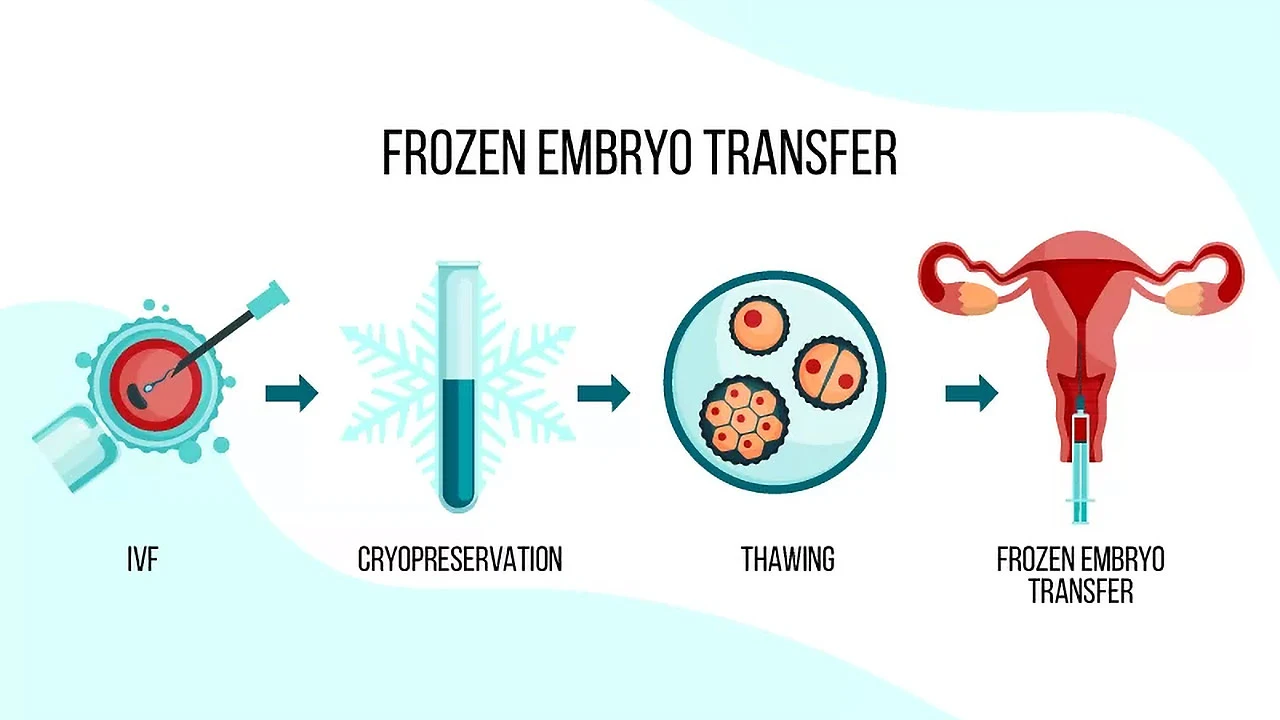
Frozen embryo transfer (FET) is a fertility procedure where previously created and frozen embryos are thawed and placed into the uterus. This comprehensive guide explains the FET process, success rates, benefits, and why it's become a preferred option for many people navigating infertility treatment and building their families.
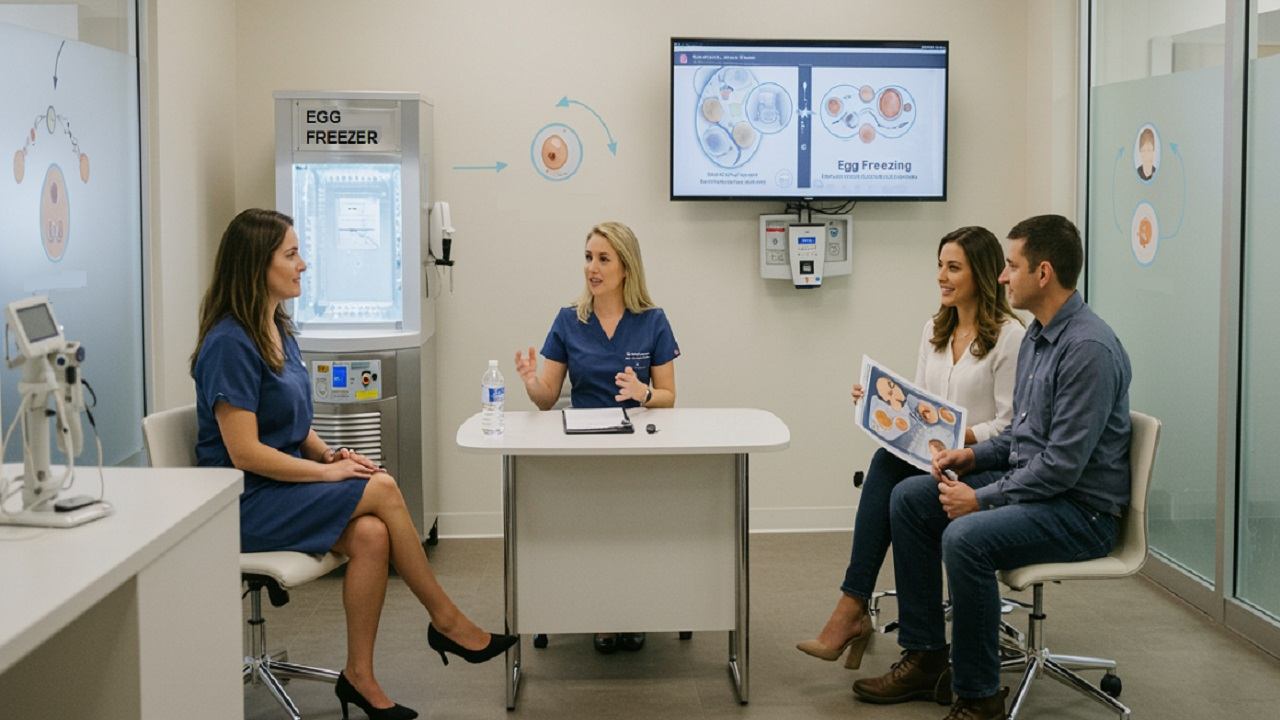
The vital role of fertility preservation and egg donation in helping women overcome reproductive challenges, allowing them to control their family planning. It highlights how these advancements in reproductive medicine enable women to preserve their fertility and access healthier eggs for future pregnancies.
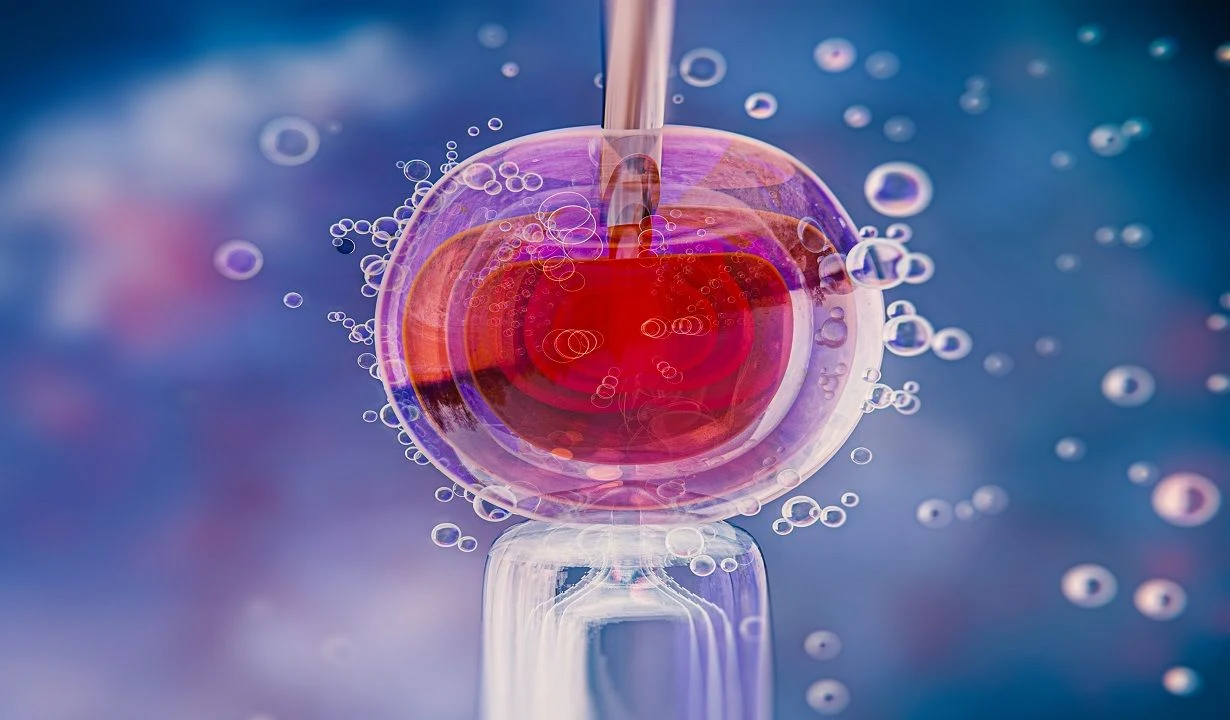
Egg freezing does not reduce natural fertility or ovarian reserve. This comprehensive guide examines how oocyte cryopreservation works, success rates by age, potential risks including OHSS, costs, and psychological benefits. Facts about preserving reproductive options while maintaining natural conception ability for career-focused and medically indicated fertility preservation.

The best age to freeze sperm and eggs depends on biology, fertility health, and personal choice. Experts recommend egg freezing before 35 and sperm freezing before 40 for stronger outcomes. Advances in technology and lifestyle factors also shape fertility preservation decisions.

