Home
 ArticlesArticles
Egg freezing in UK is becoming an increasingly established fertility preservation option. This report examines the rise in egg-freezing activity, UK data, age-related factors, storage and utilisation, and why frozen eggs do not guarantee a future pregnancy. It explores what current evidence means for women considering fertility preservation and reproductive choices.



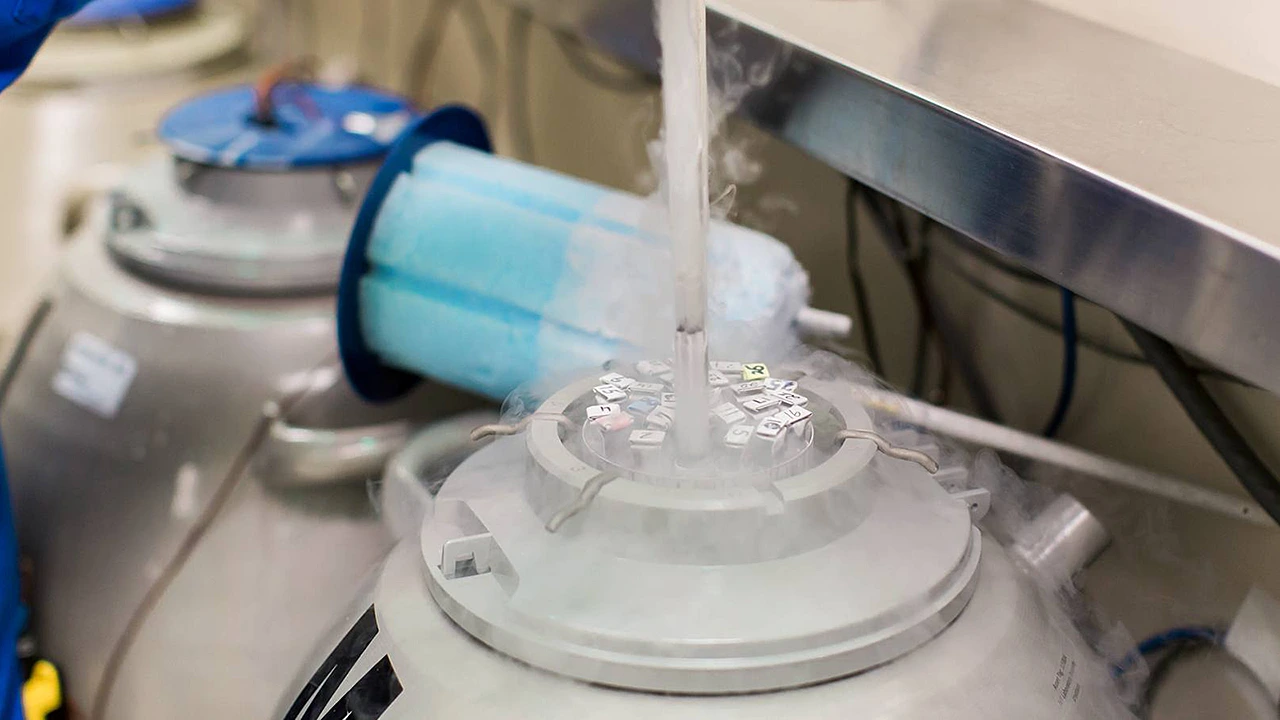
Egg freezing in UK fertility care has become increasingly visible as more women seek to preserve the possibility of having children later in life. The treatment offers a way to store unfertilized eggs for potential future use, allowing women to preserve eggs collected at a younger age rather than relying entirely on their future fertility.
But the growing popularity of egg freezing has also raised an important question: what happens to those eggs after they are placed in storage?
Available evidence suggests that the number of women who eventually return to use their frozen eggs is considerably smaller than the number who undergo egg-freezing treatment. That does not mean that egg freezing has failed for those who do not return. A woman may later conceive naturally, decide not to pursue parenthood, choose another route to building a family or simply not reach the point at which she wants to use her stored eggs.
The distinction is important because egg freezing preserves an option for future fertility treatment; it does not guarantee that a pregnancy or birth will eventually result.
Egg freezing was once largely associated with fertility preservation for medical reasons, particularly for patients undergoing treatments such as chemotherapy that could affect reproductive function. It is now increasingly used for what is commonly described as elective or non-medical fertility preservation.
The reasons for choosing the procedure can vary considerably. Some women may not currently be ready to have children, while others may not have found a suitable partner or may wish to delay parenthood for personal, professional or social reasons.
The Human Fertilization and Embryology Authority, the UK's fertility regulator, has recorded a substantial long-term increase in the number of patients freezing their eggs. At the same time, the regulator cautions that the number of patients subsequently using their stored eggs remains low. This creates an important distinction between the popularity of egg freezing and its eventual use. A rise in freezing activity does not automatically mean that the same proportion of stored eggs will later be thawed and used in fertility treatment.
The latest HFEA figures show that the number of patients freezing eggs increased from around 700 in 2014 to 5,580 in 2024, while egg-freezing cycles reached 6,932 in 2023, compared with 2,567 in 2019. In 2024, the number of patients freezing eggs continued to reflect the longer-term rise, although the number of egg-freezing cycles remained broadly similar to the previous year. HFEA also reported that egg and embryo freezing together represented 17% of treatment and storage cycles in 2024.
The gap between freezing and subsequent use is one of the most significant aspects of the current evidence. HFEA has previously highlighted research showing that relatively few women who freeze their eggs return to use them. The regulator has stressed that egg freezing should not be viewed as an insurance policy against future infertility because the eventual chance of having a baby depends on several factors, including the age at which the eggs were frozen and the number of eggs stored.
More recent evidence submitted to the UK Parliament provides another indication of this gap. Evidence referring to a study from the London Women's Clinic reported that only a minority of women returned to use their frozen eggs. Among those who did return, some went on to achieve a live birth.
However, the return rate should not be interpreted as a measure of whether egg freezing was worthwhile for every individual. The decision to freeze eggs is often made years before a woman knows whether she will actually need them. A woman who becomes pregnant naturally, for example, may never need her stored eggs. Another may decide against having children. Someone else may choose to use fresh eggs, donor eggs or another fertility pathway instead.
The available evidence therefore says more about the difference between egg storage and egg utilisation than it does about whether individual decisions to freeze eggs were successful or unsuccessful.
Age is one of the central factors in understanding egg freezing. Both male fertility and female fertility naturally changes with age, largely because both the number and quality of available eggs decline over time. Egg freezing attempts to preserve eggs from an earlier point in reproductive life so that they may potentially be used later.
The Royal College of Obstetricians and Gynaecologists states that success with egg freezing is strongly associated with the age at which eggs are collected, with better outcomes generally seen when eggs are frozen at younger ages. Its latest scientific impact paper also highlights an important tension in current practice: many women choosing elective egg freezing are already in their later reproductive years, when the potential benefits of freezing are more limited.
This makes timing an important part of the conversation around fertility preservation. Egg freezing cannot turn back reproductive ageing. Instead, it attempts to preserve some of the reproductive potential that existed when the eggs were collected. That distinction is particularly important when discussing elective egg freezing with younger women. Freezing eggs earlier may offer better biological prospects, but choosing to undergo treatment earlier also means making a significant financial, physical and emotional decision before knowing whether the stored eggs will ever be required.
The reasons people do not return to use stored eggs are not necessarily negative. Research cited in evidence submitted to the UK Parliament suggests that people may not use their frozen eggs because they later conceive without assisted reproduction, no longer wish to become parents, do not want to pursue parenthood without a committed partner, or choose another route to having a child.
This is an important consideration when interpreting the low utilization of frozen eggs. A stored egg can effectively remain a future option without becoming part of a fertility treatment cycle. For some patients, that may represent a form of reproductive flexibility rather than an unused medical intervention.
At the same time, the relatively low rate of subsequent use means that patients need realistic information before deciding to freeze their eggs. The procedure involves ovarian stimulation, egg collection, freezing and storage, followed later by thawing and fertility treatment if the eggs are used.
The growing availability of egg freezing can sometimes create the impression that fertility can simply be paused and resumed whenever a person is ready.
The clinical evidence does not support such a guarantee. HFEA states that egg freezing is becoming more successful but is not a guarantee of having a baby. The regulator also advises patients to examine success rates carefully and to consider outcomes for people in their own age group.
The RCOG similarly emphasises the importance of clear information about likely outcomes, particularly because elective egg freezing is predominantly provided through the private sector and can involve significant financial costs. It also highlights concerns about inappropriate or inaccurate marketing around fertility preservation. The procedure should therefore be understood as preserving reproductive potential rather than purchasing a guaranteed future outcome.
The growth of egg freezing reflects broader changes in reproductive medicine and family formation. People are increasingly having children later in life, while fertility clinics have developed more effective freezing techniques. Vitrification, a rapid freezing method, has improved the survival of eggs during the freezing and thawing process and has helped make egg freezing a more established part of fertility preservation.
UK legislation has also changed the practical landscape. Eggs can now be stored for a much longer period than was previously permitted, subject to the renewal of consent. This potentially makes fertility preservation a longer-term option for people who freeze their eggs at a younger age.
But longer storage does not remove the biological considerations surrounding fertility. The age at which the eggs were collected remains central to their potential future use.
The current evidence points towards a more nuanced understanding of egg freezing in UK fertility care. The treatment can offer women an opportunity to preserve eggs at an earlier stage of reproductive life. For patients facing fertility-threatening medical treatment, it can form an important part of fertility preservation. For those choosing elective preservation, it can provide an additional reproductive option at a later stage.
But the existence of frozen eggs does not mean that a future pregnancy is assured. The number of eggs collected, the age at freezing, egg survival during thawing, fertilization, embryo development and the eventual embryo-transfer process can all influence outcomes. The fact that many women do not return to use their eggs also demonstrates that fertility preservation is not always a linear journey from freezing to pregnancy.
For patients, the most useful conversation may therefore be less about whether egg freezing guarantees a future child and more about what the procedure can realistically offer at a particular stage of life.
The rise of egg freezing in UK fertility care is an important development, but the story is not simply about more women freezing their eggs. It is also about what happens after the freezing process, how reproductive decisions change over time and how expectations around fertility preservation are communicated.
The available evidence shows a clear increase in interest in egg freezing, alongside a much smaller group returning to use their stored eggs. That gap deserves attention, not because it makes egg freezing unsuccessful, but because it illustrates how complex reproductive decisions can be.
Egg freezing can preserve an opportunity. Whether that opportunity is eventually needed, used or replaced by another path to parenthood depends on circumstances that cannot always be predicted when the eggs are frozen. For the growing number of women considering fertility preservation, that distinction may be one of the most important parts of the conversation.


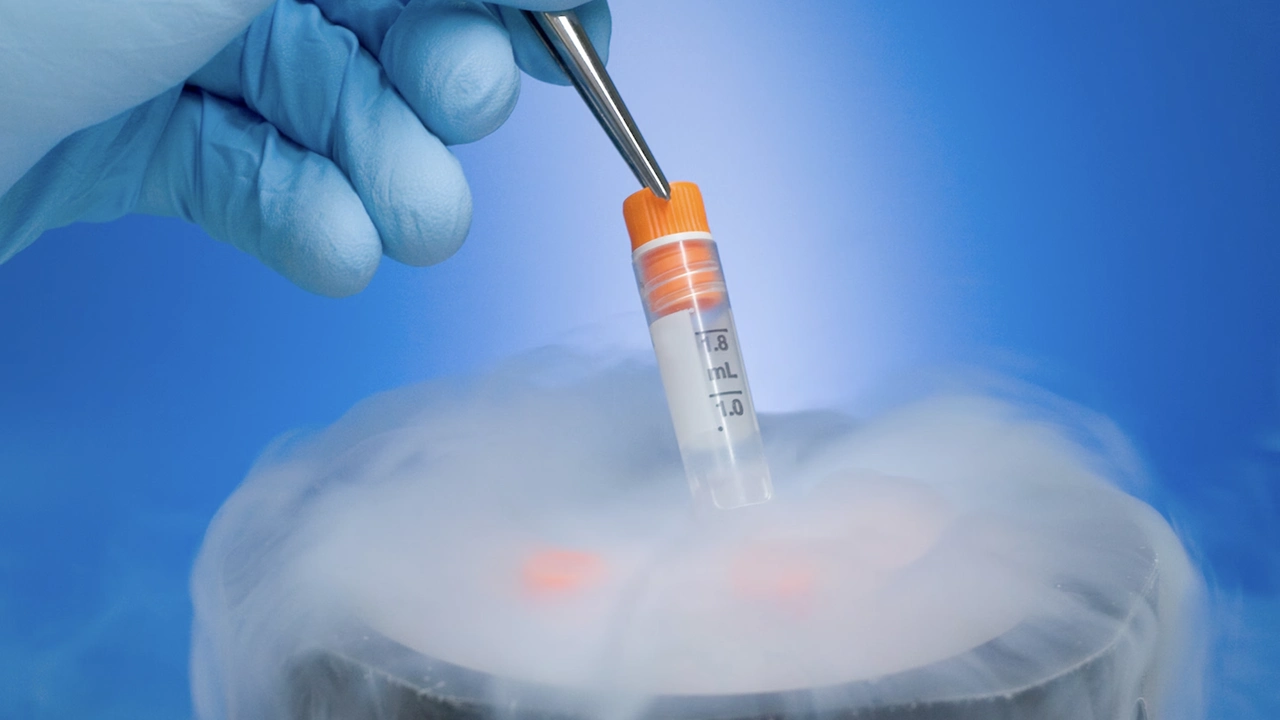
Frozen Egg Thawing survival rates average 80–90% with modern vitrification. Age at freezing is the biggest success factor, younger eggs fertilize better and develop stronger embryos. Banking 10–20 mature eggs improves live birth odds. ICSI remains the gold standard, with blastocyst transfer offering the highest implantation rates.
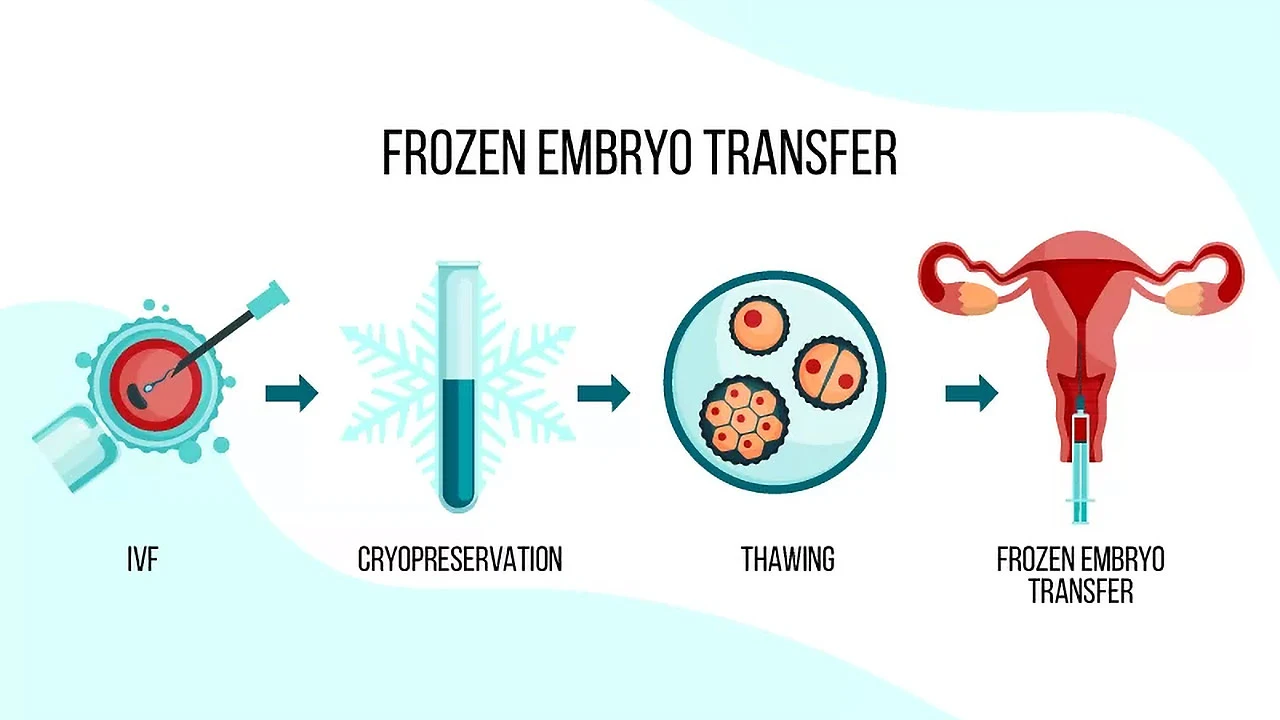
Frozen embryo transfer (FET) is a fertility procedure where previously created and frozen embryos are thawed and placed into the uterus. This comprehensive guide explains the FET process, success rates, benefits, and why it's become a preferred option for many people navigating infertility treatment and building their families.
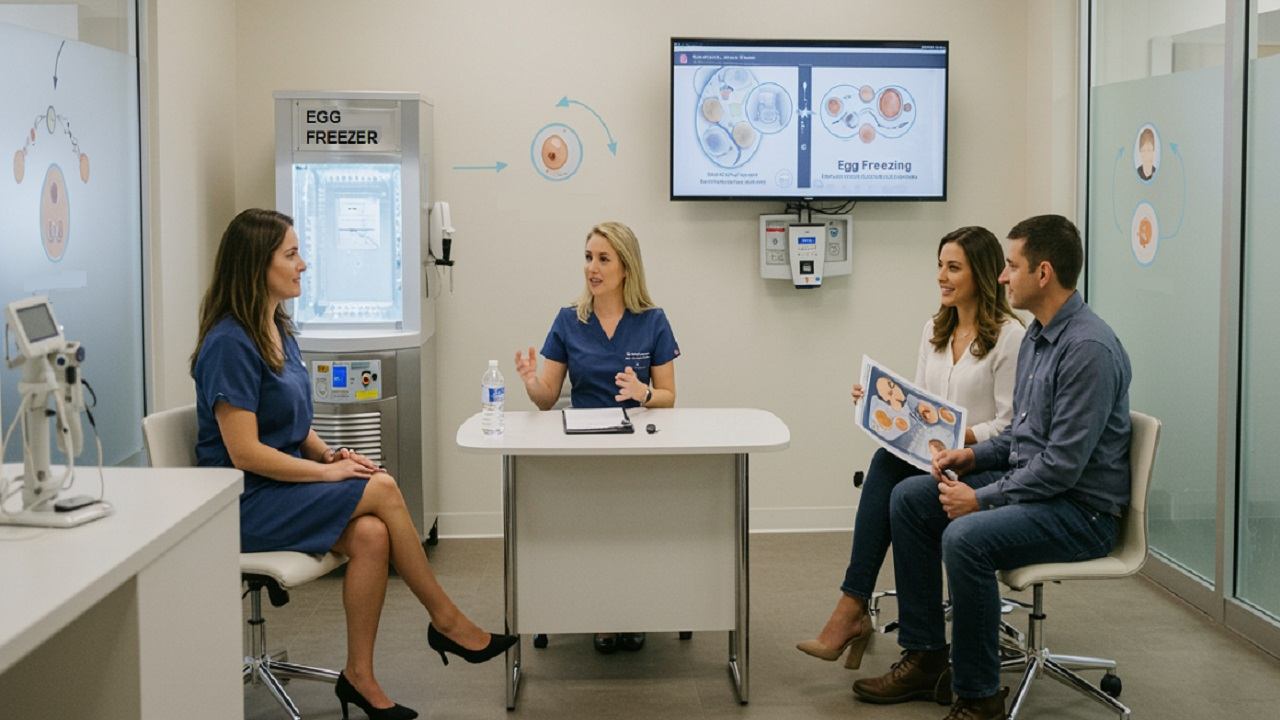
The vital role of fertility preservation and egg donation in helping women overcome reproductive challenges, allowing them to control their family planning. It highlights how these advancements in reproductive medicine enable women to preserve their fertility and access healthier eggs for future pregnancies.
Egg freezing does not reduce natural fertility or ovarian reserve. This comprehensive guide examines how oocyte cryopreservation works, success rates by age, potential risks including OHSS, costs, and psychological benefits. Facts about preserving reproductive options while maintaining natural conception ability for career-focused and medically indicated fertility preservation.

The best age to freeze sperm and eggs depends on biology, fertility health, and personal choice. Experts recommend egg freezing before 35 and sperm freezing before 40 for stronger outcomes. Advances in technology and lifestyle factors also shape fertility preservation decisions.
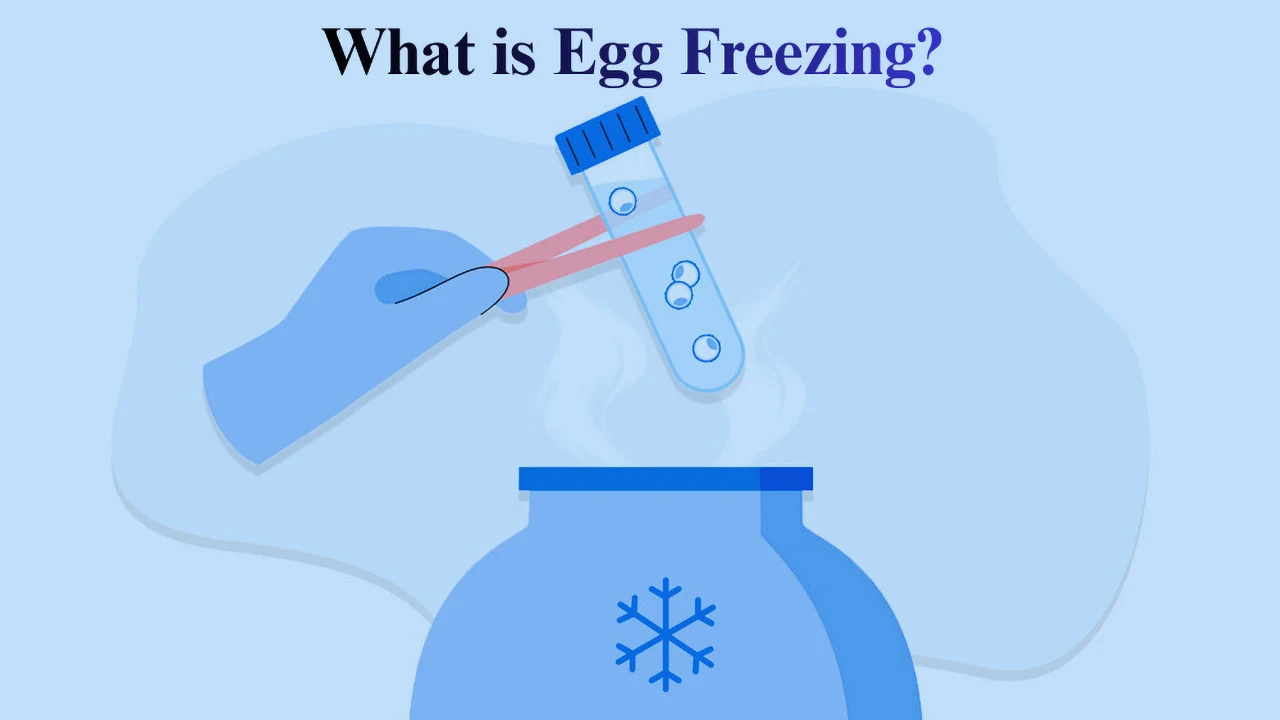
Egg freezing allows women to preserve their fertility by extracting, freezing, and storing eggs for future use. Whether postponing parenthood for career, personal reasons, or medical treatments, this comprehensive guide explains the process, costs, success rates, and who should consider this increasingly popular fertility preservation option.