Home
 ArticlesArticles
Undergoing IVF impacts natural fertility long-term. The hormonal changes, ovarian response, embryo quality, and lifestyle factors provide evidence-based insights on how IVF interacts with future reproductive potential and strategies to preserve fertility.




For couples navigating the complex journey of assisted reproduction, in vitro fertilisation (IVF) often represents hope, precision, and the possibility of parenthood. Yet, alongside the promise, lingering questions arise: Does undergoing IVF have long-term effects on natural fertility? Understanding this intersection between medical intervention and future reproductive potential is essential, not only for immediate success but also for long-term reproductive planning.
Historically, the primary concern was whether intensive hormonal stimulation and oocyte retrieval could deplete ovarian reserves or alter natural fertility trajectories. Emerging evidence now provides a nuanced picture: while IVF is generally safe, factors such as age, ovarian health, and lifestyle can modulate outcomes, highlighting the importance of personalised reproductive care.
IVF protocols involve controlled ovarian hyperstimulation, which temporarily elevates estrogen and other reproductive hormones to produce multiple mature eggs. This pharmacological approach can raise concerns about potential long-term endocrine disruption. Clinical studies indicate that while hormone levels normalise within weeks post-treatment, subtle variations in ovarian function may persist temporarily.
Obesity, in particular, adds complexity. Women with higher body mass indexes often exhibit altered hormonal responses to IVF medications, requiring higher doses and sometimes yielding fewer viable oocytes. These adjustments do not appear to compromise long-term ovarian function, but they can affect immediate cycle efficiency and embryo quality.
A critical consideration for natural fertility post-IVF is whether the procedure affects the quality of remaining eggs and the uterine environment. Research suggests that the retrieval of multiple oocytes does not permanently impair ovarian reserve. However, the woman's baseline health, lifestyle choices, and underlying fertility issues may have an impact on implantation success.
Emerging studies highlight that while IVF embryos are carefully selected, repeated cycles in quick succession could slightly impact egg quality due to cumulative stress on ovarian follicles. This effect, though measurable in clinical metrics, rarely translates into lasting infertility.
Beyond biological effects, IVF can intersect with broader reproductive and psychosocial outcomes. Women who undergo IVF often face heightened anxiety and emotional strain, which can indirectly influence reproductive health. Additionally, obesity is associated with increased pregnancy complications, such as gestational diabetes, preeclampsia, and higher caesarean rates. Addressing these risks through counselling, lifestyle interventions, and close obstetric monitoring is integral to preserving long-term fertility and well-being.
Medical innovation continues to refine IVF strategies by emphasising safety and long-term reproductive preservation. Techniques such as ovarian tissue cryopreservation, individualised hormonal dosing, and minimally invasive retrieval protocols aim to minimise stress on natural fertility.
Lifestyle interventions weight management, exercise, and nutritional optimisation have proven especially beneficial for women with obesity. Studies consistently show improved ovarian response, higher-quality embryos, and increased implantation success, underscoring the interplay of biology and lifestyle in reproductive outcomes.
For clarity, consider the primary findings from clinical literature regarding IVF and long-term fertility:

So, does undergoing IVF have long-term effects on natural fertility? The prevailing evidence reassures that IVF, when conducted judiciously and under professional guidance, does not compromise future reproductive potential for most women. Factors such as age, baseline ovarian reserves, obesity, and lifestyle significantly shape outcomes, underscoring the importance of personalised fertility strategies.
With ongoing advances in reproductive medicine and a holistic approach to health, IVF emerges not as a threat to natural fertility but as a powerful tool that coexists with the body’s intrinsic reproductive potential. Women seeking IVF can take comfort knowing that careful planning, lifestyle optimisation, and informed medical guidance will preserve their long-term fertility prospects.



Advanced female age causes fertility decline through reduced egg quantity, increased chromosomal abnormalities, and mitochondrial dysfunction. Understanding these biological mechanisms helps women make informed family planning decisions. Modern fertility treatments including IVF, preimplantation genetic testing, and egg freezing offer practical solutions to overcome age-related reproductive challenges when trying to conceive.
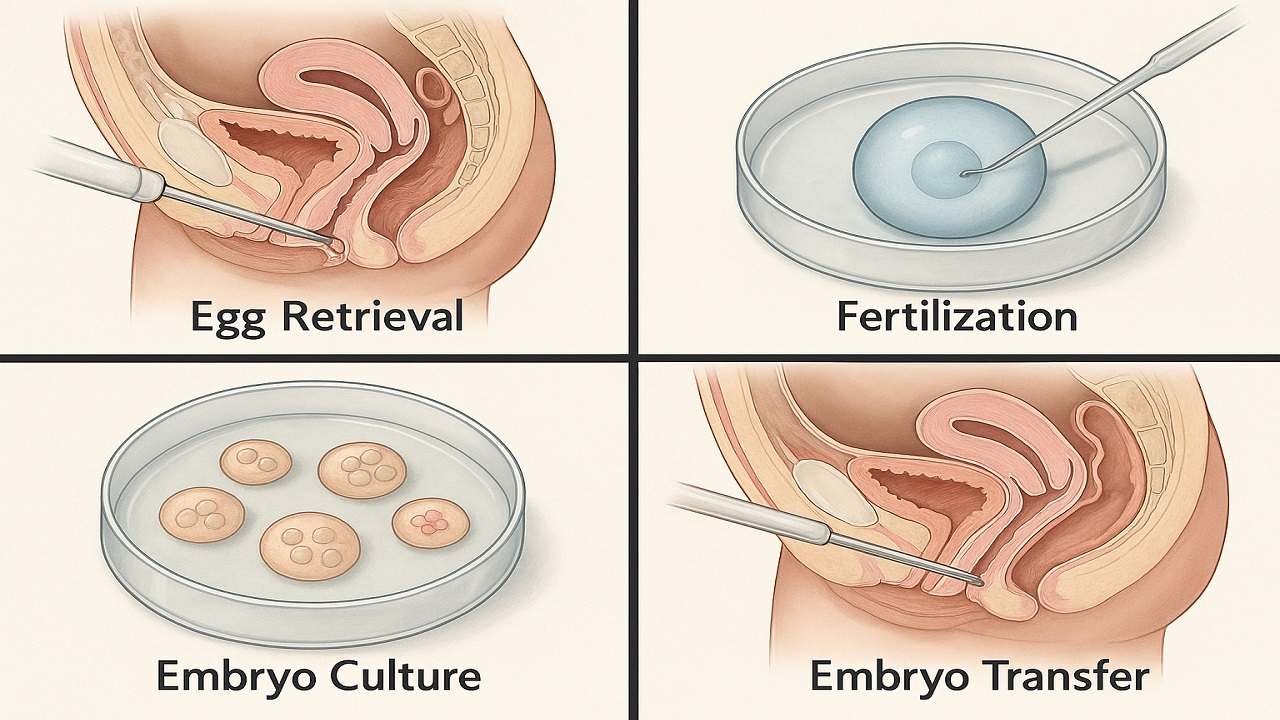
In Vitro Fertilization (IVF) process step by step, emphasising the importance of various stages such as ovarian stimulation, egg retrieval, fertilization, and embryo transfer in maximising the In Vitro Fertilization (IVF) Success Rate. It highlights how a thorough understanding of the procedure can prepare couples and individuals for their In Vitro Fertilization(IVF) journey, ultimately improving their chances of achieving a successful pregnancy.
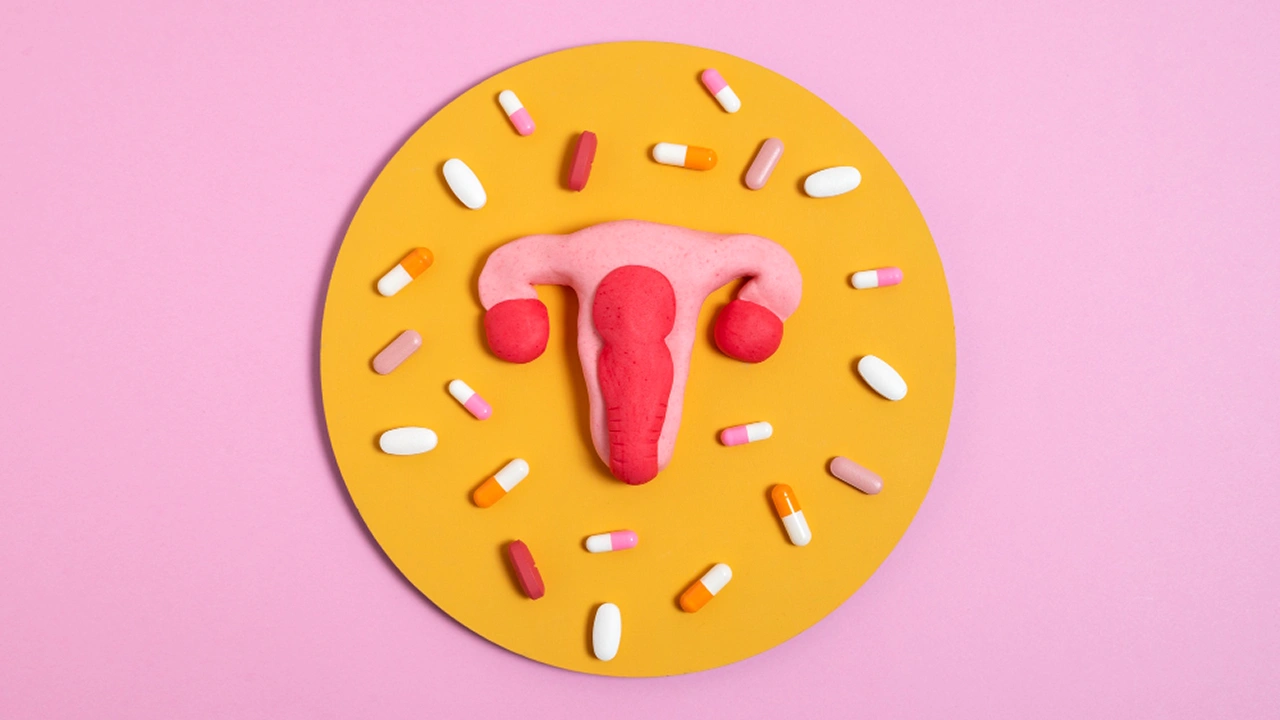
Vitamin D Deficiency Affect IVF outcomes by influencing endometrial receptivity, embryo quality, and hormone balance. Clinical evidence, age-specific risks, and PCOS implications, while offering actionable strategies to optimize Vitamin D levels and improve IVF success rates and pregnancy outcomes in a structured, patient-focused approach.
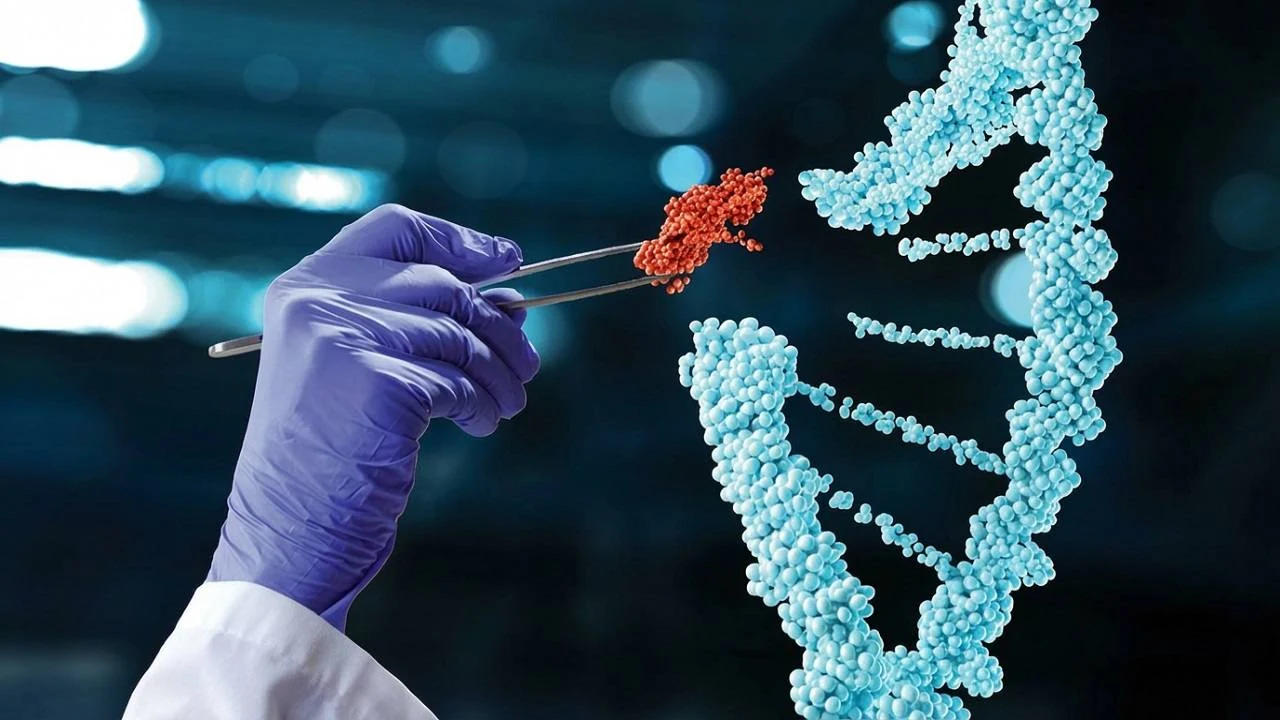
Preimplantation Genetic Testing (PGT) revolutionizes IVF by screening embryos for chromosomal abnormalities and genetic disorders before transfer. This advanced technology increases pregnancy success rates, reduces miscarriage risk, prevents inherited diseases, and shortens time to pregnancy while providing diagnostic clarity and reducing emotional stress for couples.

Clinical evidence increasingly demonstrates that emotional stress or grief reduces the chances of IVF success through sophisticated biochemical pathways that directly influence reproductive physiology. This relationship extends far beyond simple correlations, revealing profound mechanistic connections between psychological distress and the delicate orchestration of hormonal events essential for successful conception.
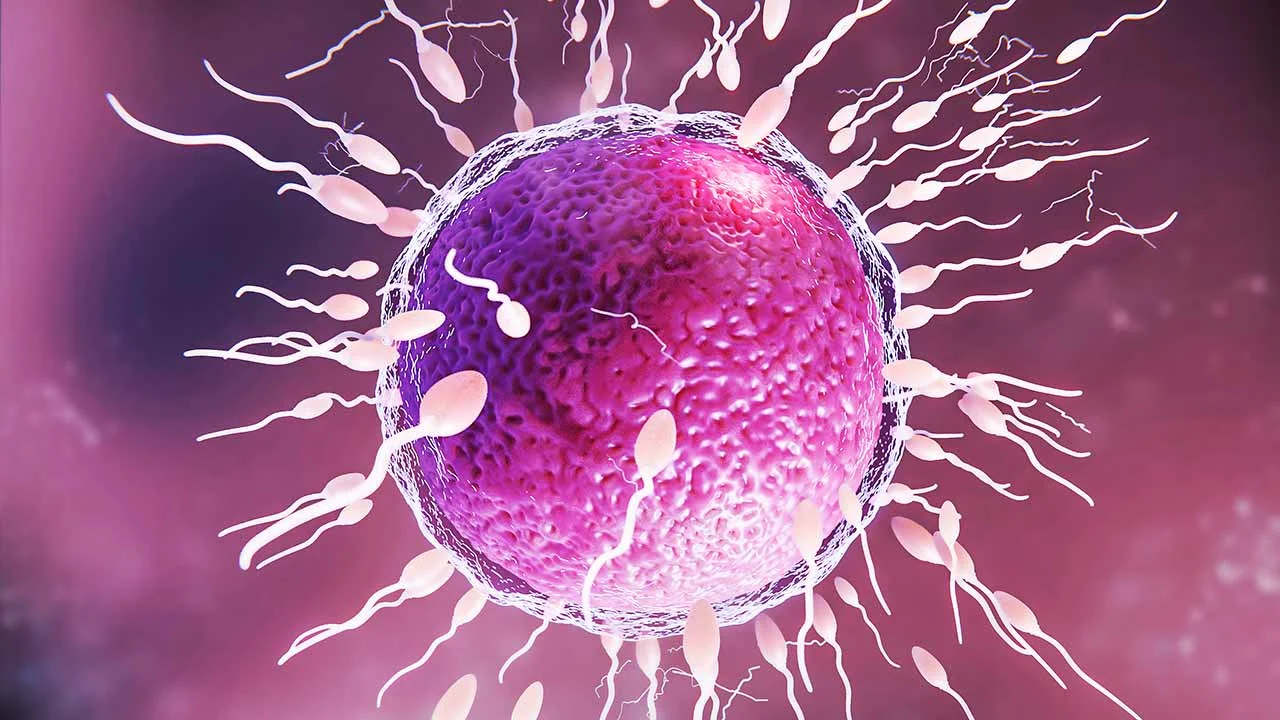
IVF in 2025 is shifting from hype to evidence-based innovation. As precision, automation, AI, and genetic advances reshape fertility care, patients must distinguish proven breakthroughs from outdated add-ons. This guide examines five groundbreaking IVF technologies in 2025 to understand which advances genuinely improve outcomes

Managing Recurrent Implantation Failure (RIF) outlines evidence-based diagnostics and treatment pathways to improve IVF success rates, emphasizing clarity, cautious use of add-ons, and realistic patient expectations.