Home
 ArticlesArticles
Natural Conception After Unsuccessful IVF Cycle, examining factors like hormonal recovery, ovarian function, lifestyle, obesity, and psychosocial influences. It highlights research insights, clinical guidance, and real-life evidence to help couples understand their chances of spontaneous pregnancy following a failed IVF attempt.



The journey through assisted reproductive technologies can be as exhilarating as it is challenging. For couples navigating in vitro fertilization (IVF), the hope of conceiving often rides high on each cycle. Yet, despite the best clinical care, success is never guaranteed. After an unsuccessful IVF cycle, many couples are left questioning their next steps. One question, both hopeful and perplexing, emerges: Is natural conception after unsuccessful IVF cycle truly possible? Emerging research and clinical experience suggest that the answer may be more optimistic than previously thought.
IVF is a complex process involving hormonal stimulation, egg retrieval, fertilization in the laboratory, and embryo transfers. While IVF has revolutionized reproductive medicine, its success rates vary widely based on age, ovarian reserves, sperm quality, and overall health. Even the most meticulously managed cycles can end without a viable pregnancy. Studies indicate that the average live birth rate per IVF cycle is approximately 30–40% for women under 35, declining progressively with age.
Failure does not necessarily indicate permanent infertility. Interestingly, spontaneous conception after an unsuccessful IVF cycle has been documented in numerous studies, with success rates ranging from 10% to 25% within a year post-IVF. These cases underscore that the biological potential for natural conception may remain intact even after ART attempts.
IVF involves significant hormonal manipulation, which can temporarily disrupt natural ovulatory cycles. Once stimulation medications are withdrawn, most women experience a return to regular hormonal patterns within 1–3 months. This period of recovery can sometimes reset ovarian function, providing a window for natural conception. For example, luteinising hormone (LH) and follicle-stimulating hormone (FSH) levels often normalise, enhancing ovulatory efficiency.
Some IVF failures are attributed not to egg or sperm quality but to subtle issues such as uterine receptivity or embryo implantation failure. If the ovarian reserve remains sufficient and reproductive anatomy is uncompromised, natural conception may remain viable. Research highlights that even after repeated IVF attempts, a significant proportion of women achieve spontaneous pregnancy within 6–12 months.
Obesity exerts a profound influence on reproductive outcomes. Excess adipose tissue can alter estrogen, progesterone, and insulin signals, affecting ovulation and endometrial receptivity. Women with elevated BMI often experience lower oocyte retrieval numbers, reduced embryo quality, and higher miscarriage rates in IVF cycles. However, targeted lifestyle interventions weight management, nutrition optimisation, and controlled exercise can restore hormonal balance and improve the likelihood of natural conception post-IVF.

The emotional aftermath of an unsuccessful IVF cycle cannot be overstated. Anxiety, grief, and even depression are common among couples. Studies suggest that stress and emotional strain can indirectly affect fertility through hormonal dysregulation. Couples who address these psychosocial factors through counseling, support groups, or relaxation techniques often report higher success in subsequent natural conception attempts. Mental resilience, therefore, is as crucial as physiological readiness.
Modern reproductive medicine continues to reveal fascinating insights into fertility recovery post-IVF. Researchers are exploring how ovarian stimulation may transiently enhance follicular recruitment, potentially improving subsequent natural ovulation. Additionally, novel diagnostic tools, such as endometrial receptivity arrays and hormonal profiling, can help identify optimal timing for natural conception after an unsuccessful IVF cycle. These forward-thinking approaches blend traditional clinical knowledge with innovative interventions, offering renewed hope for couples.
While spontaneous conception after an unsuccessful IVF cycle is possible, structured guidance maximises chances. Couples are encouraged to:
These steps create a harmonious blend of patience, preparation, and clinical insight.
Natural conception after an unsuccessful IVF cycle is not only possible but, in many cases, likely if the right physiological, psychological, and lifestyle conditions align. While IVF offers a controlled path to pregnancy, the body’s intrinsic reproductive capacity often remains resilient. By understanding hormonal recovery, managing lifestyle factors like obesity, and integrating modern fertility insights, couples can navigate this post-IVF period with hope and strategic planning. Ultimately, every unsuccessful IVF cycle may still leave the door open to the natural miracle of conception.



Advanced female age causes fertility decline through reduced egg quantity, increased chromosomal abnormalities, and mitochondrial dysfunction. Understanding these biological mechanisms helps women make informed family planning decisions. Modern fertility treatments including IVF, preimplantation genetic testing, and egg freezing offer practical solutions to overcome age-related reproductive challenges when trying to conceive.
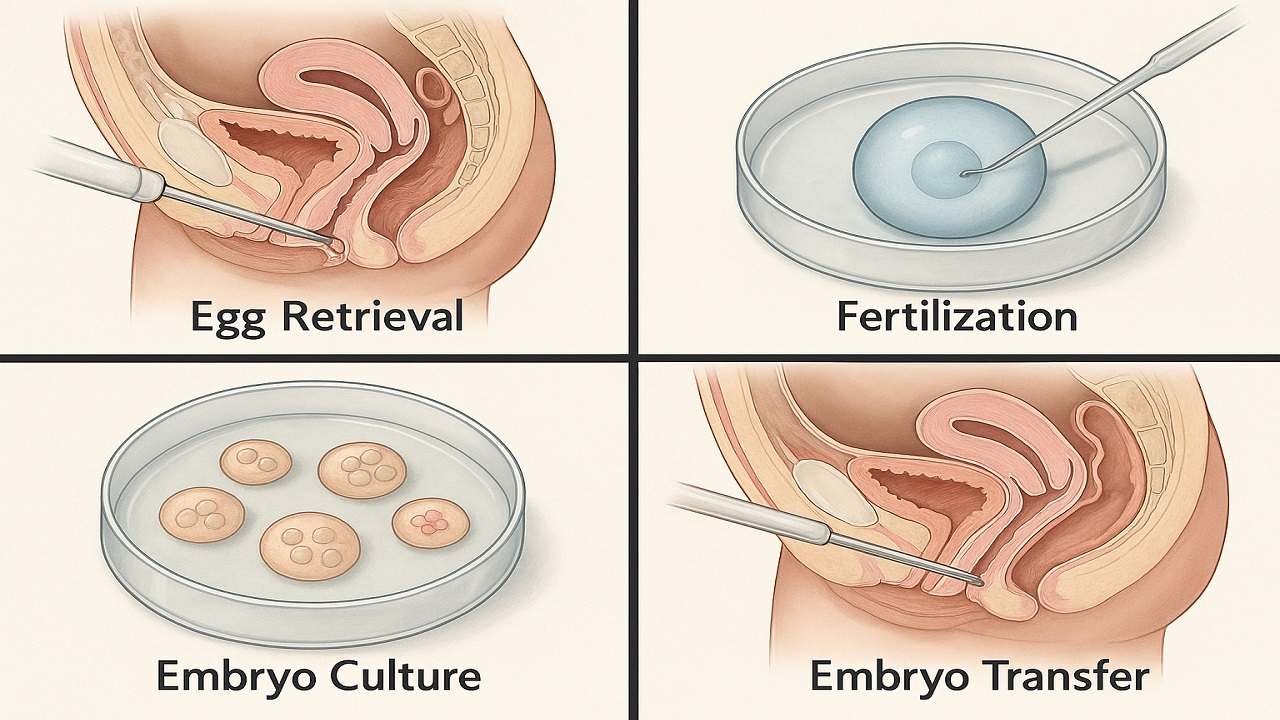
In Vitro Fertilization (IVF) process step by step, emphasising the importance of various stages such as ovarian stimulation, egg retrieval, fertilization, and embryo transfer in maximising the In Vitro Fertilization (IVF) Success Rate. It highlights how a thorough understanding of the procedure can prepare couples and individuals for their In Vitro Fertilization(IVF) journey, ultimately improving their chances of achieving a successful pregnancy.
Vitamin D Deficiency Affect IVF outcomes by influencing endometrial receptivity, embryo quality, and hormone balance. Clinical evidence, age-specific risks, and PCOS implications, while offering actionable strategies to optimize Vitamin D levels and improve IVF success rates and pregnancy outcomes in a structured, patient-focused approach.
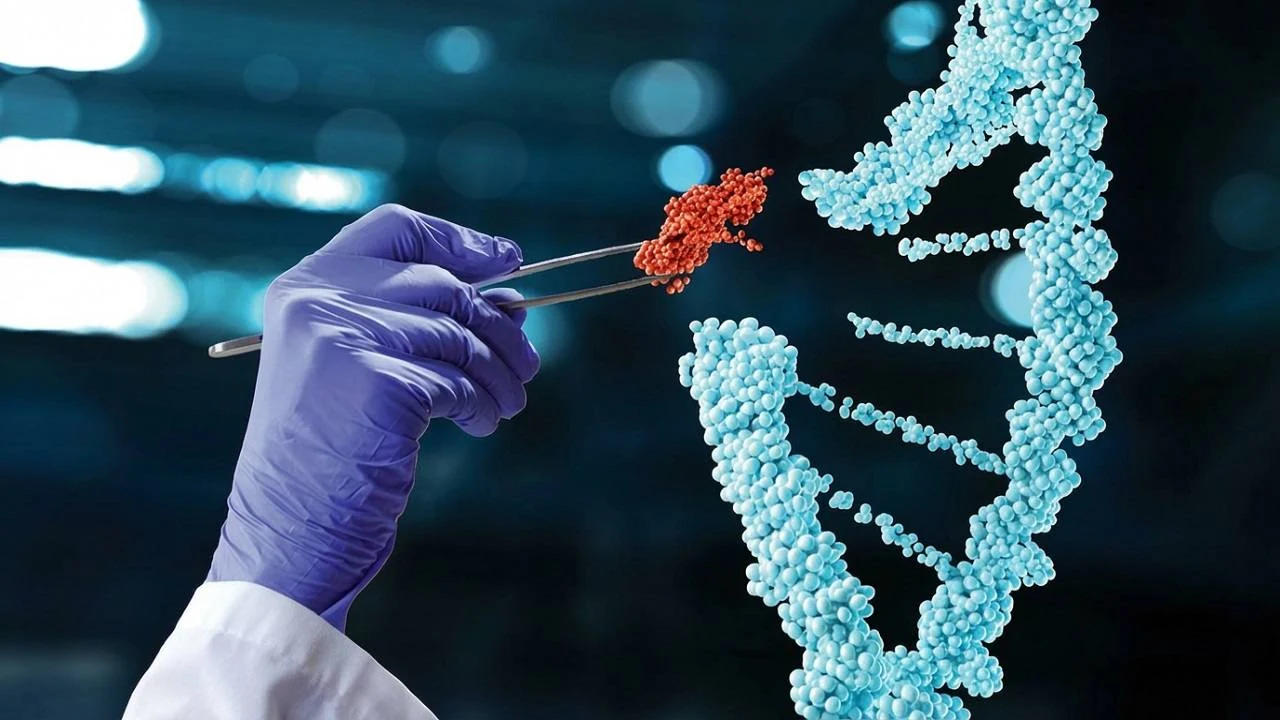
Preimplantation Genetic Testing (PGT) revolutionizes IVF by screening embryos for chromosomal abnormalities and genetic disorders before transfer. This advanced technology increases pregnancy success rates, reduces miscarriage risk, prevents inherited diseases, and shortens time to pregnancy while providing diagnostic clarity and reducing emotional stress for couples.
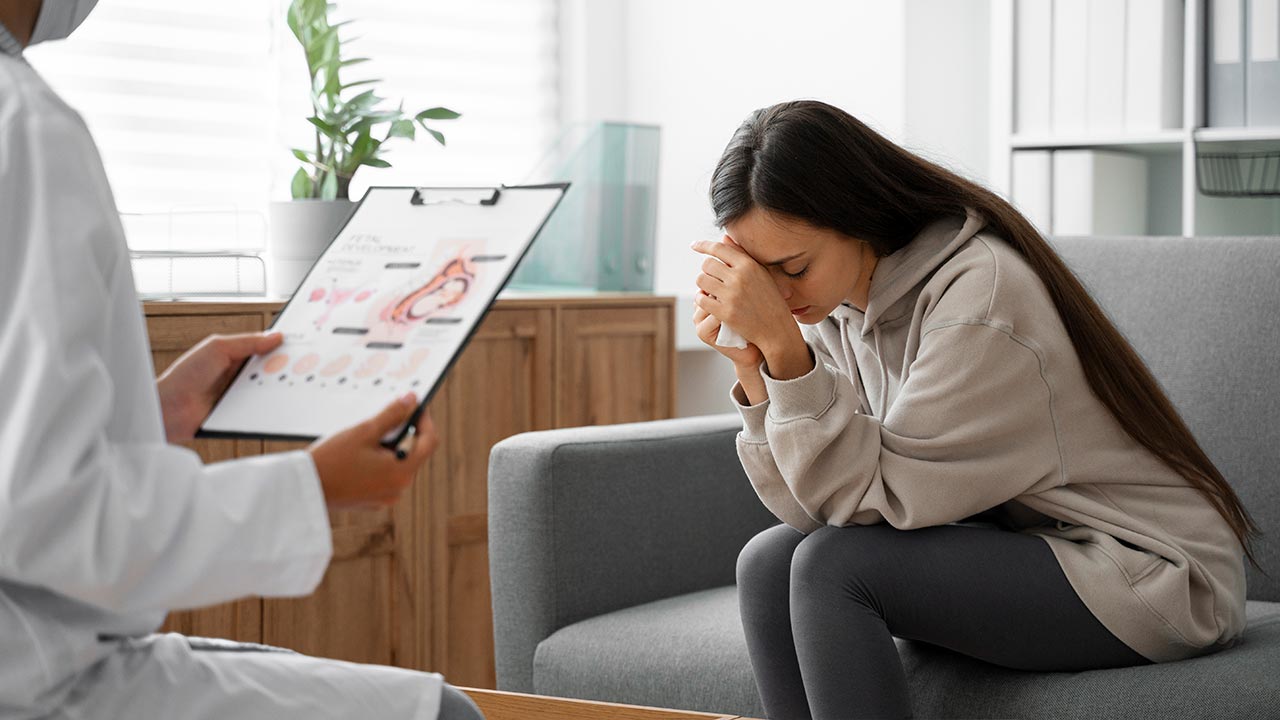
Clinical evidence increasingly demonstrates that emotional stress or grief reduces the chances of IVF success through sophisticated biochemical pathways that directly influence reproductive physiology. This relationship extends far beyond simple correlations, revealing profound mechanistic connections between psychological distress and the delicate orchestration of hormonal events essential for successful conception.
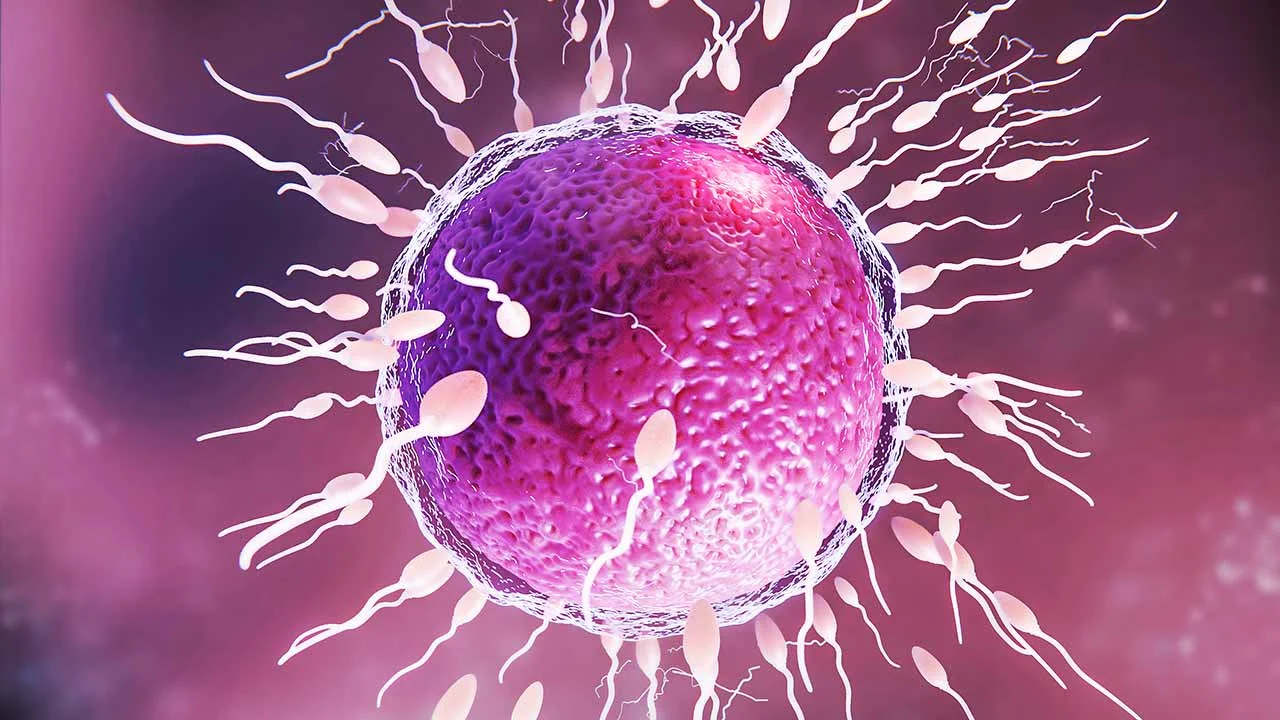
IVF in 2025 is shifting from hype to evidence-based innovation. As precision, automation, AI, and genetic advances reshape fertility care, patients must distinguish proven breakthroughs from outdated add-ons. This guide examines five groundbreaking IVF technologies in 2025 to understand which advances genuinely improve outcomes
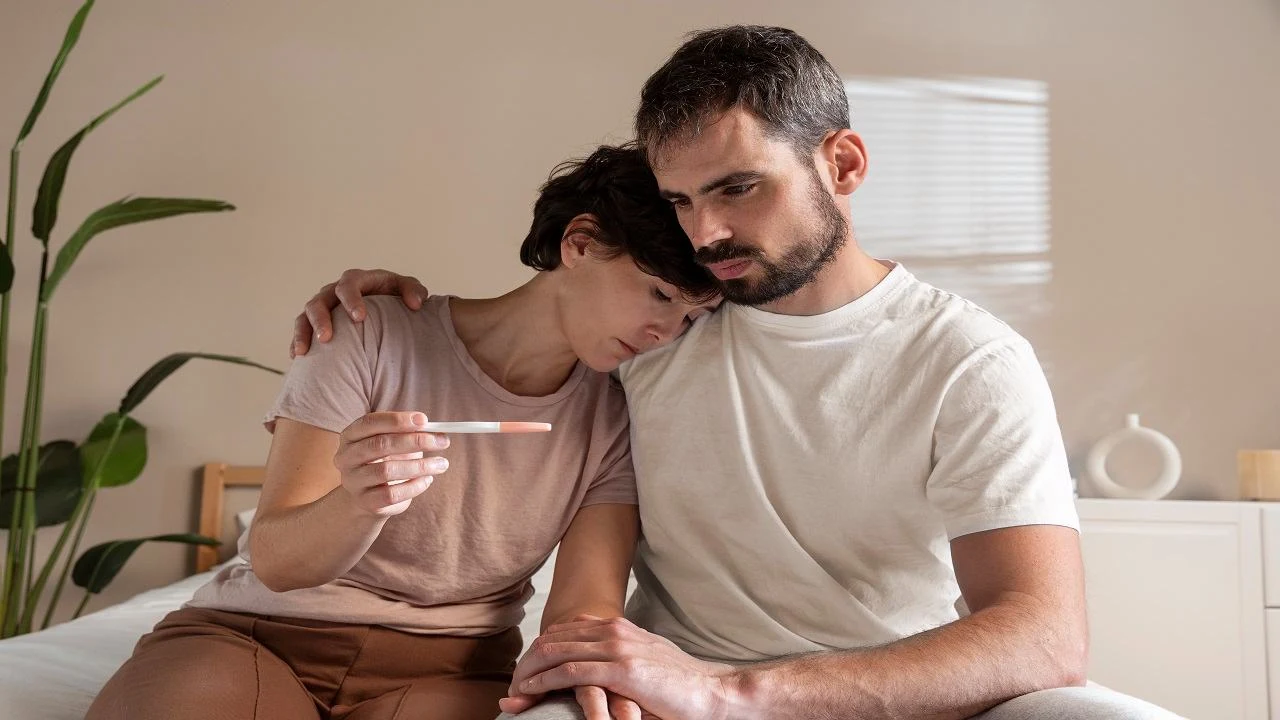
Managing Recurrent Implantation Failure (RIF) outlines evidence-based diagnostics and treatment pathways to improve IVF success rates, emphasizing clarity, cautious use of add-ons, and realistic patient expectations.

