Home
 ArticlesArticles
Clinical evidence increasingly demonstrates that emotional stress or grief reduces the chances of IVF success through sophisticated biochemical pathways that directly influence reproductive physiology. This relationship extends far beyond simple correlations, revealing profound mechanistic connections between psychological distress and the delicate orchestration of hormonal events essential for successful conception.




The hypothalamic-pituitary-adrenal (HPA) axis serves as the primary conduit through which emotional distress translates into measurable reproductive consequences. When activated by psychological stressors, this neuroendocrine system triggers a cascade of hormonal responses that can fundamentally alter the reproductive environment. Cortisol, the primary stress hormone released through HPA axis activation, exerts inhibitory effects on gonadotropin-releasing hormone (GnRH) neurones, directly suppressing the hormonal signals essential for ovulation and implantation.
Recently, research conducted at multiple fertility centres has revealed striking differences in cortisol levels between women who achieve successful pregnancies through IVF and those who experience treatment failure. Women with elevated cortisol concentrations demonstrate significantly reduced pregnancy rates, with one landmark study showing that pregnancies exposed to increased cortisol levels were 2.7 times more likely to result in spontaneous abortion compared to those with normal cortisol exposure. The data revealed that 90% of pregnancies with elevated cortisol resulted in loss, while only 33% of those with normal cortisol levels were unsuccessful.
Contemporary clinical investigations have consistently documented that emotional stress or grief reduces the chances of IVF success across multiple treatment parameters. A comprehensive analysis of 202 women undergoing their first IVF cycle revealed that while pre-treatment psychological distress does not predict initial treatment failure, the aftermath of unsuccessful cycles generates substantial psychological consequences that can influence subsequent attempts. Women experiencing failed IVF cycles scored approximately 4 points higher in depression and 5 points higher in anxiety compared to those with successful outcomes.
The prevalence of psychological distress among IVF patients is remarkably high, with over 55% of women exhibiting clinically significant anxiety levels before treatment initiation. Following treatment failure, these rates escalate dramatically, with nearly half of women at risk for depression and almost two-thirds experiencing anxiety levels comparable to those observed in cancer patients during active treatment. These findings underscore the profound psychological burden associated with fertility treatments and highlight the cyclical relationship between emotional distress and treatment outcomes.

The mechanisms through which emotional stress or grief reduce the chances of IVF success involve complex interactions between stress hormones and reproductive function. Elevated cortisol levels directly impact multiple stages of the IVF process, from oocyte maturation through embryo implantation. Research demonstrates that cortisol concentrations negatively correlate with oocyte quality, fertilization rates, and clinical pregnancy rates.
During the critical egg retrieval phase, women with lower cortisol and norepinephrine levels show significantly higher success rates. The stress response appears most pronounced during ovarian stimulation, with significant increases in serum norepinephrine and cortisol values observed throughout this phase. These elevated stress hormones can impair oocyte developmental potential through mechanisms including apoptosis of ovarian epithelial cells and disruption of the estrogen-to-progesterone ratio within follicular fluid.
The endometrial environment, crucial for successful implantation, also suffers under chronic stress exposure. Higher cortisol levels correlate with reduced endometrial thickness, a critical predictor of pregnancy achievement. An optimal endometrial thickness of 10–11 millimetres has been established as predictive of successful pregnancy, yet chronic stress consistently produces thinner endometrial linings that compromise implantation potential.
The grief experienced throughout fertility treatment encompasses multiple layers of loss that distinguish it from other forms of bereavement. Each unsuccessful cycle represents not merely a medical failure but the death of carefully nurtured hopes and specific dreams of parenthood. This grief manifests through various dimensions: the loss of biological parenthood dreams, recurring monthly disappointments, and the profound sense of lost control over one's reproductive destiny.
Research examining gestational grief in fertility patients reveals that emotional stress or grief reduces the chances of IVF success through both direct physiological pathways and indirect behavioural mechanisms. Women experiencing complicated grief demonstrate elevated stress hormone production that can have detrimental impacts on the reproductive system, potentially contributing to subsequent pregnancy failure or loss. The biological mechanism appears to involve stress-induced hormones that disrupt the delicate hormonal balance necessary for successful implantation and early pregnancy maintenance.
The psychological manifestations of fertility-related grief include depression (54.5% of patients), anxiety (55%), despair and loss of hope (45.5%), and frustration (27.3%). These symptoms create a self-perpetuating cycle where emotional distress generates physiological changes that reduce treatment success, which in turn amplifies psychological distress and compounds future treatment challenges.
Emerging clinical evidence suggests that targeted psychological interventions can effectively interrupt the pathways through which emotional stress or grief reduce the chances of IVF success. Controlled studies demonstrate that women participating in psychological support programmes, including stress management workshops and cognitive-behavioural therapy, exhibit markedly lower levels of stress and anxiety alongside improved IVF success rates.
A particularly compelling study evaluated a brief 90-minute psychological intervention focused on stress management, psychoeducation, and coping skills training. Women receiving this intervention showed decreased anxiety and emotional imbalance and enhanced quality of life perception, and those who subsequently achieved successful IVF demonstrated even greater anxiety reduction compared to controls. These findings suggest that psychological preparation may not only improve emotional well-being but also optimise physiological conditions for treatment success.
Mindfulness-based stress reduction programmes have emerged as particularly effective interventions, offering patients concrete tools for managing the emotional turbulence inherent in fertility treatment. These approaches focus on developing resilience and emotional regulation skills that can mitigate the physiological stress response during critical treatment phases.
The timing of psychological interventions appears crucial for maximising their effectiveness in preventing situations where emotional stress or grief reduces the chances of IVF success. Evidence suggests that stress management should ideally begin before treatment initiation, as pre-existing psychological distress can establish patterns of physiological dysfunction that persist throughout treatment cycles.
Healthcare providers increasingly recognise that comprehensive fertility care must address both medical and psychological aspects of treatment. This holistic approach acknowledges that emotional well-being is not separate from physical treatment outcomes but rather intimately connected to reproductive success. Fertility clinics implementing integrated psychological support report improved patient satisfaction, reduced treatment discontinuation rates, and enhanced overall success rates.
The individual variation in stress responses necessitates personalised approaches to psychological support. While some patients benefit from group counselling and peer support, others require intensive individual therapy to address specific trauma histories or complicated grief responses. The key lies in early identification of patients at risk for psychological distress and proactive implementation of appropriate interventions.
The mounting evidence that emotional stress or grief reduces the chances of IVF success has profound implications for clinical practice standards and treatment protocols. Future research directions include investigating optimal timing and duration of psychological interventions, identifying biomarkers that can predict which patients will benefit most from specific support strategies, and developing cost-effective screening tools for psychological distress in fertility settings.
Advanced neuroimaging studies are beginning to reveal the specific brain regions and networks affected by fertility-related stress, potentially leading to novel targeted interventions. Additionally, emerging research on epigenetic effects suggests that stress-induced changes may have intergenerational implications, further emphasising the importance of comprehensive psychological care.
The integration of psychological support into standard fertility care represents both a medical necessity and an ethical imperative. As our understanding of the mind-body connection in reproduction deepens, the artificial separation between emotional and physical aspects of fertility treatment becomes increasingly untenable. The evidence clearly demonstrates that addressing psychological distress is not merely compassionate care; it is evidence-based medicine that can improve treatment outcomes and enhance the likelihood of successful pregnancy achievement.
The relationship between emotional stress, grief, and IVF success represents a complex interplay of neurobiological, hormonal, and behavioural factors. While the challenges are significant, the growing body of research provides hope that targeted interventions can effectively mitigate these effects, offering couples a more holistic and ultimately more successful path to parenthood.



Advanced female age causes fertility decline through reduced egg quantity, increased chromosomal abnormalities, and mitochondrial dysfunction. Understanding these biological mechanisms helps women make informed family planning decisions. Modern fertility treatments including IVF, preimplantation genetic testing, and egg freezing offer practical solutions to overcome age-related reproductive challenges when trying to conceive.
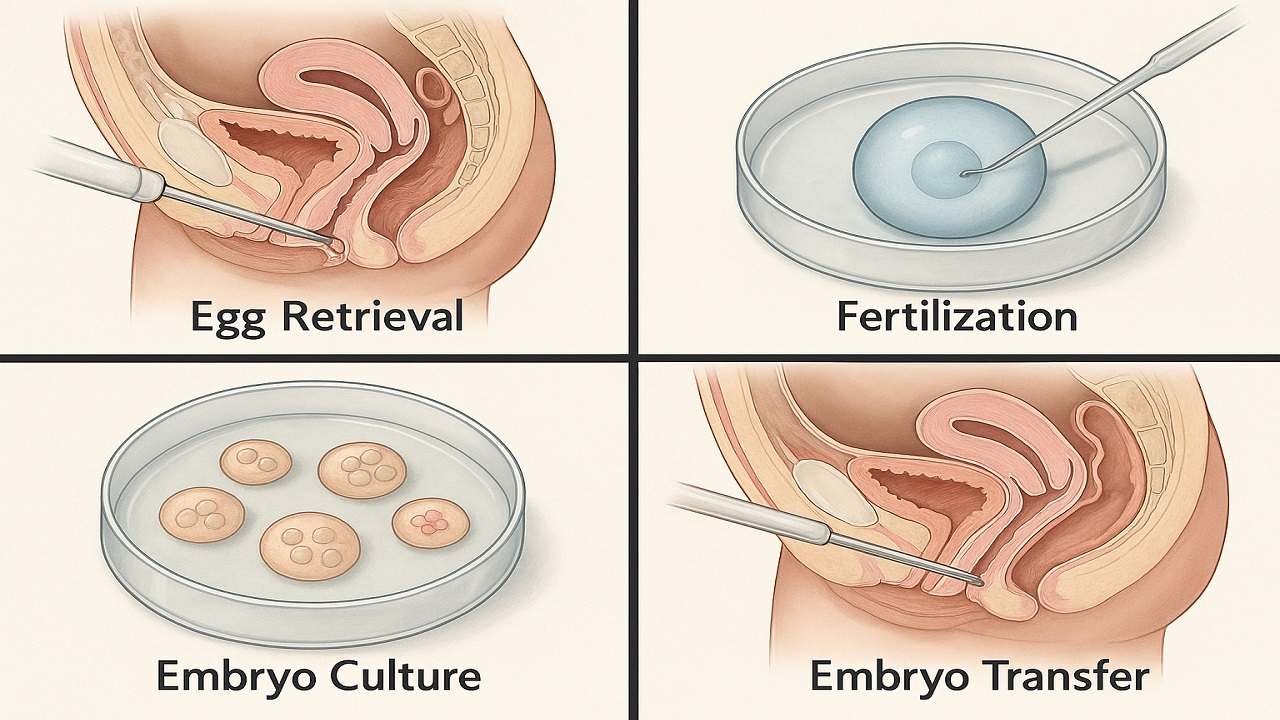
In Vitro Fertilization (IVF) process step by step, emphasising the importance of various stages such as ovarian stimulation, egg retrieval, fertilization, and embryo transfer in maximising the In Vitro Fertilization (IVF) Success Rate. It highlights how a thorough understanding of the procedure can prepare couples and individuals for their In Vitro Fertilization(IVF) journey, ultimately improving their chances of achieving a successful pregnancy.

Vitamin D Deficiency Affect IVF outcomes by influencing endometrial receptivity, embryo quality, and hormone balance. Clinical evidence, age-specific risks, and PCOS implications, while offering actionable strategies to optimize Vitamin D levels and improve IVF success rates and pregnancy outcomes in a structured, patient-focused approach.
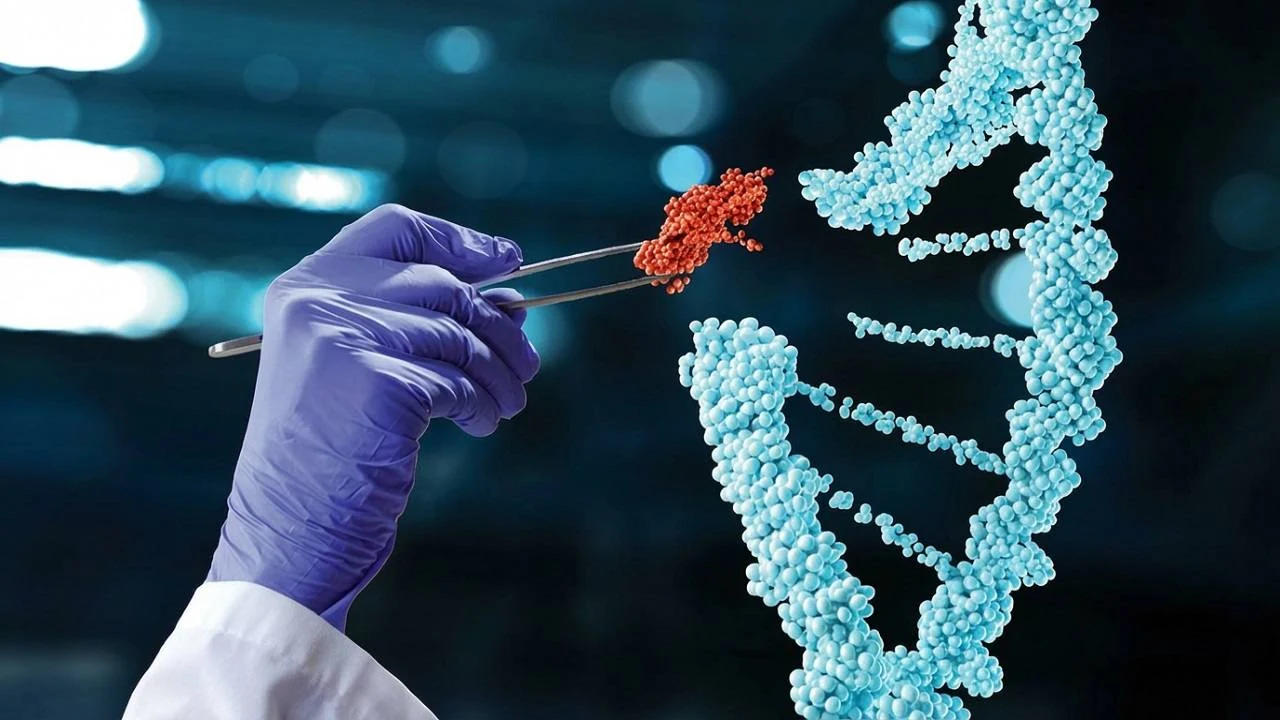
Preimplantation Genetic Testing (PGT) revolutionizes IVF by screening embryos for chromosomal abnormalities and genetic disorders before transfer. This advanced technology increases pregnancy success rates, reduces miscarriage risk, prevents inherited diseases, and shortens time to pregnancy while providing diagnostic clarity and reducing emotional stress for couples.
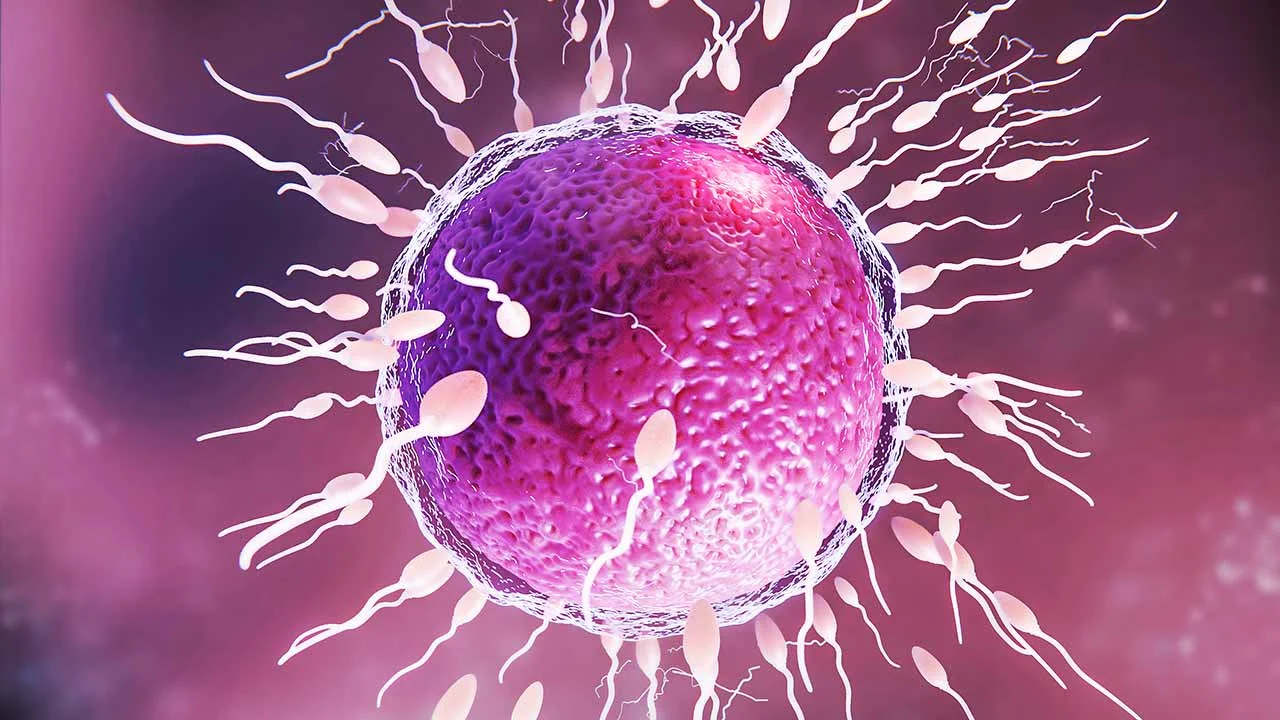
IVF in 2025 is shifting from hype to evidence-based innovation. As precision, automation, AI, and genetic advances reshape fertility care, patients must distinguish proven breakthroughs from outdated add-ons. This guide examines five groundbreaking IVF technologies in 2025 to understand which advances genuinely improve outcomes

Managing Recurrent Implantation Failure (RIF) outlines evidence-based diagnostics and treatment pathways to improve IVF success rates, emphasizing clarity, cautious use of add-ons, and realistic patient expectations.