Home
 ArticlesArticles
Staying connected during Assisted Reproductive Technology (ART) is crucial for couples to navigate the emotional and physical challenges of fertility treatments. By prioritizing communication, shared rituals, and emotional support, couples can strengthen their bond while staying connected during Assisted Reproductive Technology (ART) and focusing on their goals together.




Beginning the journey of assisted reproductive technology (ART) can be both gratifying and challenging for couples. Although ART gives many people who are battling with infertility hope, the process can be stressful, tension-filled, and sometimes discouraging. Couples stay connected to one another during ART while juggling medical procedures, appointments, and fertile and infertile days in between. The person standing behind them must be there with the strong hands of their link and emotional intimacy to help them ride through it together.
So here are some positive ways to stay connected during ART with your partner:

Clear, compassionate communication is critical throughout the ART process. The emotional and physical demands of fertility treatments can elicit all sorts of feelings in both partners, and it’s important to communicate your thoughts, fears, hopes, and disappointments.
Routine appointments, medications, and tests can, at times, make ART feel like one giant, overwhelming to-do list. Counter this by establishing little rituals that help you both feel more connected and rooted in the process.
It's possible that each partner may experience ART differently, and emotions can run high. You may not always understand what your partner is feeling, but it’s important to be mindful of their emotional needs. Be patient, show empathy, and get through the highs and lows together.
ART is a collaborative process, and overcoming the obstacles together can be beneficial for your relationship. Consider the process as a collaborative effort where both individuals contribute by managing schedules, offering emotional support, and researching new treatment options.
The physical aspects of fertility treatments, such as hormone injections, medical appointments, and monitoring, can sometimes hinder or eliminate intimacy. But if there's no physical closeness, we must do something to keep two lovers close.
For individuals undergoing ART, it becomes a game of waiting, with consecutive tests and questions hanging in the air. Celebrate your achievements, whether it's a successful egg retrieval, a positive test, or a rough week at work.
Stress is a common side effect of ART therapies, so finding ways to relax together is essential. Stress-relieving activities will allow you to refuel and relax.
If you find that the emotional pressure of ART is "extreme" or "overwhelming," seek assistance from someone, such as an adviser, therapist, or support group. Instead of being perceived as a weakness, therapy can help to enhance relationships and teach techniques for dealing with the stress of reproductive procedures.
However, ART can be overwhelming, so it's important to step back and consider your broader objectives and the future you're striving to build. Though it may be hard, remember your shared goal of parenthood and your love and devotion to each other.
The ART journey is unpredictable and might not go smoothly according to plans. Staying flexible about what to expect and adopting a “one day at a time” approach can relieve some tension and enable both partners to feel less pressured.
Staying connected during the ART journey presents significant barriers to intimacy for couples, making it even more crucial to strike a balance in care with compassion and communication. However, the fertility process is difficult, and it provides an opportunity for you to bond, support each other, and grow stronger as a couple. Couples can negotiate this journey with trust, optimism, and love if they speak truthfully, value intimacy, celebrate tiny victories, and prioritise self-care. This is an opportunity to create both a desired future and a supportive connection along the way.



The smart fertility tracker market has transformed male fertility diagnostics, but how reliable are these devices? This report examines what at-home sperm tests actually measure, where they fall short compared to clinical analysis, and how men and couples can use them appropriately within a broader reproductive care pathway.
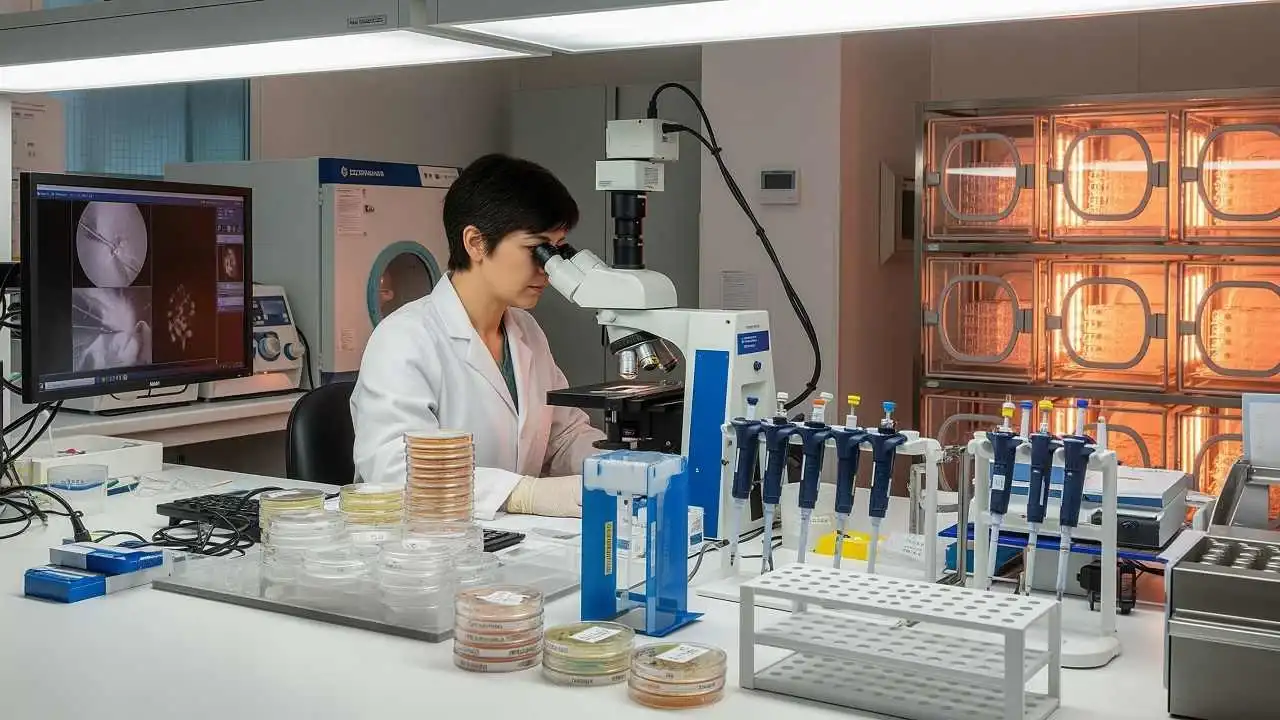
The distinct assisted reproductive technologies of Intrauterine Insemination (IUI), In Vitro Fertilization (IVF), and Intracytoplasmic Sperm Injection (ICSI). It outlines how each procedure works, the medical indications for their use, and their respective success rates. The importance of choosing the right treatment based on factors such as patient age, infertility diagnosis, and personal circumstances.
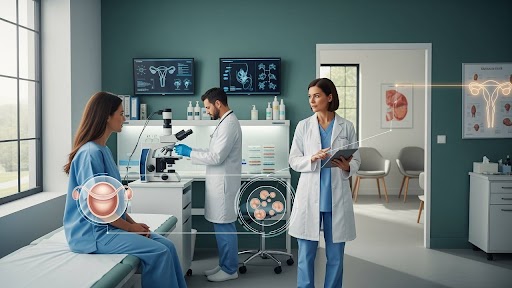
Assisted Reproductive Technology (ART), a groundbreaking medical field that provides solutions for individuals and couples facing fertility challenges. It defines ART, explains its core techniques such as In Vitro Fertilization (IVF) and Intracytoplasmic Sperm Injection (ICSI), and discusses clinical applications and success rates.

Common questions about pregnancy with polycystic ovary syndrome (PCOS) through IVF and IUI. It discusses PCOS-related infertility, success rates, treatment options, and the importance of personalised protocols. Emphasising holistic care and emotional support, it offers hope and insights for women navigating the challenges of PCOS.

The potential of stem cells to improve ovarian reserve and egg quality, focusing on their application in women with diminished fertility. It discusses how mesenchymal stem cells and other stem cell therapies can rejuvenate ovarian function by enhancing the ovarian environment, promoting tissue repair, and stimulating follicle growth. While the therapy shows promise, the article emphasizes the need for more extensive studies to understand its efficacy and safety.
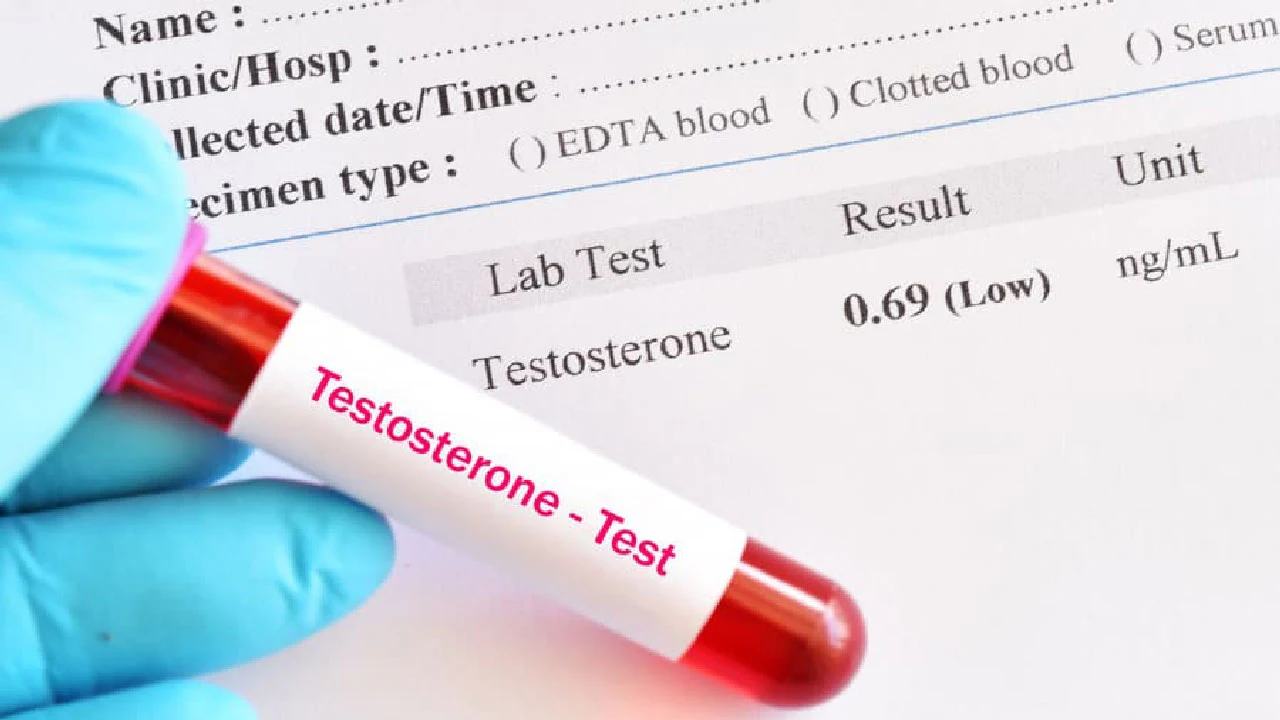
Clinical pearls for treating infertility and low testosterone in men, emphasizing reproductive goal assessment, empiric medical therapies, and comprehensive multidisciplinary management strategies.

Microfluidic sperm selection represents a revolutionary advancement in assisted reproduction technology, offering superior sperm quality through biomimetic microfluidic devices. This innovative technique effectively addresses the limitations of traditional centrifugation methods by selecting sperm with enhanced DNA integrity, improved motility, and better morphology, marking a pivotal shift in modern reproductive medicine.