Home
 ArticlesArticles
Egg freezing does not reduce natural fertility or ovarian reserve. This comprehensive guide examines how oocyte cryopreservation works, success rates by age, potential risks including OHSS, costs, and psychological benefits. Facts about preserving reproductive options while maintaining natural conception ability for career-focused and medically indicated fertility preservation.



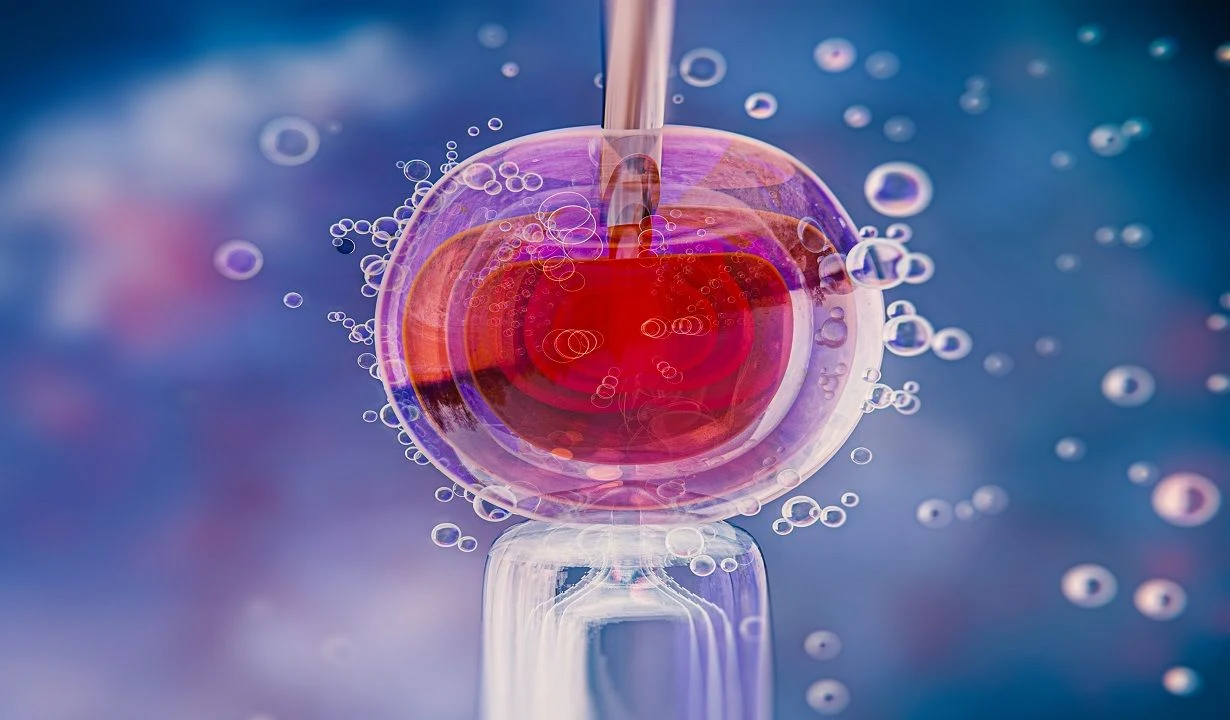
In an era where women are increasingly prioritizing career advancement, educational pursuits, and personal growth before starting families, egg freezing has emerged as a transformative reproductive option. Also known as oocyte cryopreservation, this innovative medical procedure allows women to preserve their fertility by extracting, freezing, and storing their eggs for future use. However, as more women consider this option, a crucial question arises: does egg freezing impact fertility? Understanding the science, the risks, and the long-term implications of this procedure is essential for making an informed decision about reproductive health.
Egg freezing is a medical procedure where a woman's mature eggs are retrieved from her ovaries, rapidly frozen using advanced vitrification technology, and stored at ultra-low temperatures for future use. When the woman is ready to conceive, these frozen eggs can be thawed, fertilized with sperm through In Vitro Fertilization (IVF), and transferred to her uterus to establish pregnancy.
Women choose egg freezing for diverse personal and medical reasons. Career-focused professionals often freeze their eggs to delay childbearing while they establish themselves professionally without the constant pressure of their biological clock. Others may not have found the right partner yet but want to preserve their fertility while they search for meaningful relationships. Medical indications include cancer patients who need chemotherapy or radiation that could damage their ovaries, women with endometriosis or other conditions affecting fertility, and those with family histories of early menopause.
The most reassuring finding in reproductive medicine is that egg freezing does not negatively impact natural fertility or diminish a woman's ovarian reserve. This might seem counterintuitive, how can removing eggs from your ovaries not reduce your egg supply? The answer lies in understanding the natural reproductive cycle.

Every month during a woman's menstrual cycle, multiple follicles containing eggs begin to develop within the ovaries. Typically, only one egg reaches full maturity and is released during ovulation, while the remaining follicles undergo a natural degenerative process called atresia, essentially dying without being used. In a single menstrual cycle, a woman naturally loses multiple eggs that simply dissolve and are reabsorbed by the body.
The egg freezing process capitalizes on this biological reality by using hormone medications to rescue eggs that would otherwise be lost naturally. Instead of allowing those follicles to degenerate, fertility specialists stimulate multiple follicles to reach maturity simultaneously and retrieve them before they are discarded by the body. Essentially, egg freezing salvages eggs already destined for elimination rather than depleting your future egg supply.
Research consistently confirms that egg freezing does not compromise a woman's ability to conceive naturally after the procedure. Following egg retrieval, menstrual cycles return to their normal pattern within one to two months, and the ovaries continue producing eggs as they naturally would. The frozen eggs serve as an insurance policy, a backup option should natural conception become challenging in the future, particularly as age-related fertility decline progresses.
Understanding the complete egg freezing process helps clarify why does egg freezing impact fertility remains such an important question for women to explore before making this decision. The entire process typically takes between two to three weeks from initial consultation to egg storage.

The journey begins with a comprehensive consultation with a fertility specialist who evaluates your medical history, lifestyle factors, and reproductive goals. Blood tests measure hormone levels, including Anti-Müllerian Hormone (AMH), which indicates ovarian reserve, and Follicle Stimulating Hormone (FSH), which reflects egg quality. A transvaginal ultrasound performs an antral follicle count to assess how many eggs remain in your ovaries and predict how well you might respond to ovarian stimulation.
Once fertility assessments are complete and you begin your menstrual cycle, the ovarian stimulation phase commences. For approximately eight to fourteen days, you will self-administer daily hormone injections that stimulate your ovaries to produce multiple mature eggs in a single cycle rather than just one. These medications typically include gonadotropins and a GnRH antagonist to prevent premature ovulation.
Throughout this phase, you will attend frequent monitoring appointments for ultrasounds and blood work to track follicle development and hormone levels. When follicles reach optimal size (typically 18-20mm), you receive a final "trigger injection" of hCG or a GnRH agonist approximately 36 hours before egg retrieval to complete egg maturation.
Egg retrieval is a minimally invasive outpatient procedure performed under light sedation or general anesthesia. Using transvaginal ultrasound guidance, the fertility specialist inserts a thin needle through the vaginal wall into each ovary and aspirates the fluid from mature follicles, collecting the eggs. The entire procedure typically takes 20-30 minutes, and most women go home the same day with mild cramping or discomfort.
Immediately after retrieval, embryologists evaluate the eggs and freeze the mature ones using vitrification, an ultra-rapid freezing technique that prevents ice crystal formation that could damage cellular structures. Eggs are cooled to -196°C using liquid nitrogen within minutes, transforming into a glass-like solid state that preserves their quality indefinitely. Frozen eggs can remain viable for over a decade when properly stored.
When evaluating whether egg freezing impacts fertility outcomes, age at the time of freezing emerges as the single most important determinant of future success. Younger eggs consistently yield significantly better pregnancy and live birth rates when used years later.
Women who freeze eggs before age 35 experience the highest success rates, with live birth rates as high as 66.7% per frozen egg cycle. For women freezing between ages 35-37, success rates remain encouraging at approximately 56.8% per cycle. However, outcomes decline substantially after age 37, with women freezing eggs after age 40 seeing success rates drop to approximately 33% or lower.
A landmark study examining social egg freezing outcomes found that women who froze eggs before age 38 achieved a live birth rate of 38% per embryo transfer, compared to 29% for those who froze eggs at age 38 or older. This reinforces the critical importance of timing when considering fertility preservation.
Beyond age, the number of eggs frozen dramatically influences the probability of achieving a live birth. Research consistently demonstrates that freezing at least 15-20 mature eggs significantly increases cumulative success rates.
For women under age 35, freezing 8-10 eggs yields approximately 30-45% cumulative probability of a live birth, while 15 eggs increases that probability to approximately 70%, and 25 eggs raises it to around 95%. Women over age 35 require even more eggs to achieve comparable success rates. This explains why many women undergo multiple egg freezing cycles to accumulate sufficient numbers, particularly as they age and egg quality declines.
A comprehensive study examining 167 women who underwent social egg freezing found that regardless of age at freezing, significantly higher live birth rates were achieved when 15 or more eggs were frozen per patient. This underscores the importance of not only freezing early but also freezing adequate quantities.
While egg freezing is generally safe and does not negatively impact fertility long-term, the procedure does carry some risks and temporary side effects that women should carefully consider.
Common Temporary Side Effects
During the ovarian stimulation phase, most women experience mild to moderate side effects from the hormonal medications, including:
These symptoms typically resolve within a few weeks after egg retrieval as hormone levels normalize.
The most significant potential complication is Ovarian Hyperstimulation Syndrome, a condition where ovaries become excessively swollen and painful in response to fertility medications. Mild to moderate OHSS occurs in approximately 20-33% of cycles, characterized by bloating, abdominal discomfort, and nausea. These cases typically resolve on their own within several days.
Severe OHSS is rare, occurring in only 0.1-2% of cases, but can lead to serious complications, including:
Modern monitoring protocols, careful medication dosing, and trigger shot selection have substantially reduced severe OHSS incidence in recent years. Fertility specialists closely monitor patients throughout stimulation to identify women at high risk and adjust protocols accordingly.
The egg retrieval procedure itself carries minimal risks when performed by experienced fertility specialists, including:
Many women require two to three egg freezing cycles to accumulate the recommended 15-20 eggs, particularly if they are over age 35 or have diminished ovarian reserve. Despite these considerable expenses, many women view egg freezing as a worthwhile investment in reproductive autonomy and future family-building options. For women facing medical treatments that would destroy their fertility, the value is immeasurable.
So, returning to the fundamental question: does egg freezing impact fertility? The overwhelming scientific evidence indicates that egg freezing does not negatively affect natural fertility, reduce ovarian reserve, or compromise the ability to conceive naturally after the procedure. Rather, it serves as a valuable tool for preserving reproductive potential by capturing eggs that would otherwise be lost through natural monthly attrition.
The procedure temporarily affects menstrual cycles during treatment but allows normal hormonal function and egg production to resume within weeks afterward. Success rates depend heavily on age at freezing, with optimal outcomes for women who preserve eggs before age 35, and adequate numbers of frozen eggs significantly improve cumulative live birth probabilities.
While egg freezing carries some risks, including temporary side effects and the rare possibility of OHSS, serious complications are uncommon when performed by experienced specialists, and children born from frozen eggs demonstrate normal health and developmental outcomes. The psychological benefits of reduced fertility anxiety and enhanced reproductive autonomy represent significant advantages extending beyond biological considerations.


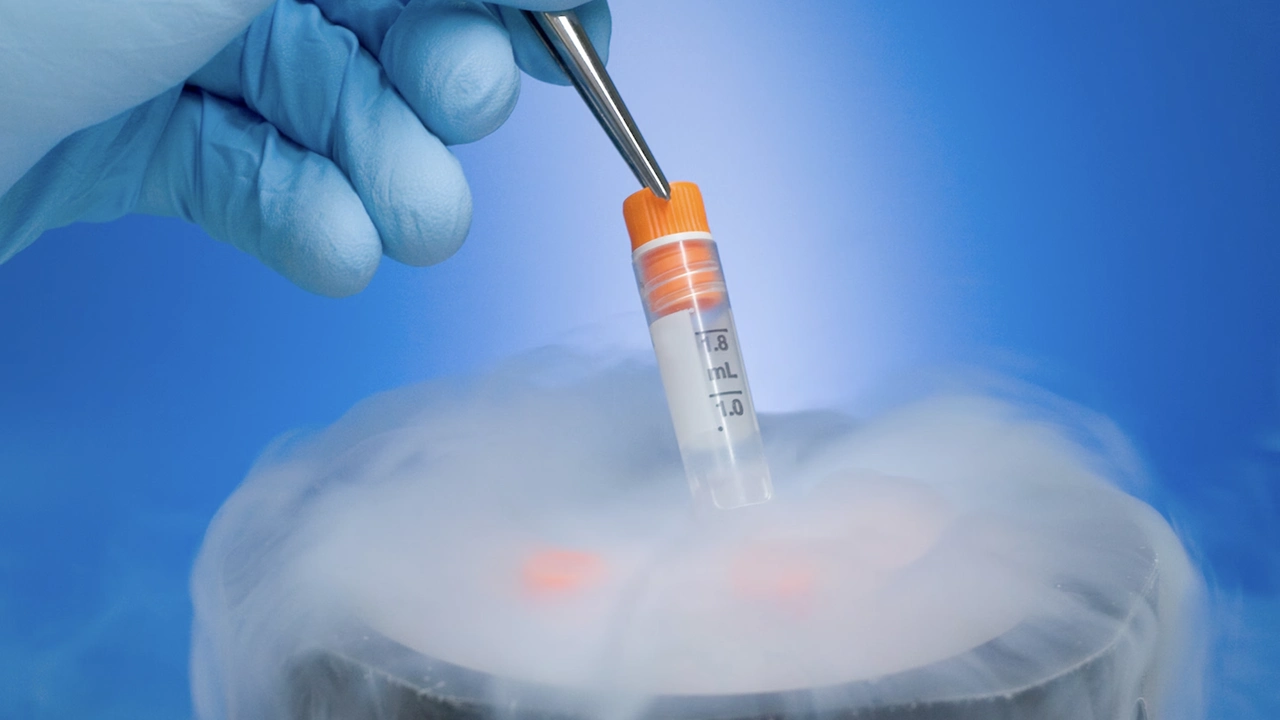
Frozen Egg Thawing survival rates average 80–90% with modern vitrification. Age at freezing is the biggest success factor, younger eggs fertilize better and develop stronger embryos. Banking 10–20 mature eggs improves live birth odds. ICSI remains the gold standard, with blastocyst transfer offering the highest implantation rates.
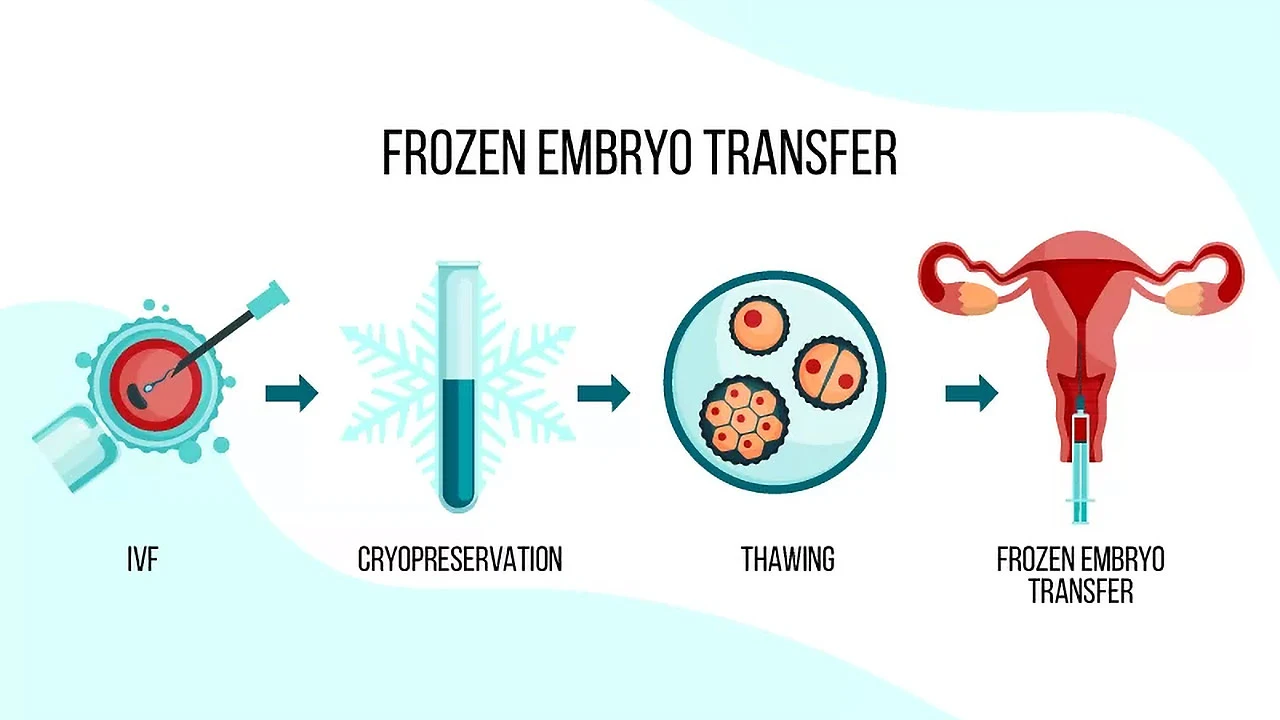
Frozen embryo transfer (FET) is a fertility procedure where previously created and frozen embryos are thawed and placed into the uterus. This comprehensive guide explains the FET process, success rates, benefits, and why it's become a preferred option for many people navigating infertility treatment and building their families.
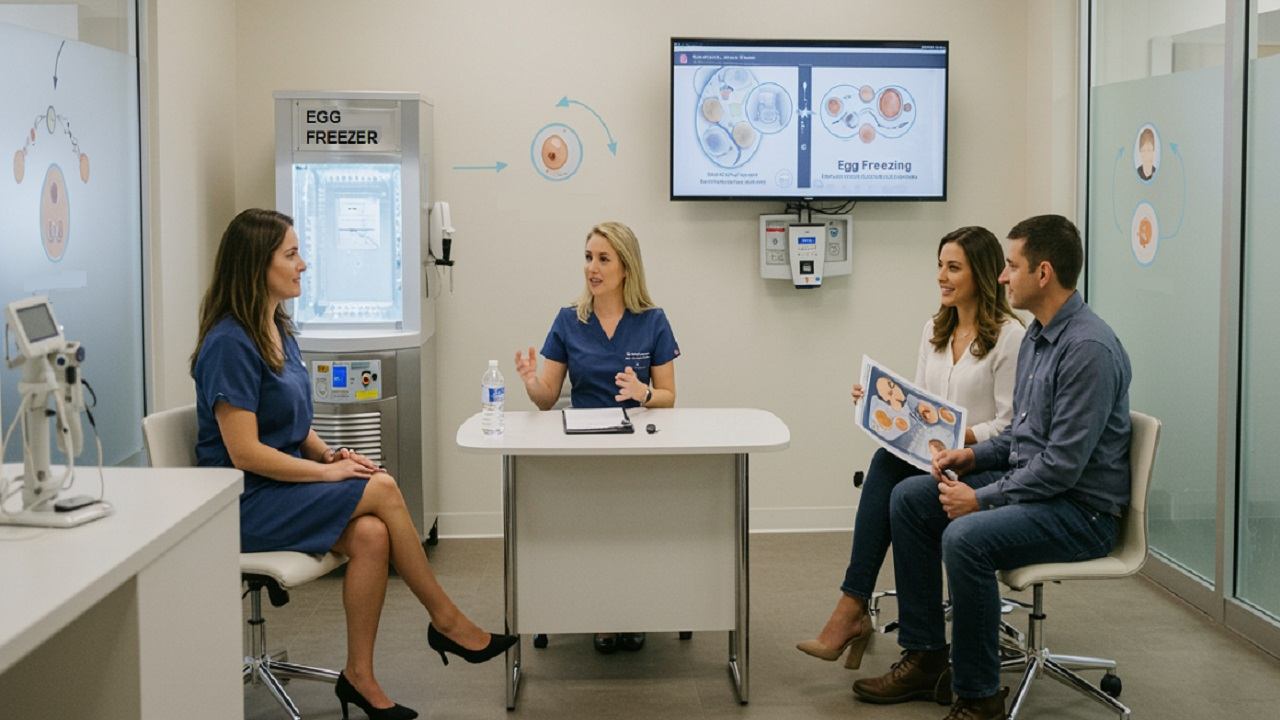
The vital role of fertility preservation and egg donation in helping women overcome reproductive challenges, allowing them to control their family planning. It highlights how these advancements in reproductive medicine enable women to preserve their fertility and access healthier eggs for future pregnancies.

The best age to freeze sperm and eggs depends on biology, fertility health, and personal choice. Experts recommend egg freezing before 35 and sperm freezing before 40 for stronger outcomes. Advances in technology and lifestyle factors also shape fertility preservation decisions.
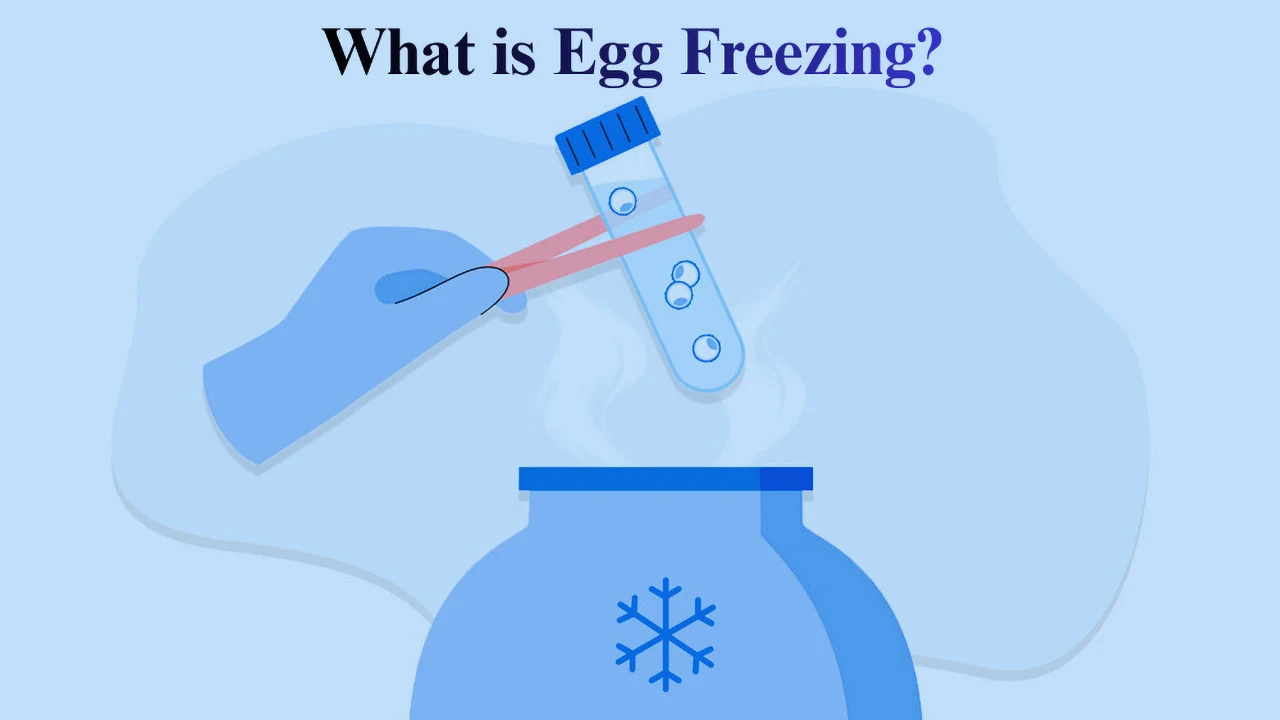
Egg freezing allows women to preserve their fertility by extracting, freezing, and storing eggs for future use. Whether postponing parenthood for career, personal reasons, or medical treatments, this comprehensive guide explains the process, costs, success rates, and who should consider this increasingly popular fertility preservation option.
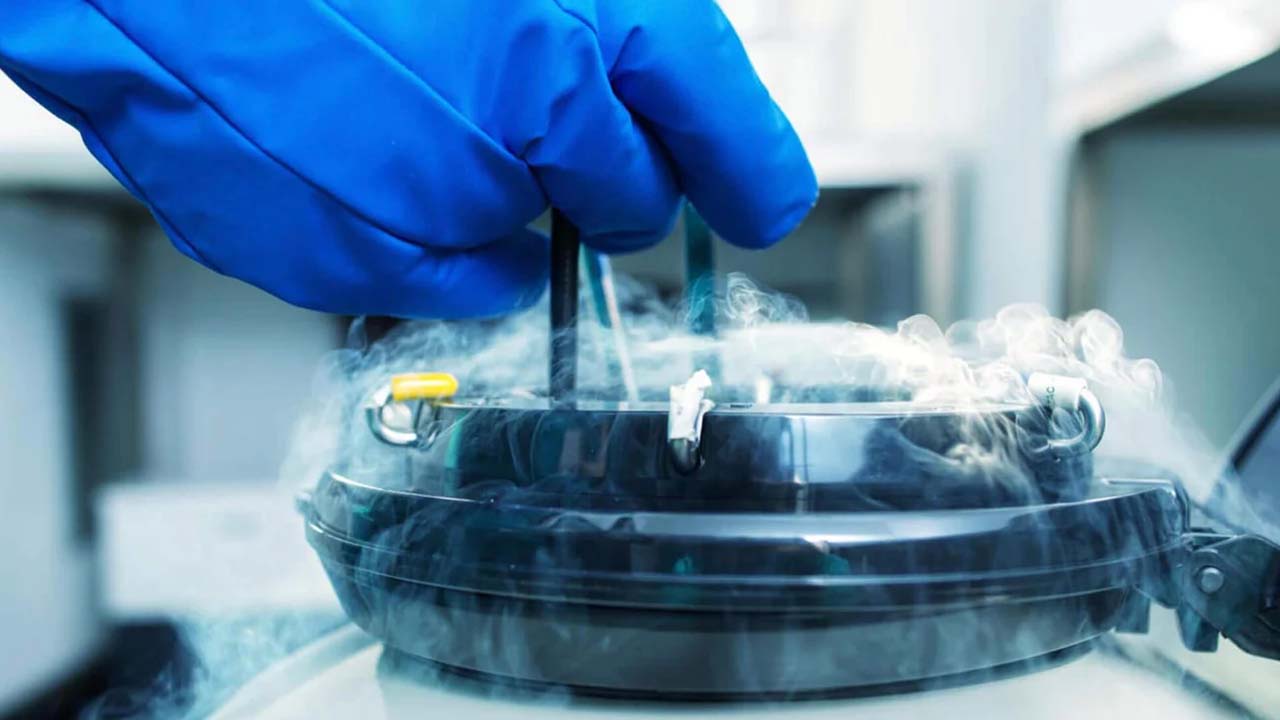
Vitrification vs slow freezing is reshaping ovarian tissue cryopreservation strategies. While slow freezing offers a proven track record, vitrification shows stronger DNA protection and stromal preservation. As fertility preservation advances, clinicians weigh tradition against innovation to improve outcomes for cancer survivors seeking future motherhood.