Home
 ArticlesArticles
Counseling for surrogates across every stage from pre-arrangement preparation to postpartum healing. It highlights emotional care, grief support, and community programs that ensure every surrogate’s mental well-being and resilience are protected throughout the surrogacy journey.




Surrogacy stands as one of the most profound expressions of human compassion and solidarity. A woman who chooses to carry a child on behalf of another family undertakes a journey that blends medical protocols, legal frameworks, and deeply personal emotional experiences. From the earliest conversations about motivations and expectations to the moment of birth and the months that follow, surrogates encounter a spectrum of feelings anticipatory excitement, deep attachment, potential grief, and lasting pride. To navigate this intricate landscape, a carefully designed counseling program is essential. By weaving together psychological care, peer connection, medical oversight, and celebratory rituals, surrogacy agencies and clinics can ensure that each woman’s contribution is honored, her well-being safeguarded, and her resilience fostered.
Before the embryo transfer, surrogates engage in pre-arrangement counseling to clarify motivations, establish realistic expectations, and build coping skills. Guided discussions with mental health professionals help women explore personal values, family dynamics, and potential attachment challenges. Simultaneously, legal and medical experts demystify contracts, clinic protocols, and health considerations, fostering informed decision-making and reducing anxiety.
Key components of pre-arrangement support include:
During the first trimester, concerns about miscarriage and medical risks often surface. Regular therapy check-ins provide a judgment-free space to process fears and reinforce early coping strategies. As pregnancy advances, communication coaching helps surrogates and intended parents negotiate contact preferences, milestone sharing, and boundary maintenance. Group sessions with fellow surrogates normalize emotional fluctuations and cultivate peer networks.
By the third trimester, surrogates may feel a deep emotional bond with the baby. Therapists introduce attachment-aware interventions, such as narrative therapy, to reframe the surrogacy story as one of generosity rather than loss, helping women maintain healthy emotional distance.
Approaching birth, surrogates face anticipation and apprehension about the handover. Birth-planning sessions blend medical education, covering pain management and positioning, with emotional rehearsal through guided imagery and role-play.
Collaborative meetings with intended parents clarify preferences for cord cutting, first holding, and immediate postpartum contact, ensuring a respectful, celebratory transfer.
The immediate postpartum period often brings a potent mix of relief and sorrow. On-site or teletherapy screenings for depression and anxiety help identify baby blues or more intense grief responses. Structured grief support, through expressive writing, art therapy, or symbolic rituals like memory boxes, allows surrogates to honor their contribution without pathologizing natural sorrow.
Celebratory gestures reinforce closure and appreciation:
To implement this comprehensive framework effectively, clinics and agencies must adopt a multidisciplinary approach. Key components include:
Flexibility in service delivery, combining in-person sessions, teletherapy, asynchronous educational modules, and peer-led workshops, accommodates surrogates’ diverse schedules, geographic locations, and personal preferences. To measure impact and drive continuous improvement, programs utilize validated outcome metrics such as well-being scales, participant satisfaction surveys, and longitudinal follow-up studies. Data gathered informs iterative refinements, ensuring that counseling for surrogates remains responsive to emerging needs and evolving best practices.
The journey of surrogacy, while medically defined by clinical protocols and legal contracts, is ultimately human at its core. Surrogates navigate an emotional tapestry woven with hope, attachment, separation, and enduring pride. By integrating comprehensive counseling for surrogates, spanning pre-arrangement education, trimester-specific emotional care, birth-planning rehearsals, structured grief support, and long-term community engagement, agencies can transform surrogacy into a profoundly supported human experience. In doing so, they honor the generosity of surrogates, safeguard their well-being, and affirm that each surrogacy journey resonates far beyond the nine months it encompasses, leaving a legacy of compassion, resilience, and lasting connection.



Understanding surrogacy unveils the medical, legal, and emotional aspects of this life-changing process. From IVF procedures and surrogate selection to ethical considerations and future innovations, this comprehensive guide helps intended parents navigate surrogacy with clarity, compassion, and confidence.

Clinics emphasize psychological screening before surrogacy to evaluate mental health history, resilience, and social support, strengthening ethical practice and safeguarding outcomes for surrogates, intended parents, and babies.

Genetics and epigenetics shape surrogacy pregnancies. Genetic material stays unchanged, yet epigenetic influences from the surrogate's health, stress, and environment affect fetal development and gene expression.

Comprehensive genetic and health testing before surrogacy ensures optimal pregnancy outcomes for all parties involved through ASRM-guided screening protocols and preimplantation genetic testing.

Preimplantation genetic testing in surrogacy IVF dramatically improves embryo selection and gestational carrier safety. Learn how PGT-A reduces miscarriage rates, enhances implantation success, and enables single-embryo transfer for optimal outcomes in surrogacy cycles.
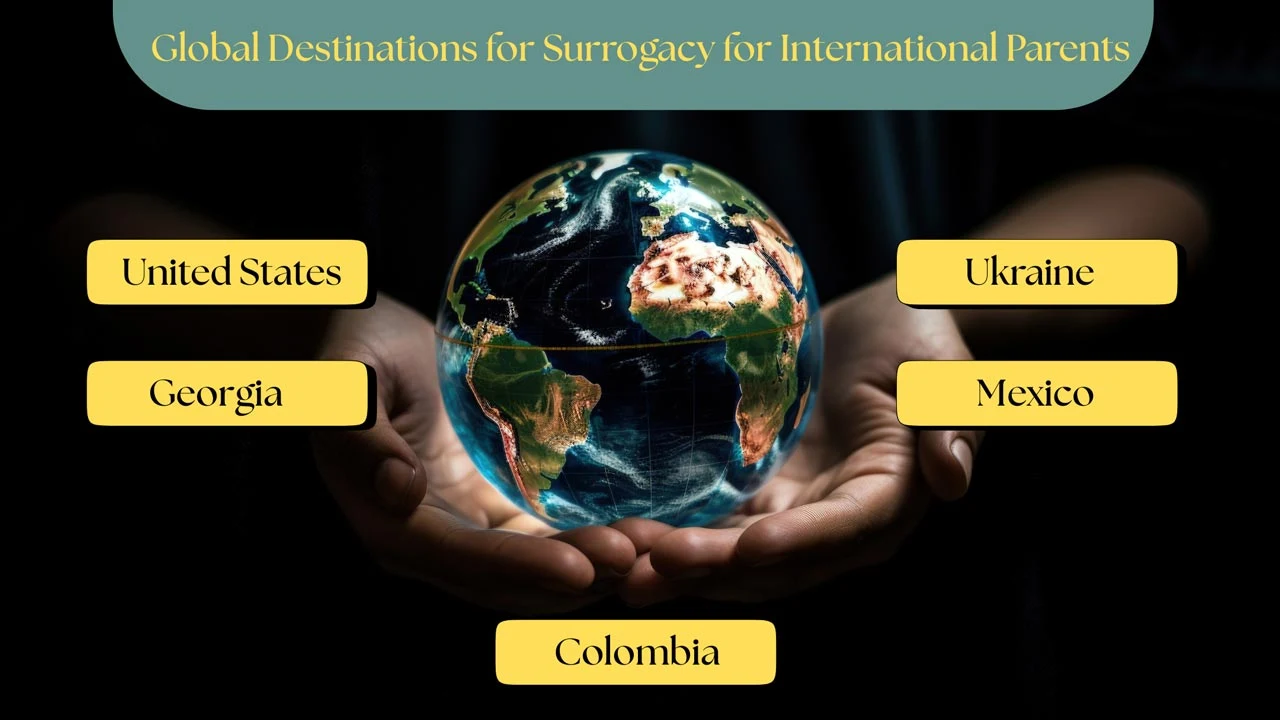
Across the world, only a few nations offer clear, secure, and legally protected pathways for international surrogacy. This guide breaks down why the U.S., Georgia, Ukraine, Mexico, and Colombia remain the most trusted destinations for foreign couples seeking safe, structured, and ethical surrogacy options.

How artificial intelligence is transforming surrogacy matching, connecting intended parents with compatible surrogates faster and more effectively through advanced algorithms and human expertise.