Home
 ArticlesArticles
Near-infrared light for embryos in IVF is being explored as a breakthrough to enhance embryo development. Using photobiomodulation, researchers aim to boost mitochondrial activity during critical stages, potentially improving IVF success rates. This innovative approach could increase viable embryos, offering new hope for patients undergoing fertility treatments worldwide.



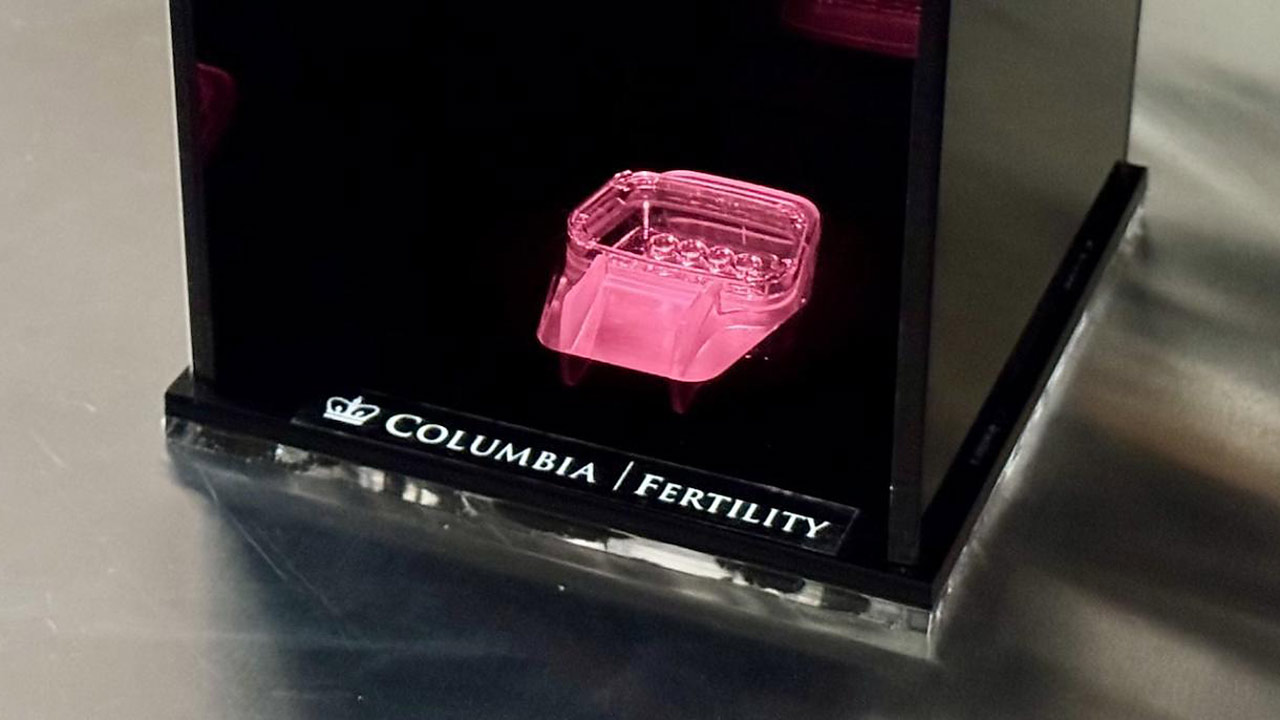
The journey of In Vitro Fertilization (IVF) is often described as a rollercoaster of hope, science, and meticulous timing. For many patients, the ultimate goal is the creation of a healthy embryo capable of successful implantation. However, the path from egg collection to a viable pregnancy is fraught with biological hurdles. Now, a groundbreaking clinical trial at the Columbia University Fertility Center is exploring whether a simple but powerful tool, light, could be the key to unlocking better outcomes for patients worldwide.
By utilizing a novel technology called HELIOS (Human Embryo Illumination System), researchers are investigating if the application of near-infrared light for embryos in IVF can provide the metabolic boost needed during the earliest, most critical stages of life.
To understand how light might help an embryo, we must first look at a field of medicine known as photobiomodulation. This technique, also called near-infrared light therapy, has been a staple in medical treatments for decades. Traditionally, doctors and therapists have used these specific wavelengths of light to promote tissue repair and reduce inflammation in patients.
The underlying principle is surprisingly cellular. Laboratory studies have long suggested that near-infrared light has the unique ability to enhance mitochondrial activity. Mitochondria are the "powerhouses" of the cell, responsible for generating the chemical energy (ATP) that cells need to grow, repair themselves, and function properly. When these powerhouses are stimulated by precisely controlled light, they can help cells generate more energy, which is exactly what an embryo needs during its initial days of development.
Early embryo development is not just a passive process; it is, in fact, one of the most energy-intensive stages of life. From the moment of fertilization, the single-celled zygote must rapidly divide and organise itself into a complex structure. This process requires a massive amount of cellular energy.
"This trial will test whether precisely timed, low-energy light can safely support embryo development and potentially improve IVF success," explains Zev Williams, MD, PhD, the principal investigator of the trial and director of the Columbia University Fertility Center. The hope is that by applying near-infrared light to embryos in IVF, clinicians can support the embryos' metabolism during "critical windows" where energy demand and mitochondrial activity are at their absolute highest.
While the benefits of near-infrared light have been known for some time, applying them to reproductive medicine has historically been difficult. When light therapy is applied externally, for example, through the skin, much of that light energy is absorbed or scattered by the surrounding tissues. This means that very little, if any, of the beneficial energy actually reaches the reproductive organs, eggs, or developing embryos.
To solve this problem, the team at the Columbia University Fertility Center took a multidisciplinary approach. Collaborating with engineers and biophotonics experts, they designed and purpose-built the HELIOS system. Unlike any previous method, HELIOS is designed to deliver precisely controlled pulses of light directly to the embryos within the protected environment of the IVF laboratory. This "direct delivery" ensures that the embryos receive the exact wavelength, timing, and dose required without the interference of tissue scattering.
The launch of the HELIOS clinical trial marks a significant milestone in reproductive biology. This study is randomised and double-blinded, ensuring that the results are as rigorous and objective as possible.
The trial is set to include hundreds of eggs collected during standard IVF treatments. To ensure a fair comparison, the study follows a specific protocol:
The team is not just looking at whether a pregnancy occurs; they are tracking a wide array of laboratory markers to see exactly how the light affects the embryos:

Before moving to human clinical trials, the researchers conducted extensive preclinical experiments using mouse embryos and donated human embryos. These early studies provided the foundation for the HELIOS trial, suggesting that direct exposure to light could indeed improve the progression to the blastocyst stage.
Crucially, these experiments allowed the team to identify a precise dose of light that maximised developmental benefits while showing no observed adverse effects. By using low-energy light, the HELIOS system aims to support the embryo’s natural processes without causing stress or damage to the delicate cells.
The HELIOS trial is led by Zev Williams, who serves as the Wendy D. Havens Associate Professor of Women's Health and the Chief of the Division of Reproductive Endocrinology and Infertility at Columbia University Vagelos College of Physicians and Surgeons. As the principal investigator, Dr. Williams has been instrumental in bringing together the multidisciplinary team of engineers and scientists required to build a system as sophisticated as HELIOS. His vision for the trial is simple: to find a new, safe way to support embryo metabolism and ultimately increase the number of usable embryos created in each IVF cycle.
If the HELIOS trial is successful, it could represent a paradigm shift in how we approach the laboratory portion of IVF. Currently, embryologists work hard to create an environment that mimics the human body as closely as possible. The addition of near-infrared light for embryos in IVF adds a proactive layer of metabolic support that has never been available before.
Increasing the number of usable embryos is a "game-changer" for patients. In a typical IVF cycle, not every egg will become a high-quality embryo suitable for transfer. By improving the "success rate" of each individual embryo, patients may have more opportunities for a successful transfer from a single egg retrieval, reducing the emotional and financial burden of repeated cycles. "If successful, this approach could represent a new way to safely support embryo development and help more patients achieve a healthy pregnancy," says Dr. Williams.
The HELIOS trial is more than just a study of light; it is a study of energy, life, and the potential of technology to improve human health. By focusing on the tiny mitochondria within a developing embryo, researchers at Columbia University are shining a light on the future of reproductive medicine.
As the medical community awaits the results of this landmark study, the possibility of using near-infrared light for embryos in IVF offers a beacon of hope for those navigating the complexities of fertility treatment. By supporting the very powerhouses of life, science may soon make the dream of parenthood a reality for even more people.


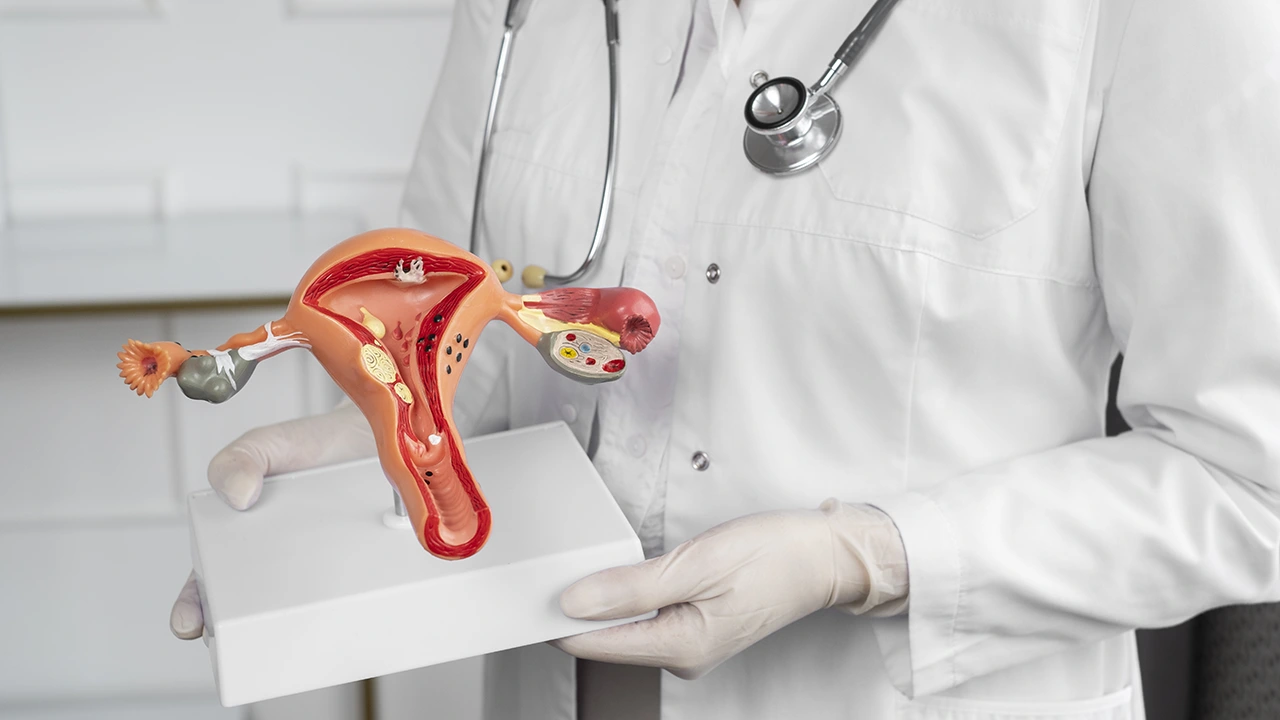
Womb transplantation is giving women with absolute uterine factor infertility the chance to carry and deliver their own child. This article explains how the process works from donor to delivery, who may be suitable, the risks involved and what recent births from living and deceased donors mean for patients.

Advanced female age causes fertility decline through reduced egg quantity, increased chromosomal abnormalities, and mitochondrial dysfunction. Understanding these biological mechanisms helps women make informed family planning decisions. Modern fertility treatments including IVF, preimplantation genetic testing, and egg freezing offer practical solutions to overcome age-related reproductive challenges when trying to conceive.
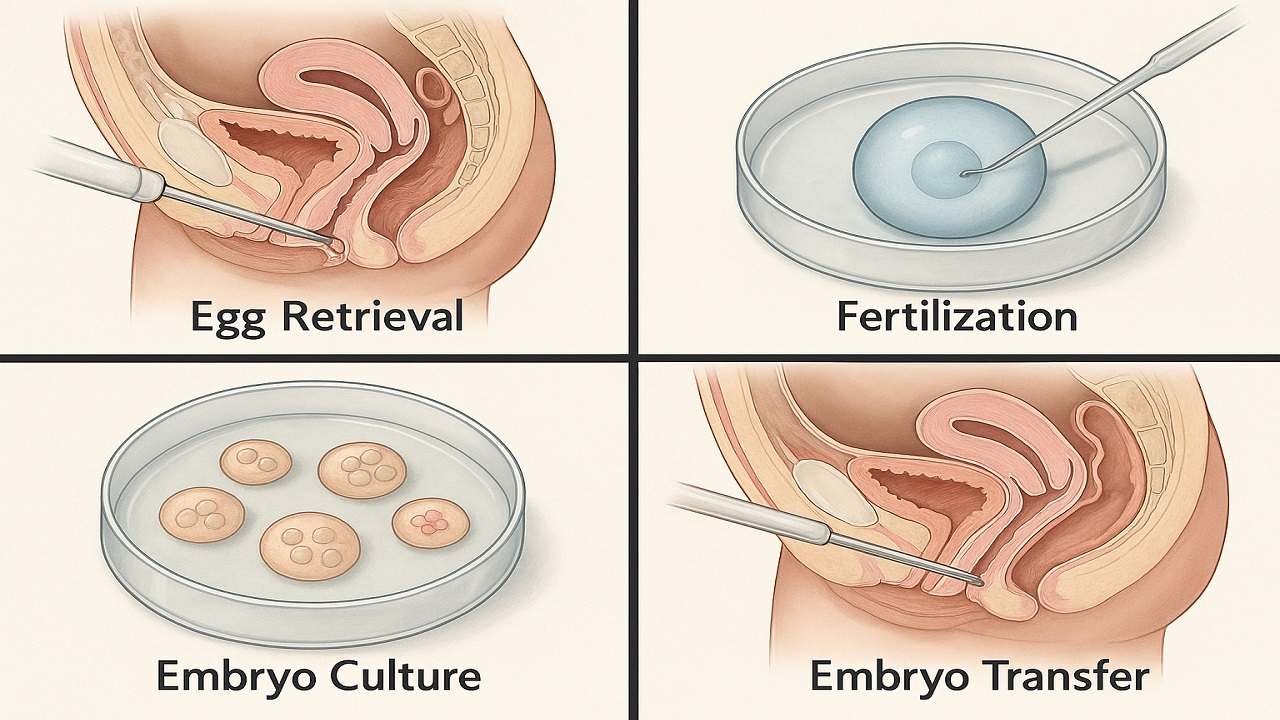
In Vitro Fertilization (IVF) process step by step, emphasising the importance of various stages such as ovarian stimulation, egg retrieval, fertilization, and embryo transfer in maximising the In Vitro Fertilization (IVF) Success Rate. It highlights how a thorough understanding of the procedure can prepare couples and individuals for their In Vitro Fertilization(IVF) journey, ultimately improving their chances of achieving a successful pregnancy.

Vitamin D Deficiency Affect IVF outcomes by influencing endometrial receptivity, embryo quality, and hormone balance. Clinical evidence, age-specific risks, and PCOS implications, while offering actionable strategies to optimize Vitamin D levels and improve IVF success rates and pregnancy outcomes in a structured, patient-focused approach.
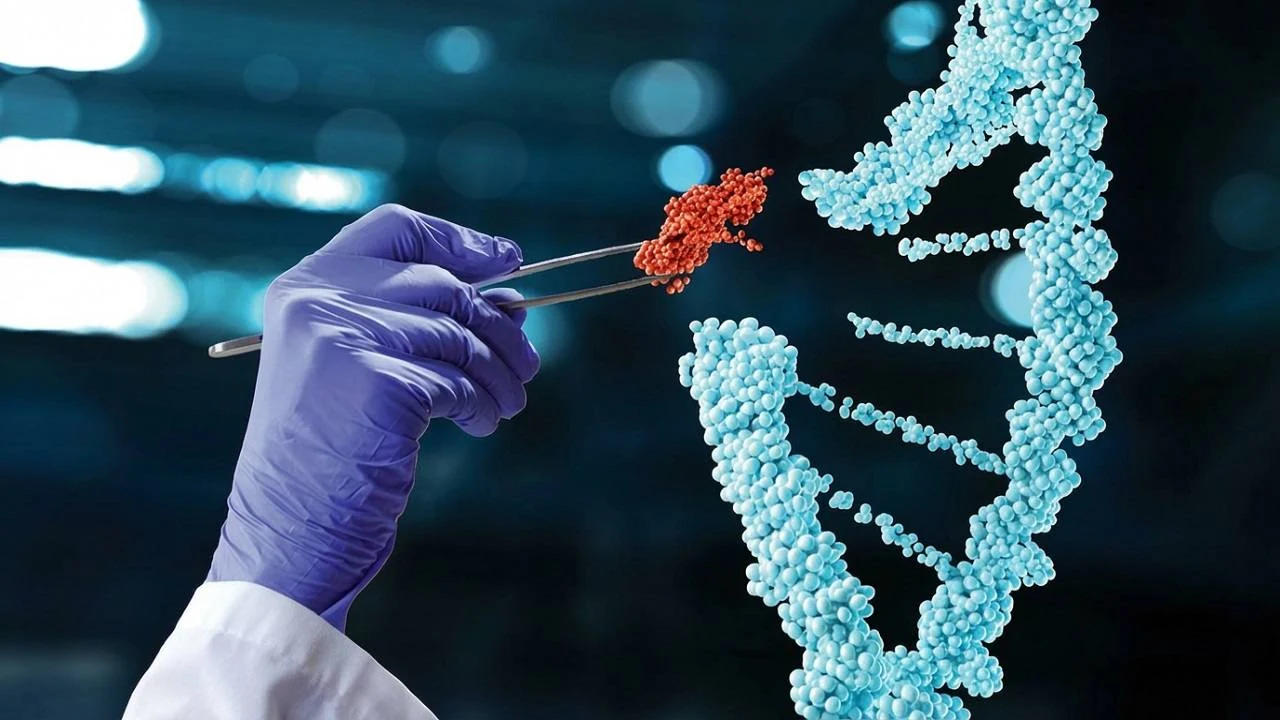
Preimplantation Genetic Testing (PGT) revolutionizes IVF by screening embryos for chromosomal abnormalities and genetic disorders before transfer. This advanced technology increases pregnancy success rates, reduces miscarriage risk, prevents inherited diseases, and shortens time to pregnancy while providing diagnostic clarity and reducing emotional stress for couples.

Clinical evidence increasingly demonstrates that emotional stress or grief reduces the chances of IVF success through sophisticated biochemical pathways that directly influence reproductive physiology. This relationship extends far beyond simple correlations, revealing profound mechanistic connections between psychological distress and the delicate orchestration of hormonal events essential for successful conception.
IVF in 2025 is shifting from hype to evidence-based innovation. As precision, automation, AI, and genetic advances reshape fertility care, patients must distinguish proven breakthroughs from outdated add-ons. This guide examines five groundbreaking IVF technologies in 2025 to understand which advances genuinely improve outcomes