Home
 ArticlesArticles
Fertility conversations often focus on women, yet new research on sperm epigenetics shows a father's environment matters too. This article explains how air pollution may alter chemical marks on sperm DNA, why those changes could matter for fertility and pregnancy, and the practical steps men can reasonably consider before conception.




When couples prepare for pregnancy, most of the advice is directed at women: take folic acid, avoid alcohol, eat well, manage weight. Men are often told little beyond the basics. Yet sperm contribute half of an embryo's genetic material, and a growing body of research suggests they may carry more than genes alone.
A large study presented at the 2026 annual meeting of the European Society of Human Reproduction and Embryology (ESHRE) in London has added new weight to this idea. Researchers found that exposure to common air pollutants while sperm are developing was linked to changes in sperm DNA methylation, a key form of epigenetic regulation. The findings put sperm epigenetics firmly on the agenda for anyone thinking about male fertility and preconception health.
Every cell in the body carries the same DNA sequence, yet a skin cell behaves very differently from a liver cell. The difference lies in which genes are switched on or off, and epigenetics describes the chemical systems that control this. The best known is DNA methylation, in which small chemical tags are attached to DNA, often reducing the activity of the gene nearby.
Sperm carry their own epigenetic marks. Some are erased and reset after fertilisation, but others, particularly at so-called imprinted genes, are designed to persist into the early embryo. Imprinted genes are expressed from either the mother's or the father's copy, and they play important roles in placental development and fetal growth. Because of this, scientists have become increasingly interested in whether a man's environment might influence the epigenetic information his sperm carry into the next generation.
In one of the largest studies of its kind, researchers led by Dr Carrie Nobles of the University of Massachusetts Amherst examined more than 2,000 men. They estimated each man's exposure to common air pollutants during the period in which his sperm were developing, then analysed methylation patterns in the sperm.
Exposure to air pollution was linked to measurable changes in sperm DNA methylation. Ozone and nitrogen dioxide emerged as the strongest contributors, together associated with dozens of methylation changes. Notably, some changes appeared in GNAS, an imprinted gene that has been associated with poorer semen quality and is involved in fetal development.

The lead researcher noted that because imprinted genes can carry their marks through early embryonic development, the findings raise an important question: could a father's environmental exposures influence not only his fertility but also pregnancy and the health of his child? The study does not answer that question, but it makes it harder to ignore.
The study does not stand alone. A separate piece of research presented at the same meeting compared men living in different regions of Spain and found marked regional differences in sperm quality, even though the men's lifestyle habits were broadly similar. After accounting for other factors, geography remained one of the main influences on semen parameters, and the researchers suggested environmental exposures such as pollution may be a driving factor.
Earlier studies have also linked air pollution to lower sperm motility, abnormal sperm shape and higher levels of sperm DNA damage. Animal research has shown that a father's diet, stress and chemical exposures can influence the health of offspring through epigenetic pathways. Together, this work supports a broader idea sometimes described as the paternal origins of health and disease.
Sperm are not made overnight. The full process of sperm production takes roughly two to three months, and during this time developing sperm are exposed to whatever is happening in a man's body and environment. This is why the new study focused on exposure during sperm development rather than exposure at a single moment.
The encouraging side of this timeline is that sperm are continuously renewed. Changes in lifestyle or exposure today will be reflected in the sperm produced in the months ahead. For couples planning a pregnancy, that makes the three months before conception a meaningful window for men as well as women.
No one can completely avoid air pollution, and individual actions cannot replace clean-air policies. Still, there are sensible steps men can consider, particularly when planning a pregnancy or undergoing fertility treatment. Checking local air quality information and, where possible, avoiding strenuous outdoor exercise near heavy traffic on high-pollution days can reduce exposure. Improving indoor air through good ventilation, avoiding indoor smoking and using air purification where appropriate may also help.
The wider foundations of sperm health remain important too. Not smoking, limiting alcohol, maintaining a healthy weight, staying physically active, eating a diet rich in fruit, vegetables and whole grains, and managing stress all support sperm quality. These measures are unlikely to cancel out environmental exposure entirely, but they give sperm the best possible chance.
For clinicians, the research strengthens the case for giving men structured preconception guidance rather than treating male evaluation as a single semen test. Environmental and occupational exposures deserve a place in the male fertility history, alongside medications, heat exposure, smoking and general health.
At present, sperm epigenetic testing is largely a research tool rather than a routine clinical test, and there is no established way to reverse specific methylation changes. The value of the new evidence lies in raising awareness, guiding further research and informing public health measures. As methods improve, sperm epigenetics may eventually offer clinicians new markers of sperm quality and new insight into unexplained infertility and recurrent pregnancy loss.
Men who are planning a family or undergoing fertility investigations can make the most of their appointments by asking a few focused questions. Has a full semen analysis been done, and would tests for sperm DNA fragmentation add useful information in my situation? Could my work, commute or home environment be exposing me to pollutants or chemicals that affect sperm? How long before trying to conceive, or before an IVF cycle, should I make lifestyle changes for them to be reflected in my sperm? Are there any medications or supplements I am taking that could affect sperm quality? These conversations help place environmental factors within a complete picture of male reproductive health, rather than treating them in isolation.
It is important not to overstate what the study shows. It identifies associations between pollution exposure and sperm methylation patterns, not proof that these changes cause infertility or harm to children. Many factors influence both fertility and child health, and most men exposed to everyday air pollution father healthy children.
What the research does show is that sperm are sensitive to the environment in ways that go beyond sperm count. That is a valuable message for men, many of whom underestimate their own role in fertility and pregnancy outcomes.
For too long, preconception health has been treated largely as a woman's responsibility. Studies like this one are helping to rebalance that conversation. A father's health, habits and environment appear to shape the sperm he contributes, and perhaps more than we once thought.
For couples, the practical takeaway is simple: planning for pregnancy is a shared project. For researchers and policymakers, the findings add to the case for cleaner air as a matter of reproductive as well as respiratory health. As understanding of sperm epigenetics grows, it may reshape how the fertility field thinks about men's role in creating healthy pregnancies.
Disclaimer: FertilityIn shares this information based on published research and material from reliable, recognised sources. The content is intended for general awareness only and should not be taken as medical advice. Anyone with questions about their fertility, or who needs medical attention, should consult their own doctor or a qualified fertility specialist.
Reference Sources
ESHRE Focus on Reproduction – Air pollution may alter how sperm genes function
ESHRE Focus on Reproduction – Regional differences in sperm quality despite similar lifestyles



A routine X-ray test of the fallopian tubes may do more than diagnose a problem. This article explains oil-based tubal flushing during hysterosalpingography, what major clinical trials have found about its effect on natural conception, who may benefit, the possible risks and the questions couples should ask their own fertility specialist.
Consumer DNA testing and new open-identity laws are bringing the era of donor anonymity to a close. This article explains why anonymity can no longer be guaranteed, how laws are changing, and what this shift means for donors, intended parents and the growing number of donor-conceived people around the world
Donor genetic screening is moving well beyond basic tests. This article explains how expanded carrier screening and donor-recipient matching work, what recent high-profile cases in Europe have revealed about the limits of screening, and the questions intended parents should ask before choosing donor eggs or sperm for their treatment.
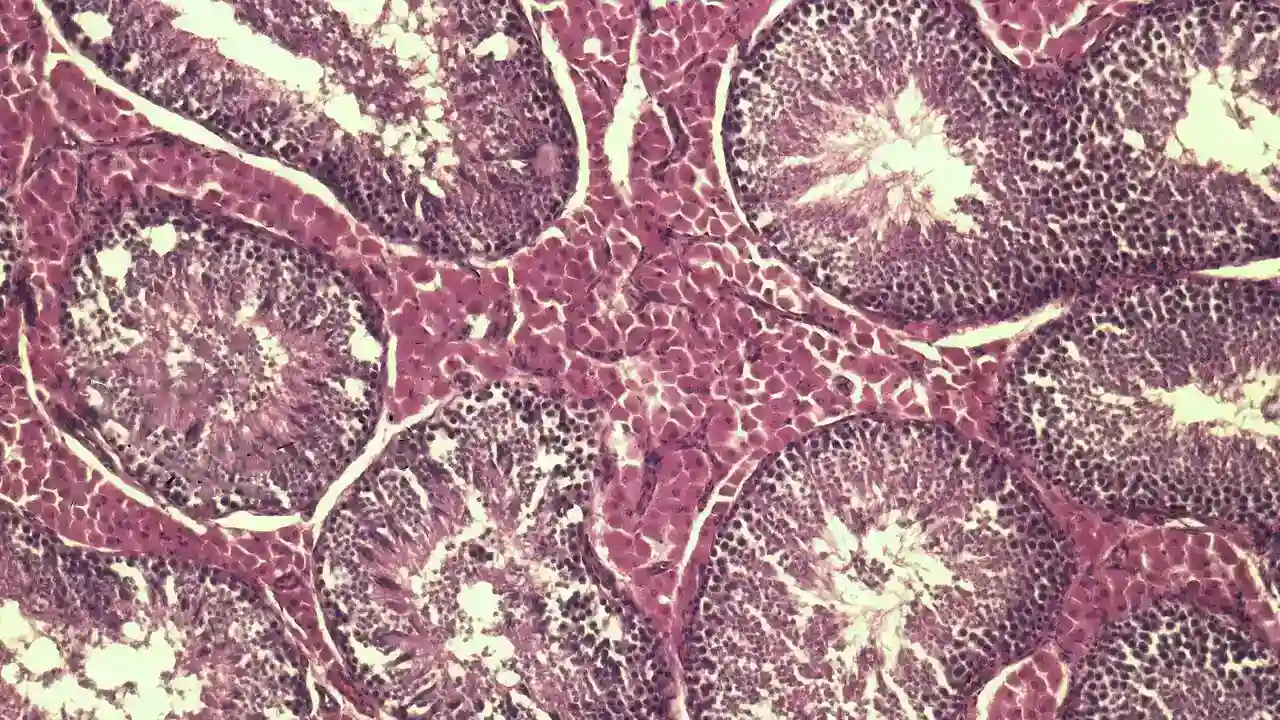
Boys treated for cancer before puberty cannot bank sperm, but freezing testicular tissue containing spermatogonial stem cells may one day restore their fertility. This article explains how the first transplants in adult survivors work, what the early research shows, the risks involved and why families should know about this option.
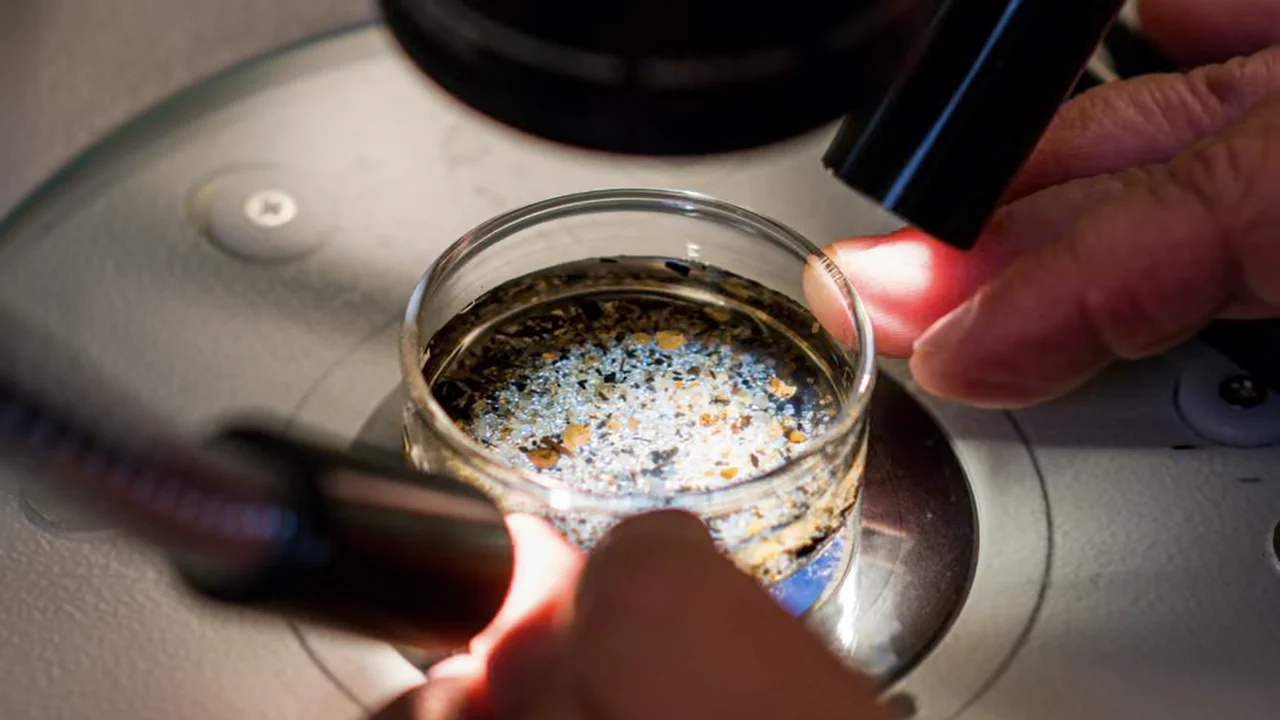
Microplastics have now been found in human follicular fluid and seminal fluid. This article explores the fast-growing body of research on microplastics and fertility, what scientists know and do not yet know about their effects on eggs and sperm, and practical, evidence-based ways that couples can reduce their everyday exposure.
Donor eggs have long been seen as a way to reset the reproductive clock, but new research suggests uterine ageing also plays a role. This article explains what the latest evidence shows, how the ageing uterus may affect implantation and pregnancy, and how women in their late forties can prepare.