Home
 White PapersWhite Papers
USA Fertility Coverage is expanding in 2026 as more states introduce insurance mandates for IVF, diagnosis, and fertility preservation. While private insurance reforms gain traction, Medicaid coverage remains limited. States are focusing on targeted, incremental changes, creating a varied national landscape with improving but uneven access to reproductive healthcare services.



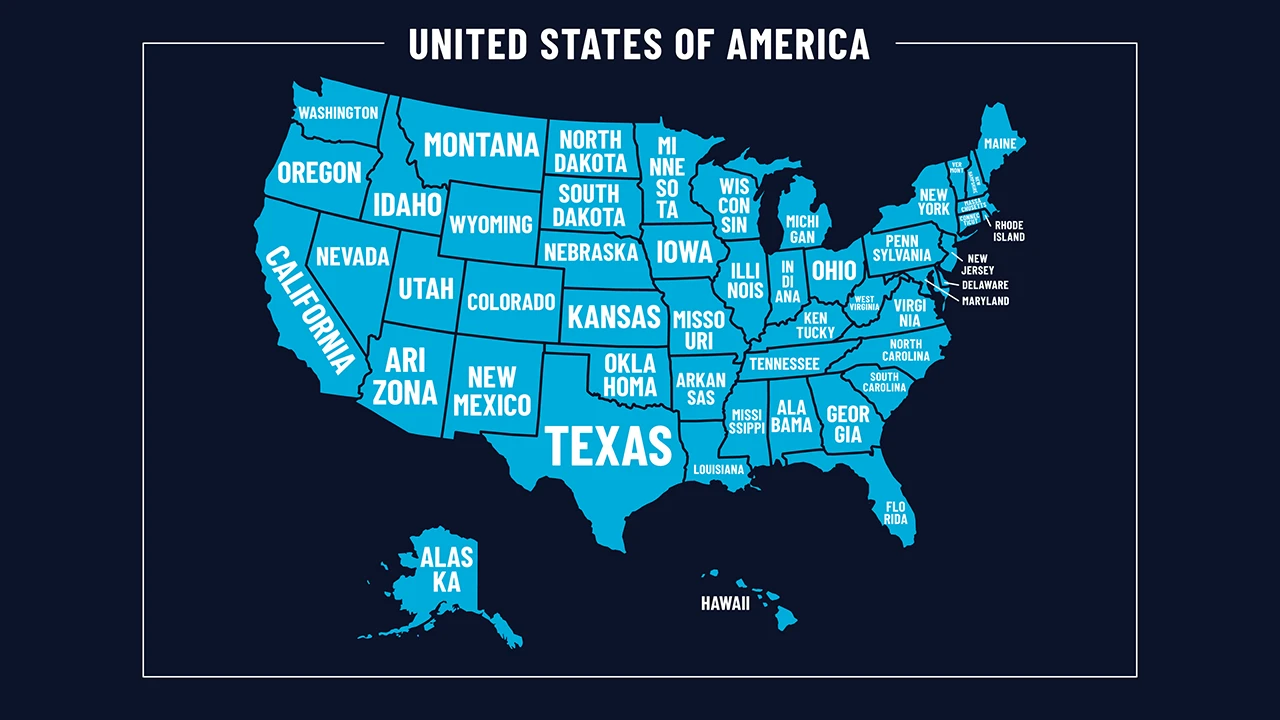
The landscape of USA Fertility Coverage is undergoing a significant transformation as state lawmakers increasingly prioritise affordability and access to reproductive health services. Following a wave of activity in 2025, the 2026 legislative session has seen more than half of U.S. states assess or carry over measures related to fertility care mandates. This trend reflects a growing recognition of fertility care, including in vitro fertilization (IVF) and fertility preservation, as a critical component of state health policy debates. However, under growing budget pressures, these legislative efforts are almost exclusively focused on the commercial insurance market, with very few states considering expansions for Medicaid recipients.
Currently, USA Fertility Coverage through private insurance is mandated in 25 states and Washington, D.C. These mandates are far from uniform; they vary significantly in terms of covered services and eligibility. While some states require comprehensive coverage for diagnosis, fertility drugs, and assisted reproductive technologies (ART) like IVF, others may only mandate the treatment of underlying medical causes of infertility. Furthermore, many states impose strict eligibility restrictions based on a patient’s age, marital status, or specific medical diagnosis.
A prominent trend in 2026 is the expansion of coverage for iatrogenic infertility, infertility caused by medically necessary treatments like chemotherapy. Arizona and Hawaii have both moved legislation to require insurers to provide standard fertility preservation services for members within reproductive age diagnosed with cancer or other conditions requiring treatments that impair fertility. This targeted approach allows lawmakers to expand benefits for specific vulnerable populations while managing broader economic concerns.
Virginia has emerged as a leader in the push for more robust mandates. Its new law (VA HB 328) requires the choice of a new essential health benefits plan that covers infertility caused by medical treatment, fertility diagnosis, and up to three lifetime cycles of ART. This move represents one of the most comprehensive expansions seen in the 2026 session. In contrast, other states are utilising study commissions or incremental language changes to refine their laws. For instance, Connecticut lawmakers substituted a study bill to instead expand the state’s existing mandate by broadening the legal definition of "infertility".
Despite these advancements, Medicaid coverage remains an outlier in the growth of USA Fertility Coverage. Only New York, Utah, and Washington, D.C. provide any form of Medicaid coverage for infertility treatments, and even these programs are highly restricted, such as Utah’s limitation to carriers of specific genetic diseases. As states wrap up their 2026 sessions, the national landscape remains a patchwork of varying requirements, with a clear shift toward targeted, incremental refinements rather than universal, sweeping reforms.



The University of California, San Francisco's EmbryoScope adoption improved IVF efficiency, saving 7 hours daily and boosting embryo evaluation precision with AI-ready tech.

ASRM analyzes the White House IVF announcement, highlighting drug-pricing deals, new employer benefit pathways, and the unresolved legal and equity questions shaping the future of IVF access in the U.S.

NICE Fertility Guidance has introduced a dedicated pathway for endometriosis, replacing outdated classifications with a personalised approach. The update provides clearer treatment steps, supports healthcare professionals with structured guidance, and aligns with NHS goals to improve access, consistency, and quality of fertility care for patients across the UK.
The National IVF and ICSI Guideline introduces unified clinical protocols for IVF and ICSI in Ireland, strengthening safety measures, promoting eSET, and standardizing assessments and treatment pathways to elevate nationwide fertility care.

CryoFuture’s IVF lab emergency preparedness white paper details key risks to cryogenic storage and offers strategies for monitoring, response and off-site backup to protect reproductive specimens and operations.