Home
 White PapersWhite Papers
A rights-based fertility policy framework ensures individuals can decide when, whether, and how many children to have. Removing medical and social barriers, expanding access to care, and rejecting demographic pressure are essential to creating conditions that allow people to pursue their reproductive intentions freely and without discrimination




A rights-based fertility policy asserts that every individual has the freedom to decide whether, when, and how many children to have, without coercion or pressure. The Coalition for Fertility argues that this principle must guide fertility and demographic policymaking, especially as governments increasingly focus on declining birth rates for economic and social security reasons. The organization maintains that reproductive rights cannot be shaped by demographic targets and must remain centered on individual choice.
Infertility affects one in six individuals in Europe, yet access to fertility care remains unequal across countries due to legal, financial, and social barriers. This inequality particularly affects single people, same-sex couples, and those facing restrictive eligibility rules, limiting their ability to pursue treatment. The Coalition notes that involuntary childlessness is a major public health issue and calls for fertility care to be recognized as an essential component of healthcare policy.
A rights-based fertility approach also emphasizes the need to counter exclusionary and discriminatory narratives based on gender identity, race, or economic status. Such narratives, the Coalition warns, contribute to unequal access and reinforce stigma for those experiencing infertility or seeking fertility care.
The organization urges policymakers to guarantee universal access to fertility treatment, improve reproductive education, and ensure that all individuals can make informed decisions about building a family. It argues that equitable access to fertility care is fundamental to a just and thriving society and should be integrated into broader gender equality and demographic frameworks.
These recommendations guide the development of a rights-based fertility policy and related demographic frameworks, strengthen evidence-based decision-making, and support conditions that allow all individuals to realize their reproductive intentions without pressure or discrimination.



The evolving landscape of Assisted Reproduction and IVF Policy in the United States. It highlights federal funding challenges, military fertility coverage, insurance mandates, reproductive justice concerns, and the role of evidence-based fertility care. The analysis explores how policy decisions may shape future access, transparency, and innovation in reproductive medicine.

This policy framework explores how inclusive fertility care policy can eliminate barriers rooted in legal, financial, and social inequities. It calls for data-driven governance, culturally competent care providers, and equitable access frameworks that empower every individual, regardless of background, to pursue parenthood with dignity and equal opportunity.

FastTraCS’ white paper probes the most significant unmet needs in REI, from daily injection burdens and clinic workflows to data systems and patient access, underscoring innovation’s role in fertility care’s next chapter.

The Fertility Futures Pulse Report uncovers widespread silence around reproductive health in Britain, highlighting male stigma, poor school education, and media misinformation. With the UK fertility rate at 1.41, the report urges earlier conversations and stronger fertility literacy to prevent delayed parenthood and demographic decline.

The Australian Guidelines for Male Infertility offer clinicians a unified evidence-based framework to improve diagnosis, management, and counseling for male fertility issues.
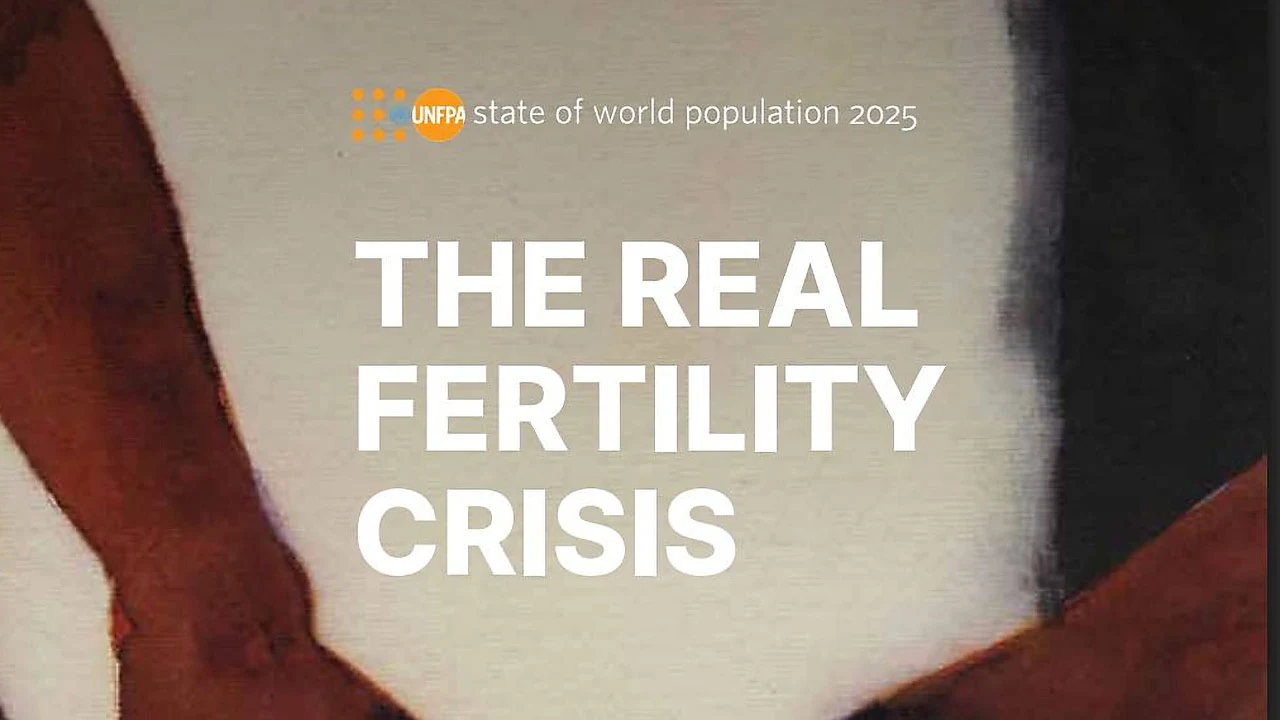
Global fertility conversations often miss the real crisis: the growing inability of people to achieve their reproductive choices. This white paper, informed by a United Nations Population Fund report, explores how economic strain, gender inequality, and limited healthcare access restrict reproductive agency and deepen the divide between desired and achieved fertility worldwide.



