Home
 White PapersWhite Papers
FastTraCS’ white paper probes the most significant unmet needs in REI, from daily injection burdens and clinic workflows to data systems and patient access, underscoring innovation’s role in fertility care’s next chapter.




The white paper, authored by FastTraCS and experts from the University of North Carolina at Chapel Hill, explores critical gaps in Reproductive Endocrinology and Infertility (REI). As IVF volume steadily increases, with over 432,000 cycles performed in the U.S. in 2023, the demand for efficient, patient-centered care has reached a public health priority. Despite technological advancements since 1978, fertility treatment remains plagued by high dropout rates (10-50%) driven largely by the physical and psychological burdens of care.
Unmet needs in REI to identify the most pressing challenges, FastTraCS conducted a Design Thinking session with clinicians, nurses, and administrative staff at UNC Fertility. This human-centered approach utilized rapid ideation and rank voting to categorize unmet needs. The results highlighted three primary "pain points" that each received 15% of the total votes: medication management, clinical space, and Electronic Medical Record (EMR) systems.
The first major finding centers on the burden of daily injections. Patients often require up to three distinct injections daily, involving complex reconstitution and precise timing. While clinicians sometimes underestimate this stress, patients frequently struggle with needle-related anxiety (trypanophobia) and fear of dosing errors. The sources suggest that innovation in long-acting injectables, wearables, or simplified auto-injectors could significantly improve adherence.
Secondly, the paper identifies inadequate physical space as a barrier to workflow and privacy. Limited room availability disrupts the interdisciplinary collaboration essential for modern fertility care. Optimizing these spaces is viewed as a "generalizable challenge" that requires significant capital and engineering but is vital for enhancing the patient experience.
Thirdly, EMR limitations remain a pervasive issue. At UNC Fertility, the lack of integration with the broader Epic system creates silos in communication and documentation. The paper notes a critical need for specialized, user-friendly software that supports the unique, data-intensive workflows of IVF.
Beyond these top priorities, the white paper identifies secondary needs, such as improved ultrasound quality for patients with higher BMIs, better statistical tracking for treatment outcomes, and expanded access through remote ultrasound evaluations.
The Unmet needs in REI document conclude by framing these needs within a shifting policy landscape. Recent legislative actions, such as California’s SB 729 (mandating IVF coverage) and a 2025 Executive Order aimed at reducing out-of-pocket costs, are expected to further drive demand. This evolution necessitates a commitment to innovation in clinical delivery and technology to ensure equitable and effective access to fertility care.



A rights-based fertility policy framework ensures individuals can decide when, whether, and how many children to have. Removing medical and social barriers, expanding access to care, and rejecting demographic pressure are essential to creating conditions that allow people to pursue their reproductive intentions freely and without discrimination

This policy framework explores how inclusive fertility care policy can eliminate barriers rooted in legal, financial, and social inequities. It calls for data-driven governance, culturally competent care providers, and equitable access frameworks that empower every individual, regardless of background, to pursue parenthood with dignity and equal opportunity.

The Fertility Futures Pulse Report uncovers widespread silence around reproductive health in Britain, highlighting male stigma, poor school education, and media misinformation. With the UK fertility rate at 1.41, the report urges earlier conversations and stronger fertility literacy to prevent delayed parenthood and demographic decline.

The Australian Guidelines for Male Infertility offer clinicians a unified evidence-based framework to improve diagnosis, management, and counseling for male fertility issues.
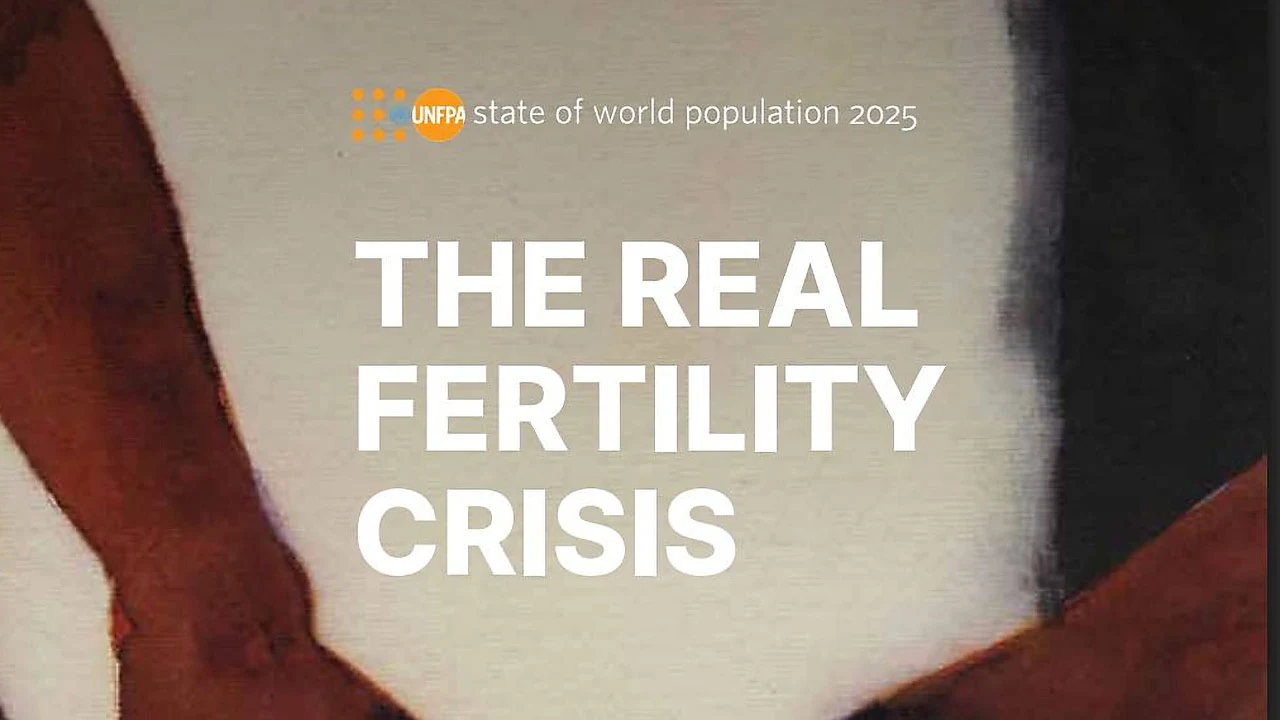
Global fertility conversations often miss the real crisis: the growing inability of people to achieve their reproductive choices. This white paper, informed by a United Nations Population Fund report, explores how economic strain, gender inequality, and limited healthcare access restrict reproductive agency and deepen the divide between desired and achieved fertility worldwide.