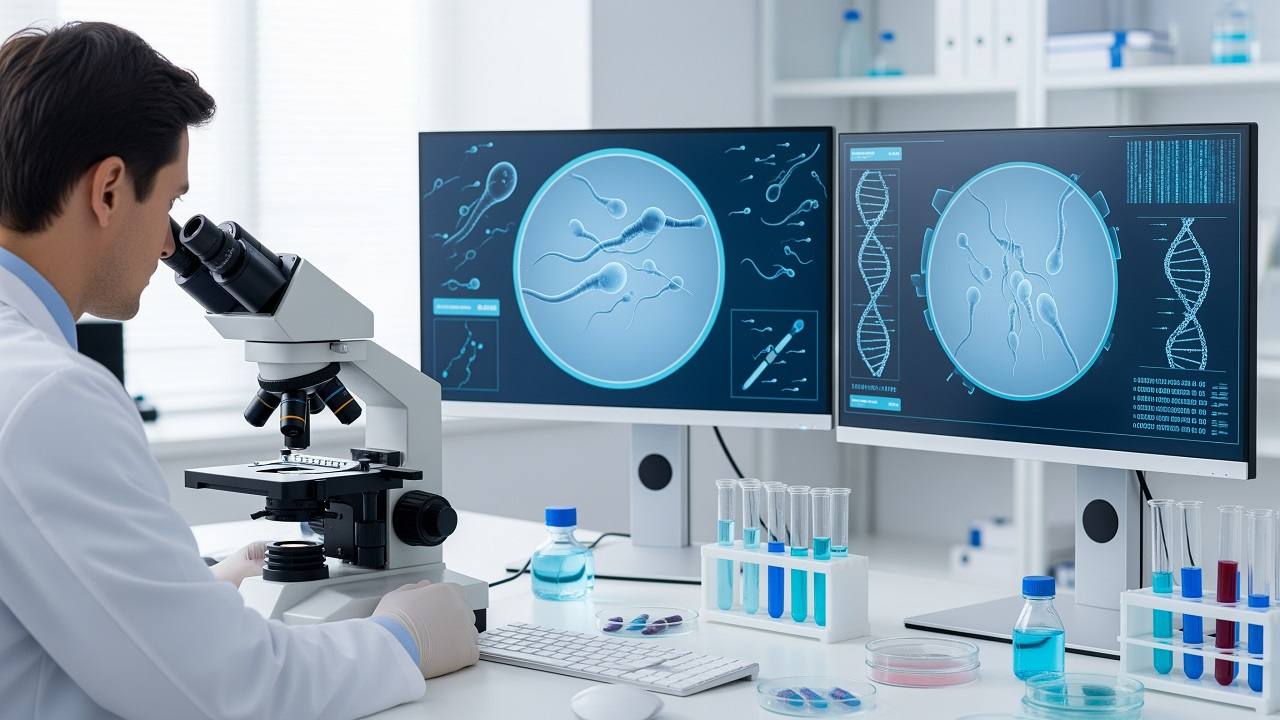
How Does Male Age and Sperm Proteomics Shape Fertility Potential?
How male age and sperm proteomics influence fertility, revealing impacts often hidden beyond standard semen analysis. It highlights how ageing alters protein expression, increasing DNA damage, oxidative stress, and IVF failure risks. With emerging diagnostics and lifestyle interventions, the piece underscores a shift toward shared responsibility in reproductive success.

FertilityIn
Sperm/ Egg freezing
Article
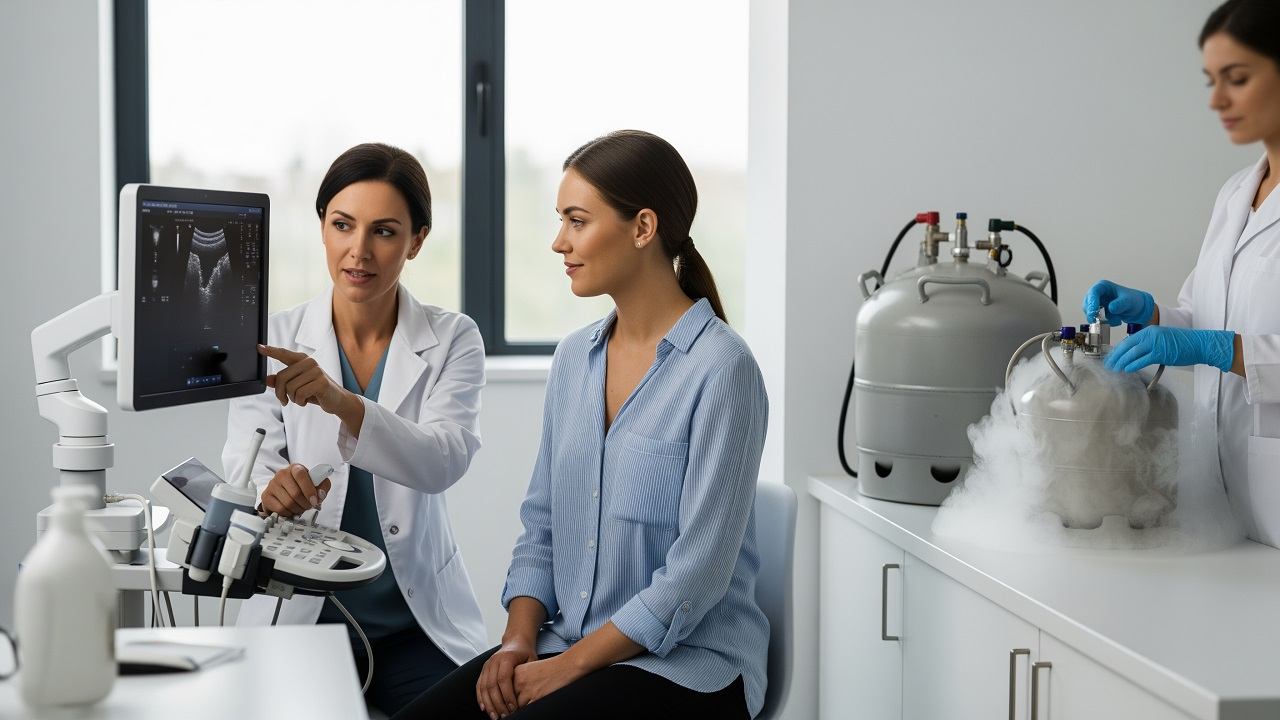
Cryopreservation of Eggs and Embryos: Process, Benefits & Success
Cryopreservation technology of eggs and embryos is a breakthrough in reproductive medicine, allowing long-term preservation of fertility through advanced freezing techniques. It offers flexibility in family planning, supports medical and social fertility preservation, and ensures multiple chances for pregnancy success. With vitrification and genetic testing integration, it provides safe, effective, and future-ready solutions for individuals and couples.
FertilityIn
Sperm/ Egg freezing
Article

New Jersey Sets Embryo Storage Regulations, Nation's First Comprehensive Reproductive Tissue Safety Framework
New Jersey sets embryo storage regulations as the nation's first comprehensive state framework for reproductive tissue protection. The regulations require facility licensure, accreditation standards, backup power systems, and emergency preparedness policies. New Jersey embryo storage regulations protect fertility patients and establish a national benchmark for safe assisted reproductive technology services.
FertilityIn
22 Dec 2025
Sperm/ Egg freezing
News
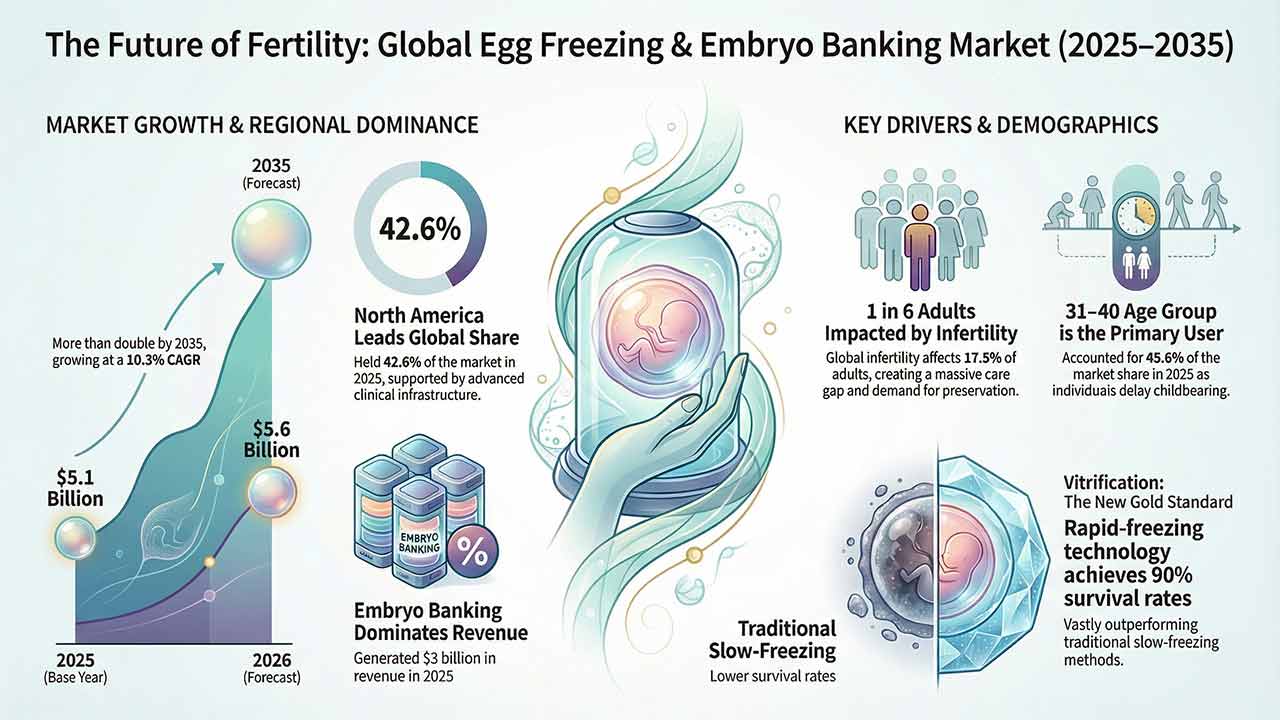
The Global Egg Freezing and Embryo Banking Market is Expected to Reach USD 13.6 Billion
The global egg freezing and embryo banking industry is expanding rapidly, projected to reach USD 13.6 billion by 2035. Rising infertility rates, vitrification breakthroughs, automation in cryopreservation, and increasing acceptance of delayed parenthood are reshaping global reproductive healthcare markets, with North America leading and Asia-Pacific emerging strongly.
FertilityIn
Sperm/ Egg freezing
Report
Vitrification vs Slow Freezing: The Future of Ovarian Tissue Cryopreservation
Vitrification vs slow freezing is reshaping ovarian tissue cryopreservation strategies. While slow freezing offers a proven track record, vitrification shows stronger DNA protection and stromal preservation. As fertility preservation advances, clinicians weigh tradition against innovation to improve outcomes for cancer survivors seeking future motherhood.
FertilityIn
Sperm/ Egg freezing
Article

Human Egg Rejuvenation Breakthrough for IVF Success Reported by Pioneering Ovo Labs
Ovo Labs reveals groundbreaking first human egg rejuvenation data, significantly improving egg quality in IVF to offer new hope for older patients and enhanced global fertility outcomes.
FertilityIn
05 Feb 2026
Sperm/ Egg freezing
News
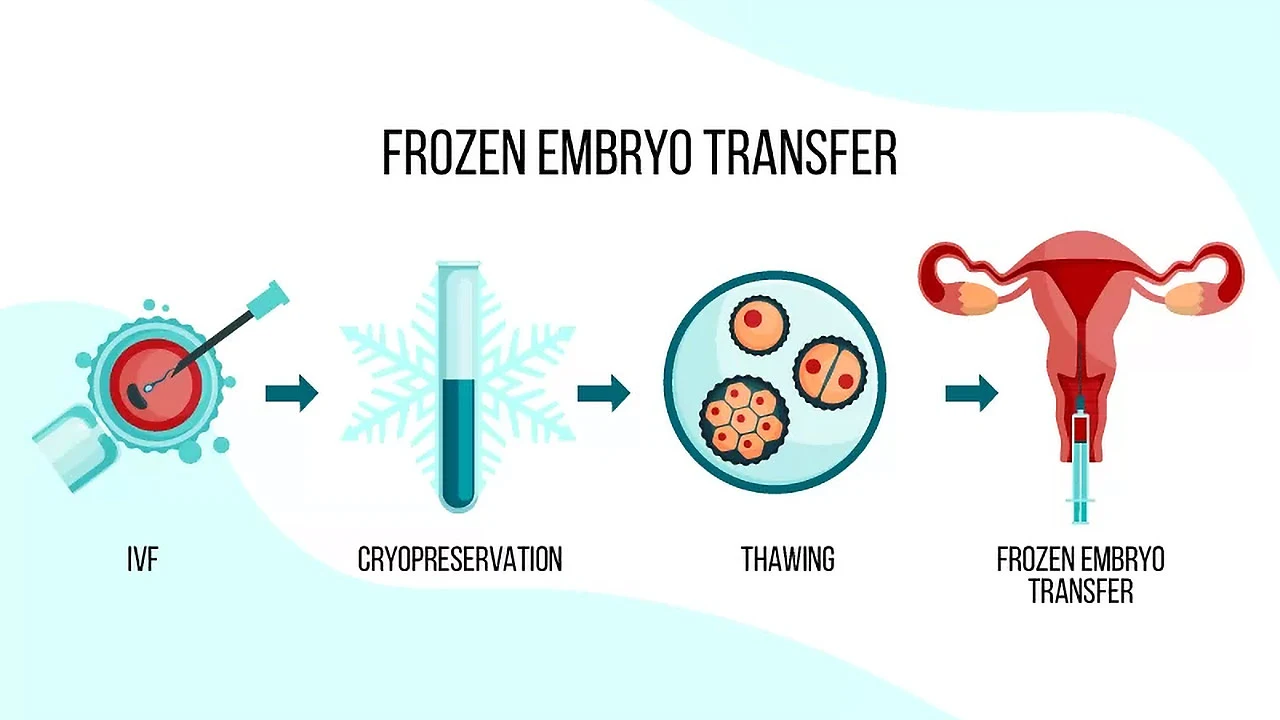
Frozen Embryo Transfer Explained: Process, Benefits, Success Rates, and What to Expect
Frozen embryo transfer (FET) is a fertility procedure where previously created and frozen embryos are thawed and placed into the uterus. This comprehensive guide explains the FET process, success rates, benefits, and why it's become a preferred option for many people navigating infertility treatment and building their families.
FertilityIn
Sperm/ Egg freezing
Article

Legacy Launches "Sperm Insights", a First-of-Its-Kind Data Platform for Male Fertility and Long-Term Health
Legacy launches Sperm Insights, a data-driven platform transforming semen analysis into personalised, trackable fertility insights. With features like sperm scoring, age-based benchmarking, and longitudinal tracking, the tool empowers men to understand and improve reproductive health while connecting fertility data to broader wellness and longevity outcomes.
FertilityIn
24 Mar 2026
Sperm/ Egg freezing
News
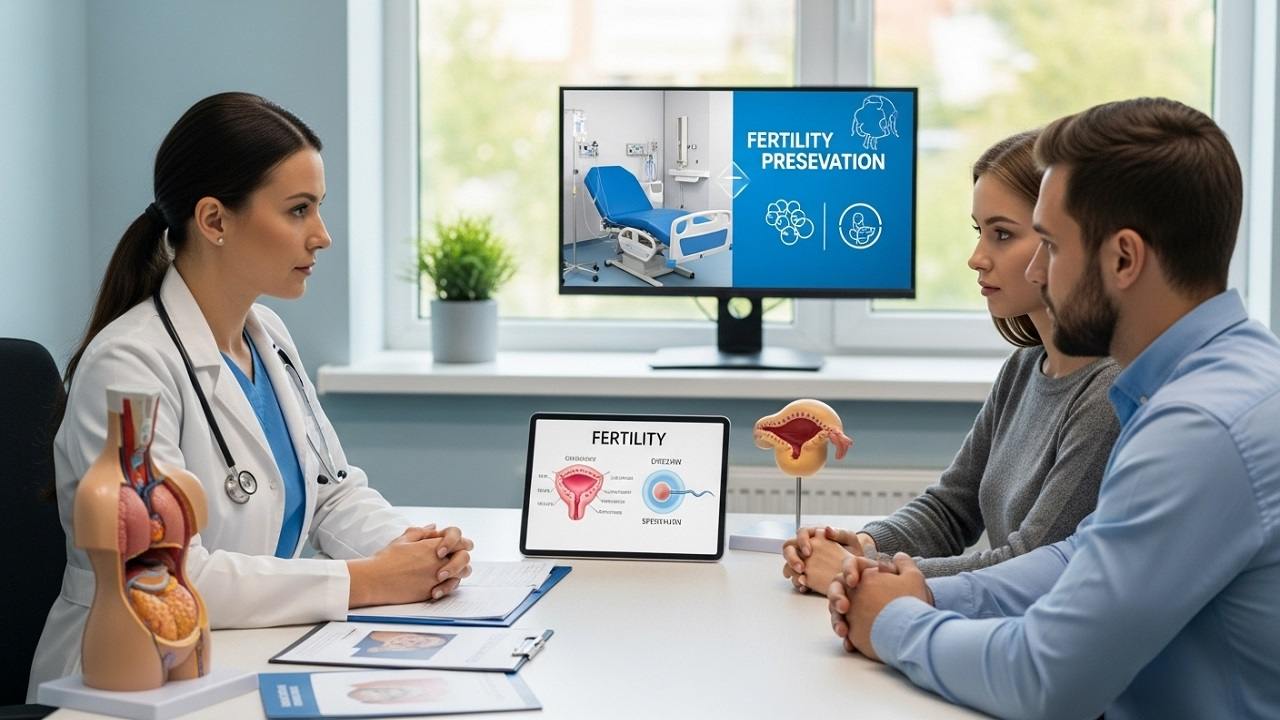
Cancer Treatments and Radiotherapy: Why They Can Cause Infertility – An Overview of the Risks and Alternatives
Cancer treatments like chemotherapy and radiation can significantly impact fertility. Learn about their effects on reproductive health and the methods to safeguard your fertility.
FertilityIn
Sperm/ Egg freezing
Article
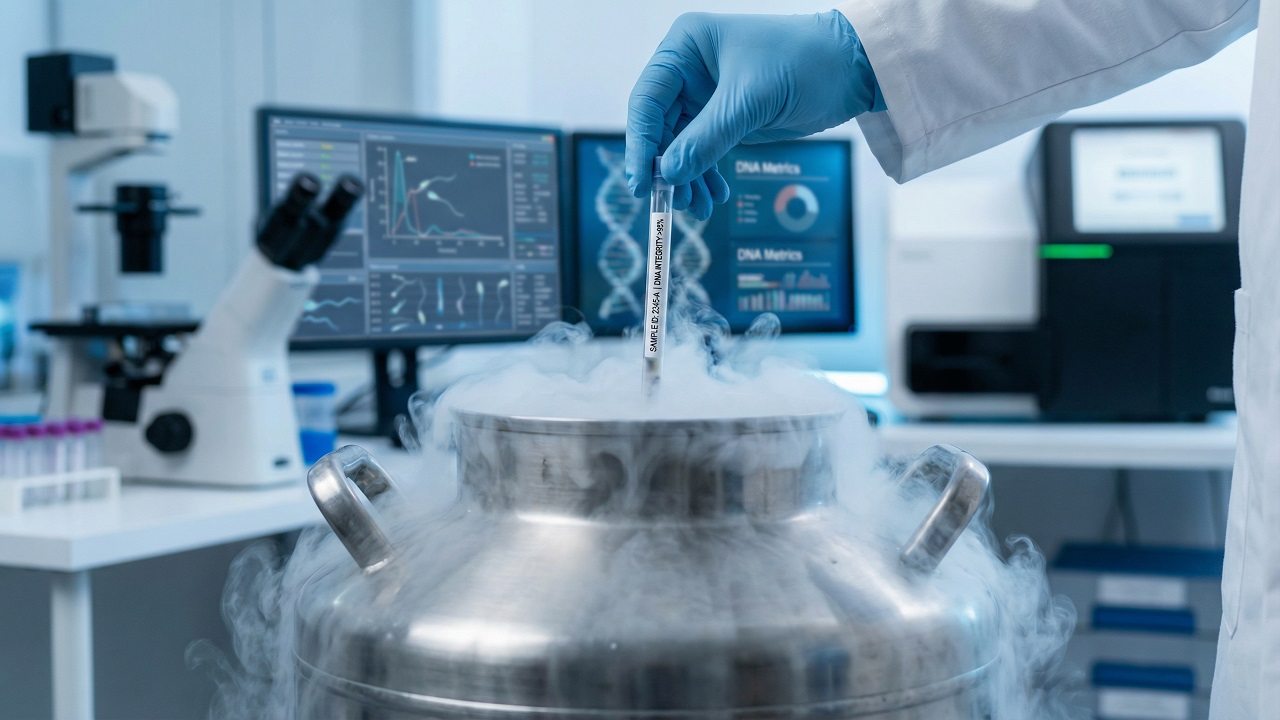
Innovative Sperm Cryopreservation Strategies in 2025 for Improved Male Fertility
Sperm cryopreservation in 2025 is shifting from basic freezing to highly advanced preservation. New methods like vitrification, safer cryoprotectants, antioxidants, and personalized multiomics greatly enhance DNA quality and function after thawing These innovations offer men stronger, more reliable fertility preservation options for future family planning.
FertilityIn
Sperm/ Egg freezing
Article
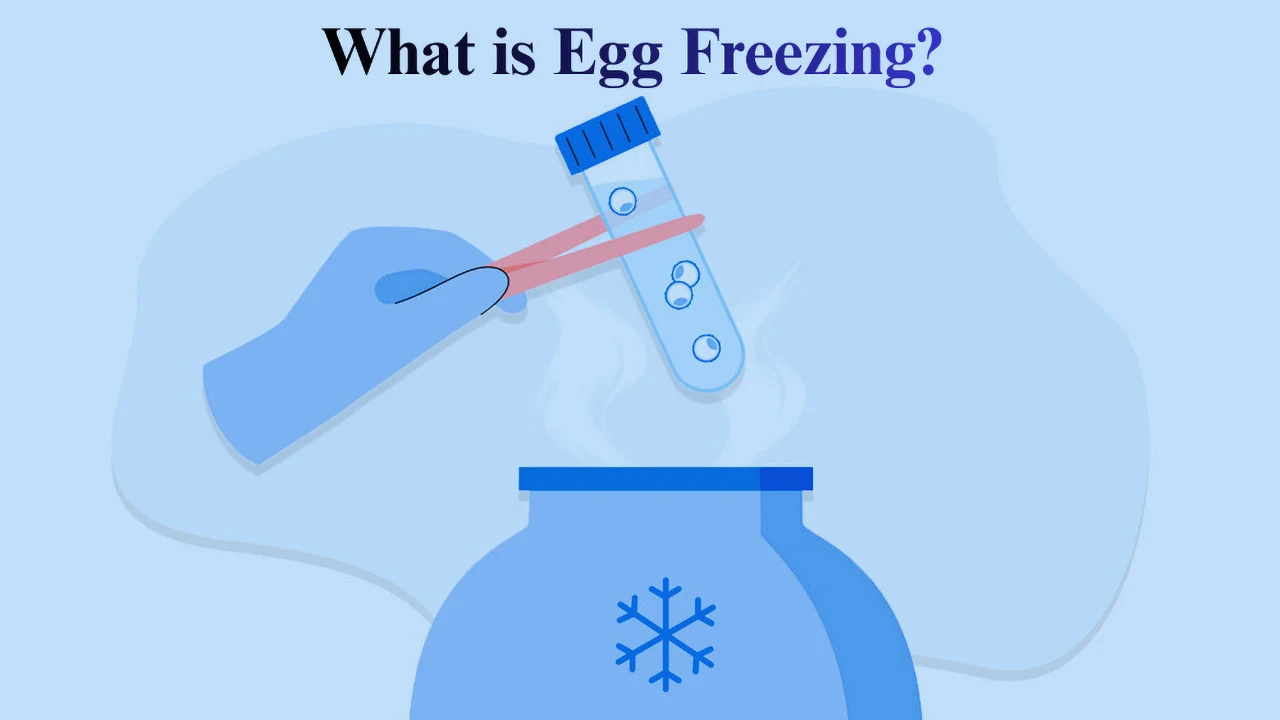
What is Egg Freezing? How It Works and Who Should Consider It
Egg freezing allows women to preserve their fertility by extracting, freezing, and storing eggs for future use. Whether postponing parenthood for career, personal reasons, or medical treatments, this comprehensive guide explains the process, costs, success rates, and who should consider this increasingly popular fertility preservation option.
FertilityIn
Sperm/ Egg freezing
Article
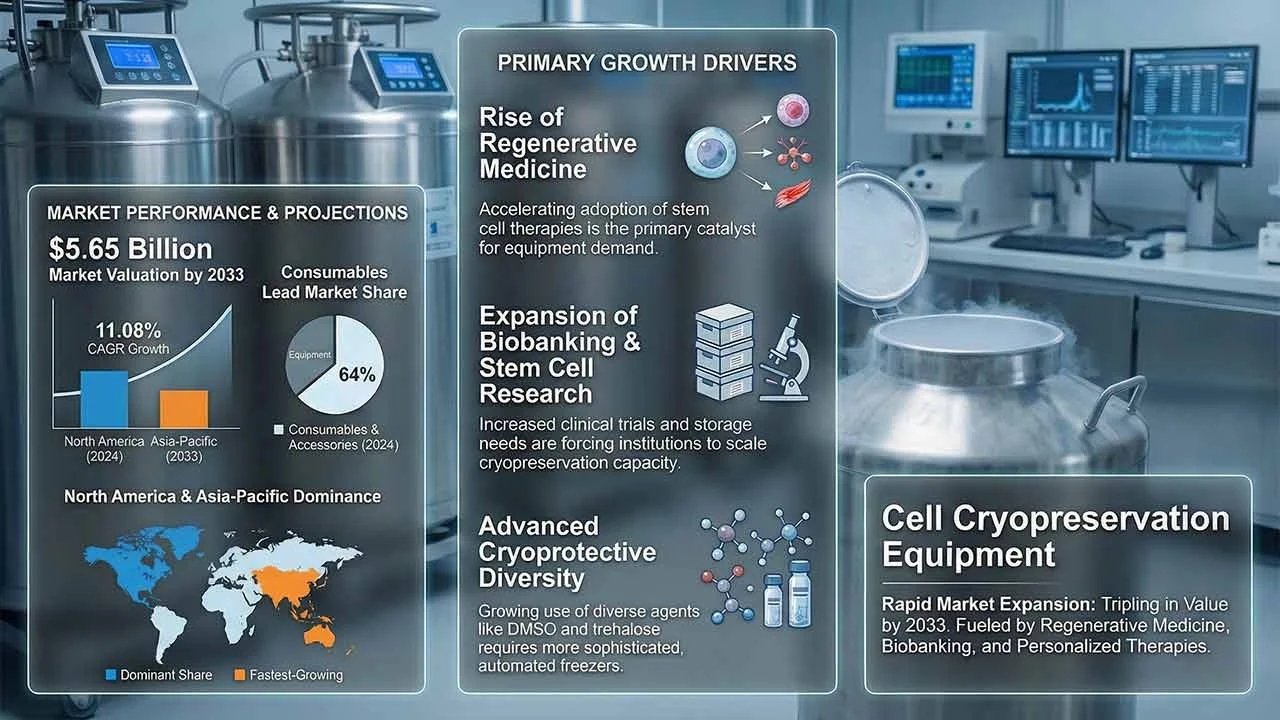
Cell Cryopreservation Equipment Market to Reach USD 5.65 Billion by 2033
Cell cryopreservation equipment market is witnessing strong growth, supported by rising adoption in regenerative medicine, stem cell banking, and biobanking. Valued at USD 2.20 billion in 2024, the market is projected to reach USD 5.65 billion by 2033, driven by automation, consumables demand, and expanding cell-based therapy pipelines worldwide.
FertilityIn
Sperm/ Egg freezing
Report

What is the Best Age to Freeze Sperm/Eggs for Future Fertility?
The best age to freeze sperm and eggs depends on biology, fertility health, and personal choice. Experts recommend egg freezing before 35 and sperm freezing before 40 for stronger outcomes. Advances in technology and lifestyle factors also shape fertility preservation decisions.
FertilityIn
Sperm/ Egg freezing
Article
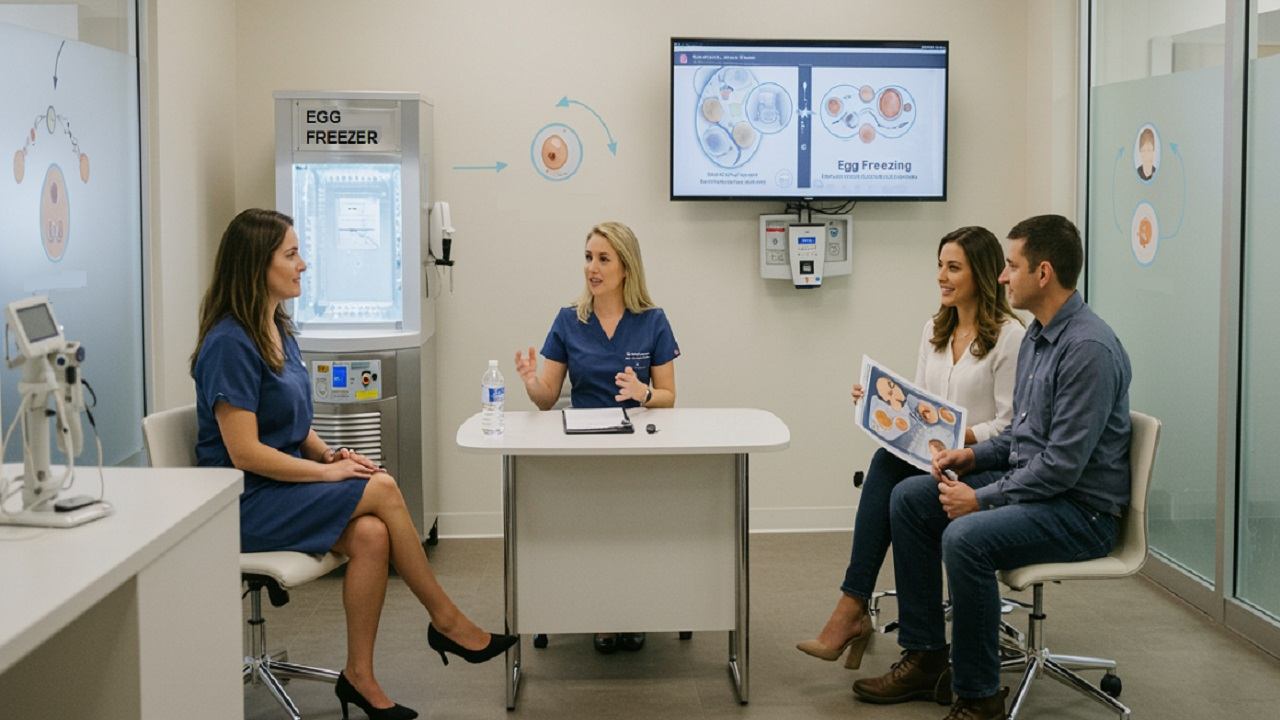
The Role of Egg Donors and Fertility Preservation
The vital role of fertility preservation and egg donation in helping women overcome reproductive challenges, allowing them to control their family planning. It highlights how these advancements in reproductive medicine enable women to preserve their fertility and access healthier eggs for future pregnancies.
FertilityIn
Sperm/ Egg freezing
Article
Does Egg Freezing Impact Fertility?
Egg freezing does not reduce natural fertility or ovarian reserve. This comprehensive guide examines how oocyte cryopreservation works, success rates by age, potential risks including OHSS, costs, and psychological benefits. Facts about preserving reproductive options while maintaining natural conception ability for career-focused and medically indicated fertility preservation.
FertilityIn
Sperm/ Egg freezing
Article
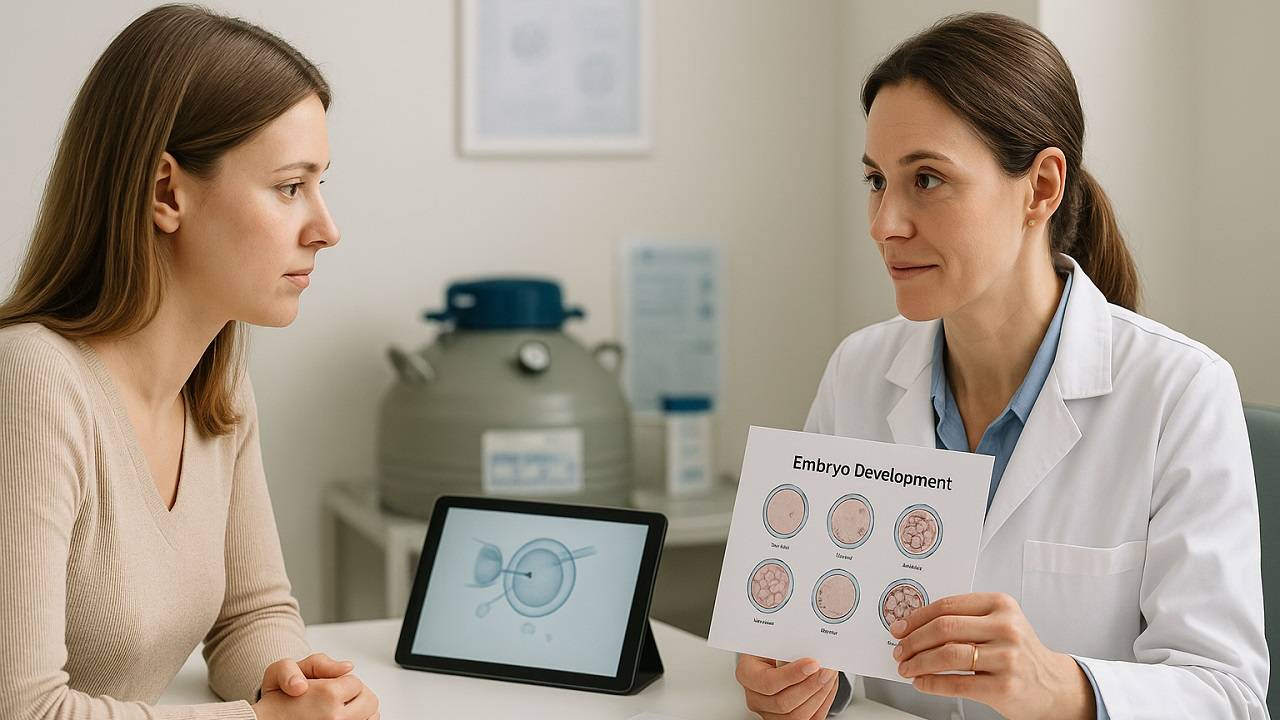
Benefits and Potential Complications of Frozen Embryo Transfer (FET)
Selecting the optimal timing for frozen embryo transfer (FET) is crucial for Assisted Reproductive Technology (ART) success. While FET is gaining importance in clinical practice, most studies focus only on a single ART cycle. Despite its benefits, FET carries risks such as embryo survival after thawing, hormonal imbalances, cost, and emotional stress. Still, it has proven successful for many, and consulting a reproductive specialist can help determine the most suitable treatment plan.
FertilityIn
Sperm/ Egg freezing
Article
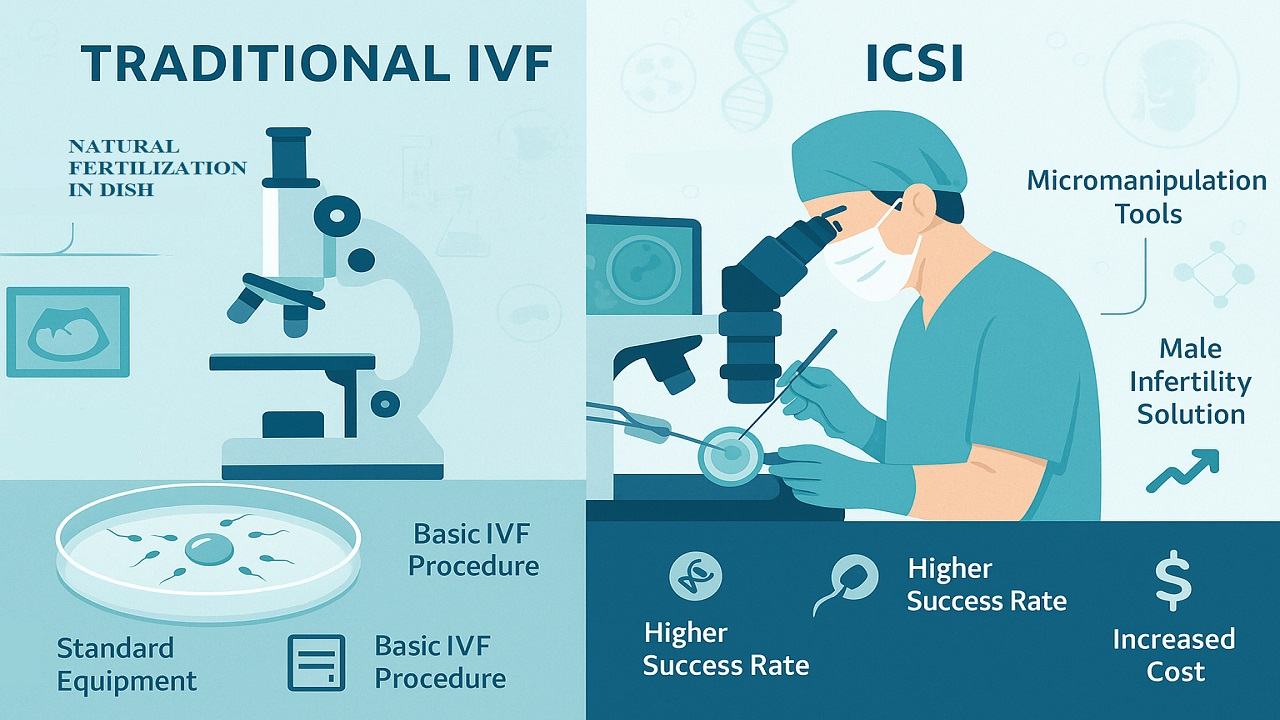
The Process of Using Donor Eggs and Sperm in IVF
The process of using donor eggs and sperm in In Vitro Fertilization (IVF), highlighting essential steps from donor selection to embryo transfer. It emphasizes how using donor eggs and sperm can help individuals and couples achieve their dream of parenthood despite fertility challenges.
FertilityIn
Sperm/ Egg freezing
Article

Overture Life and Tekservis Deploy Automated Egg and Embryo Freezing Across Turkey's Fertility Clinics
Overture Life and Tekservis have launched a nationwide commercial agreement to roll out Automated Egg and Embryo Freezing technology across Turkey's fertility clinics. Using the DaVitri vitrification platform, the partnership marks one of the first national-scale IVF automation deployments, targeting outcome standardization, improved throughput, and broader reproductive care access.
FertilityIn
12 Jun 2026
Sperm/ Egg freezing
News
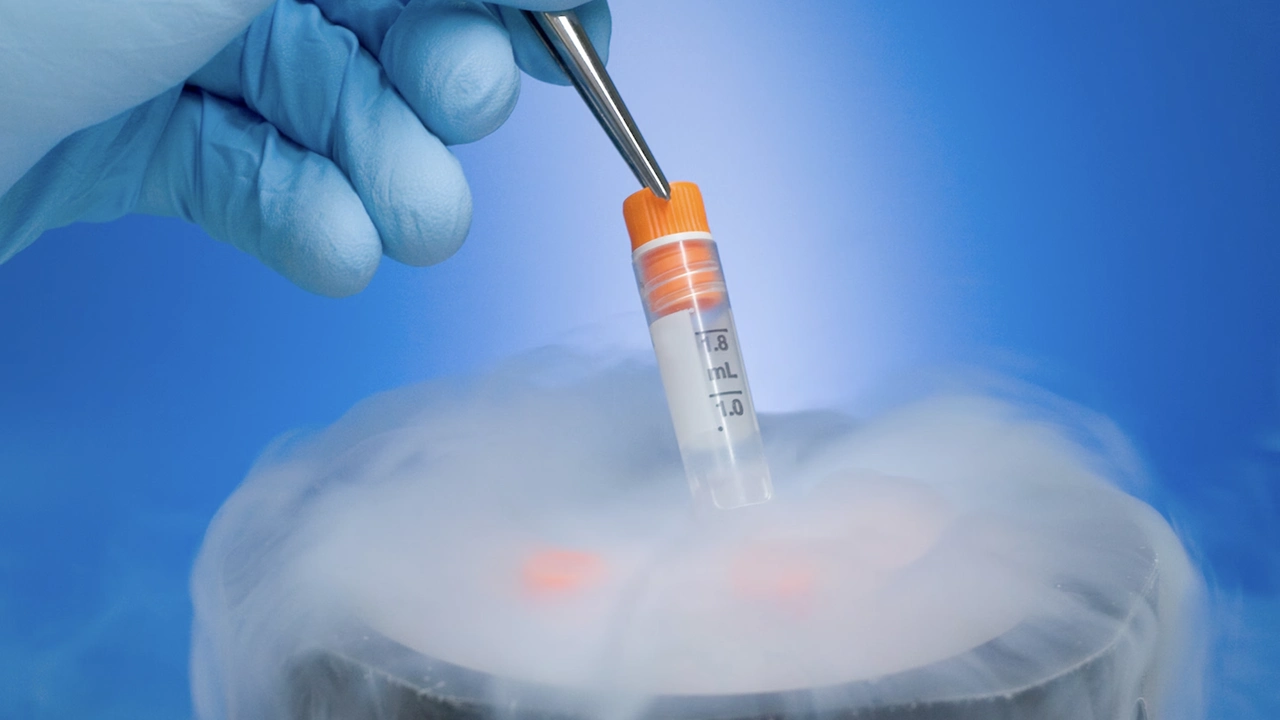
Success Rates of Frozen Egg Thawing and Fertilization
Frozen Egg Thawing survival rates average 80–90% with modern vitrification. Age at freezing is the biggest success factor, younger eggs fertilize better and develop stronger embryos. Banking 10–20 mature eggs improves live birth odds. ICSI remains the gold standard, with blastocyst transfer offering the highest implantation rates.