Home
 ReportReport
A retrospective cross-sectional study of 276 ART patients suggests that the oestradiol-to-oocyte ratio (EOR) could serve as a meaningful prognostic marker for IVF outcomes in PMOS. The research examines EOR across four categories, incorporating subgroup analysis by luteinising hormone activity during ovarian stimulation.




Researchers may have identified a practical new tool for assessing fertility treatment success. The oestradiol-to-oocyte ratio (EOR) may act as a prognostic marker for IVF outcomes in women with polyendocrine metabolic ovarian syndrome (PMOS, formerly known as PCOS). The condition is far from rare, PMOS is a common endocrine disorder in reproductive-age females and a frequent cause of infertility, characterised by disrupted ovulation and hormonal imbalance.
The oestradiol-to-oocyte ratio in PMOS was evaluated in 276 patients undergoing ART using a retrospective cross-sectional design. To structure the analysis, participants were stratified into four EOR categories, alongside subgroup analysis based on luteinising hormone (LH) activity during ovarian stimulation, including no LH, recombinant LH, and LH-like activity groups.
The findings build meaningfully on existing research. Elevated oestradiol during ovarian stimulation can negatively influence assisted reproductive technology (ART) outcomes, potentially through effects on endometrial receptivity and implantation processes. Given this, the study's authors argue that hormone context cannot be ignored when reading ovarian response data. This raises the possibility that endocrine context should be considered when interpreting ovarian response biomarkers, particularly in PCOS, where ovarian stimulation is often associated with higher oestradiol exposure and an increased risk of ovarian hyperstimulation syndrome.
The authors are candid about the study's boundaries. As a retrospective cross-sectional study, the findings are limited by design constraints, including lack of formal power analysis and inability to evaluate PMOS phenotypes. Variability in LH dosing strategies between groups may also have influenced outcomes.
Still, the study breaks new ground. The authors highlight this as the first study to evaluate EOR specifically in PMOS using multivariable modelling. To take the work further, they call for prospective validation in larger cohorts, alongside comparative studies across infertility aetiologies, to determine whether EOR can become a reliable standard in assessing IVF outcomes in PMOS on a wider clinical scale.
Source: https://www.emjreviews.com/reproductive-health/news/oestradiol-to-oocyte-ratio-may-predict-ivf-outcomes-in-pmos/


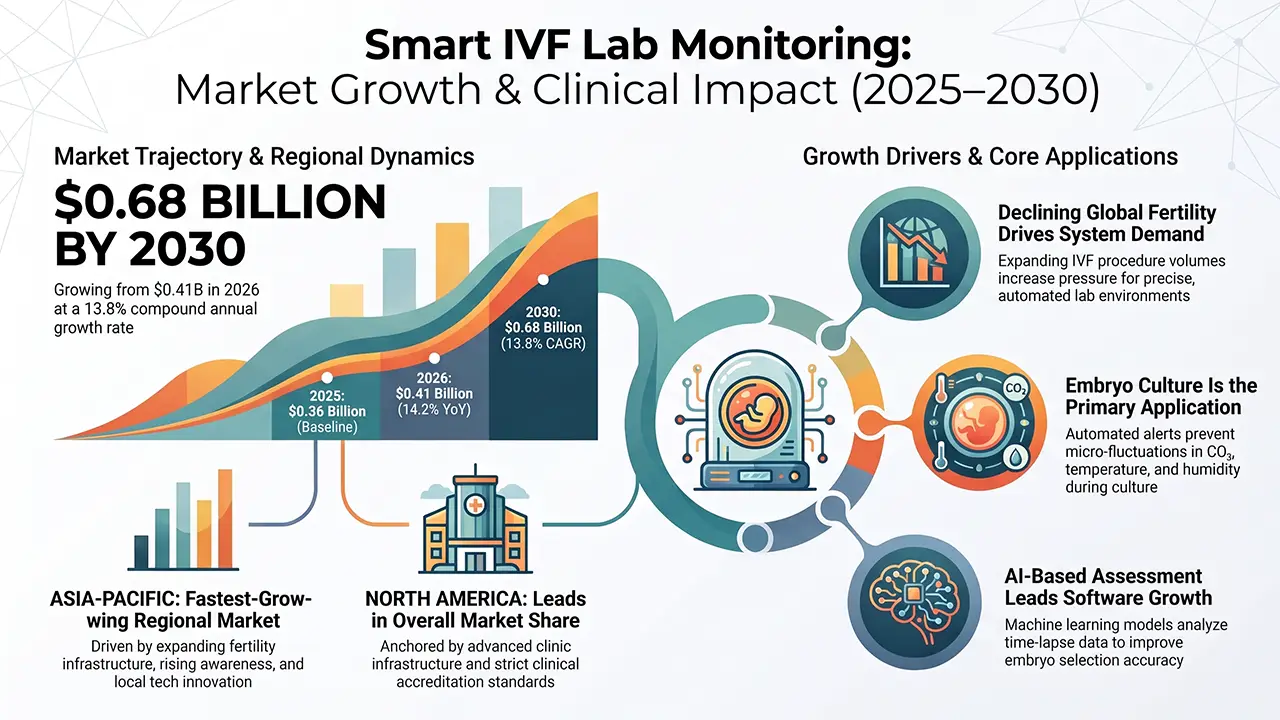
The global smart IVF lab monitoring market, valued at USD 0.41 billion in 2026, is projected to reach USD 0.68 billion by 2030 at a 13.8% CAGR. Rising infertility rates, growing adoption of real-time lab automation, and AI-driven monitoring platforms are fueling strong global demand across North America and Asia-Pacific.
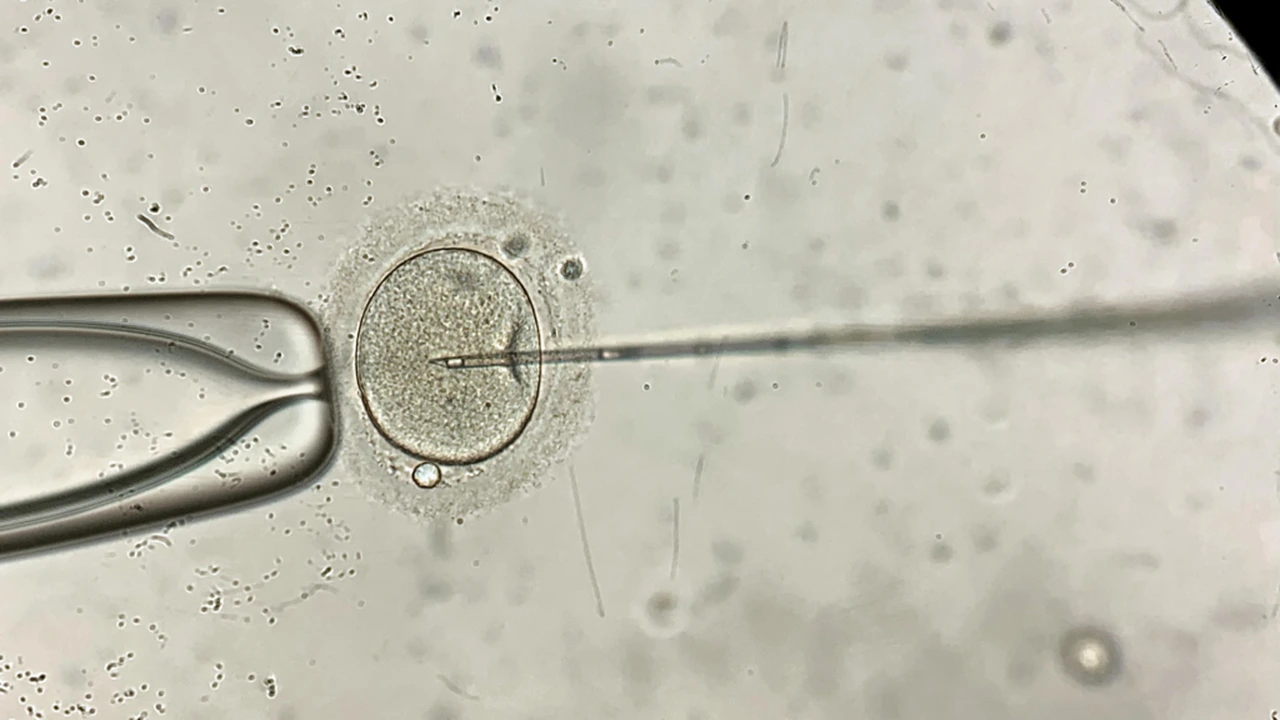
The University of Aberdeen has launched a redesigned, free IVF success calculator, the OPIS tool, powered by updated national HFEA data. Built with patients at its centre, the IVF success calculator provides tailored success estimates across up to six IVF or ICSI cycles, helping couples plan emotionally, physically, and financially.

AutoIVF's OvaReady device is advancing IVF egg retrieval technology by recovering "stealth oocytes" from discarded follicular fluid. With Northeastern University co-op students Tori Christianson and Jake Percival refining its prototypes, the Natick, Mass, based startup is preparing for clinical trials, aiming for FDA clearance to improve IVF success rates.
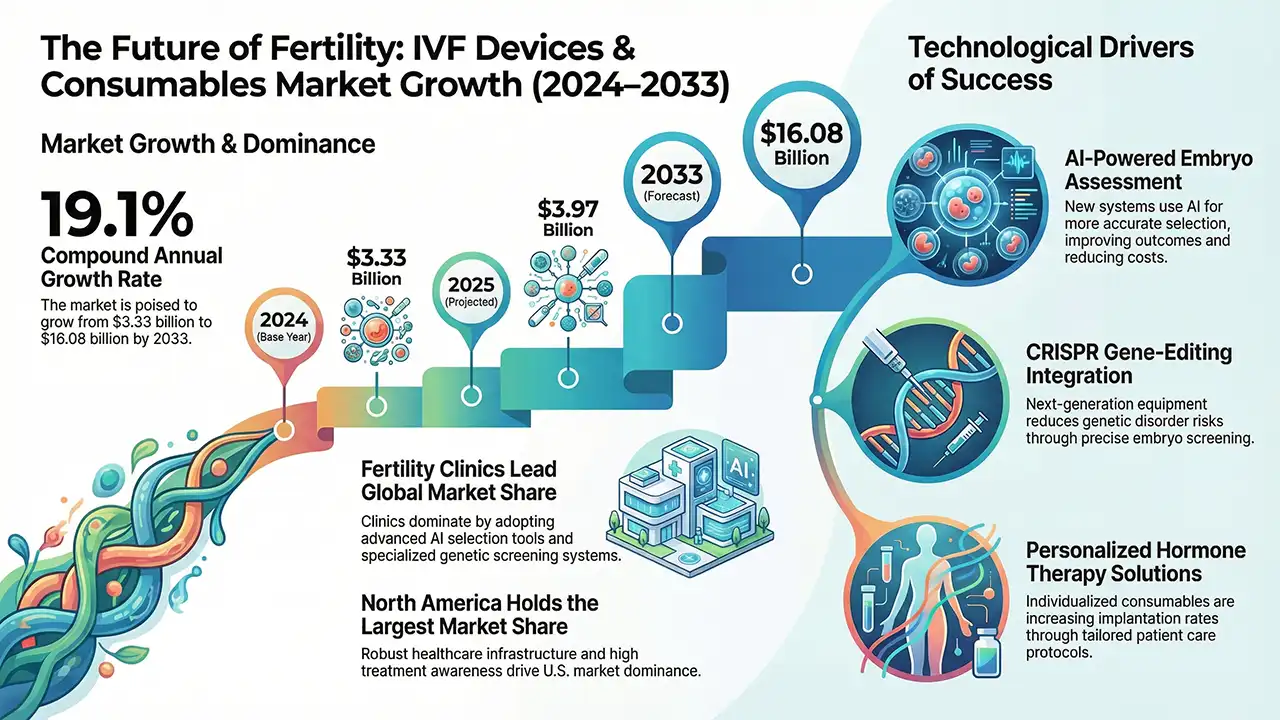
The global IVF Devices and Consumables market is projecting a significant surge to $16.08 billion by 2033. Driven by rising infertility and tech innovations, the analysis covers regional shifts, product segments, and emerging trends, highlighting the industry’s evolution alongside the growing Smart Fertility Tracker Market
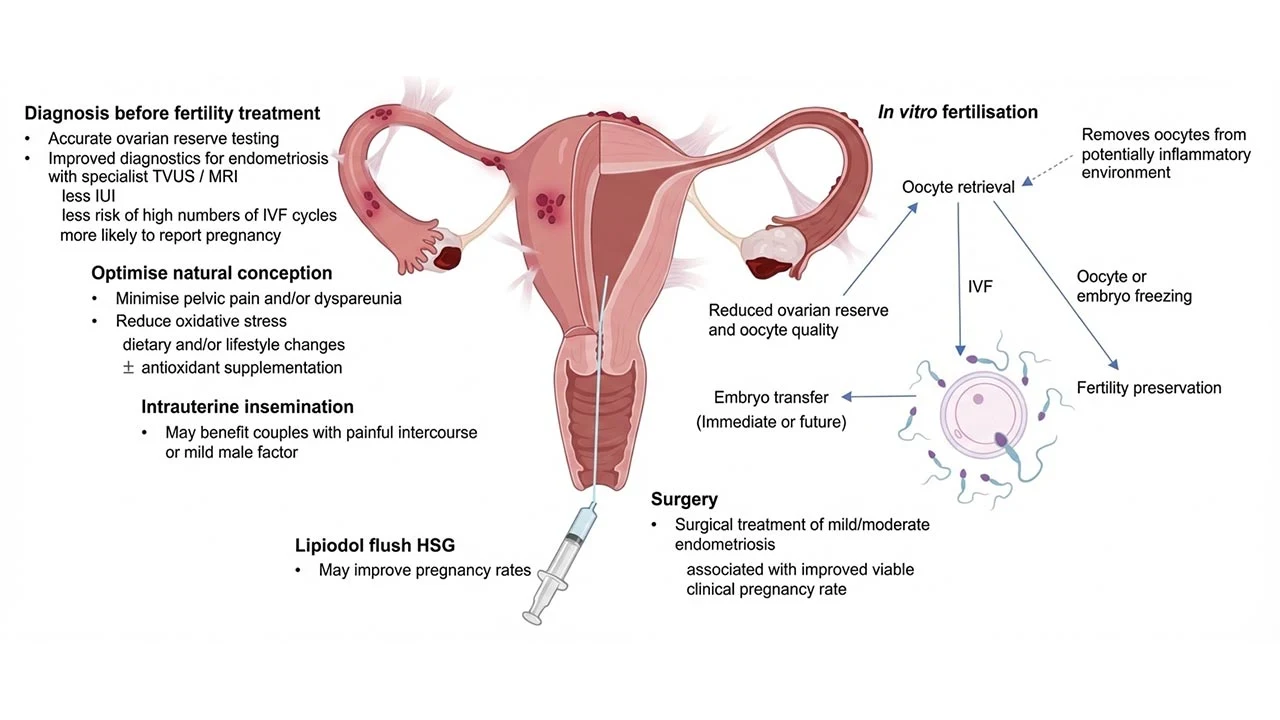
Integrating IVF and Surgical Management in Endometriosis offers a patient-centered strategy to improve fertility while managing chronic pain. By integrating laparoscopic surgery, ovarian reserve assessment, and assisted reproductive technology, clinicians can tailor treatment plans, enhance live birth rates, and optimize reproductive outcomes for women facing complex endometriosis-related infertility challenges.
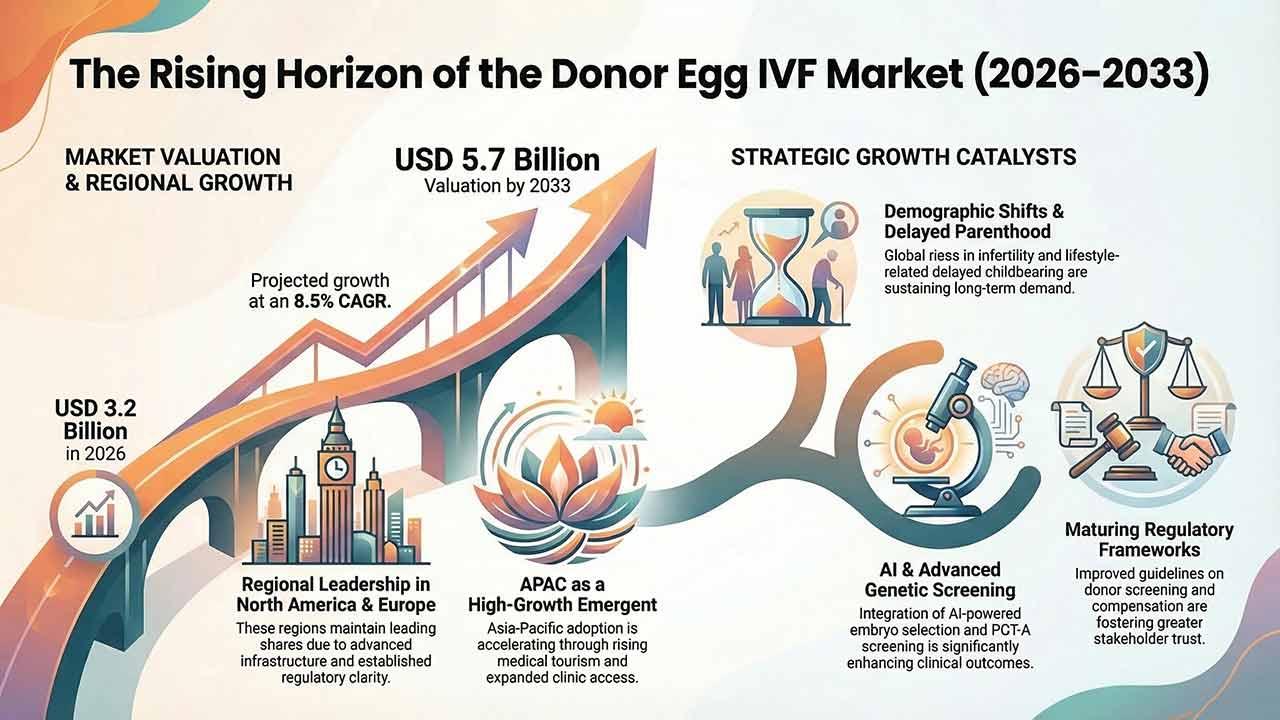
This comprehensive analysis examines the global Donor Egg IVF market, forecasting a valuation of USD 5.7 billion by 2033. The report explores critical growth drivers, including delayed parenthood, technological breakthroughs in embryo selection, and shifting regulatory landscapes, offering a detailed breakdown of market segmentation and regional growth trajectories for the next decade.