Home
 ReportReport
AutoIVF's OvaReady device is advancing IVF egg retrieval technology by recovering "stealth oocytes" from discarded follicular fluid. With Northeastern University co-op students Tori Christianson and Jake Percival refining its prototypes, the Natick, Mass, based startup is preparing for clinical trials, aiming for FDA clearance to improve IVF success rates.



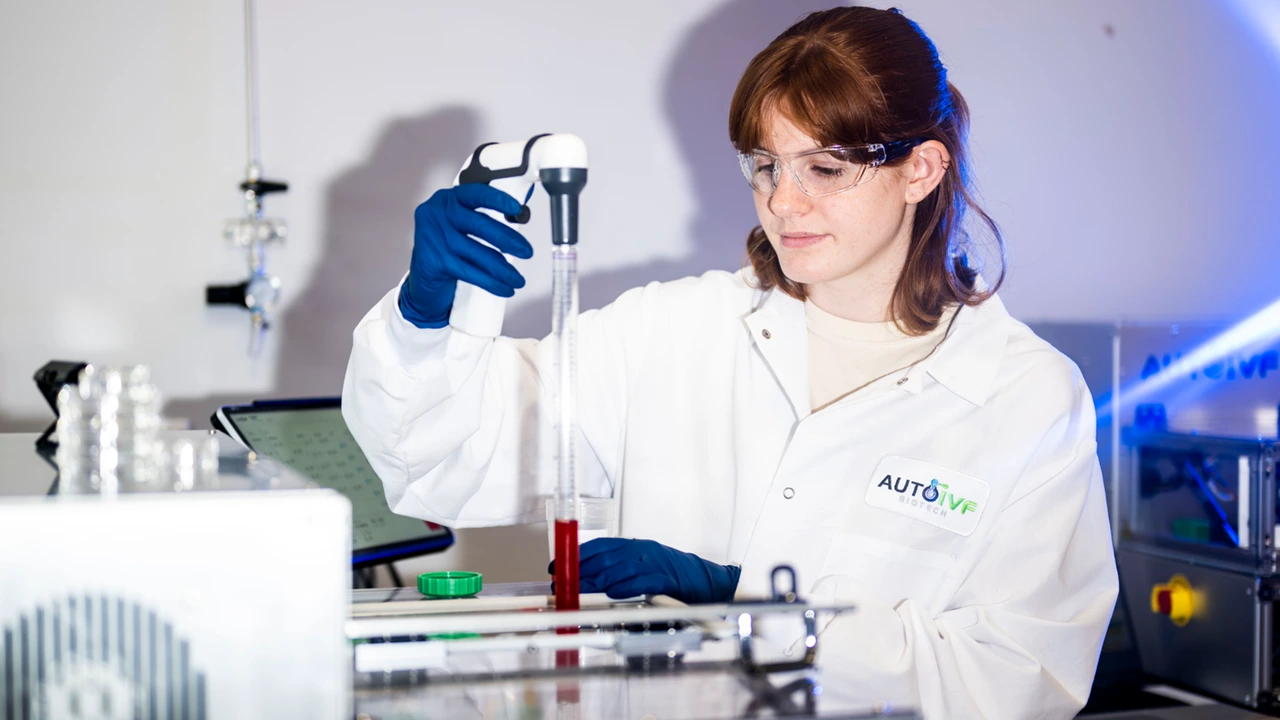
The journey through in-vitro fertilization is rarely straightforward. Every element of the process hormone levels, egg count, sperm quality has to align precisely for a successful outcome, making it feel, for many patients, like an unforgiving numbers game. That reality is exactly what one Massachusetts-based biotechnology startup is working to change, with two Northeastern University co-op students playing a direct role in the effort. AutoIVF, headquartered in Natick, Mass., is developing a suite of tools aimed at optimizing and automating key parts of IVF treatment, and at its center is a device designed to recover egg cells that conventional methods routinely miss. The students, Tori Christianson, 19, and Jake Percival, 20, are about a month away from completing their first co-ops with the company hands-on experience that is reshaping how they think about the science they've studied in class.
The specific device the pair has been working on is called OvaReady, which targets what AutoIVF describes as "stealth oocytes" egg cells that go undetected during the standard IVF egg retrieval technology process. In conventional retrieval, follicular fluid, the fluid surrounding the ovarian follicles from which eggs are extracted, is typically discarded once an embryologist has collected the oocytes. OvaReady is designed to scan that discarded fluid for additional egg cells that would otherwise be lost. In a study published in Nature in February, AutoIVF reported that the device found one or more oocytes in half of the follicular fluid samples examined.

Emre Ozkumur, vice president of research and development at AutoIVF, underscored the potential impact of even a single recovered cell: "This can be very significant especially for patients who have less than 13, 14 oocytes. Even a single oocyte makes a big difference." For patients who have already been through multiple cycles with limited results, those additional cells could meaningfully alter their odds.
Percival, who studies bioengineering and mechanical engineering, and Christianson, who studies chemical engineering and bioengineering, have each taken on distinct roles in testing OvaReady's prototypes. Percival is working to quantify tissue debris in the follicular fluid samples so that egg cells can be more easily identified by embryologists. Christianson, meanwhile, is focused on evaluating how efficiently the machine isolates oocytes. Their experiments help the AutoIVF team determine what refinements are needed whether that means accelerating how quickly fluid loads into the device or improving the flow rate through it. When not running experiments, the two are analyzing collected data and presenting findings to the wider team. Christianson noted that data presentation turned out to be an unexpected but critical skill: "That's not something I thought I would need going into this job, as I was thinking of it as more of a lab scientist kind of job. But it's something I'm really thankful for because I think it is one of the most helpful skills that I've learned." Percival, for his part, was drawn to AutoIVF's startup environment from the start. "I didn't want to be stuck behind a computer for six months. I like hands-on work," he said. When the job description promised evolving responsibilities and a high level of ownership, it confirmed the fit.
Both students credited Northeastern with equipping them for the role. Percival is applying software he first learned about at the university to develop new approaches to analyzing data sets, a direct bridge between coursework and real-world application. Christianson traces her first hands-on experience with a pipette, now a daily tool at AutoIVF, to Northeastern's ChemE Car competition, where teams build vehicles powered entirely by chemical reactions. The co-op preparation course also helped her develop confidence in interviews and presentations.
Ozkumur said the contribution of the pair has been substantial, particularly as the company took delivery of new device prototypes. "All of a sudden, our processing capability and capacity went up quite significantly," he said. "We needed careful people to monitor how they operate, report back to us the data they collect and have a sort of careful eye to catch anything irregular that happens overall in the system." He left little ambiguity about their performance: "We couldn't have been happier with their performance, [and their] contribution. They were just a great part of the team." OvaReady is now moving toward clinical trials, with FDA approval as the ultimate regulatory goal. If cleared, the device could become a meaningful part of the broader IVF egg retrieval technology landscape potentially reducing the number of cycles patients must undergo, lowering costs, and expanding access to fertility treatment at a time when demand continues to rise.


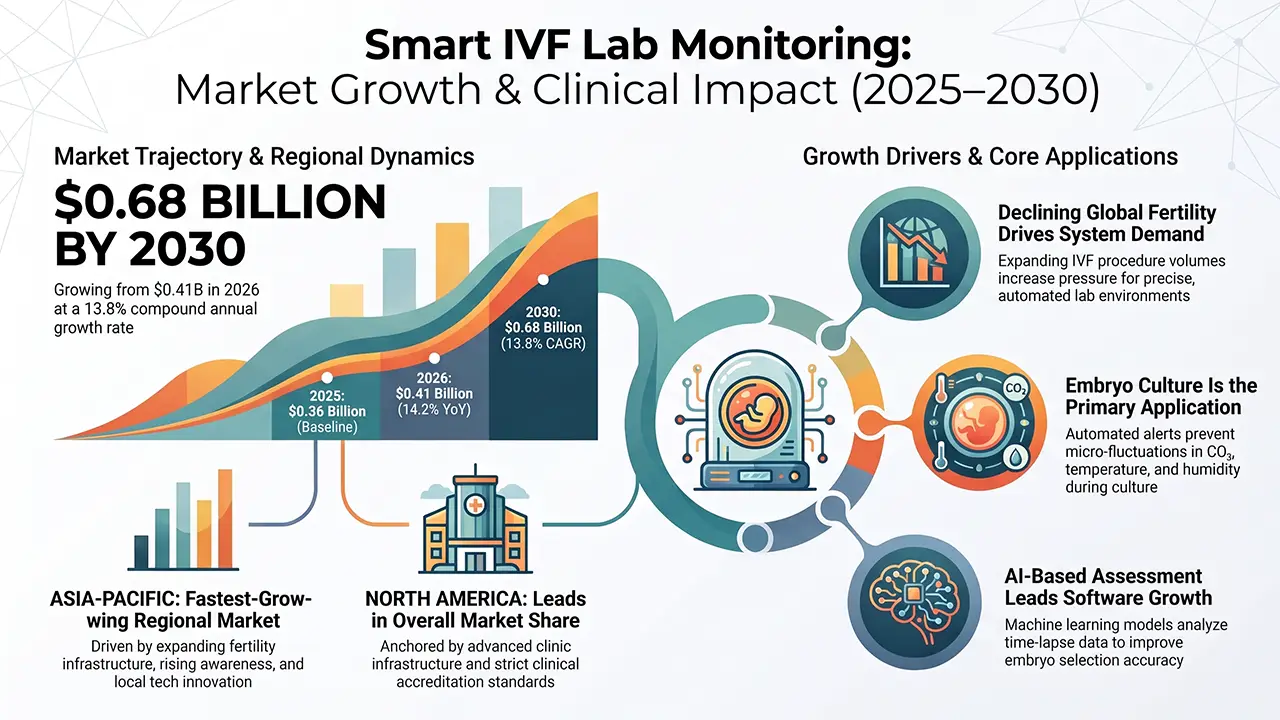
The global smart IVF lab monitoring market, valued at USD 0.41 billion in 2026, is projected to reach USD 0.68 billion by 2030 at a 13.8% CAGR. Rising infertility rates, growing adoption of real-time lab automation, and AI-driven monitoring platforms are fueling strong global demand across North America and Asia-Pacific.
The University of Aberdeen has launched a redesigned, free IVF success calculator, the OPIS tool, powered by updated national HFEA data. Built with patients at its centre, the IVF success calculator provides tailored success estimates across up to six IVF or ICSI cycles, helping couples plan emotionally, physically, and financially.
A retrospective cross-sectional study of 276 ART patients suggests that the oestradiol-to-oocyte ratio (EOR) could serve as a meaningful prognostic marker for IVF outcomes in PMOS. The research examines EOR across four categories, incorporating subgroup analysis by luteinising hormone activity during ovarian stimulation.
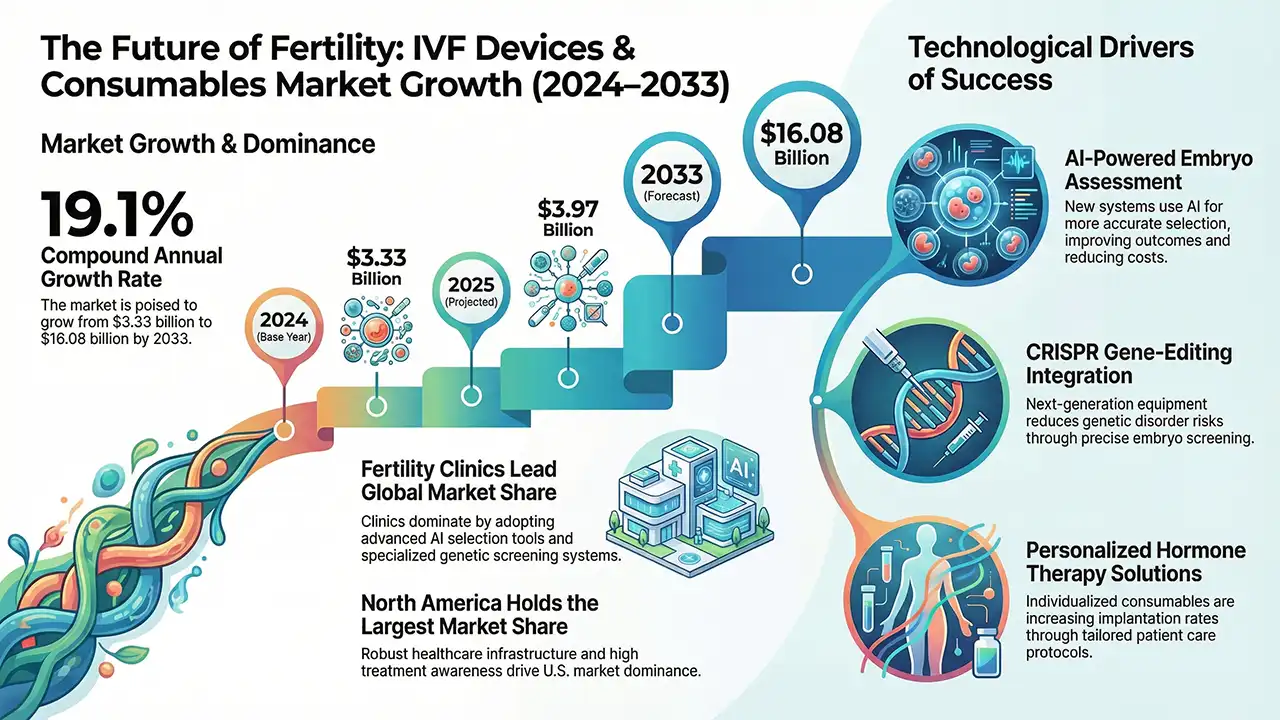
The global IVF Devices and Consumables market is projecting a significant surge to $16.08 billion by 2033. Driven by rising infertility and tech innovations, the analysis covers regional shifts, product segments, and emerging trends, highlighting the industry’s evolution alongside the growing Smart Fertility Tracker Market
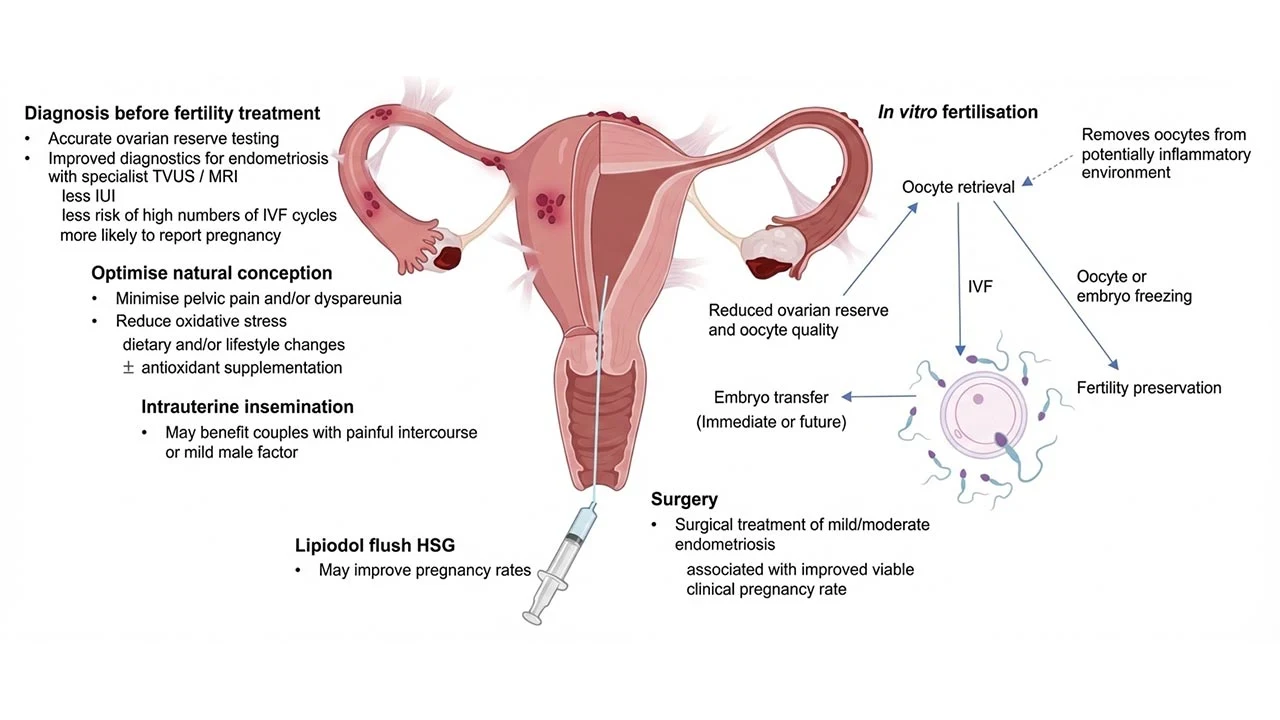
Integrating IVF and Surgical Management in Endometriosis offers a patient-centered strategy to improve fertility while managing chronic pain. By integrating laparoscopic surgery, ovarian reserve assessment, and assisted reproductive technology, clinicians can tailor treatment plans, enhance live birth rates, and optimize reproductive outcomes for women facing complex endometriosis-related infertility challenges.
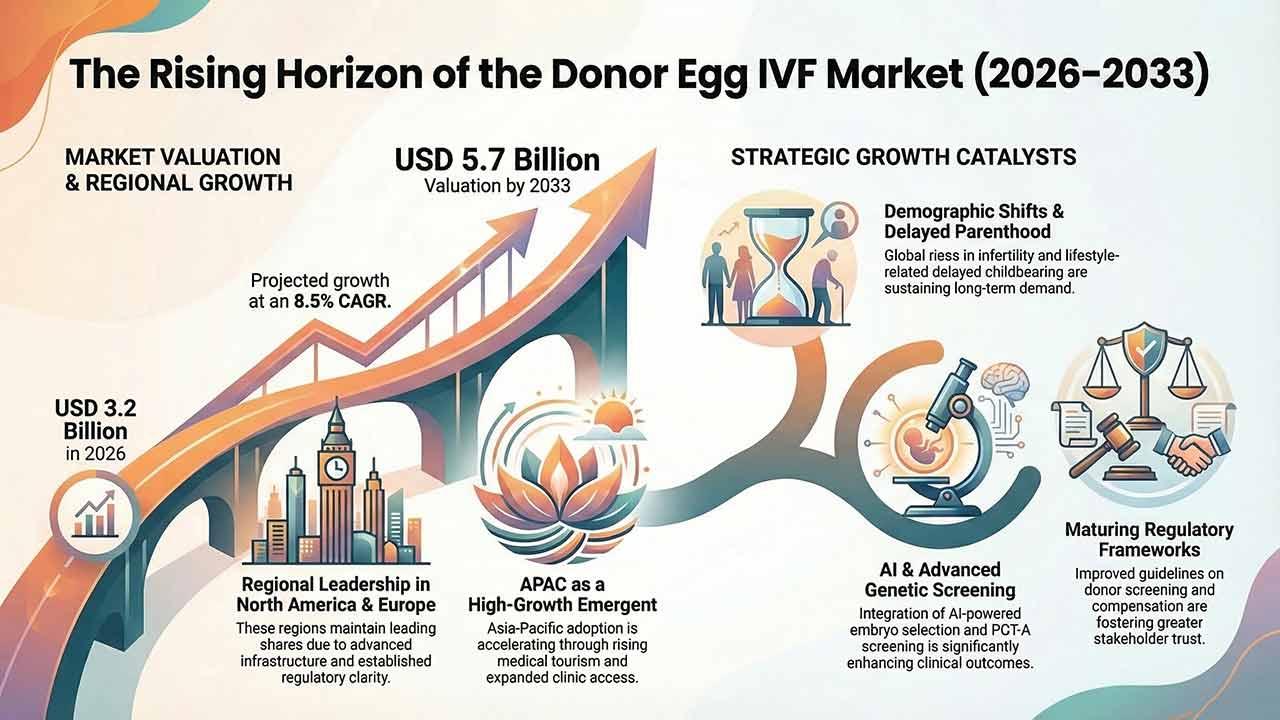
This comprehensive analysis examines the global Donor Egg IVF market, forecasting a valuation of USD 5.7 billion by 2033. The report explores critical growth drivers, including delayed parenthood, technological breakthroughs in embryo selection, and shifting regulatory landscapes, offering a detailed breakdown of market segmentation and regional growth trajectories for the next decade.