Home
 ReportReport
Microfluidic automation IVF with the FIND-Chip is transforming fertility care by recovering eggs previously discarded during manual screening. Clinical trials show improved embryo yield and a successful live birth from retrieved eggs. The automated system reduces human error, supports satellite clinics, and expands global access to IVF treatment.



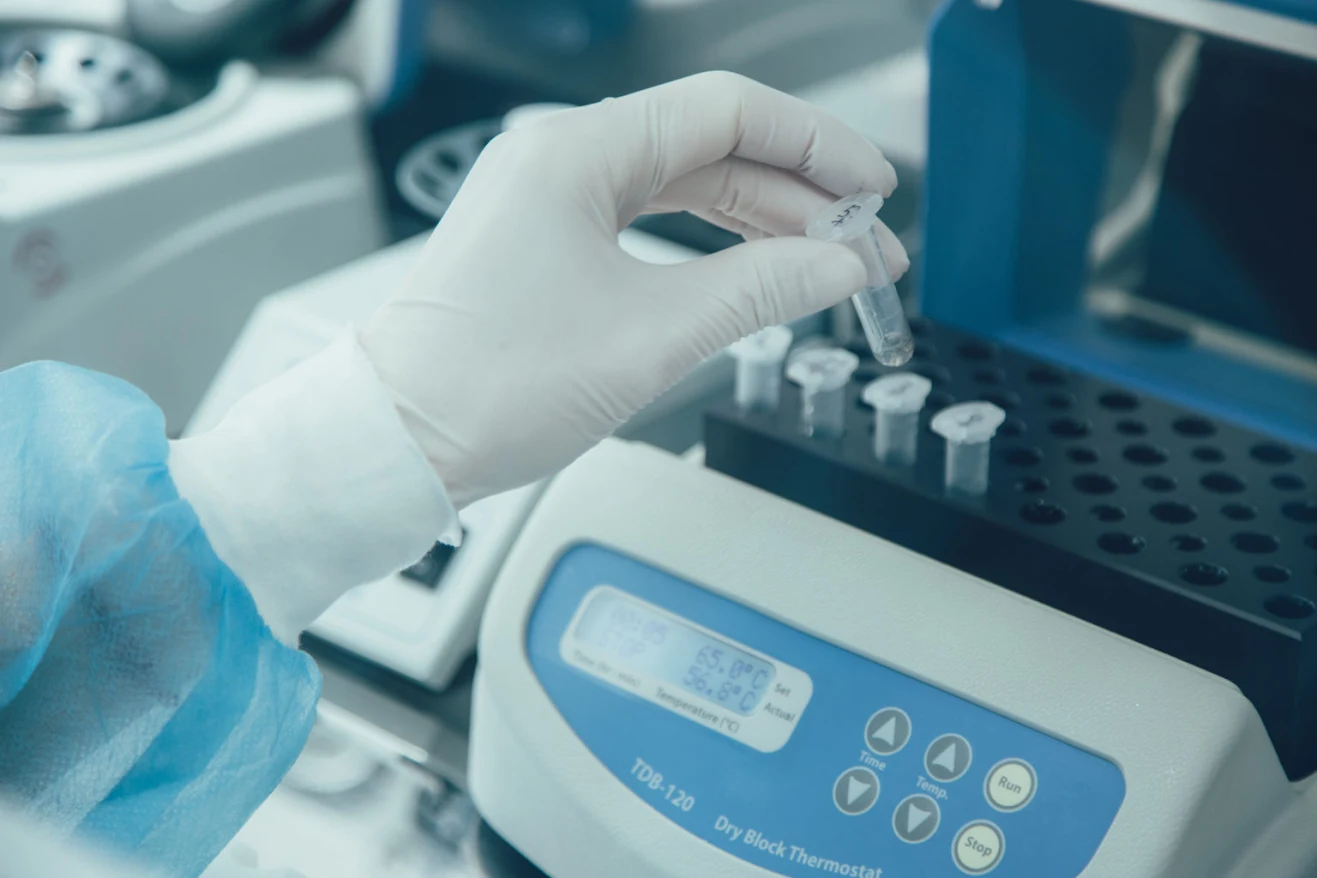
Infertility is a global health challenge that affects millions of people and families across the world. Currently, in vitro fertilization, or IVF, remains the primary and most effective treatment option for those struggling to conceive. While the science of IVF has seen many advancements since the first baby was born through the procedure in 1978, the actual laboratory work still relies heavily on manual processes performed by highly skilled specialists. This heavy reliance on manual labor makes the treatment expensive, limits how many people can access it, and creates variability in the results. To address these challenges, researchers have developed a groundbreaking technology called the FIND-Chip, which uses microfluidic automation IVF to streamline one of the most critical and difficult steps in the fertility treatment process.
The process of an IVF cycle typically begins with the retrieval of eggs from a patient’s ovaries. These eggs are contained within a liquid called follicular fluid, which is collected by doctors during a procedure. Once this fluid arrives in the laboratory, a trained embryologist must carefully scan it under a microscope to find and recover the eggs. This is a laborious task that has remained essentially unchanged for four decades. The search is difficult because follicular fluid is complex and messy; it often contains blood cells, clots, and various types of non-target tissue fragments.
Under the current standard of care, eggs are usually found embedded in thick layers of tissue called cumulus cells. Because the fluid is so dense with other materials, it is very easy for even a highly trained expert to miss an egg. When an egg is not spotted during this manual search, the fluid is marked as "discard" and thrown away, meaning those potentially viable eggs are lost forever. For many patients, especially those who have a low number of eggs to begin with, every single egg is precious and could mean the difference between a successful pregnancy and a failed cycle.
The newly developed FIND-Chip is designed to solve this problem by automating the search and cleaning process. The device is a form of microfluidic technology, which means it uses very small channels to precisely handle and sort cells. The FIND-Chip is a closed, automated system that takes the raw follicular fluid and puts it through a series of four specialized stages to find, clean, and deliver the eggs. This technology is a powerful example of how microfluidic automation IVF can identify valuable biological material that the human eye might miss in a complex mixture.
The first stage of the chip is the Filter Module, which uses tiny posts to trap large pieces of tissue while letting smaller debris pass through. Next is the Denuder Module, which consists of narrow channels with special polygonal shapes on the walls. As the eggs move through these channels in a back-and-forth motion, the surrounding cumulus cells are gently rubbed off, a process called denudation. The third stage is the Concentrator Module, which acts like a specialized sieve to remove about 85% of the excess fluid and smaller waste like red blood cells. Finally, the eggs reach the Capture Module, where they are caught by even smaller posts while the remaining tiny debris is washed away. At the end of the 25 to 30-minute process, the device delivers a small droplet of fluid containing clean eggs that are ready to be used for fertilization or frozen for the future.
Before using the chip with human patients, the researchers conducted extensive testing using cow eggs, which are similar in size to human eggs. They found that the eggs processed by the FIND-Chip were just as healthy and capable of developing into embryos as those handled manually by experts. In fact, the automated process appeared to be even gentler and more consistent than manual pipetting, which can sometimes cause stress to the eggs.
Once the safety of the device was confirmed, the researchers moved on to a large clinical study involving 582 patients across four different IVF clinics. They collected the follicular fluid that had already been manually screened by embryologists and marked for disposal. The results were remarkable and unexpected: the FIND-Chip found extra eggs in more than 50% of the samples that were about to be thrown away. In total, the device recovered 583 extra eggs from the discarded fluid of these 582 patients. This suggests that under current manual methods, a significant number of eggs are being inadvertently discarded every day in clinics around the world.
To see if these "lost and found" eggs could actually lead to babies, the researchers conducted a pilot trial with 19 patients. In this study, any extra eggs found by the FIND-Chip were immediately returned to the patient’s treatment pool. For 11 of these 19 patients, the device found at least one extra egg. These extra eggs were then fertilized using a common technique where a single sperm is injected into the egg.
The study found that these recovered eggs were just as high in quality as the ones found during the initial manual search. They fertilized at similar rates and grew into high-quality embryos, known as blastocysts. One patient in the study saw her number of available embryos increase by 50% because of the eggs the FIND-Chip saved. Most importantly, one of the eggs that was recovered from a discarded sample, an egg that would have been in the trash under normal circumstances, was transferred to a patient and resulted in a successful pregnancy and a live birth. This proves that the eggs being missed by manual screening are fully capable of creating life.
Beyond just finding more eggs, the researchers believe that the implementation of microfluidic automation IVF could eventually lead to the creation of "satellite" clinics. Currently, IVF requires expensive laboratories and a large staff of highly trained experts, which keeps these centers confined to major cities. Because the FIND-Chip is automated and portable, it could allow smaller clinics in remote areas to perform the initial steps of egg retrieval and preparation without needing a full-scale lab on-site. This could drastically reduce the travel burden and costs for patients, making fertility treatment more accessible to everyone.
Furthermore, the data shows that having even one or two extra eggs can significantly increase a patient’s "cumulative live birth rate," which is the chance of having a baby from a single retrieval cycle. This is especially true for patients who have a low egg count to begin with. By ensuring that no egg is left behind, this technology maximizes the reproductive potential of every single treatment cycle.
The success of this project proves that microfluidic automation IVF is not just a theoretical concept but a practical tool that can improve real-world clinical outcomes. By automating the search for eggs, the FIND-Chip removes the risk of human error in a complex environment and reveals that many viable eggs are currently being wasted. Whether it is by helping a patient achieve a pregnancy from an egg that was nearly thrown away or by paving the way for lower-cost clinics, this innovation represents a major step forward in the field of reproductive medicine. As IVF continues to evolve, the move toward automation and standardization will be essential to meeting the growing global demand for fertility care


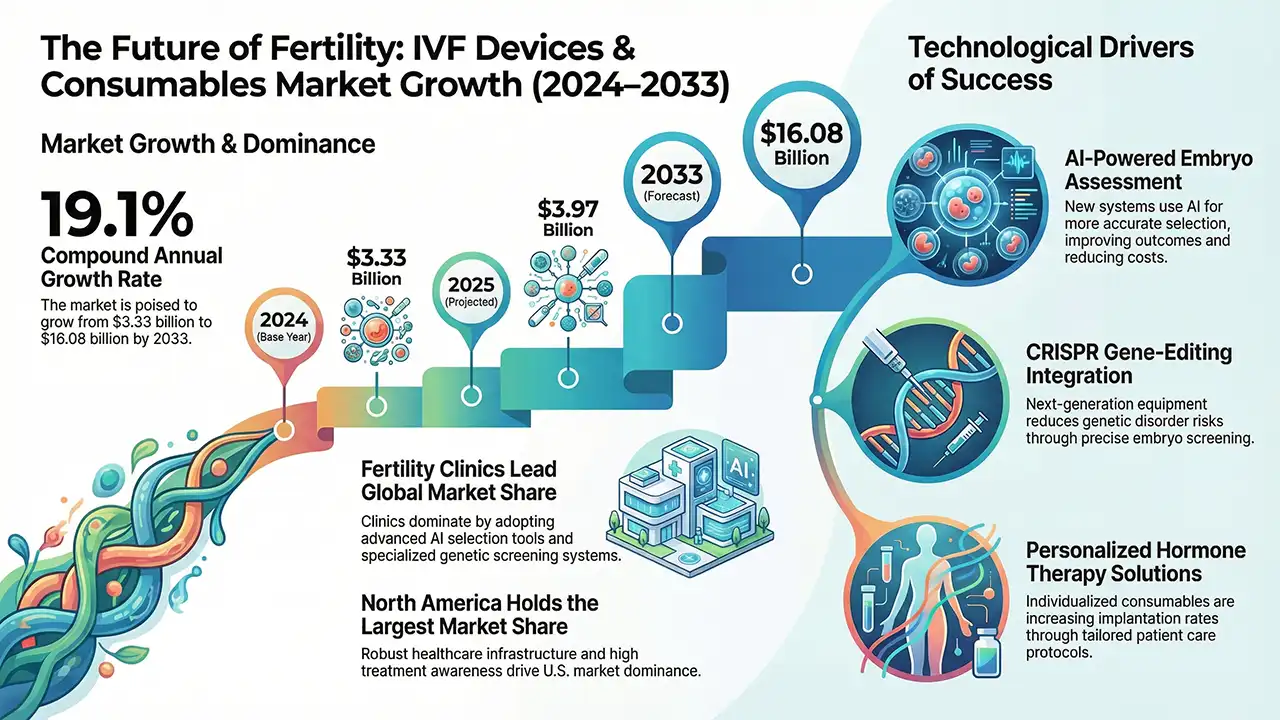
The global IVF Devices and Consumables market is projecting a significant surge to $16.08 billion by 2033. Driven by rising infertility and tech innovations, the analysis covers regional shifts, product segments, and emerging trends, highlighting the industry’s evolution alongside the growing Smart Fertility Tracker Market
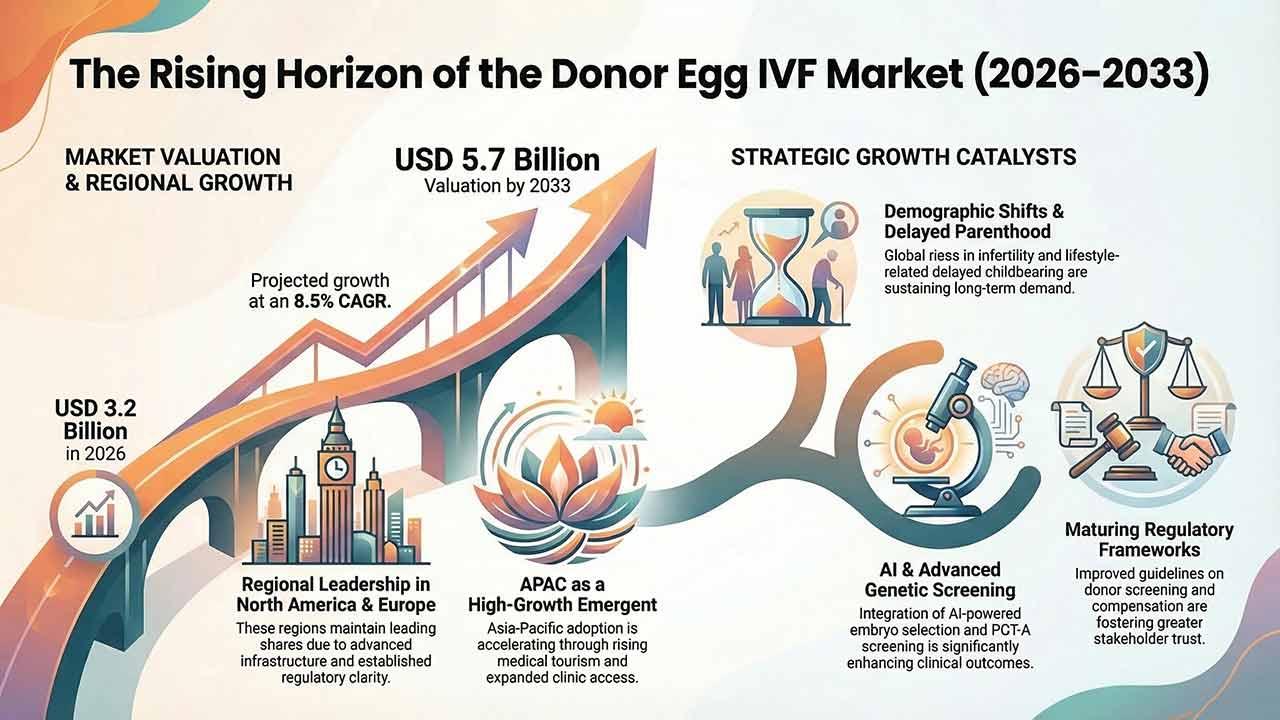
This comprehensive analysis examines the global Donor Egg IVF market, forecasting a valuation of USD 5.7 billion by 2033. The report explores critical growth drivers, including delayed parenthood, technological breakthroughs in embryo selection, and shifting regulatory landscapes, offering a detailed breakdown of market segmentation and regional growth trajectories for the next decade.

Global Preimplantation genetic testing market outlook covering growth drivers, segmentation, regional trends, key technologies, restraints, opportunities, and competitive landscape approaching $1B by 2032.
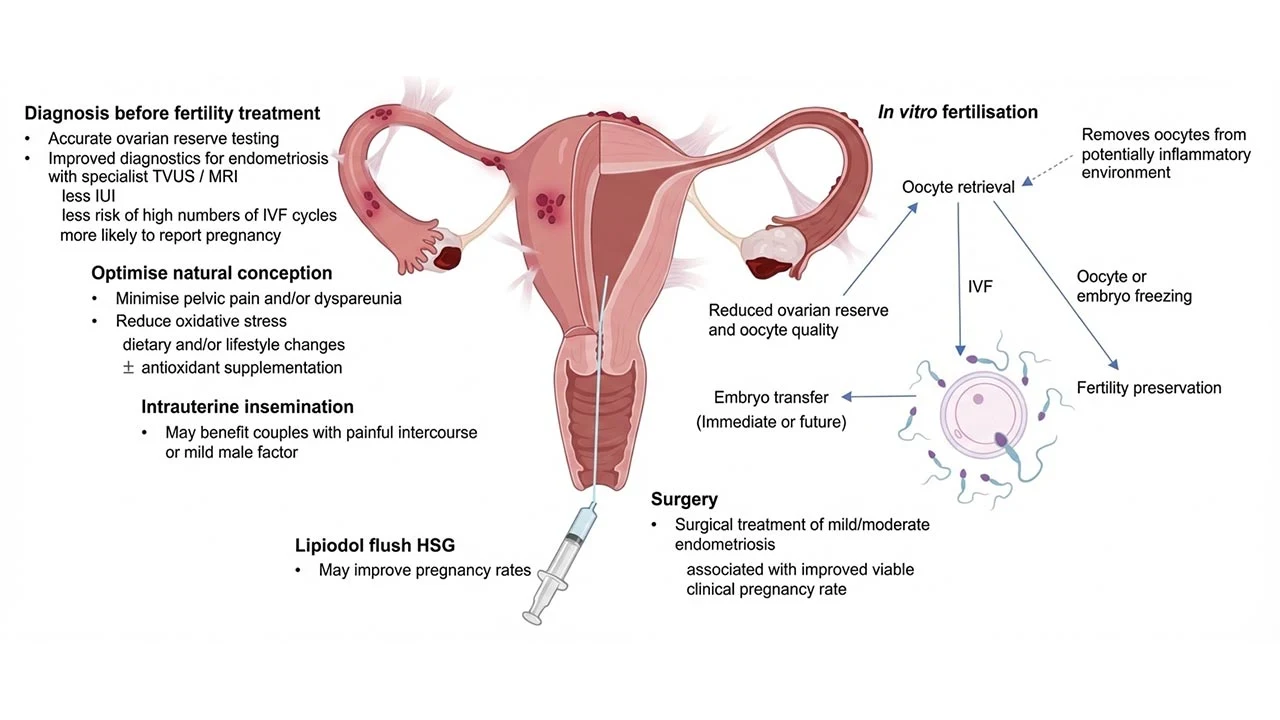
Integrating IVF and Surgical Management in Endometriosis offers a patient-centered strategy to improve fertility while managing chronic pain. By integrating laparoscopic surgery, ovarian reserve assessment, and assisted reproductive technology, clinicians can tailor treatment plans, enhance live birth rates, and optimize reproductive outcomes for women facing complex endometriosis-related infertility challenges.
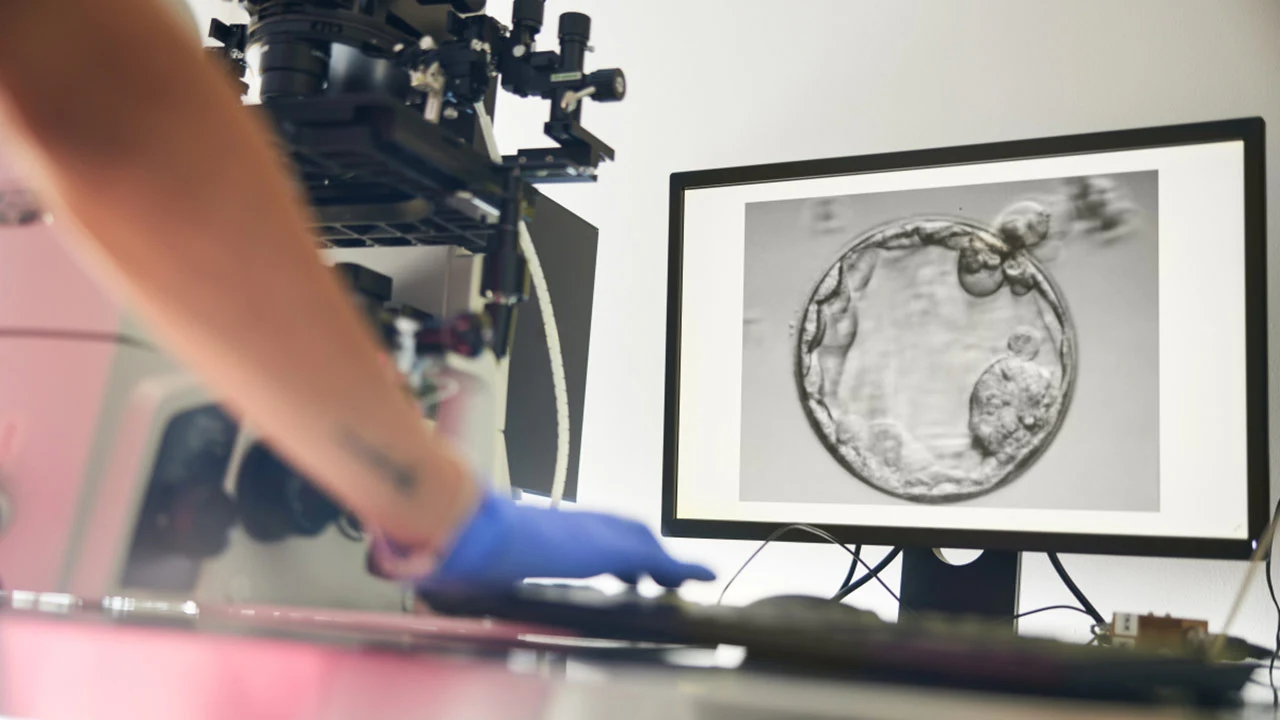
The innovative Light-Activated Microneedle Patch for better IVF outcomes transforms fertility care by reducing treatment complexity and stress.
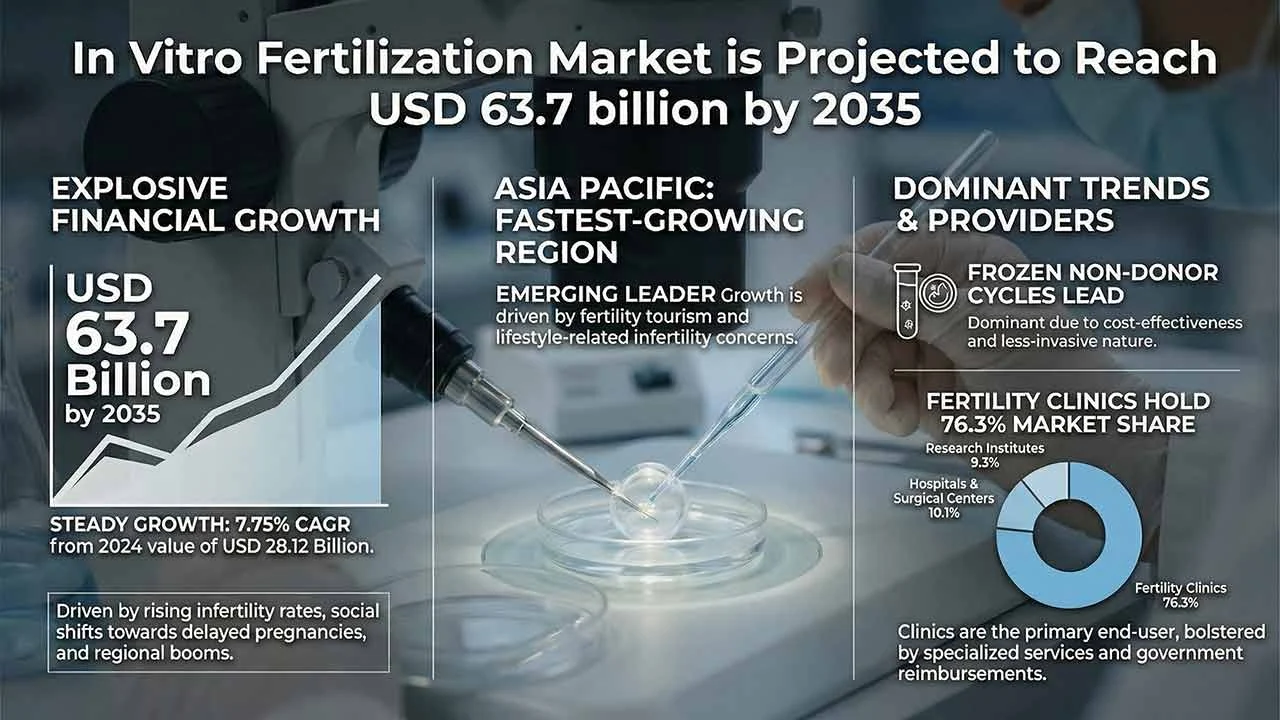
In Vitro Fertilization (IVF) market is expanding rapidly, driven by rising infertility, delayed pregnancies, and advances in IVF technology. Valued at USD 28.12 billion in 2024, the market is projected to reach USD 63.7 billion by 2035, supported by frozen cycles, fertility tourism, and innovation-led clinic growth worldwide.