Home
 ReportReport
The innovative Light-Activated Microneedle Patch for better IVF outcomes transforms fertility care by reducing treatment complexity and stress.



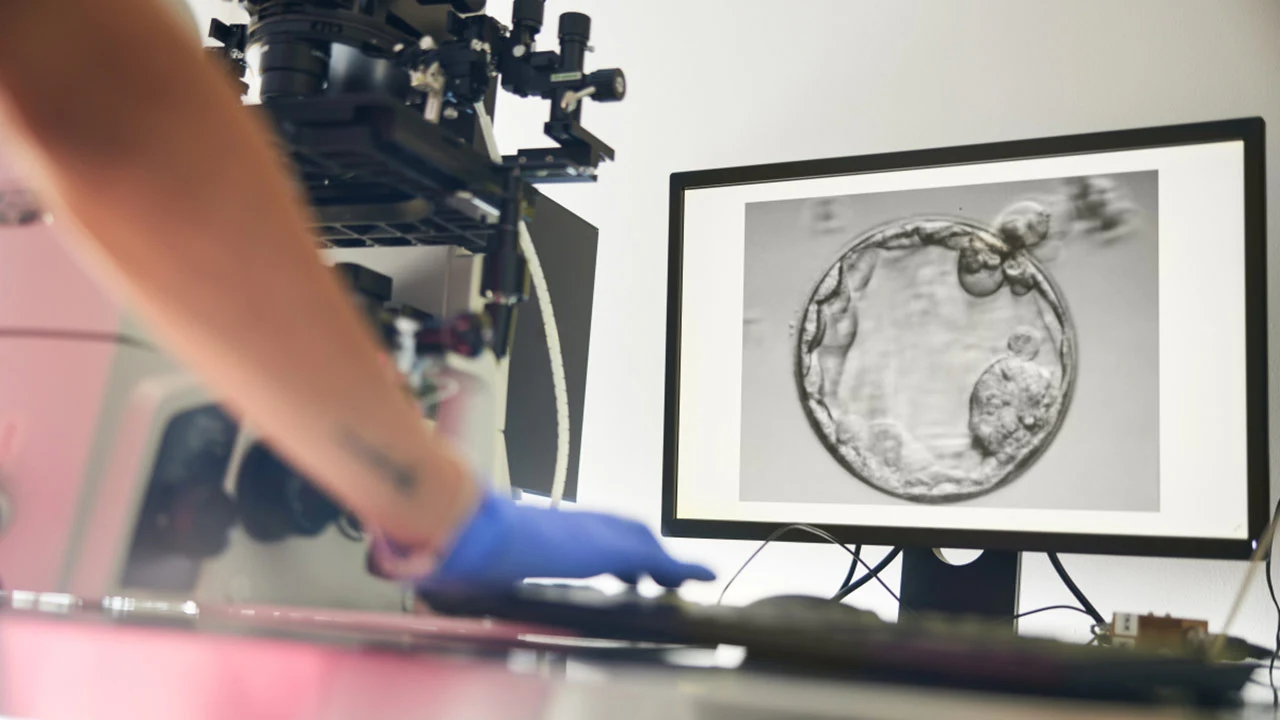
A research team from McGill University has gone on to develop a painless and automated way to deliver in vitro fertilization - IVF hormones through using a light-activated microneedle patch, an innovation that could as well go on to ease one of the most stressful elements of fertility treatment and also open certain new horizons when it comes to other diseases that need frequent and time-sensitive injections.
IVF patients have to inject themselves with hormones every day at specific times within the weeks that lead up to egg retrieval, which is a process that can physically and emotionally be very taxing.
The new light-activated microneedle patch system of the team uses a hydrogel microneedle patch, which is filled with specially engineered nanoparticles that can go on to hold and also release a key IVF hormone called leuprolide when stimulated through near-infrared light. The light can get programmed in order to release the drug at a desired time.
Present light-triggered drug delivery systems often go on to release foreign materials in the body, therefore posing certain regulatory as well as safety challenges.
This is the very first time that one has been able to show light-triggered drug release from a nanoparticle-microneedle composite without releasing any sort of a foreign substance into the body, remarked one of the materials engineering professors and also a senior author of the study In Small, Marta Cerruti.
The researchers opines that this key advance could as well speed up the clinical translation, since the delivery system goes on to leave no nanoparticles behind within the skin.
In terms of building their system, the team first went ahead and optimized as to how many hormone-bearing nanoparticles could as well be incorporated within each microneedle sans weakening its capacity to penetrate the skin. They then went ahead and tested if the light trigger could go on to release the hormone into a porcine skin model for over two hours. And finally, they showcased even a short five-minute pulse when it comes to light releasing measurable levels of leuprolide within the skin, bloodstream as well as organs of a live rat.
Apparently, the light can also get programmed to release the drug at the specific time when the drug is required, which could as well differ in the case of every individual, said one of the Ph.D. students in Cerruti's lab, who has also been the lead author on this study. Notably, the IVF success rates are at best 30%, and that too even for the youngest of women. The hope is that if one can take out the human error with injecting themselves and also deliver the drug at times optimized for every patient, one could as well potentially witness this success rate go up.
When it comes to IVF patients, the technology could also make the treatment much easier, less painful, and also potentially more effective; however, the system could as well help anyone who depends on daily injections, such as people having diabetes or even multiple sclerosis.
Since no nanoparticles enter the body, the researchers remark that the platform has a clearer pathway when it comes to clinical adoption as compared to the previous systems. There is also more work that is planned in order to refine dosing, discover hormone release profiles, and also investigate certain commercial possibilities.


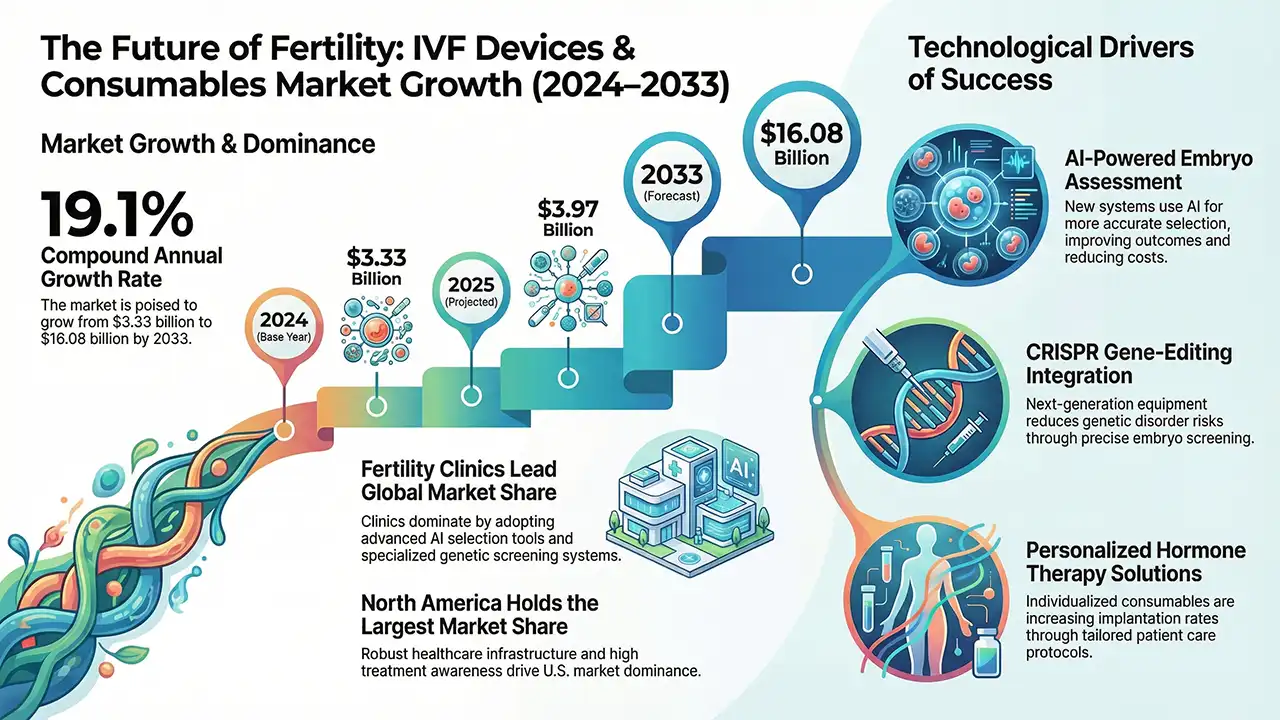
The global IVF Devices and Consumables market is projecting a significant surge to $16.08 billion by 2033. Driven by rising infertility and tech innovations, the analysis covers regional shifts, product segments, and emerging trends, highlighting the industry’s evolution alongside the growing Smart Fertility Tracker Market
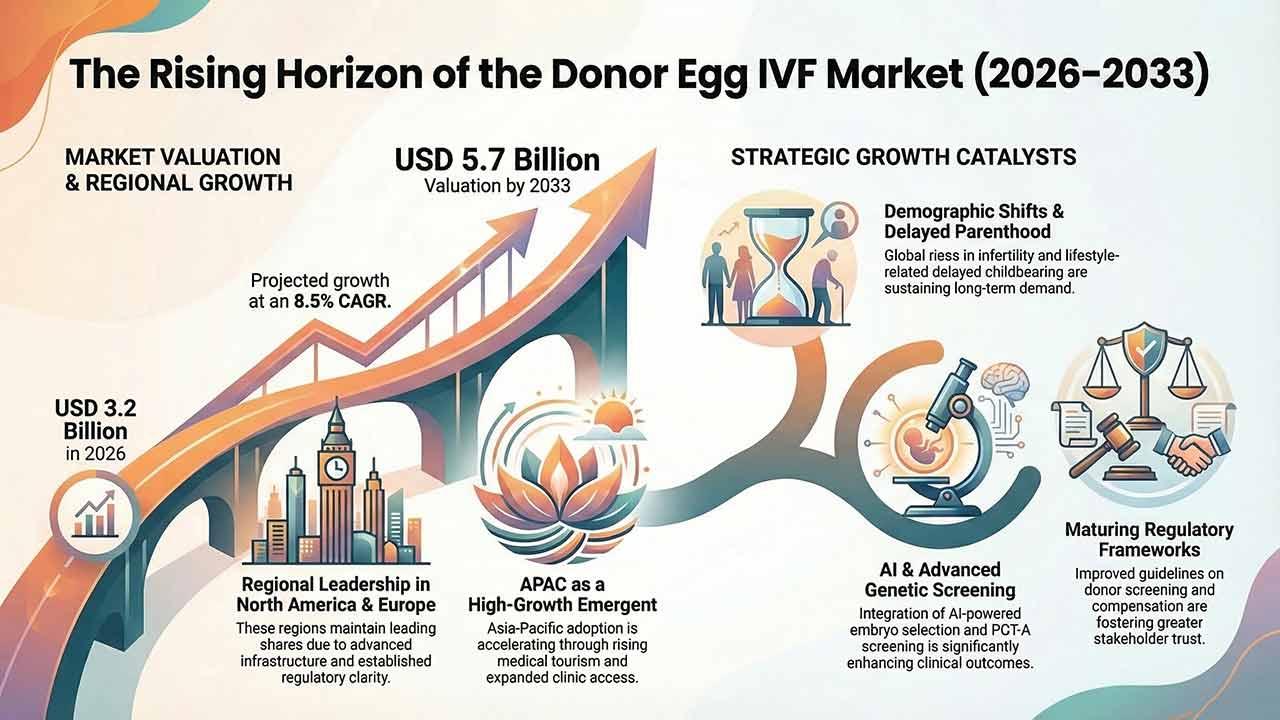
This comprehensive analysis examines the global Donor Egg IVF market, forecasting a valuation of USD 5.7 billion by 2033. The report explores critical growth drivers, including delayed parenthood, technological breakthroughs in embryo selection, and shifting regulatory landscapes, offering a detailed breakdown of market segmentation and regional growth trajectories for the next decade.

Global Preimplantation genetic testing market outlook covering growth drivers, segmentation, regional trends, key technologies, restraints, opportunities, and competitive landscape approaching $1B by 2032.
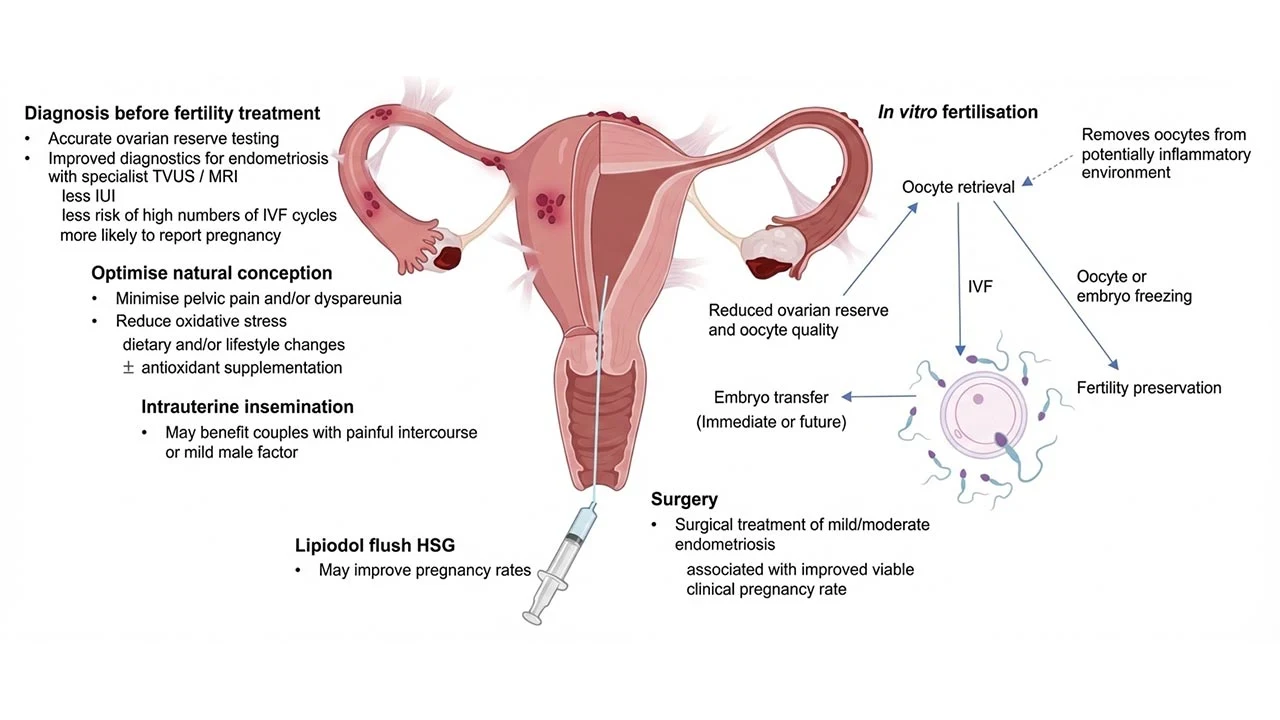
Integrating IVF and Surgical Management in Endometriosis offers a patient-centered strategy to improve fertility while managing chronic pain. By integrating laparoscopic surgery, ovarian reserve assessment, and assisted reproductive technology, clinicians can tailor treatment plans, enhance live birth rates, and optimize reproductive outcomes for women facing complex endometriosis-related infertility challenges.
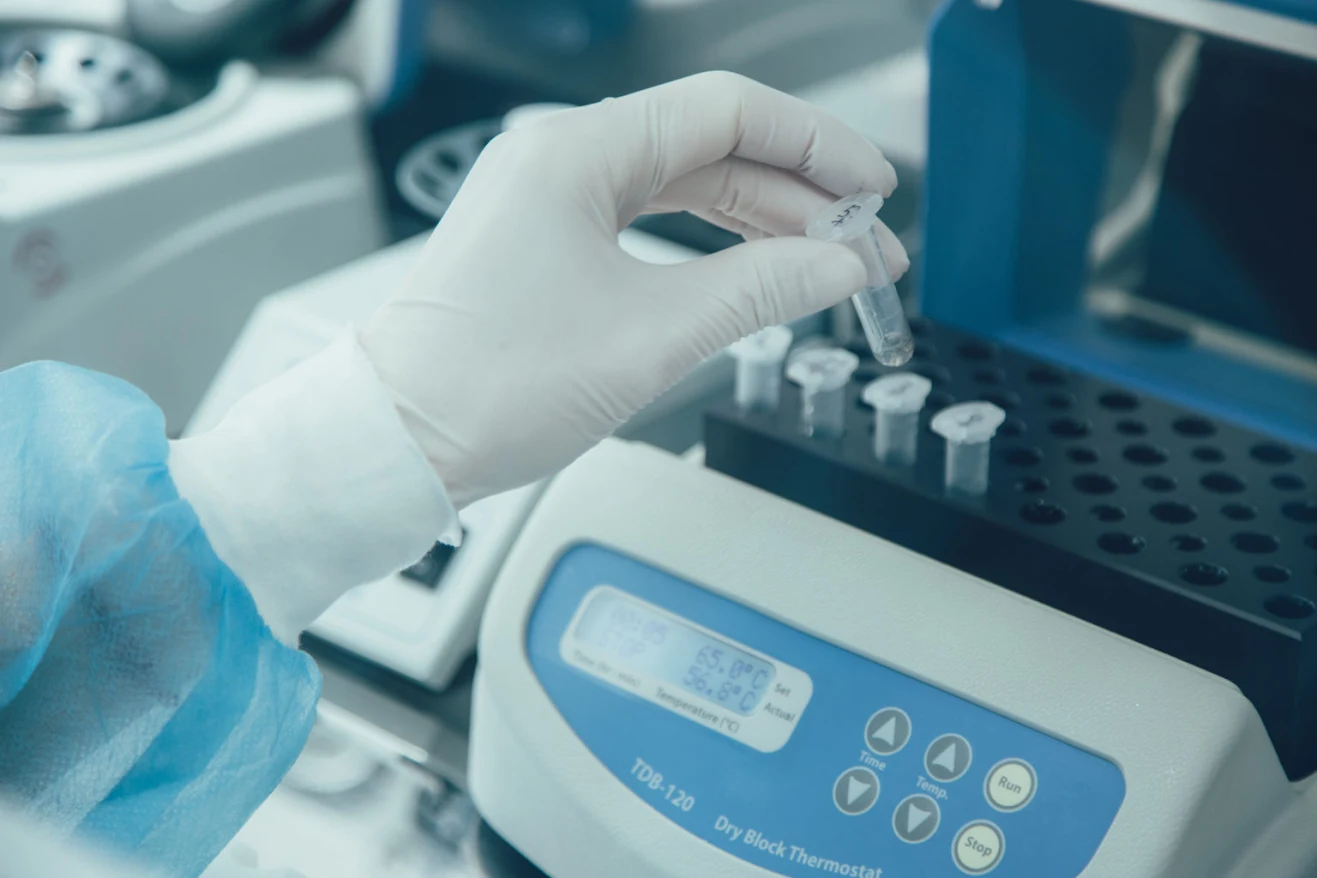
Microfluidic automation IVF with the FIND-Chip is transforming fertility care by recovering eggs previously discarded during manual screening. Clinical trials show improved embryo yield and a successful live birth from retrieved eggs. The automated system reduces human error, supports satellite clinics, and expands global access to IVF treatment.
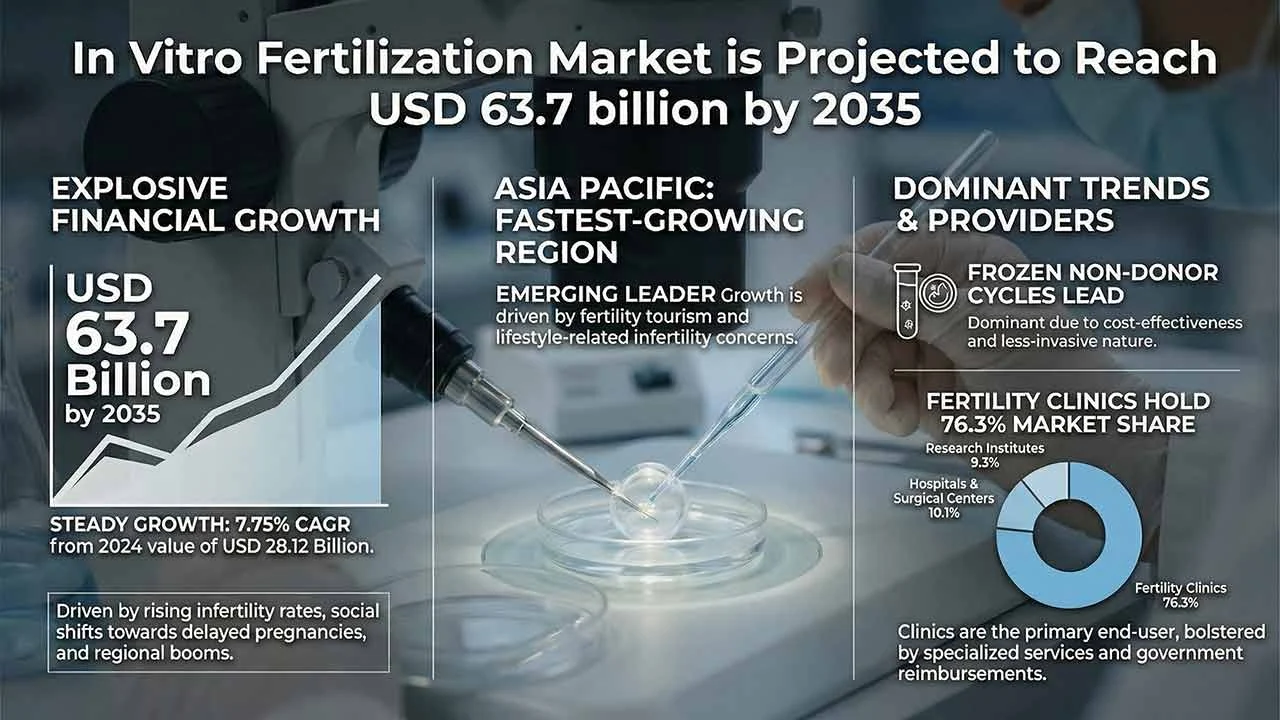
In Vitro Fertilization (IVF) market is expanding rapidly, driven by rising infertility, delayed pregnancies, and advances in IVF technology. Valued at USD 28.12 billion in 2024, the market is projected to reach USD 63.7 billion by 2035, supported by frozen cycles, fertility tourism, and innovation-led clinic growth worldwide.