Home
 NewsNews
Wisconsin lawmakers from both parties are proposing bills to reduce IVF treatment costs. Republicans suggest a $5,000 tax credit for expenses, while Democrats want mandatory insurance coverage. With IVF cycles costing $20,000-$30,000 and 170,000 residents facing infertility, both parties seek affordable solutions through different approaches.



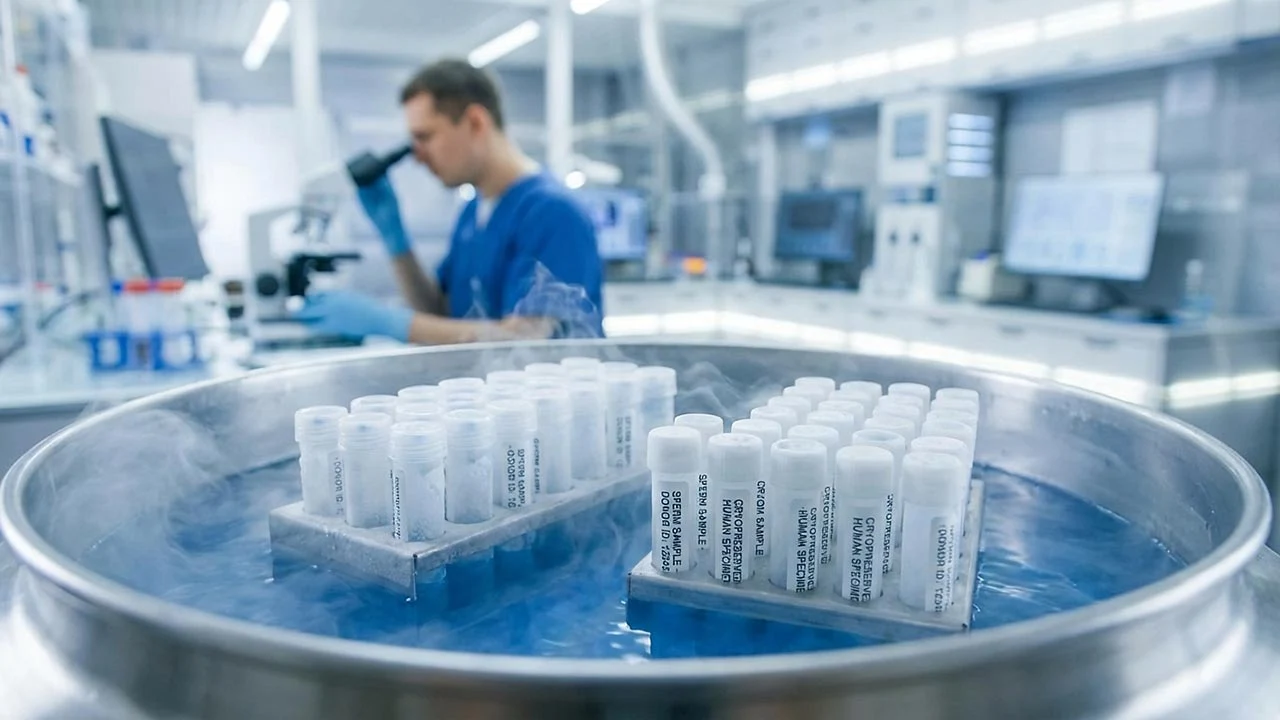
Wisconsin lawmakers reduce IVF costs as both major parties circulate bills to decrease expenses for in vitro fertilization treatment across the state.
As per the National Infertility Association, almost 50% of the states have some sort of infertility laws in place; however, just 15 need insurers in order to cover the costs of IVF and fertility preservation, such as freezing embryos or sperm. Wisconsin does not have any such requirements.
It is well to be noted that IVF treatment can take many cycles in order to see that level of success if the first round, when it comes to egg collection and fertilization as well as placement, does not develop into a pregnancy that’s viable. Every IVF cycle can cost upwards of tens of thousands of dollars, therefore forcing the Wisconsin patients to pay for care right from diagnosis to treatment out of their own pocket. Notably, almost 170,000 residents go on to face infertility issues.
Jessie Rodriguez, the State Rep. R-Oak Creek, along with Sen. Howard Marklein, R-Spring Green, is circulating a bill together that would go ahead and establish a nonrefundable income tax credit for almost $5,000 related to IVF-related expenses such as consultations, prescribed drugs, or even procedures that are apparently not covered by insurance.
The tax credit is going to be limited to individuals who make less than $100,000 per year or couples who make less than $200,000.
Rodriguez told Wisconsin Today from WPR that her proposal is indeed an unconventional way to help reduce the IVF treatment expenses.
She confirmed that they indeed looked across the country to see if there was any such proposal like hers anywhere else throughout the U.S., but they couldn’t find any. And that is the reason they thought to put it out there and see for themselves the kind of input they get and also see what they can do.
This bill was introduced as the Assembly Democrats reintroduced the legislation in October 2025, which would require the insurers in Wisconsin to go ahead and cover the costs of IVF as well as fertility preservation treatment outright.
Rep. Jodi Emerson, D-Eau Claire, has jotted down the legislation. She told Wisconsin Today that insurance companies must be a part of making treatments much easier and affordable. She added that if this is a medical issue, which they know for a fact that it is, then why should an insurance company not help pay for it?
Rodriguez went on to describe the Democratic bill as a mandate, which can indeed be tough in order to find bipartisan support for; however, she said that her bill is also a chance to explore bipartisan interest when it comes to cutting the IVF costs. Emerson said she goes on to support that the state Republicans are looking out for ways to cutting the IVF costs; however, she argued a nonrefundable tax credit does not really go far enough so as to address the cost issues.
The tax credit that they are offering is just a meager amount of what it costs, said Emerson. So, while it does help, it sure does not solve the issue since some people are not going to have that money in the bank so as to pay for it up front.
Dr. Bala Bhagavath is an infertility physician and also the director of the Reproductive Endocrinology and Infertility program at UW Health, and in October 2025, he came out individually in order to support the Democratic bill requiring insurers so as to cover the IVF costs.
He told Wisconsin Today that there are some patients who have gone as far as taking jobs at companies that go on to offer IVF coverage as a benefit so as to decrease the costs. However, Bhagavath said that a huge chunk of patients doesn’t have coverage when it comes to infertility services, and the toll in terms of paying for the treatment can be pretty steep.
Bhagavath added that as a physician who has worked in certain other states, such as Rhode Island, and also New York State, where such a challenge wasn’t even present, it does make it acutely palpable for him, having practiced medicine the way it has to be.
Bhagavath went on to estimate that a single treatment round can as well cost anywhere between $20,000 and $30,000, depending upon the diagnosis of the patient. However, he said that there are some diagnoses as well as treatments that can raise the cost even more.
He also opined that perhaps a husband may have a severe sperm problem and that needs to be further looked into. It would be a male infertility specialist who would then recommend another set of treatments or perhaps even surgery for that matter. And then the fact is that these surgeries are not covered and hence will all add up.



India's Central Drugs Standard Control Organisation has overhauled CDSCO IVF reagent sale norms, directing that all ART media, culture solutions, and reagents be supplied exclusively to clinics registered under the ART (Regulation) Act and Surrogacy (Regulation) Act. The move targets a growing unlicensed supply chain feeding an estimated 40–50% of India's 2,000-plus IVF centres.
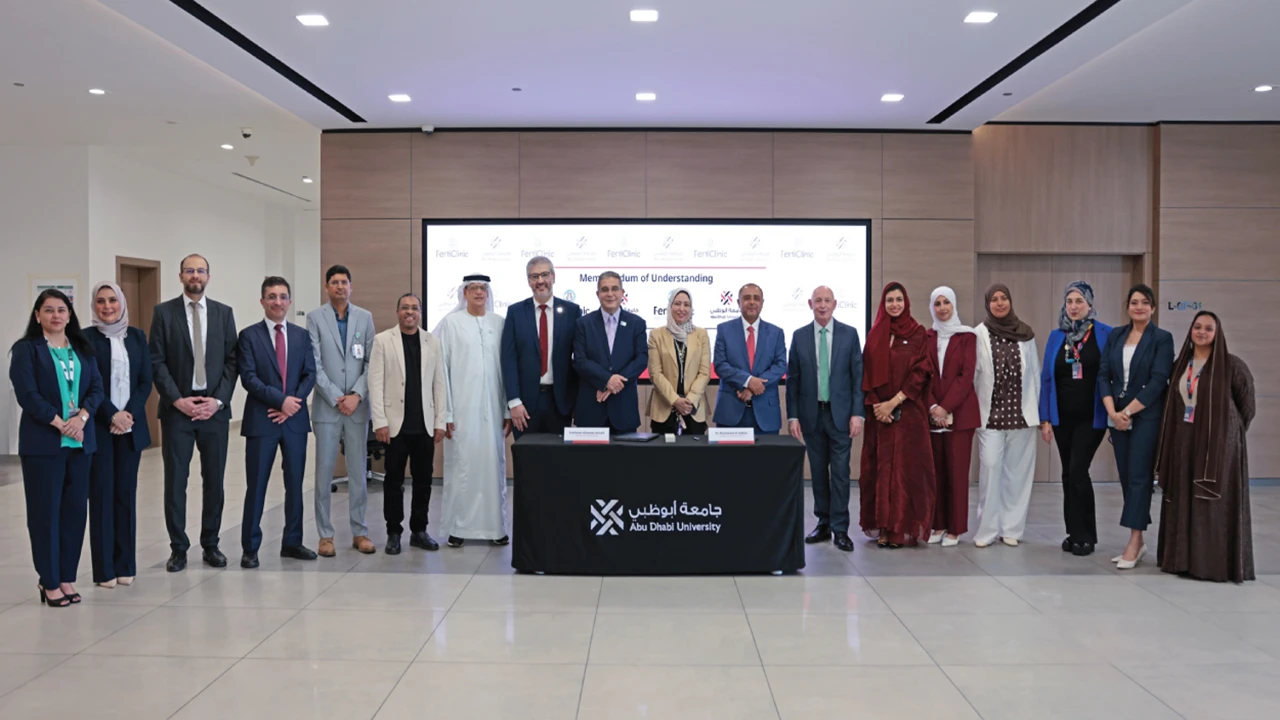
Abu Dhabi University and FertiClinic Group have joined forces to establish the FertiClinic Reproductive Research Lab, an advanced reproductive research lab in Abu Dhabi housing IVF, andrology, and cryopreservation facilities. The partnership supports UAE national priorities, bridges academic and clinical expertise, and advances fertility innovation across the region.

NHS Kent and Medway has overhauled its fertility funding policy in a move that sees NHS cuts IVF access for thousands of patients. Effective 1 April 2026, the eligible age ceiling drops from 40 to 38, funded cycles fall from two to one, and embryo transfers are capped at two.
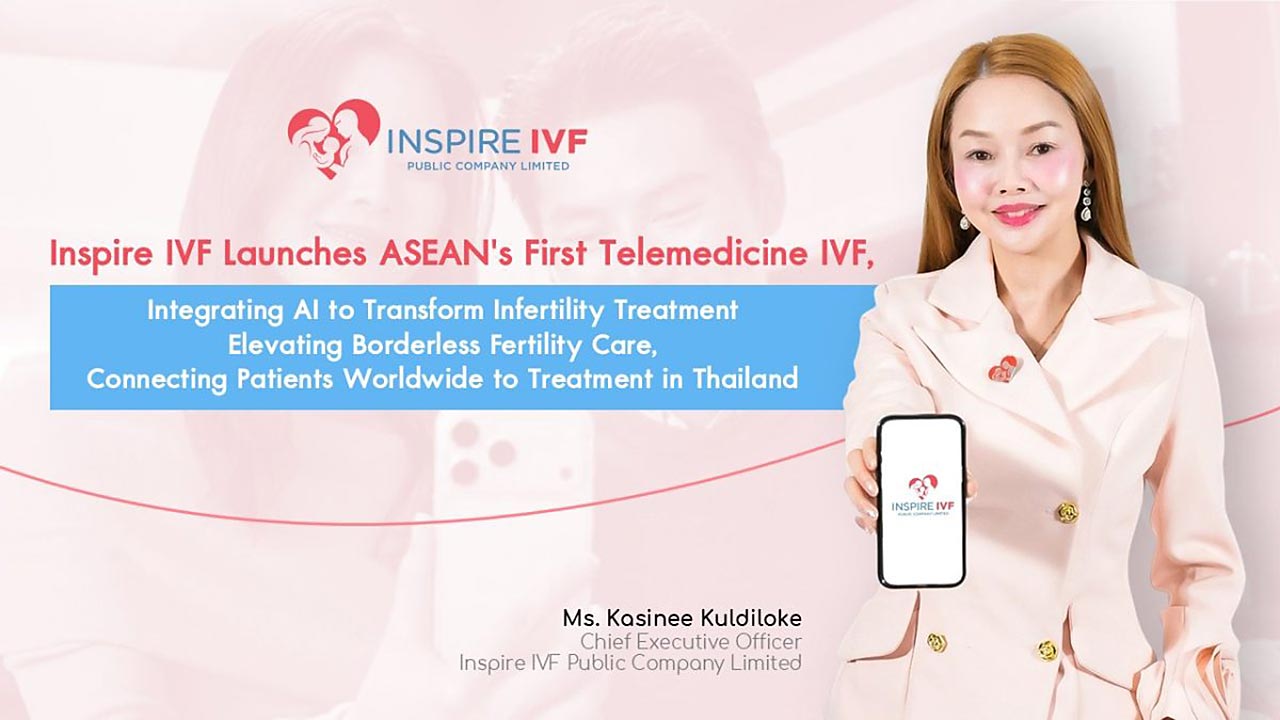
ASEAN's First Telemedicine IVF by Inspire IVF introduces a new era of remote fertility care. Combining AI technology with expert consultation, the platform enables global access, real-time monitoring, and personalised treatment planning, positioning Thailand as a leading hub for fertility services and advancing digital transformation in reproductive healthcare.
CSG.BIO has gone ahead with the acquisition of Hanabusa IVF, Asian Egg Bank, thereby making it a world leader in reproductive medicine and cutting-edge clinics with enhanced patient reach and advanced laboratory capabilities.
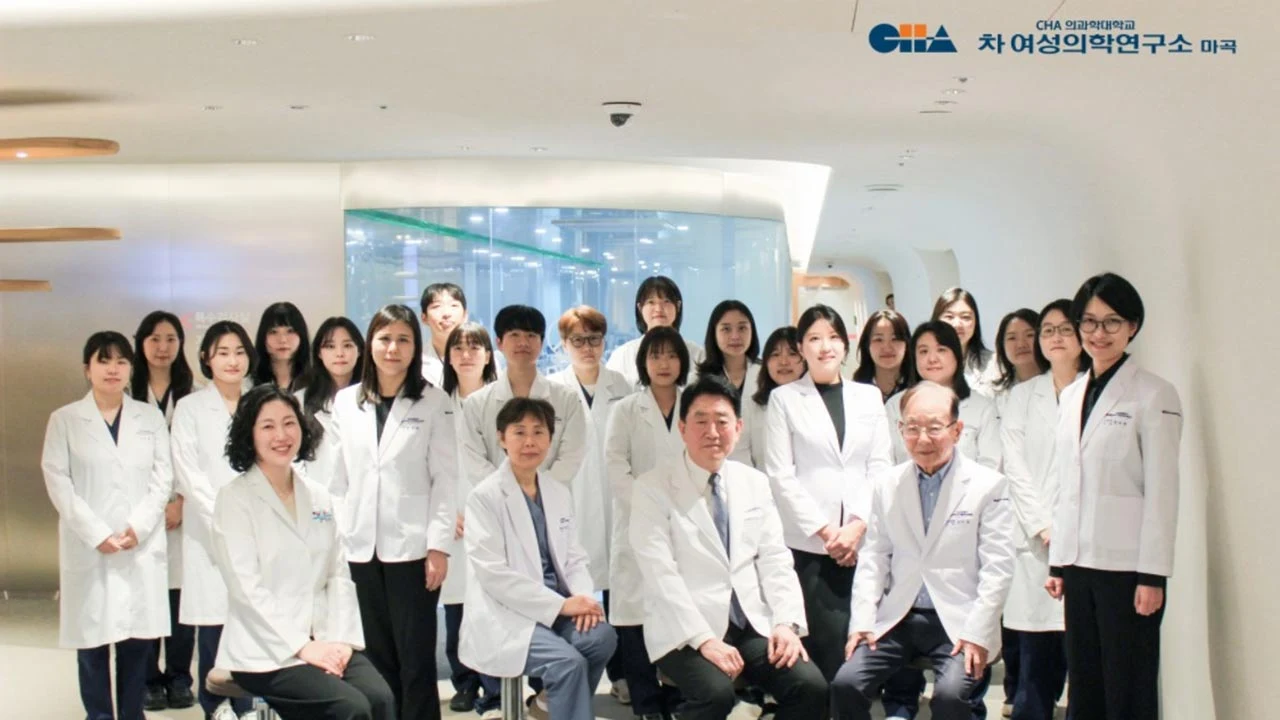
The AI-specialized Infertility Center, which is the largest in Asia, is open in Magok, Seoul and has begun its full-scale medical services from November 17 thereby marking the new era when it comes to fertility in the region.