Home
 NewsNews
A wearable biosensor for IVF treatments developed by Symex Labs in partnership with the University of Melbourne and Monash IVF enables real-time hormone monitoring through a skin patch. By reducing reliance on invasive blood tests, the innovation improves patient comfort, enhances treatment precision, and expands access to fertility care, particularly for patients in remote and underserved regions.



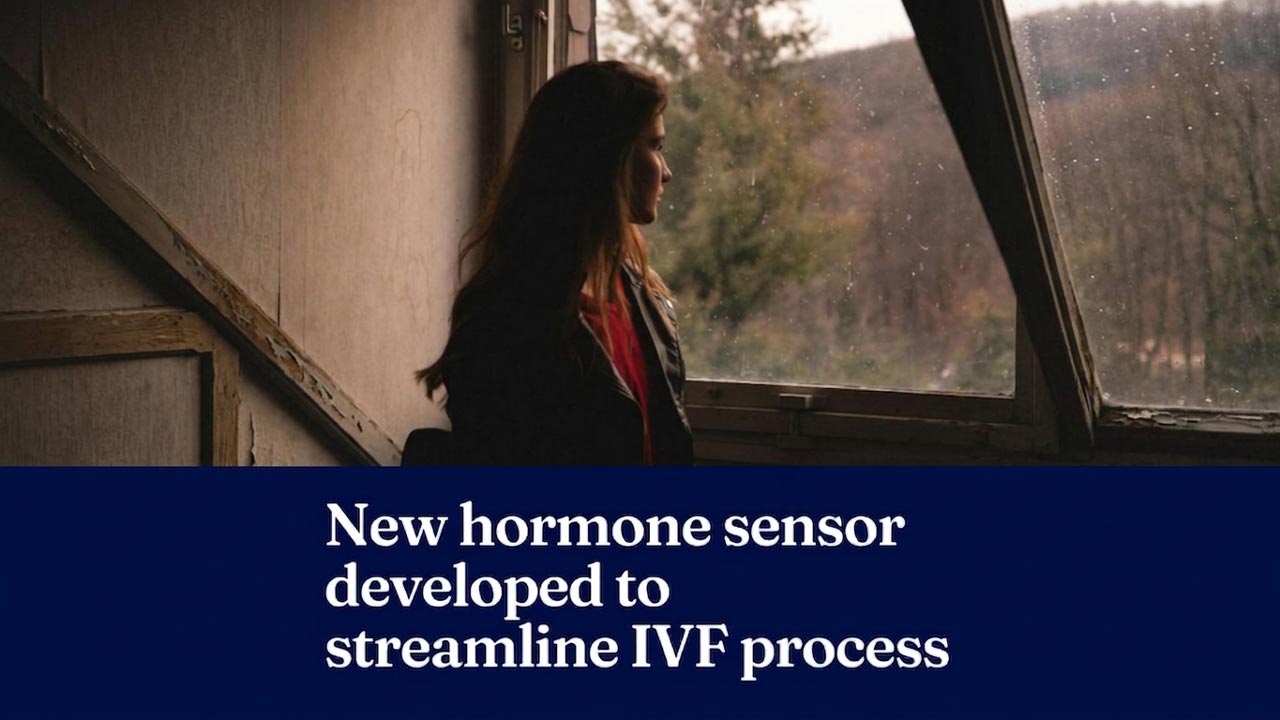
A Melbourne-based startup, Symex Labs, has partnered with the University of Melbourne and Monash IVF to develop a pioneering wearable biosensor for IVF treatments. This innovative device is designed to streamline the fertility process, significantly reducing patient pain and the high costs associated with traditional hormone monitoring.
During the critical stages of egg collection or embryo transfer, clinicians must precisely monitor hormone levels, specifically progesterone, oestradiol, and luteinising hormone, to ensure procedures occur at the optimal time. Currently, this requires patients to undergo frequent, invasive blood tests at laboratories. This reliance on labs can be problematic; for instance, if testing is required over a weekend when most facilities are closed, clinicians may be forced to choose less-than-ideal timing, potentially compromising the precision of the treatment.
The solution developed by University of Melbourne alumni Edgar Charry and Muhammad Umer involves a biosensor that detects hormones in the interstitial fluid found just beneath the skin. "Previous research shows nearly all hormones that exist in blood are also present in interstitial fluid," said Symex Labs co-founder Edgar Charry. He further explained that "interstitial fluid is clear fluid just under the skin that sits between cells, delivering nutrients and carrying away waste".
This wearable biosensor for IVF treatments functions as a convenient skin patch. According to Charry, "Our biosensor will eventually be worn as a patch and will work by penetrating the skin using small microneedles to attract progesterone molecules in the patient's interstitial fluid. These molecules will bind to the surface of the probe, generating electrical activity. The technology then translates the electrical activity to progesterone levels, ultimately informing the IVF clinical team if the patient is ready for embryo transfer. This data will be sent directly to the clinic's monitoring system, allowing IVF nurses to review the results and advise the patient ”.
The clinical benefits are substantial, particularly for patient comfort and accessibility. Monash IVF Research Director, Associate Professor Mark Green, noted that the investment in this technology aligns with a focus on innovation. “This technology will save patients time and money, as they can conveniently wear the patch in the comfort of their own home, resulting in fewer visits to the clinic and fewer painful injections,” Green said. He also emphasised that the biosensor would be a "gamechanger" for women in regional areas who currently travel long distances for blood draws.
Beyond fertility, the wearable biosensor for IVF treatments has broader applications. Symex Labs co-founder Muhammad Umer stated: “Our wearable hormone biosensor has strong potential well beyond fertility care, particularly in PCOS management and perimenopause and menopause symptom management, where continuous hormone insight can replace today's indirect, symptom-based tracking." ”.
Supported by $2.5 million in funding from the federal government, Breakthrough Victoria, and the University of Melbourne, the project is moving toward a world-first clinical study to benchmark interstitial hormone levels against blood concentrations. The first in-human pilot study is expected within the next 12 months, with commercialisation planned for early 2028.



India's Central Drugs Standard Control Organisation has overhauled CDSCO IVF reagent sale norms, directing that all ART media, culture solutions, and reagents be supplied exclusively to clinics registered under the ART (Regulation) Act and Surrogacy (Regulation) Act. The move targets a growing unlicensed supply chain feeding an estimated 40–50% of India's 2,000-plus IVF centres.

Abu Dhabi University and FertiClinic Group have joined forces to establish the FertiClinic Reproductive Research Lab, an advanced reproductive research lab in Abu Dhabi housing IVF, andrology, and cryopreservation facilities. The partnership supports UAE national priorities, bridges academic and clinical expertise, and advances fertility innovation across the region.

NHS Kent and Medway has overhauled its fertility funding policy in a move that sees NHS cuts IVF access for thousands of patients. Effective 1 April 2026, the eligible age ceiling drops from 40 to 38, funded cycles fall from two to one, and embryo transfers are capped at two.
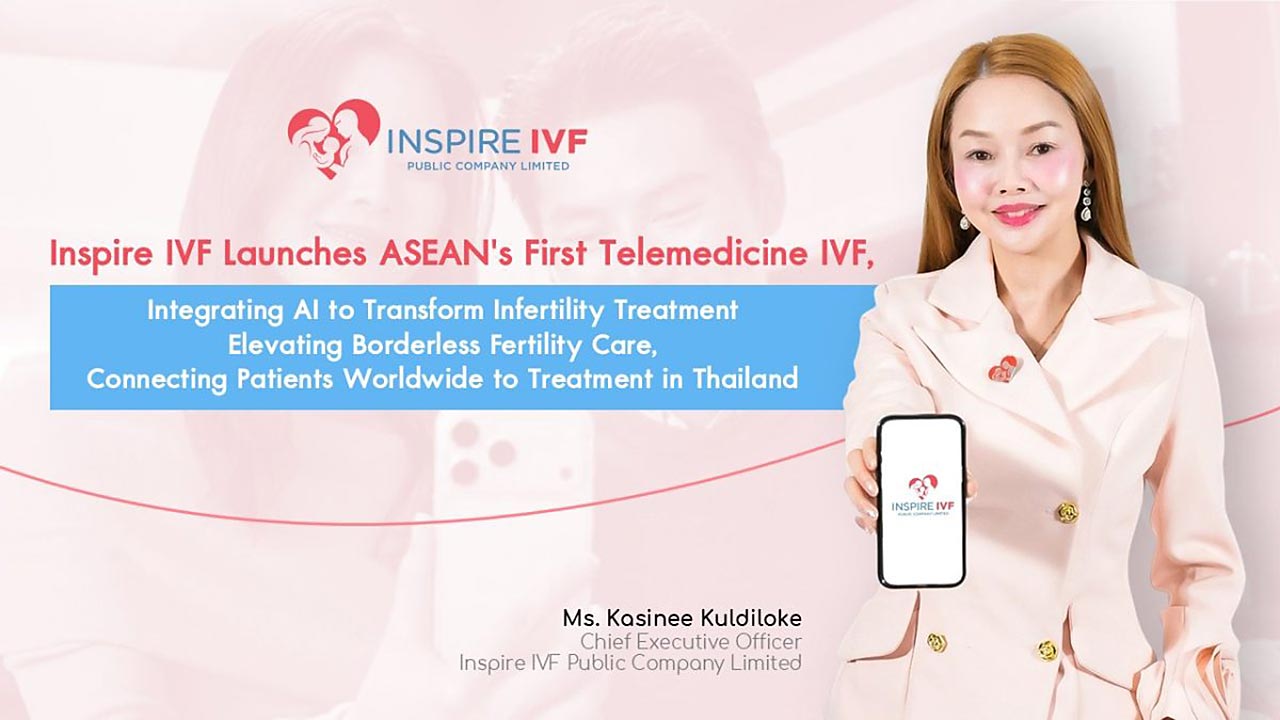
ASEAN's First Telemedicine IVF by Inspire IVF introduces a new era of remote fertility care. Combining AI technology with expert consultation, the platform enables global access, real-time monitoring, and personalised treatment planning, positioning Thailand as a leading hub for fertility services and advancing digital transformation in reproductive healthcare.
CSG.BIO has gone ahead with the acquisition of Hanabusa IVF, Asian Egg Bank, thereby making it a world leader in reproductive medicine and cutting-edge clinics with enhanced patient reach and advanced laboratory capabilities.
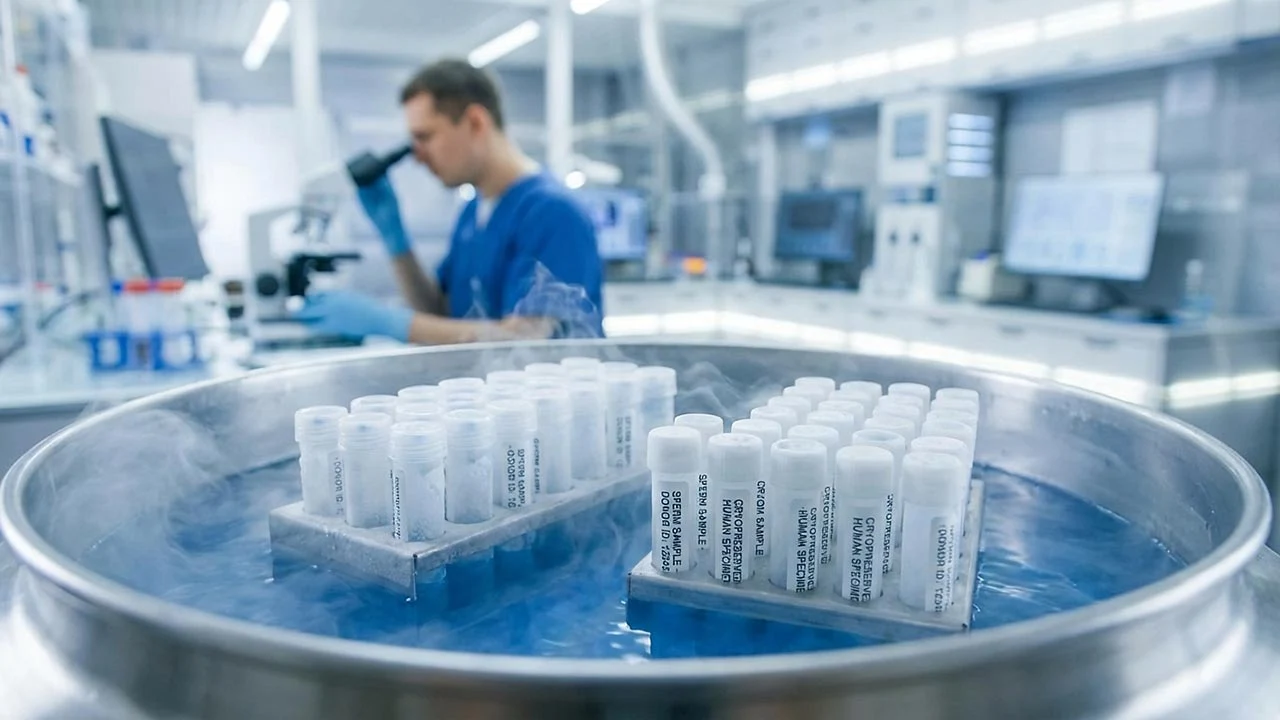
Wisconsin lawmakers from both parties are proposing bills to reduce IVF treatment costs. Republicans suggest a $5,000 tax credit for expenses, while Democrats want mandatory insurance coverage. With IVF cycles costing $20,000-$30,000 and 170,000 residents facing infertility, both parties seek affordable solutions through different approaches.

The AI-specialized Infertility Center, which is the largest in Asia, is open in Magok, Seoul and has begun its full-scale medical services from November 17 thereby marking the new era when it comes to fertility in the region.