Home
 NewsNews
The US Supreme Court has declined to block the California surrogacy parentage ruling that declared Nausheen Gilkar and Omar Ahmed the legal parents of a boy born to their surrogate, McKenna West. West, who refused a request to terminate the pregnancy after a severe cardiac defect diagnosis, had sought emergency Supreme Court intervention.



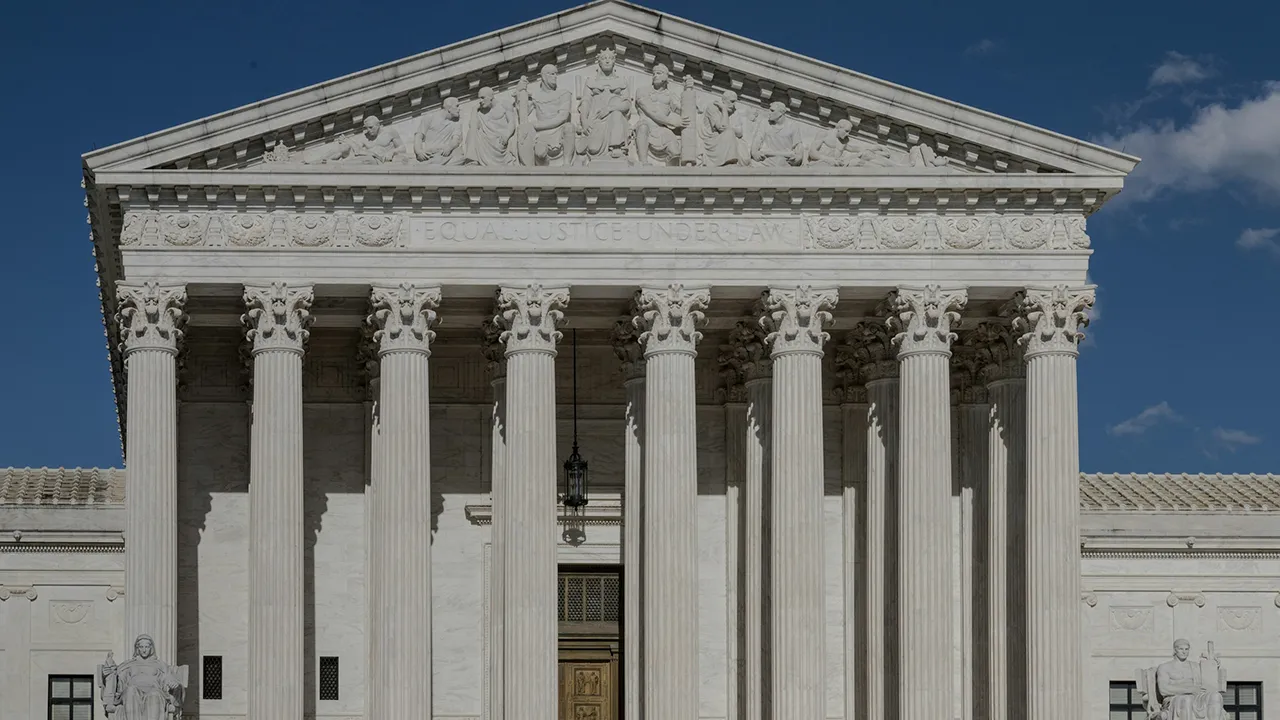
The United States Supreme Court has declined to halt a judicial ruling declaring a California couple the legal parents of an infant born to their surrogate, who refused their request to terminate the pregnancy after the fetus was diagnosed with a severe cardiac defect and who later sought a role in decisions affecting the boy's medical care.
The court denied a request by McKenna West, the woman hired by Nausheen Gilkar and Omar Ahmed to serve as their surrogate, to block the California surrogacy parentage ruling while she pursues a full appeal to the Supreme Court. The order was issued unilaterally by Justice Elena Kagan, who handles emergency applications arising from California and the surrounding region. Kagan provided no rationale.
The case began when West agreed to act as a surrogate for Gilkar and Ahmed. During the pregnancy, the fetus was diagnosed with a severe cardiac defect. Gilkar and Ahmed subsequently requested that West terminate the pregnancy, a request she refused. Following that refusal, Gilkar and Ahmed brought proceedings against West, alleging breaches of the surrogacy agreement, with the termination refusal among the matters cited. West, in turn, later sought a role in decisions affecting the boy's medical care. In June, a California trial court issued its ruling: Gilkar and Ahmed were the child's legal parents. The court also rejected West's argument that it lacked jurisdiction over her, a contention that sits at the heart of West's ongoing challenge to the decision.
Following the June trial court decision, West sought to have the ruling stayed while she appealed. California's state appellate courts declined to grant that stay. With domestic options exhausted, West brought her emergency application to the Supreme Court.
Gilkar and Ahmed filed Supreme Court papers last Friday in which they argued that they are committed to the same lifesaving care for the boy that West has stated she wants. That commitment formed part of their argument against granting the stay West was seeking.
Justice Kagan's denial of the emergency application does not decide the underlying disputes on their merits. The California surrogacy parentage ruling, establishing Gilkar and Ahmed as the child's legal parents, remains in place while the legal proceedings continue.
While the Supreme Court's order is narrow in scope, the case it arises from raises several substantial family law questions that extend well beyond the immediate facts.
Jurisdiction is among the most significant. The dispute has involved California and Texas, while West herself resides in Alaska. When a parentage judgment is issued in one state, it can carry immediate legal consequences in others, particularly when parties in competing proceedings seek recognition or enforcement of that order across state lines. Which state has the authority to determine parentage is therefore not a procedural technicality but a question with real consequences for how the case resolves.
The legal weight of a surrogacy agreement is a second unresolved dimension. The distinction between what a surrogacy contract requires and what legal parentage ultimately means, and which takes precedence when the two diverge, is a question the courts below have begun to address but have not fully settled.
Decision-making authority during contested proceedings is the third. When competing legal proceedings are underway and parentage itself is in dispute, the question of who has authority to make decisions for a child particularly medical decisions, remains legally complex and practically urgent.
The case is, at its core, a collision between the contractual framework of surrogacy arrangements and the legal and moral autonomy of the surrogate herself. It has drawn attention for the way it brings together surrogacy law, abortion rights, parental rights, and inter-state jurisdiction in a single set of facts and it is not yet over. West's appeal to the Supreme Court remains pending, and the court's decision on the emergency stay is only the first word on whether the justices will ultimately take up the case.



Miracle Surrogacy, Mexico's largest and longest-established surrogacy agency, has announced a new partnership with Travel Gay, one of the world's most recognised LGBTQ+ travel and lifestyle platforms. The collaboration launches with a comprehensive educational guide to LGBTQ+ surrogacy in Mexico, covering the legal, medical, and practical dimensions of building a family there.

Baroness Ruth Lynn Deech has cautioned that surrogacy and reproductive law reform may require separate legislative treatment, not a single statute. Speaking in the House of Lords, she called for a Parliamentary Select Committee to examine both the HFEA's 2023 modernisation proposals and the Law Commission's 2023 surrogacy framework independently.
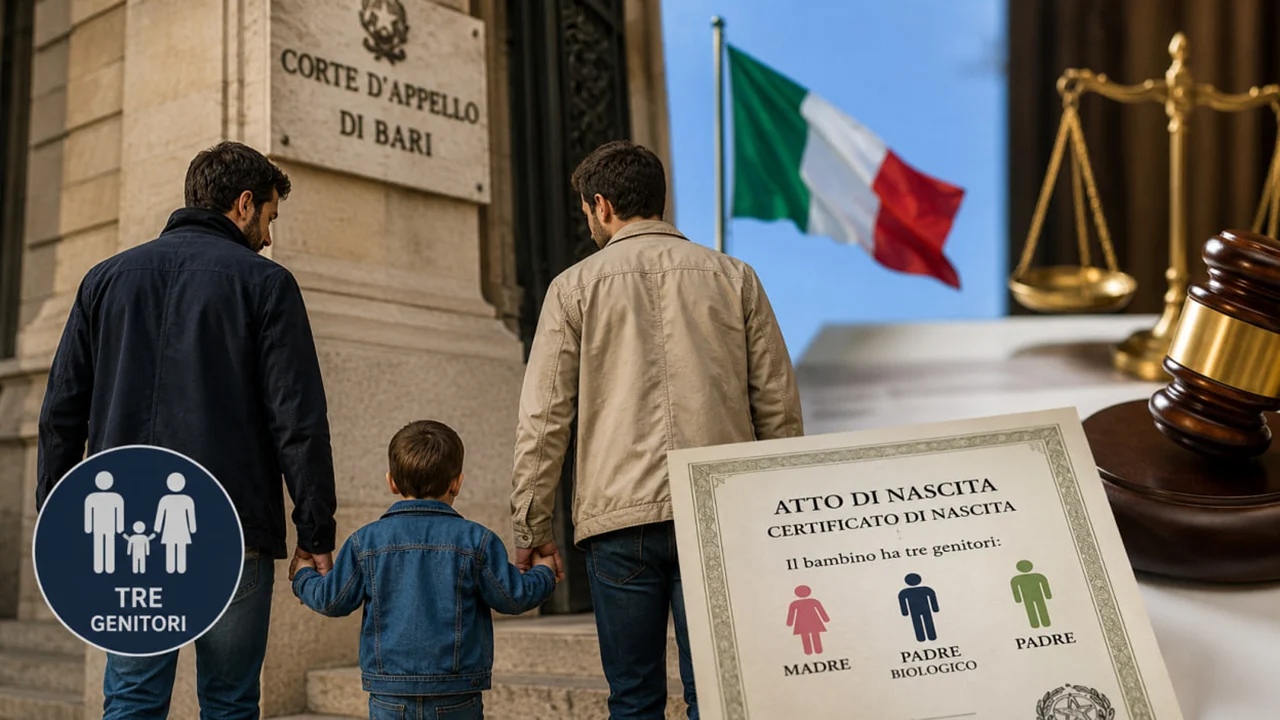
A Bari court of appeal has ruled that Italy Recognises Three Parents, two fathers and one mother, for a 4-year-old child born in Germany, in a landmark January decision publicised in May 2026. The ruling, contested by conservative groups, marks a significant shift in Italian family law.

The Philippines Surrogacy Regulation Act aims to establish the country’s first legal framework for assisted reproductive technology. The bill seeks to protect surrogate mothers, combat exploitation, and ensure legal recognition and rights for children born through surrogacy while regulating IVF and other ART procedures nationwide.
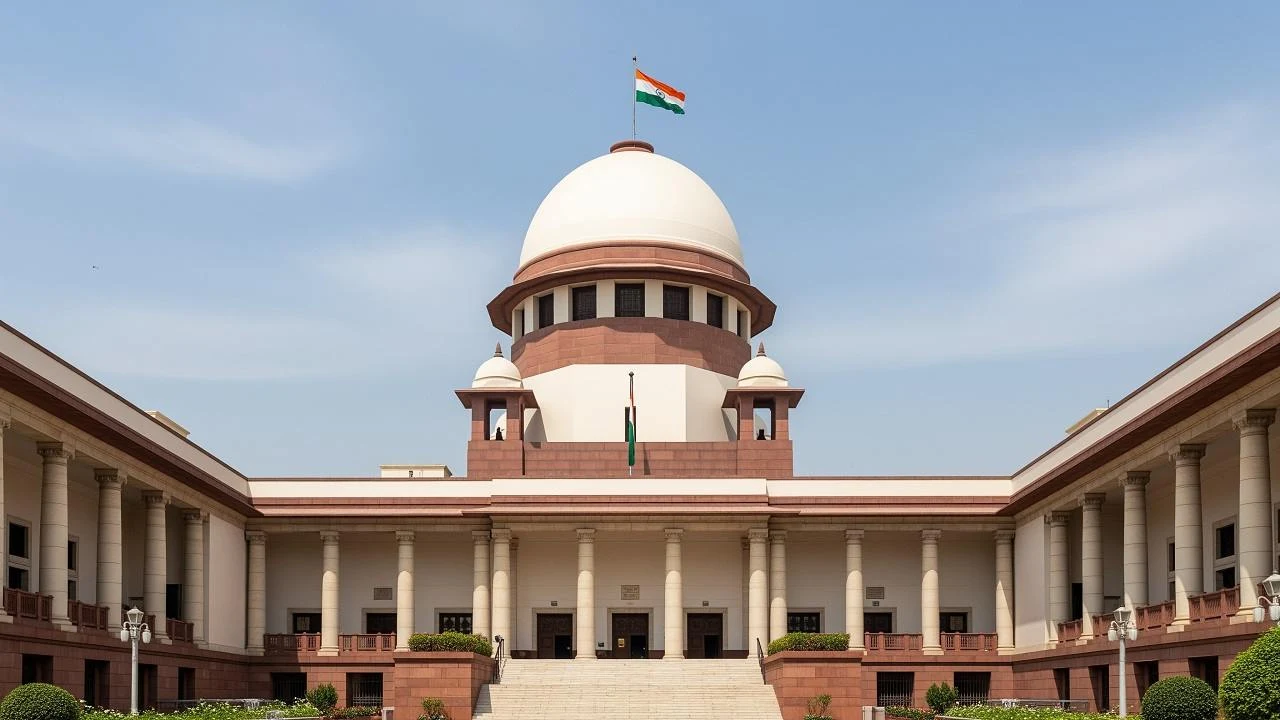
The Supreme Court of India has ruled that couples can bypass surrogacy age limits, safeguarding reproductive autonomy. The decision challenges inconsistent restrictions on intended parents, highlights constitutional rights, and provides relief to those affected by the Surrogacy (Regulation) Act, 2021, while prompting broader debates on reproductive equality in India.
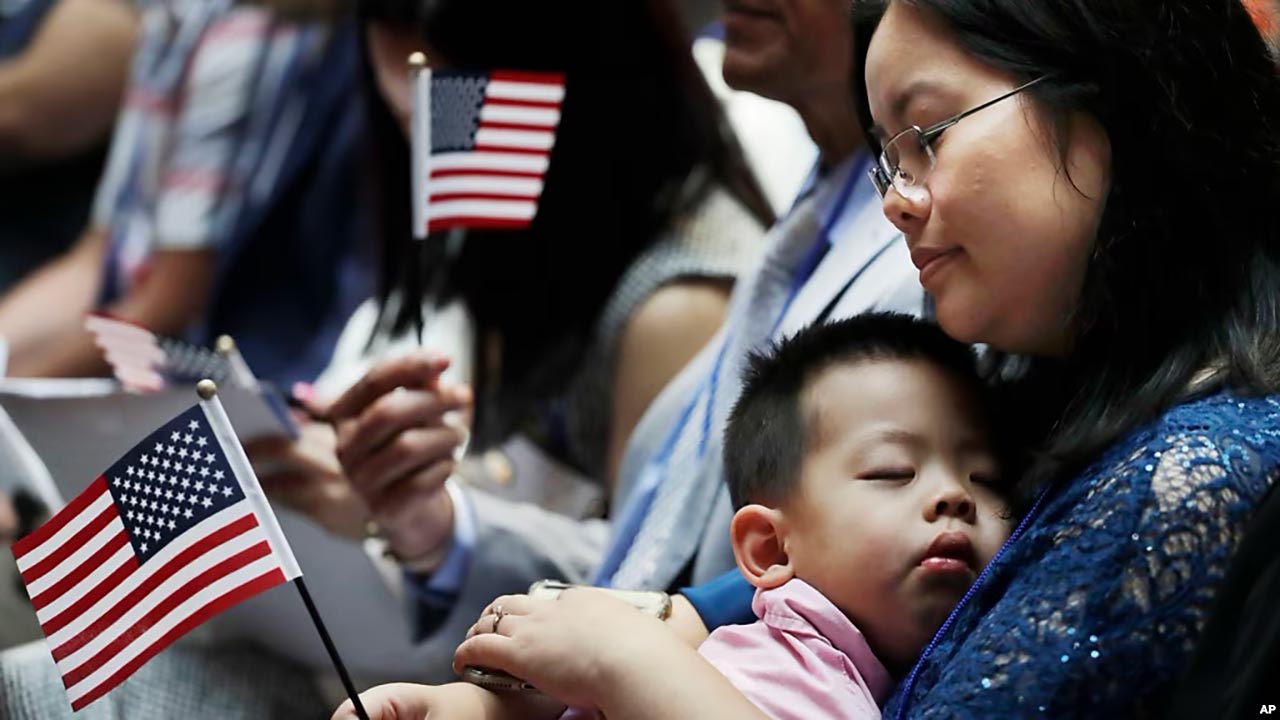
The Chinese surrogacy boom in America is intensifying legal and policy debates around birthright citizenship. As foreign nationals increasingly use U.S. surrogacy services, lawmakers face complex questions on immigration, national security, and reproductive rights, with potential regulatory changes looming amid ongoing Supreme Court scrutiny and federal policy discussions.