Home
 NewsNews
Doctors at NHS Lothian in Edinburgh have performed the UK’s first testicular tissue transplant, reimplanting tissue frozen before chemotherapy in a 19-year-old patient with a serious blood disorder. The testicular tissue transplant, only the second reported worldwide, could eventually give thousands of young boys a realistic path to future fatherhood.



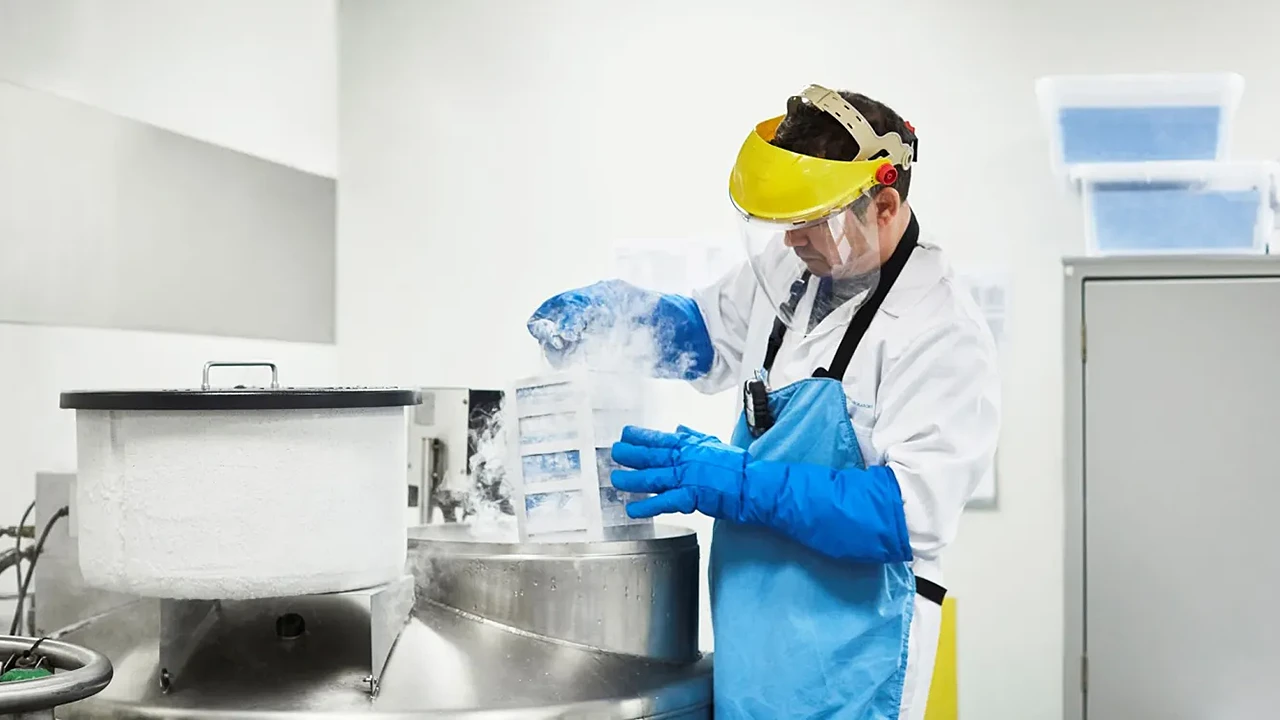
For boys diagnosed with cancer or serious blood disorders, one of the most painful long-term consequences of life-saving treatment is one that rarely gets discussed at the time: permanent infertility. High-dose chemotherapy and bone marrow transplants can irreversibly damage the cells responsible for producing sperm and because prepubertal boys do not yet produce sperm, the established option of sperm freezing is simply not available to them. That gap has existed, largely unaddressed clinically, for decades.
A procedure carried out in Edinburgh in August 2026 represents the most significant step yet towards filling it. Doctors at NHS Lothian have performed the UK’s first testicular tissue transplant, reimplanting previously frozen testicular tissue into a 19-year-old patient in the hope that it will resume sperm production. The procedure, the only second worldwide, was underpinned by more than ten years of sustained research at the University of Edinburgh and could eventually transform fertility options for thousands of young cancer survivors.
The patient, a 19-year-old student who has chosen to remain anonymous, had testicular tissue surgically removed and cryopreserved in 2023 before undergoing a bone marrow transplant to treat a serious blood disorder. The treatment required high-dose chemotherapy, a regime that, while effective, permanently damages the cells needed to produce sperm. Three years after his treatment, tests confirmed what the medical team had anticipated: the patient had no sperm in his semen.
In August 2026, surgeons transplanted some of his previously frozen testicular tissue back into his body. He recovered well following the procedure and is now being closely monitored. After approximately eight months, a portion of the transplanted tissue will be removed and examined to determine whether sperm production, known as spermatogenesis, has been initiated.
The outcome is not yet known. But the significance of reaching this point at all, of being in a position where the question of whether it has worked can even be asked, is not lost on the patient himself.
“Fertility is something I’ve struggled with personally for a long time. I’ve always wanted to have children of my own but at some point, I found myself starting to slowly accept that that might never be possible for me. Having this procedure has given me genuine hope for the future. We don’t know yet whether it will work, but knowing that there is now even a possibility means more to me than I can really put into words. I’m incredibly grateful to everyone for giving me this opportunity and for all the work that has made it possible. I also hope that being part of this research means that, in the future, other young people in the same position can have that hope too.”
To understand the significance of this procedure, it helps to understand the problem it is designed to solve.
For adult and adolescent males old enough to produce sperm, freezing sperm before cancer treatment is a well-established and routinely offered fertility preservation option. It is straightforward, non-invasive, and gives patients a reasonable chance of fathering biological children in the future. For prepubertal boys, that option does not exist. They do not yet produce sperm. And until recently, there was no established clinical alternative.
The consequence is stark: boys who undergo sterilising cancer treatment before puberty and survive, as increasing numbers do, face adulthood without any realistic clinical path to biological fatherhood. Currently, there is no established method to restore fertility in this group.
The Edinburgh research programme, established with funding from Children with Cancer UK in 2015, set out to change that. The scientific premise is built around a specific type of cell found in testicular tissue: spermatogonial stem cells. These are the cells responsible for initiating and sustaining sperm production from puberty onwards. By surgically removing and cryopreserving a small piece of testicular tissue before treatment begins, the programme preserves those stem cells in a frozen state, waiting, potentially, for the patient to return as a young adult and have them transplanted back.
More than 1,200 patients in the UK have now had testicular tissue stored under this programme. Globally, the number stands at over 3,100 across fertility centres that have implemented similar protocols. For all of them, the Edinburgh transplant carries direct personal relevance.
The Edinburgh procedure did not arrive without a scientific foundation. Research in non-human primates established that testicular tissue frozen before sterilising chemotherapy could be transplanted back and resume function: mature sperm produced by the transplanted tissue were subsequently used in assisted reproduction, resulting in a live birth. That proof of concept in an animal model was a necessary precursor to attempting the procedure in humans.
Earlier in 2026, the approach was first demonstrated in a human patient in Belgium, where testicular tissue frozen before puberty was successfully transplanted back and subsequently produced mature sperm. The Edinburgh procedure is the second reported case worldwide and the first in the UK.
The scientific rationale is grounded in what the Edinburgh team describes as the tissue’s essential components. The frozen testicular tissue contains the spermatogonial stem cells needed for future sperm production. By transplanting that tissue back into the patient’s body, the aim is to allow it to resume the biological process it was primed to carry out at the point of collection, a process interrupted by chemotherapy and to eventually produce sperm that could be used in assisted reproduction.
Professor Rod Mitchell, study lead and Professor of Developmental Endocrinology at the University of Edinburgh’s Institute for Regeneration and Repair, as well as consultant pediatric endocrinologist at NHS Lothian, reflected on what ten years of work has led to:
“This is a big step towards helping boys facing treatments that damage their fertility to have children of their own. Ten years ago, we started our research program to freeze and store pieces of testicle from boys before they start chemotherapy, to preserve their fertility. We are beginning to see some of these young men return to explore their fertility options. This study offers real hope for future fertility in boys facing cancer treatment.”
Tracey Gillies, Medical Director of NHS Lothian, addressed the broader institutional significance:
“This landmark procedure is an important step forward for young people whose future fertility may be affected by the treatment they need to overcome serious illness. The collaboration between NHS clinicians and researchers at the University of Edinburgh highlights the strength of clinical research in Edinburgh and our shared commitment to improving outcomes for patients across Scotland. This is a significant piece of world-leading work, and we are grateful to the patient and his family for helping advance research that could transform care for others in the future.”
The immediate next step is waiting. After eight months, a portion of the transplanted tissue will be removed and examined for evidence of spermatogenesis. That examination will determine whether the procedure has achieved its primary aim and whether the broader programme, with over 1,200 UK patients and 3,100 worldwide who have tissue stored, can be offered a credible clinical pathway forward.
If the transplant succeeds, it would validate not only this patient’s procedure but the entire decade-long strategy that preceded it: the decision to freeze tissue early, the science of spermatogonial stem cell preservation, and the feasibility of reimplanting that tissue years later in a mature human patient. It would also open the door to a larger clinical programme, offering young men who banked their tissue as boys a realistic prospect of biological fatherhood that, until very recently, simply did not exist.
This article is based on reporting from the University of Edinburgh and NHS Lothian (October 2026). It is intended for general information purposes. Individuals with questions about fertility preservation or cancer treatment should consult a qualified specialist.


Flora Fertility and Clue have announced the Flora Clue fertility partnership, connecting the first individually owned fertility insurance platform with the world’s leading women-led cycle tracking app. FLORA policyholders receive complimentary Clue Plus access, while Clue’s community of over 100 million members gains early exposure to proactive fertility financial planning.
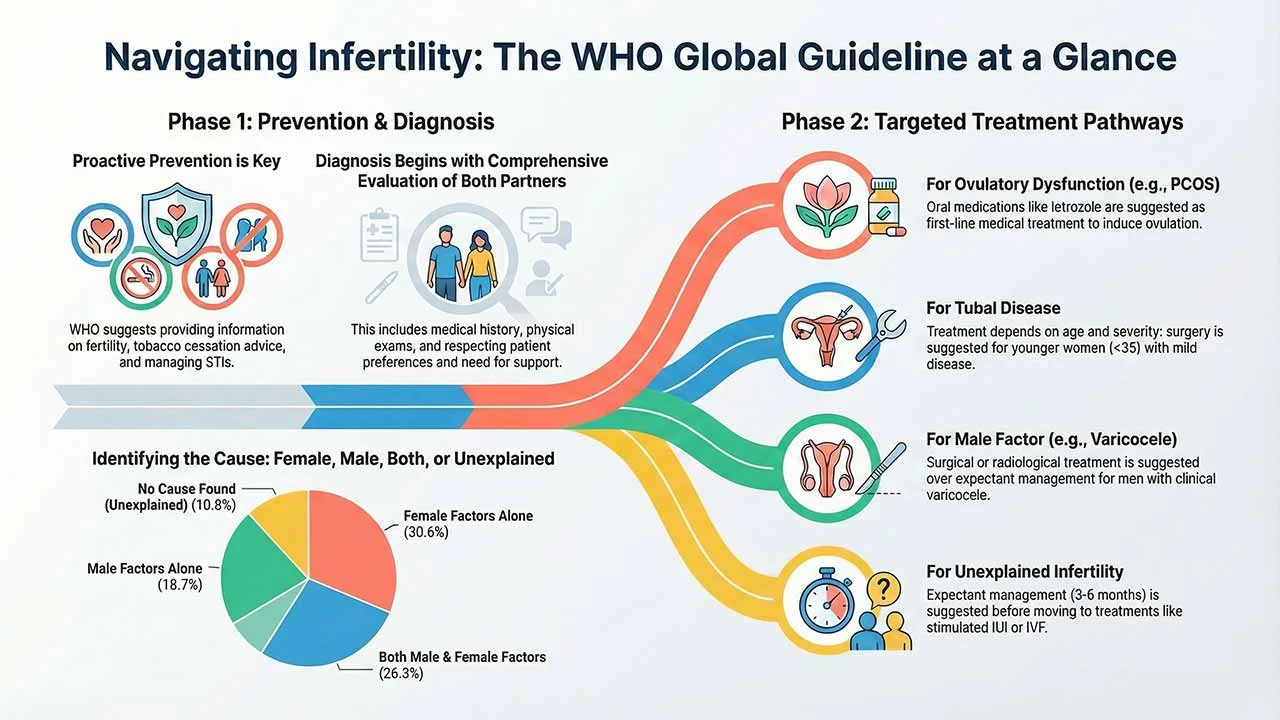
The World Health Organization releases its first comprehensive, evidence-based global guideline for infertility prevention, diagnosis, and treatment. Addressing one in six people of reproductive age worldwide, the guideline emphasizes equity, human rights, and standardized interventions to improve access to fertility care globally.

Gameto has secured $44 million in Series C funding to advance its stem cell-derived fertility therapy, Fertilo, into Phase 3 trials, marking a significant milestone in reproductive healthcare. This groundbreaking therapy uses induced pluripotent stem cell technology to mature eggs outside the body, significantly reducing hormonal stimulation and enhancing safety and efficacy in fertility treatments.

INVO Fertility partners with Heidi Health to integrate an AI-powered scribe at Wisconsin Fertility Institute, streamlining documentation so clinicians focus on care.
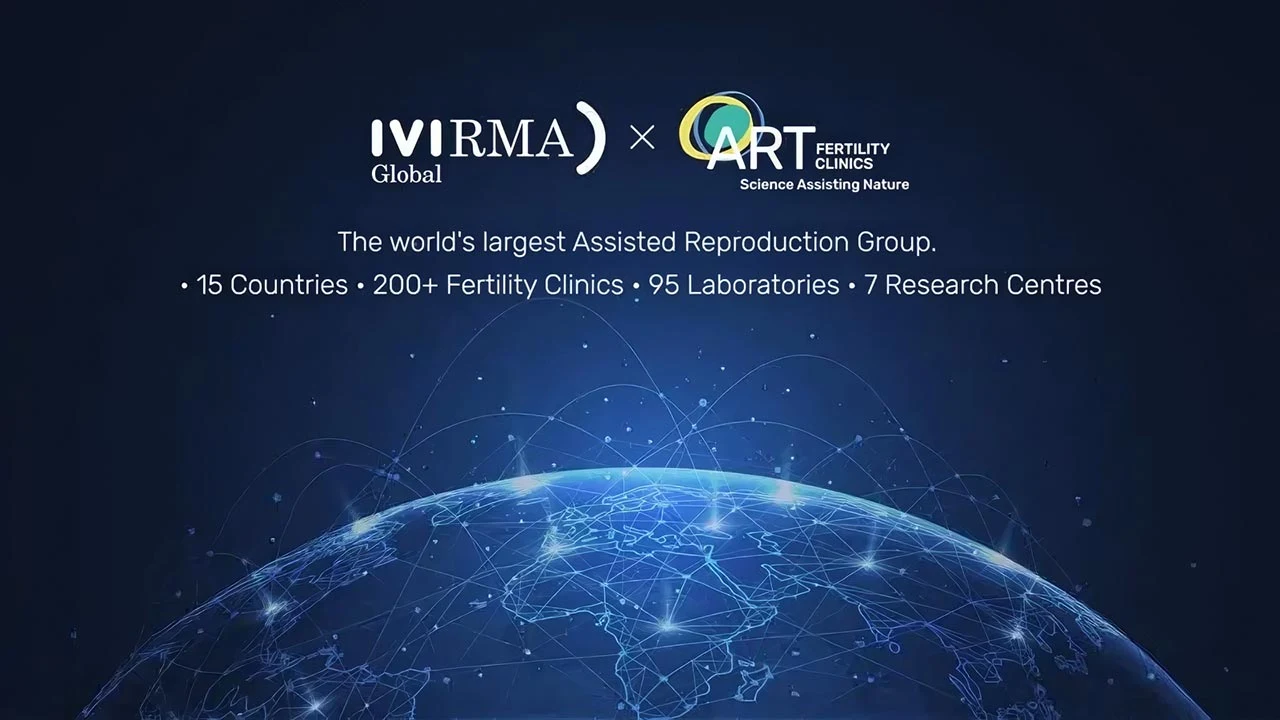
With ART Fertility Clinics now part of its network, IVI RMA Global has created a Middle East operating region to meet growing fertility needs. The integration boosts treatment capacity, scientific output, and care consistency across the UAE and Saudi Arabia as demographic pressures shape demand for assisted reproduction

California SB 729 now requires insured large employers to provide comprehensive coverage for infertility and IVF starting from 2026, significantly increasing workplace benefits.