Home
 NewsNews
President Trump’s IVF initiative announces most-favored-nation pricing with EMD Serono to slash fertility drug costs and launches TrumpRx.gov access, alongside new guidance enabling employer fertility benefits. FDA will expedite Pergoveris review, aiming to improve affordability, access, and outcomes for Americans seeking IVF treatment.



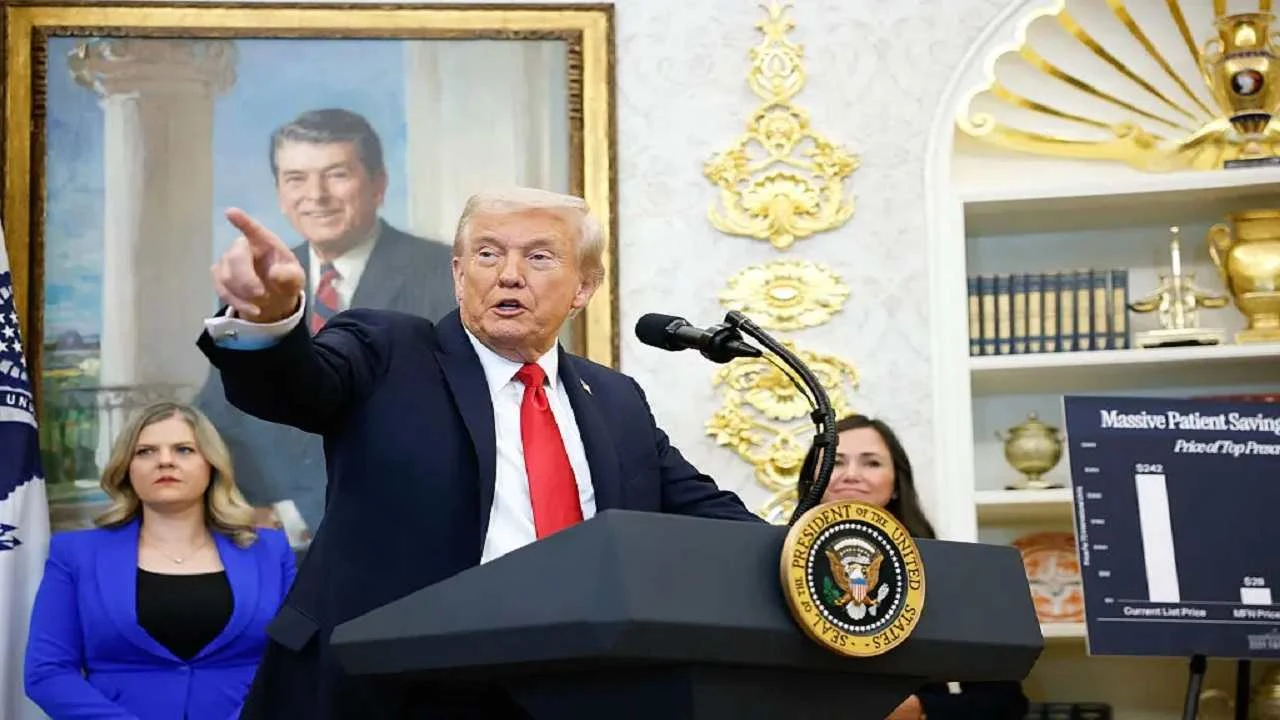
President Donald Trump unveiled a sweeping initiative to dramatically reduce IVF costs and expand fertility treatment access during a White House press conference, declaring it "the boldest and most significant action ever taken by any president to bring the miracle of life into more American homes."
The announcement follows a phone call with Russian President Vladimir Putin regarding ongoing peace negotiations and comes amid broader healthcare reform efforts aimed at addressing America's declining fertility rates.
The centerpiece of the initiative is a "Most Favored Nation" pricing agreement that will reduce per-cycle IVF drug costs by an estimated 73%, translating to approximately $2,200 in savings per treatment cycle. Trump emphasized that the most commonly prescribed fertility drug currently costs $1,300 in the United States compared to just $130 in London, calling the price disparity evidence that "we've been ripped off by the whole world for a long period of time."
EMD Serono, the world's largest fertility drug manufacturer, committed to providing an 84% discount off list prices for leading IVF therapies through the new TrumpRx.gov platform. Senior Vice President Libby Horn announced the company would also file Pergoveris, a new IVF therapy combining two reproductive hormones, for expedited FDA review under the National Priority Voucher program.
CMS Administrator Dr. Mehmet Oz highlighted that key medications would drop from $242 to just $10 for the 70% of Americans earning under $15,000 annually, with the remaining consumers still receiving most favored nation pricing. The agreements extend to pharmacy benefit managers, with Express Scripts and CVS Specialty Pharmacy agreeing to slash their margins to enable the reduced pricing.
In a coordinated effort involving seven federal agencies, the administration released guidance creating a legal pathway for employers to offer standalone fertility benefit packages similar to dental or vision insurance. Deputy Domestic Policy Council Director Heidi Overton explained the new option allows companies, including small and midsize businesses, to provide comprehensive fertility coverage addressing root causes such as metabolic health and endocrine disorders, not just IVF procedures.
The fertility benefit option gives employers "maximum flexibility to design benefits consistent with their values" while targeting improved clinical outcomes, including a reported 25% higher live birth rates and 21% fewer miscarriages among those with such benefits compared to traditional insurance. The Departments of Labor, Health and Human Services, and Treasury will follow the guidance with formal regulations.
Senator Katie Britt credited Trump's rapid response after an Alabama court ruling threatened IVF access, stating his leadership made Republicans "the party of parents" and "the party of families". She noted Trump secured unanimous Republican Senate support for nationwide IVF access.
Congressman Richard Hudson and his wife, Renee, who endured multiple miscarriages during their fertility journey, attended the event. Samantha Bush, co-founder of the Bundle of Joy Fund with NASCAR driver Kyle Busch, shared their decade-long struggle with infertility before having two children. Her nonprofit has distributed over $2 million in grants, helping bring 108 babies into the world.
HHS Secretary Robert F. Kennedy Jr. framed declining fertility as a national security threat, noting rates dropped from 3.5 births per woman during his uncle's presidency to 1.6 today, well below the 2.1 replacement level. He emphasized the administration's broader Make America Healthy Again agenda addressing endocrine disruptors and chemical exposures contributing to fertility challenges, citing that today's average teenager has 50% of the sperm count and testosterone levels of a 65-year-old man from previous generations.
Trump linked the IVF initiative to other family-focused achievements, including child tax credit expansion, child care affordability measures, and recent agreements on GLP weight-loss drugs and insulin price caps. He positioned fertility access as "very pro-life," stating, "there's nothing more pro-life than helping families grow."
The president emphasized that unlike previous administrations that "started wars," his focus on ending conflicts, claiming eight peace deals to date, and addressing domestic healthcare challenges reflects his deal-making approach to governance. With over $17 trillion in domestic investment secured during his first eight months and energy prices declining toward $2 per gallon, Trump framed the fertility initiative as part of a broader economic and social revival.


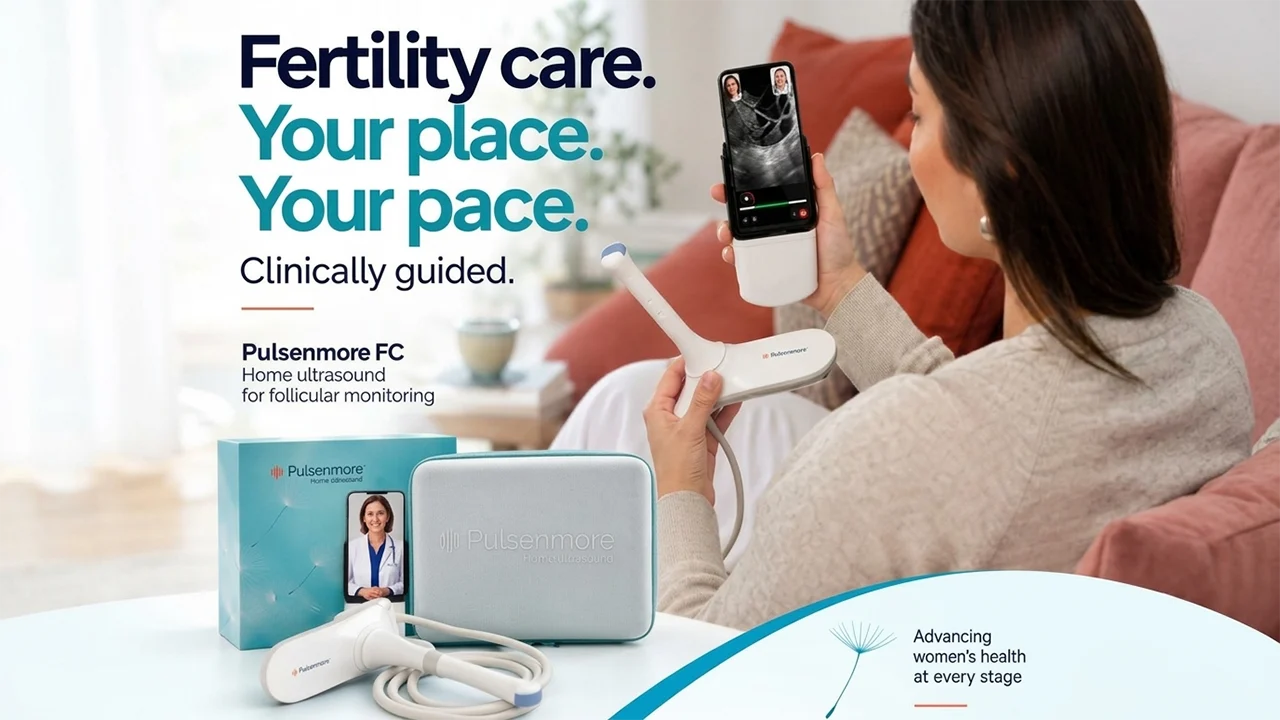
Pulsenmore has completed MHRA registration of Pulsenmore FC, entering the UK fertility market with its patient-operated home ultrasound system for follicular and endometrial monitoring during IVF and fertility preservation treatments. The move follows CE European registration and targets a UK market where over 100,000 fertility treatment cycles were performed in 2024.
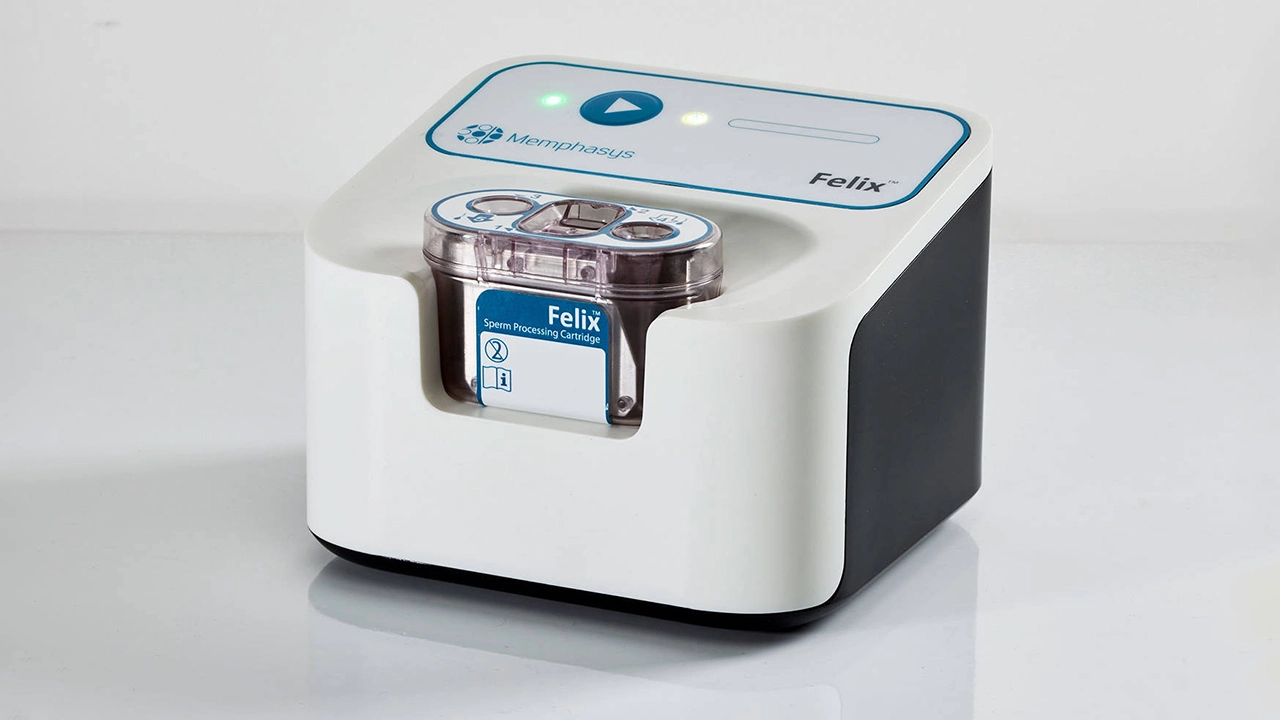
Memphasys has confirmed a Felix System Nordic expansion into Denmark, Sweden, Norway, Finland, and Iceland through an exclusive agreement with fertility-technology distributor NOVIVITAE ApS. The deal carries minimum contracted purchases of €526,500 across three years, with an initial order of €20,625 and three Felix™ consoles to be supplied in the September 2026 quarter.

India's Central Drugs Standard Control Organisation has overhauled CDSCO IVF reagent sale norms, directing that all ART media, culture solutions, and reagents be supplied exclusively to clinics registered under the ART (Regulation) Act and Surrogacy (Regulation) Act. The move targets a growing unlicensed supply chain feeding an estimated 40–50% of India's 2,000-plus IVF centres.
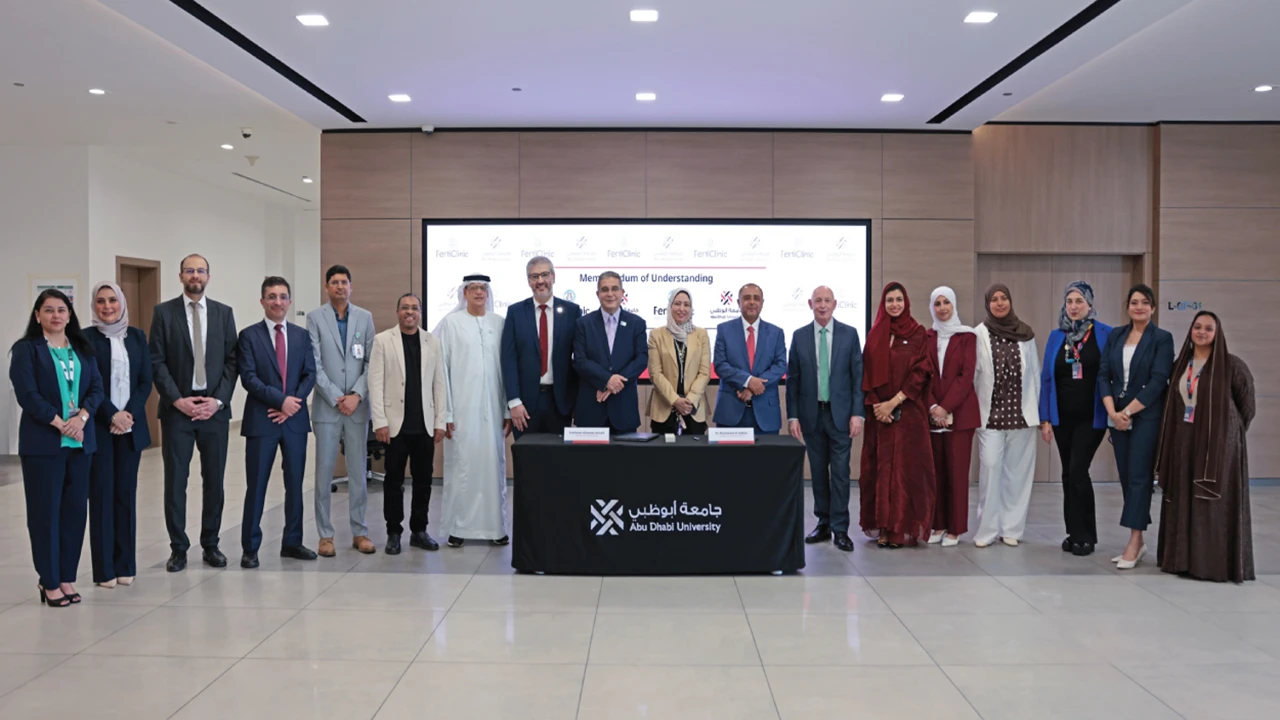
Abu Dhabi University and FertiClinic Group have joined forces to establish the FertiClinic Reproductive Research Lab, an advanced reproductive research lab in Abu Dhabi housing IVF, andrology, and cryopreservation facilities. The partnership supports UAE national priorities, bridges academic and clinical expertise, and advances fertility innovation across the region.

NHS Kent and Medway has overhauled its fertility funding policy in a move that sees NHS cuts IVF access for thousands of patients. Effective 1 April 2026, the eligible age ceiling drops from 40 to 38, funded cycles fall from two to one, and embryo transfers are capped at two.
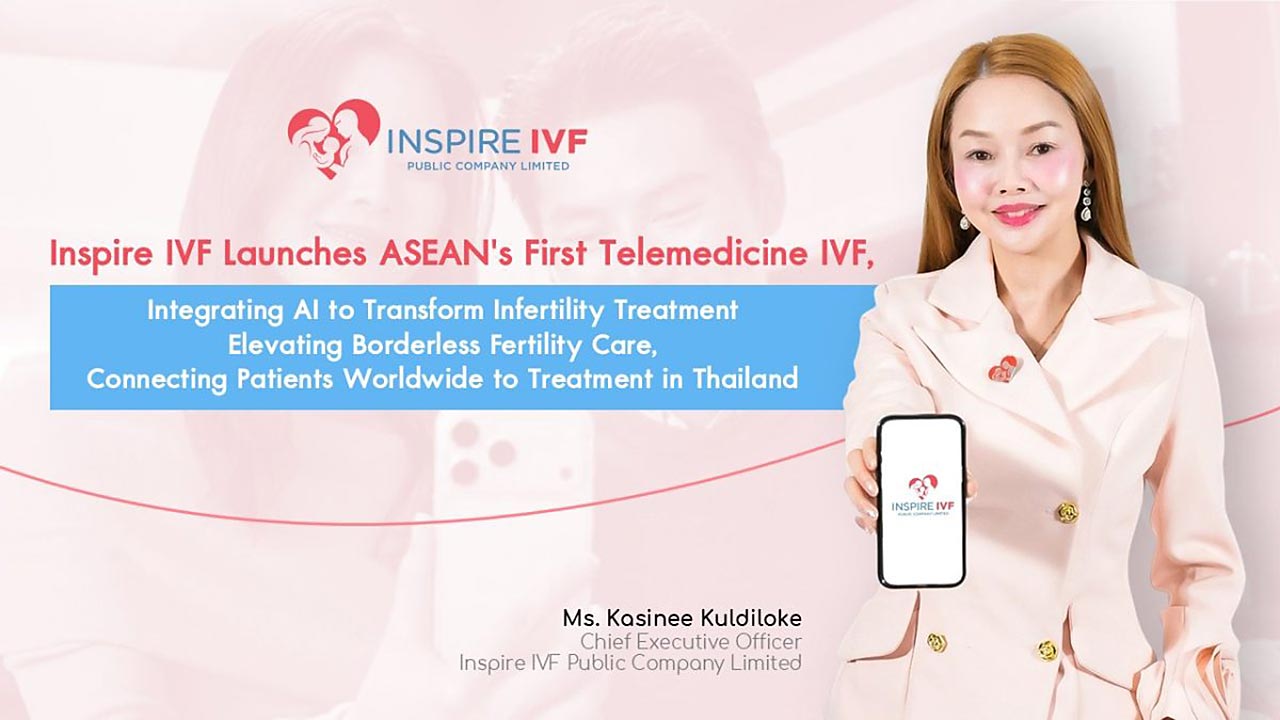
ASEAN's First Telemedicine IVF by Inspire IVF introduces a new era of remote fertility care. Combining AI technology with expert consultation, the platform enables global access, real-time monitoring, and personalised treatment planning, positioning Thailand as a leading hub for fertility services and advancing digital transformation in reproductive healthcare.
CSG.BIO has gone ahead with the acquisition of Hanabusa IVF, Asian Egg Bank, thereby making it a world leader in reproductive medicine and cutting-edge clinics with enhanced patient reach and advanced laboratory capabilities.