Home
 NewsNews
ARMS Embryo Watch offers time-lapse images of IVF embryos to patients by streaming each development stage and showing the output directly to the patient's device, enhancing transparency and emotional connection throughout the IVF journey.



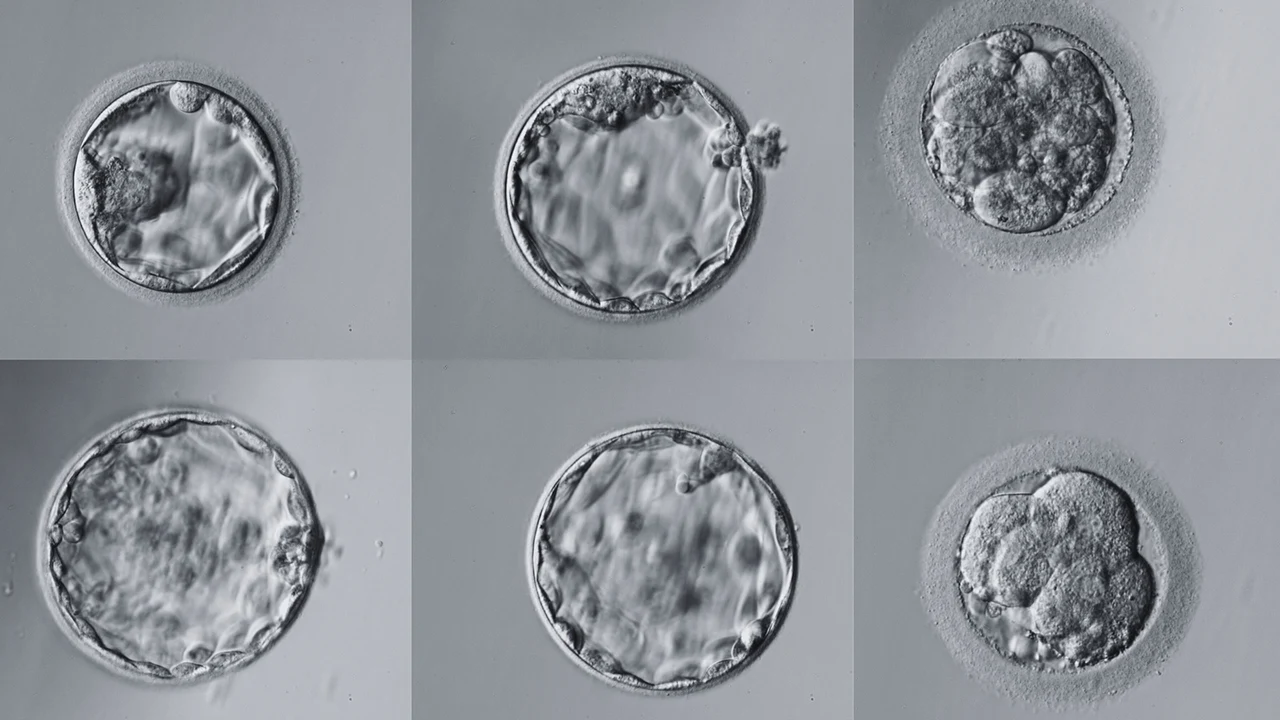
ARMS Embryo Watch lets patients see time-lapse images of IVF embryos as they grow. It streams each stage of development, from fertilization to implantation, directly to the patient's device (smartphone or computer). The embryologist uses integrated AI software to look at these pictures and put the information into clear, easy-to-read reports.
In Arizona, ARMS Embryo Watch is the first of its kind to use CHLOE technology. It gives patients a private, safe time-lapse images of IVF embryos as they grow in real time through a secure link. There are two cutting-edge technologies that make up Embryo Watch. The first is a system for monitoring an embryo incubator over time. The second commandment is its AI software.
These things together make the IVF patient's experience better and could improve the results of IVF. There are still studies going on, and they look pretty promising.
Key features of Embryo Watch
ARMS Embryo Watch is a leader in the use of new technologies in fertility care. This program uses time-lapse incubator monitoring and specialised software to improve the patient's experience and possibly their embryos' growth.
A 2024 study found that this cultural method made it more likely that the first embryo transfer would result in a live birth. Internal data from CHLOE showed that the ongoing pregnancy rate with the CHLOE system was 48.5%, while the ongoing pregnancy rate with traditional methods for the first embryo transfer was only 33.5%. This meant that it took less time to get pregnant 1.77 transfers instead of 2.19 transfers with traditional methods.
Time-lapse incubator technology is a big step forward from regular IVF monitoring for embryos. Traditional IVF labs only examine embryos at specific intervals, such as Day 1 and Days 5–7. This is called a snapshot approach. Sporadic monitoring may result in missing crucial developmental events that indicate the health and potential of an embryo. This can change how you look at the best embryos, which can alter the chances of getting pregnant after implantation.
ARMS takes many steps to keep embryos safe when they are not in the incubator, which is why there are such high pregnancy rates. Time-lapse monitoring adds to this protection by letting embryos stay in the incubator without being disturbed from egg retrieval to the end of the culture period before implantation. This way, every stage of development is recorded without any sort of interruption.



Flora Fertility and Clue have announced the Flora Clue fertility partnership, connecting the first individually owned fertility insurance platform with the world's leading women-led cycle tracking app. FLORA policyholders receive complimentary Clue Plus access, while Clue's community of over 100 million members gains early exposure to proactive fertility financial planning.

South Korea's infertility treatment support budget at the local government level has risen 149.6%, from 67 billion won in 2021 to 167.2 billion won in 2025. As the central government continues expanding eligibility and benefits, municipalities are calling for the programme to return to national funding, warning of growing regional disparities.

Legacy, North America's leading digital male fertility clinic, has secured New York State CLEP approval for both its semen analysis and DNA fragmentation test – the only mandatory pre-market laboratory review programme in the United States. The approvals confirm clinical-grade validity for at-home samples, extending access to New York patients without a clinic visit.

From 1 July 2026, South Australia's Fertility Treatment Rebate Scheme provides eligible residents with a $250 rebate for pre-treatment testing and a $2,000 rebate for up to two fertility treatment cycles. Backed by an $18.5 million, four-year government commitment, the scheme directly addresses the financial barriers preventing South Australians from accessing fertility care.

apyen, a global leader in male fertility diagnostics, has entered a strategic partnership with My Surrogacy Journey to broaden fertility testing and reproductive health support for intended parents across the United States. The collaboration covers semen analysis, DNA fragmentation testing, and infectious disease screening, with plans for international expansion.

Nucleus Genomics has announced that the Fertility Institute of Hawaii Joins Nucleus IVF+ network, bringing advanced carrier and embryo screening to Hawaii's largest IVF practice. The partnership expands genetic optimization access across the Pacific, with risk reduction data covering endometriosis, heart disease, breast cancer, type 1 diabetes, and Alzheimer's disease.

TFC Taipei Fertility Center has introduced an AI-Powered Embryo Selection model that improves chromosomally normal embryo identification by up to 24%. Presented at ASPIRE 2026, the iDAScore v2.0 system brings precision and objectivity to IVF treatment, reducing implantation failure risk and shortening time to conception for infertile patients.