Home
 NewsNews
The Tennessee State Law could change how the embryos are handled at the time of treatment, thereby making the IVF clinic services in the state more expensive for patients seeking fertility care.




As artificial intelligence gets better, state lawmakers are making more rules to control and define it. Opines Sen. Mark Pody (R-Tenn.), “The need in this case is that artificial intelligence is growing so rapidly, it's hard to put the right gutters and guardrails on it. We don't even know what it's going to be like five to 10 years from now.”
The Tennessee Senate recently passed a bill with a 26-6 vote that says AI, computer algorithms, programs, as well as machines, are not legally persons in the state. Sen. Pody says, “It's called 'artificial life' because that's what it is, no matter how far, no matter how advanced it gets." Before the votes were cast, there were talks on the Senate floor, and some lawmakers were not pleased with how this Tennessee State law was written.
Senator Jeff Yarbro (D-Tenn.) says that “The 'person’ used in Tennessee State law typically means lots of things that aren't actual, living, breathing humans. In Tennessee law, corporations, LLCs, and organizations are counted as persons, just like people are.” There was a lot of debate about the bill's definition of human life and how it might affect fertility clinics.
In a meeting in March, 2026, Sen. London Lamar (D-Tenn) asked, "If those unused, fertilized embryos are now considered humans, who would have to pay for keeping them stored, and what happens to them?"
Some fertility clinics in Chattanooga say that this law could change how embryos are handled, which could make services more expensive. This bill is just the beginning of the conversation that will happen in the future.
Sen. Yarbo says, “I fear that this could have some negative repercussions that may bring us back here to clean this up.” According to Sen. Pody, “I’ve got to take this one step at a time, and this is clearly defining that artificial light is not a person. That's all that this bill is doing."



Pulsenmore has completed MHRA registration of Pulsenmore FC, entering the UK fertility market with its patient-operated home ultrasound system for follicular and endometrial monitoring during IVF and fertility preservation treatments. The move follows CE European registration and targets a UK market where over 100,000 fertility treatment cycles were performed in 2024.
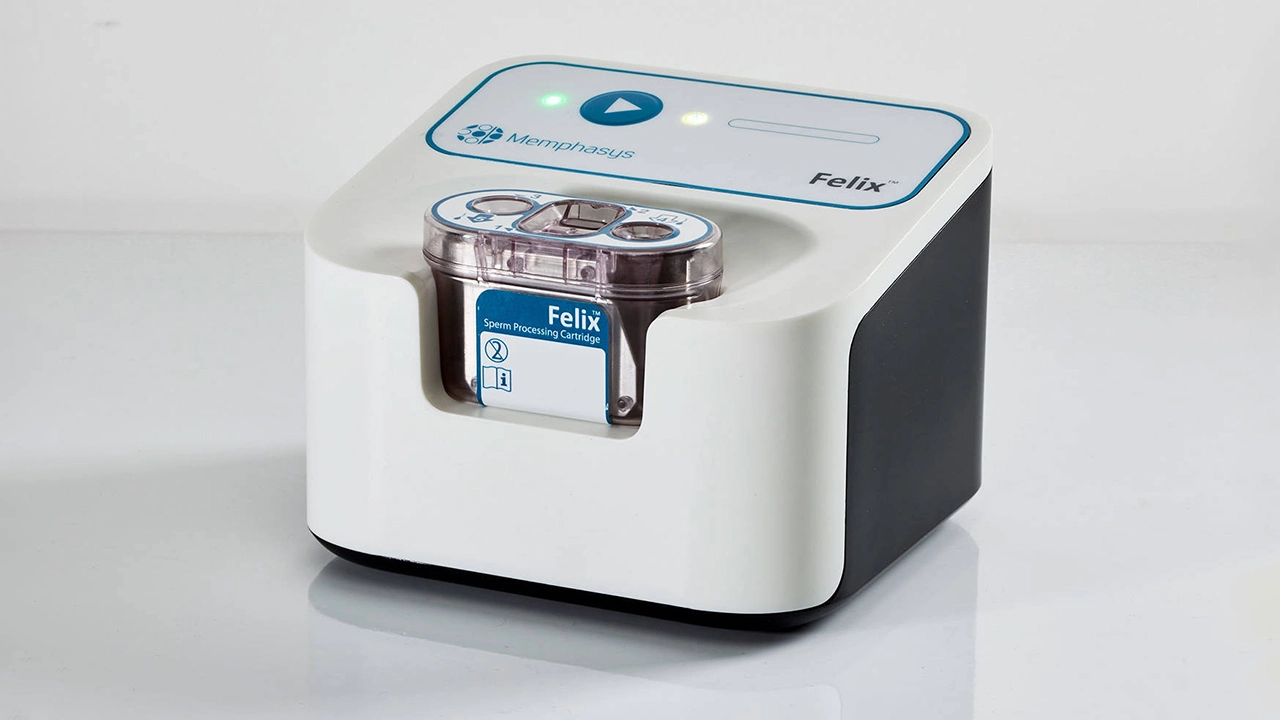
Memphasys has confirmed a Felix System Nordic expansion into Denmark, Sweden, Norway, Finland, and Iceland through an exclusive agreement with fertility-technology distributor NOVIVITAE ApS. The deal carries minimum contracted purchases of €526,500 across three years, with an initial order of €20,625 and three Felix™ consoles to be supplied in the September 2026 quarter.

India's Central Drugs Standard Control Organisation has overhauled CDSCO IVF reagent sale norms, directing that all ART media, culture solutions, and reagents be supplied exclusively to clinics registered under the ART (Regulation) Act and Surrogacy (Regulation) Act. The move targets a growing unlicensed supply chain feeding an estimated 40–50% of India's 2,000-plus IVF centres.
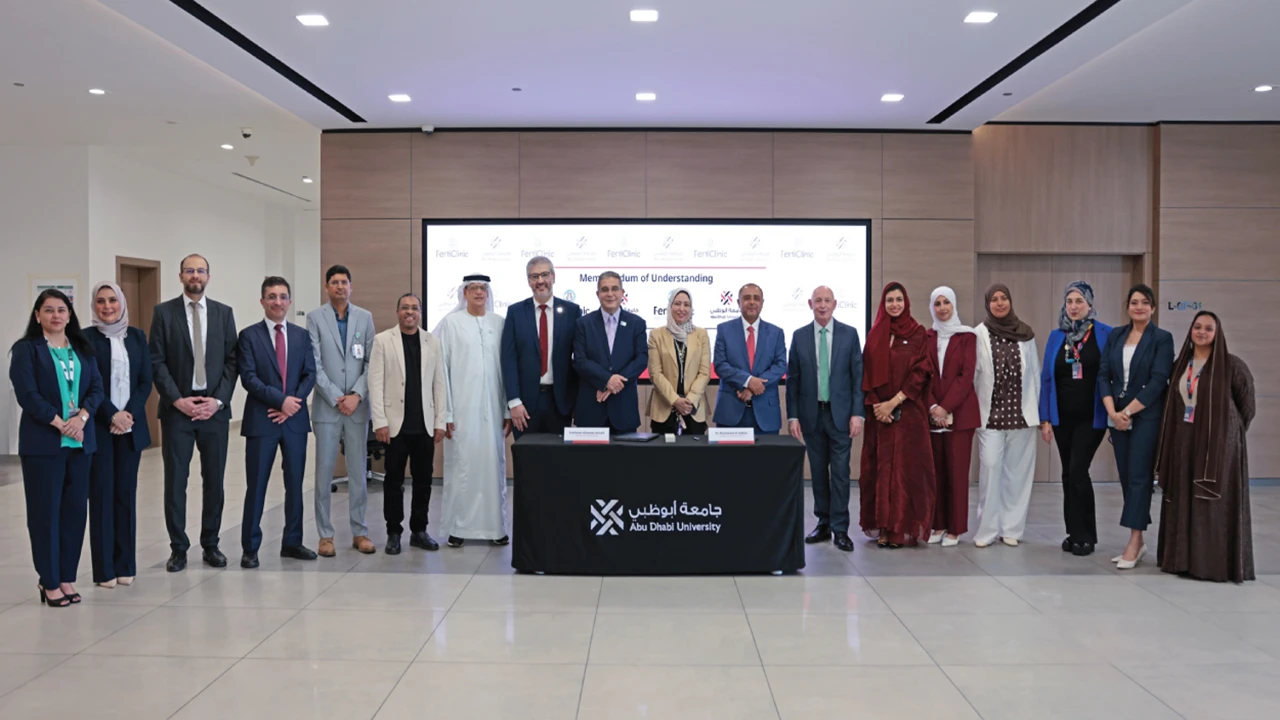
Abu Dhabi University and FertiClinic Group have joined forces to establish the FertiClinic Reproductive Research Lab, an advanced reproductive research lab in Abu Dhabi housing IVF, andrology, and cryopreservation facilities. The partnership supports UAE national priorities, bridges academic and clinical expertise, and advances fertility innovation across the region.

NHS Kent and Medway has overhauled its fertility funding policy in a move that sees NHS cuts IVF access for thousands of patients. Effective 1 April 2026, the eligible age ceiling drops from 40 to 38, funded cycles fall from two to one, and embryo transfers are capped at two.
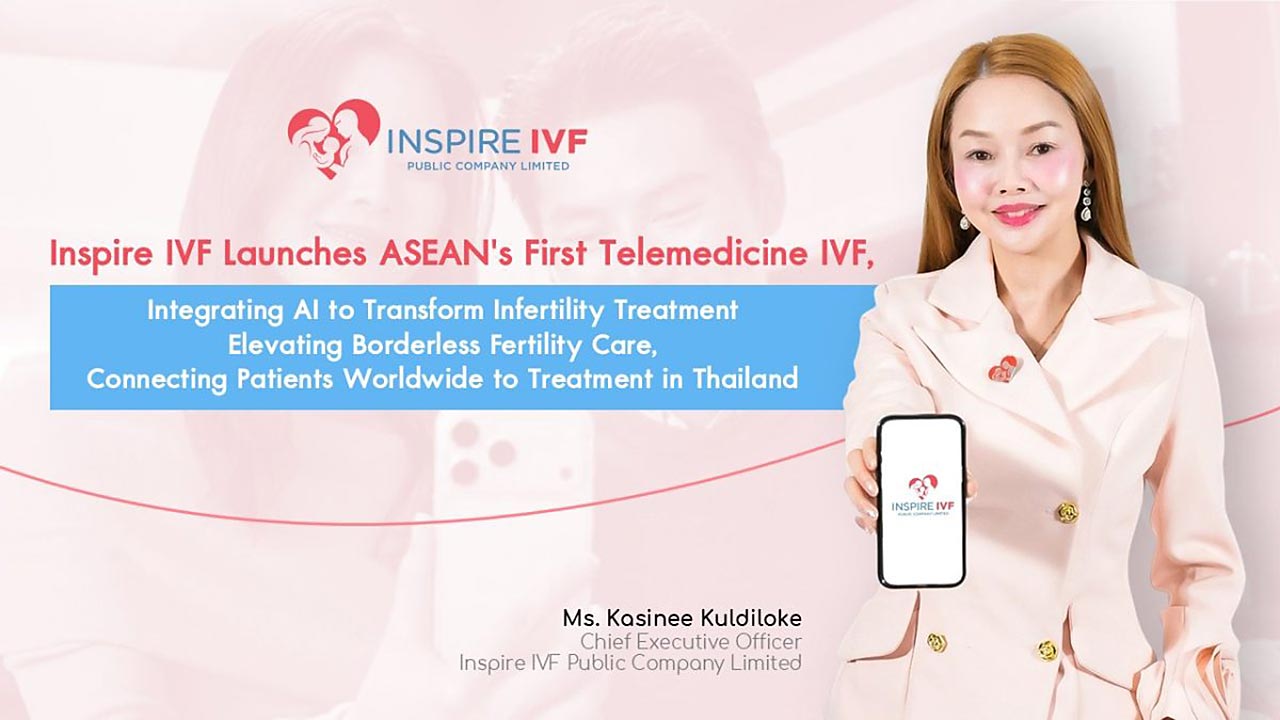
ASEAN's First Telemedicine IVF by Inspire IVF introduces a new era of remote fertility care. Combining AI technology with expert consultation, the platform enables global access, real-time monitoring, and personalised treatment planning, positioning Thailand as a leading hub for fertility services and advancing digital transformation in reproductive healthcare.
CSG.BIO has gone ahead with the acquisition of Hanabusa IVF, Asian Egg Bank, thereby making it a world leader in reproductive medicine and cutting-edge clinics with enhanced patient reach and advanced laboratory capabilities.