Home
 NewsNews
South Korean couples travel abroad for gender-selective IVF procedures, spending dollars in Thailand and Cyprus due to domestic legal restrictions on choosing a baby's sex.



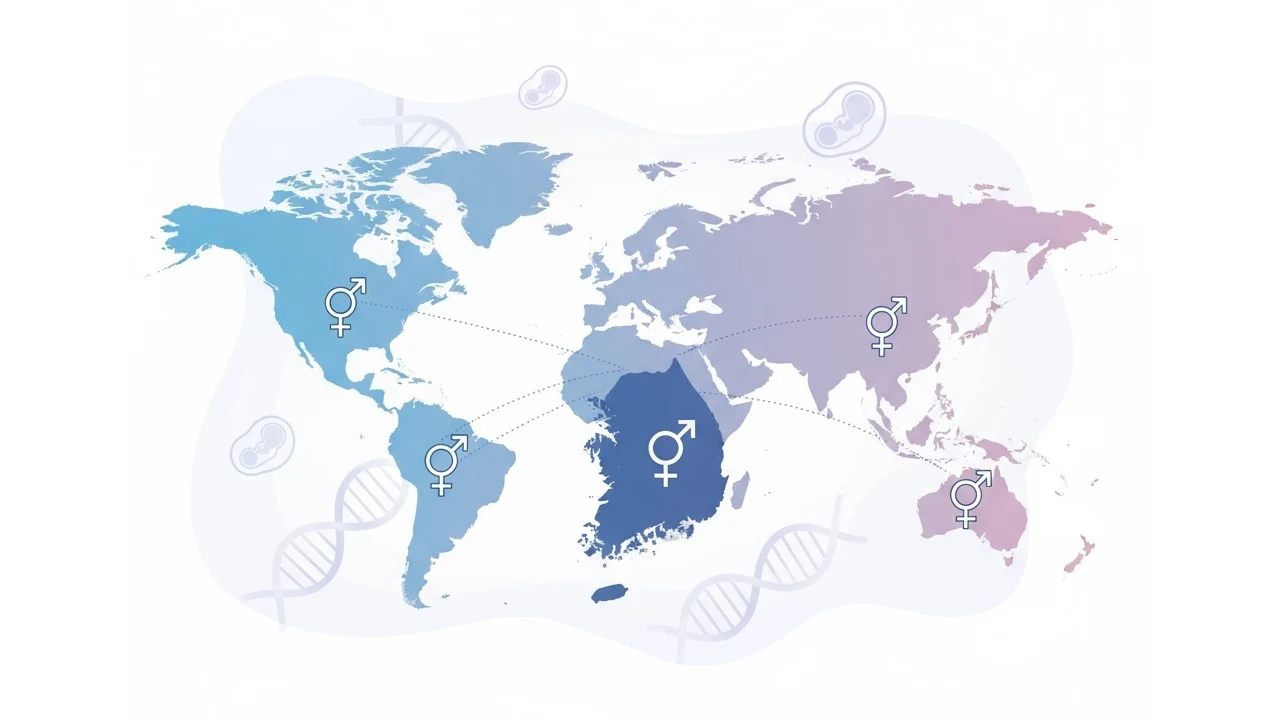
South Korean couples are increasingly traveling abroad for gender selection IVF procedures, circumventing domestic laws that prohibit choosing a baby's sex through assisted reproductive technology. This growing trend of fertility tourism has emerged as parents seek family balancing options unavailable in their home country.
Recent reports from September 2025 reveal that South Korean parents are making fertility tourism trips to Thailand, Cyprus, and the United States to undergo gender-selective in vitro fertilization. The medical tourism trend has gained momentum through online forums and personal blogs, where individuals share their experiences with gender selection IVF. These platforms have become informal networks connecting prospective parents with overseas clinics that offer services prohibited in South Korea.
South Korea's Bioethics and Safety Act of 2005 strictly prohibits gender-selective IVF procedures. Medical professionals who perform gender selection IVF face up to two years in prison or fines reaching 30 million won ($21,640). The legislation was enacted to address the severe gender imbalance that peaked in the 1990s when the male-to-female birth ratio reached 116.5 boys per 100 girls.
However, no laws prevent Korean citizens from seeking fertility tourism services abroad. This legal loophole has enabled the growth of medical tourism for reproductive services, creating a thriving industry catering to Korean couples.
Cost comparison of gender-selective IVF treatment across different countries, showing Thailand as the most affordable destination for Korean couples:

Thailand emerges as the leading destination for Korean fertility tourism, offering gender-selective IVF at competitive prices. Thai clinics charge between $7,000-$12,000 for standard IVF cycles, with gender selection IVF procedures costing approximately $14,200. However, Thailand only permits gender selection for medical reasons, such as preventing genetic disorders.
Cyprus has become another popular medical tourism destination, allowing gender selection for both medical and non-medical purposes. Cypriot clinics offer comprehensive gender selection IVF packages starting at $15,500, with success rates reaching 85-90% for women under 35. The country's liberal regulations and advanced medical facilities make it attractive for fertility tourism.
United States clinics also serve Korean patients seeking gender selection IVF, though costs can reach $20,000 per cycle. American facilities offer the most advanced genetic testing technologies, including next-generation sequencing (NGS) for comprehensive chromosome analysis.
Historical trend showing how South Korea's skewed birth ratios have normalized following the 2005 Bioethics Act:

The motivation for fertility tourism has evolved significantly from traditional son preference. Current Korean parents pursuing gender selection IVF primarily seek family balancing rather than favoring male children. Most couples already have children and want their next child to be of a different gender, reflecting changing social attitudes toward gender roles.
A 2024 petition to South Korea's National Assembly called for legalizing gender selection IVF for second children, garnering 442 signatures. Supporters argue that uncertainty about having another child of the same sex discourages parents from expanding their families, potentially exacerbating the country's birth rate crisis.
The fertility tourism industry has created substantial economic opportunities for destination countries.
Thai fertility clinics report serving increasing numbers of international patients, with comprehensive gender selection IVF packages becoming a significant revenue source. Cypriot medical facilities have similarly expanded their services to accommodate growing demand from Korean and other international patients.
The financial investment required for fertility tourism is substantial. Beyond medical costs, couples must factor in travel expenses, accommodation, and extended stays for treatment cycles lasting 2-3 months. Despite these expenses, many Korean couples find medical tourism preferable to domestic alternatives.
The growth of fertility tourism for gender selection IVF reflects broader changes in reproductive technology access and international healthcare markets. As Korean couples continue seeking these services abroad, pressure may mount for domestic policy changes regarding assisted reproductive technologies.
The trend also highlights the globalization of healthcare services, where regulatory differences between countries create opportunities for medical tourism. This dynamic challenges traditional notions of healthcare sovereignty and raises questions about equitable access to reproductive technologies.
Sources:
https://www.liveaction.org/news/south-koreans-traveling-abroad-sex-selective-ivf
https://koreajoongangdaily.joins.com/news/2025-09-10/national/socialAffairs
https://www.freedomofresearch.org/wp-content/uploads/2019/11/2
https://britishcyprusivf.com/treatments/gender-selection-and-who-is-it-applied-to/
Editorial Disclaimer
This article is intended solely for informational purposes and should not be considered medical, legal, or professional advice. Readers are strongly advised to consult qualified healthcare providers and verify details through the referenced sources before making any medical or treatment decisions. The publisher accepts no responsibility for actions taken based solely on the content presented.



India's Central Drugs Standard Control Organisation has overhauled CDSCO IVF reagent sale norms, directing that all ART media, culture solutions, and reagents be supplied exclusively to clinics registered under the ART (Regulation) Act and Surrogacy (Regulation) Act. The move targets a growing unlicensed supply chain feeding an estimated 40–50% of India's 2,000-plus IVF centres.
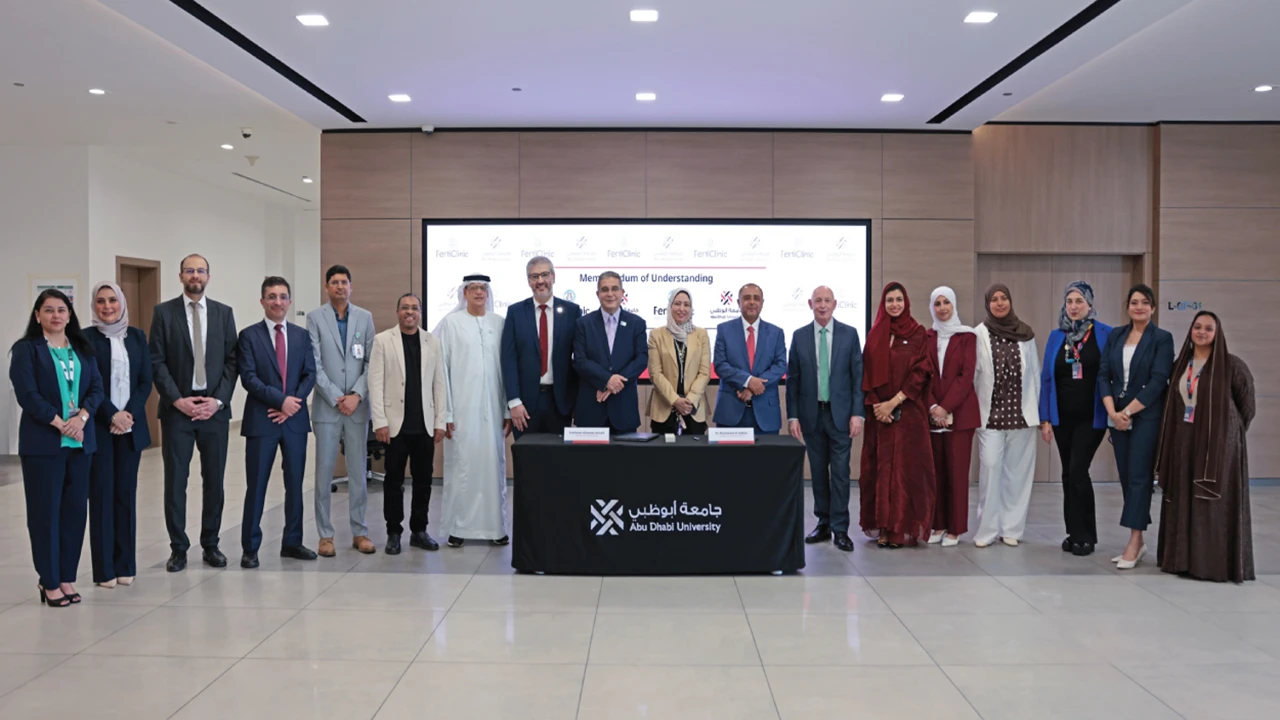
Abu Dhabi University and FertiClinic Group have joined forces to establish the FertiClinic Reproductive Research Lab, an advanced reproductive research lab in Abu Dhabi housing IVF, andrology, and cryopreservation facilities. The partnership supports UAE national priorities, bridges academic and clinical expertise, and advances fertility innovation across the region.

NHS Kent and Medway has overhauled its fertility funding policy in a move that sees NHS cuts IVF access for thousands of patients. Effective 1 April 2026, the eligible age ceiling drops from 40 to 38, funded cycles fall from two to one, and embryo transfers are capped at two.
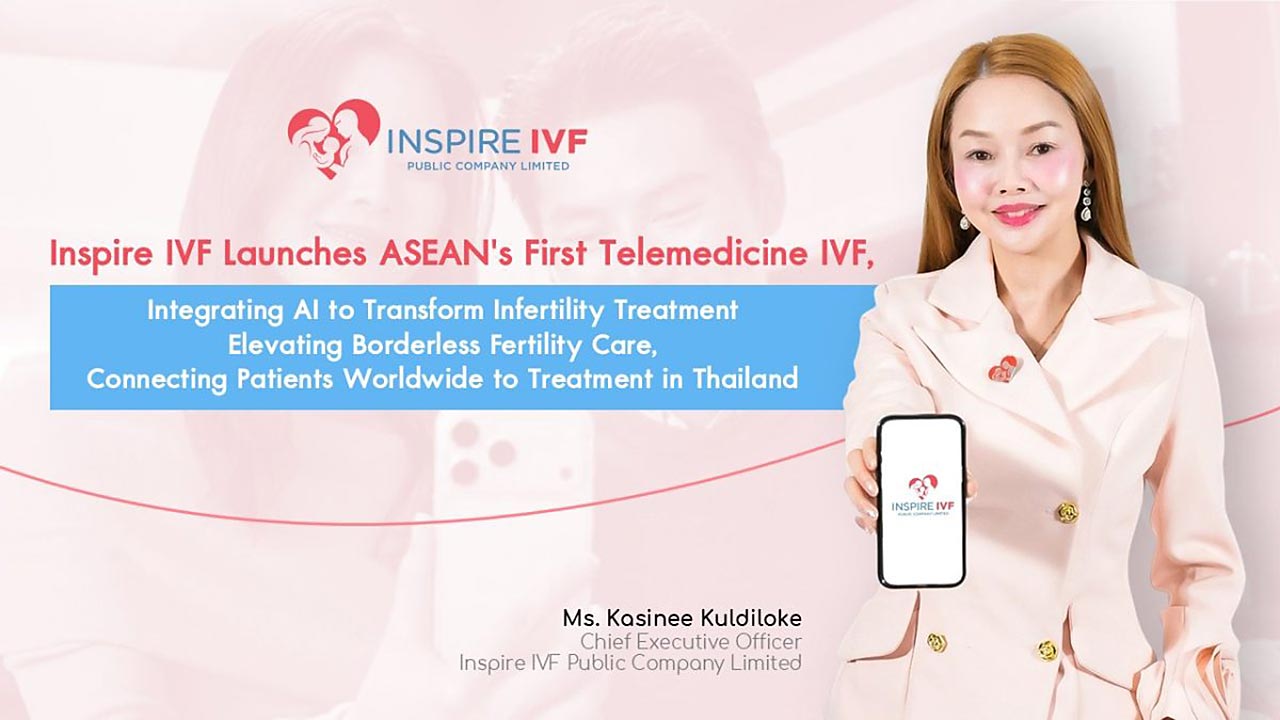
ASEAN's First Telemedicine IVF by Inspire IVF introduces a new era of remote fertility care. Combining AI technology with expert consultation, the platform enables global access, real-time monitoring, and personalised treatment planning, positioning Thailand as a leading hub for fertility services and advancing digital transformation in reproductive healthcare.
CSG.BIO has gone ahead with the acquisition of Hanabusa IVF, Asian Egg Bank, thereby making it a world leader in reproductive medicine and cutting-edge clinics with enhanced patient reach and advanced laboratory capabilities.
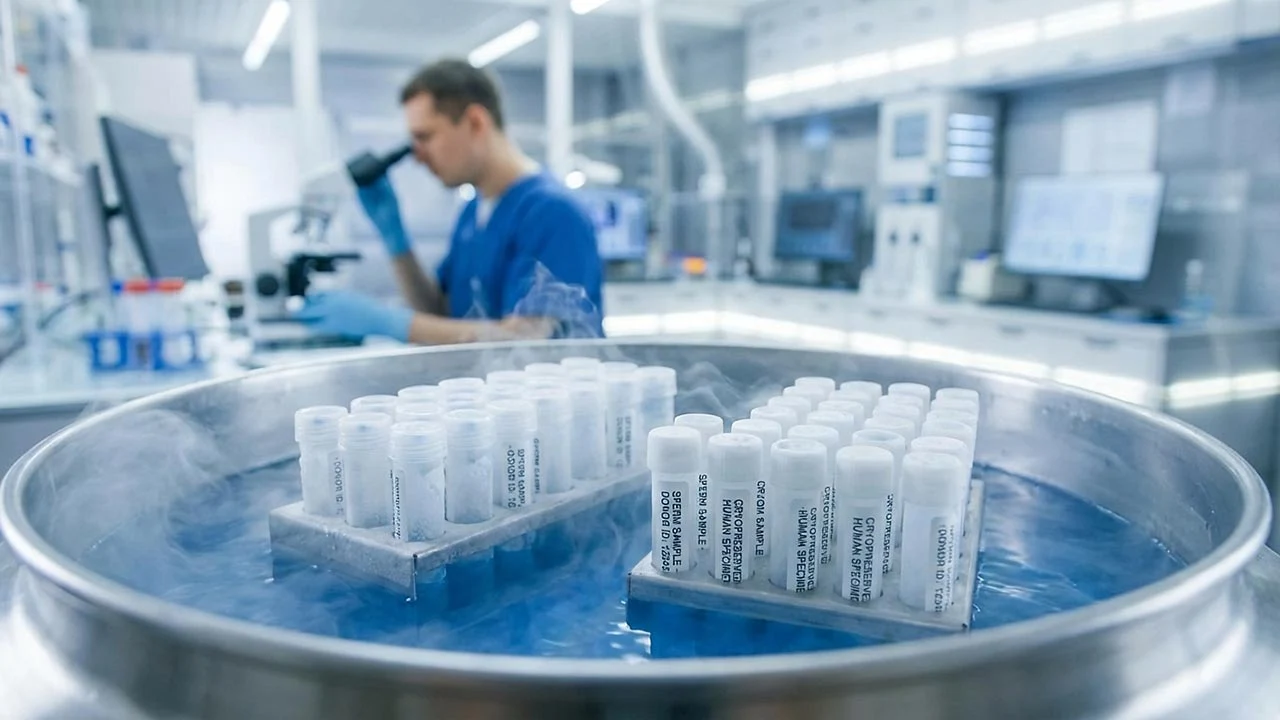
Wisconsin lawmakers from both parties are proposing bills to reduce IVF treatment costs. Republicans suggest a $5,000 tax credit for expenses, while Democrats want mandatory insurance coverage. With IVF cycles costing $20,000-$30,000 and 170,000 residents facing infertility, both parties seek affordable solutions through different approaches.
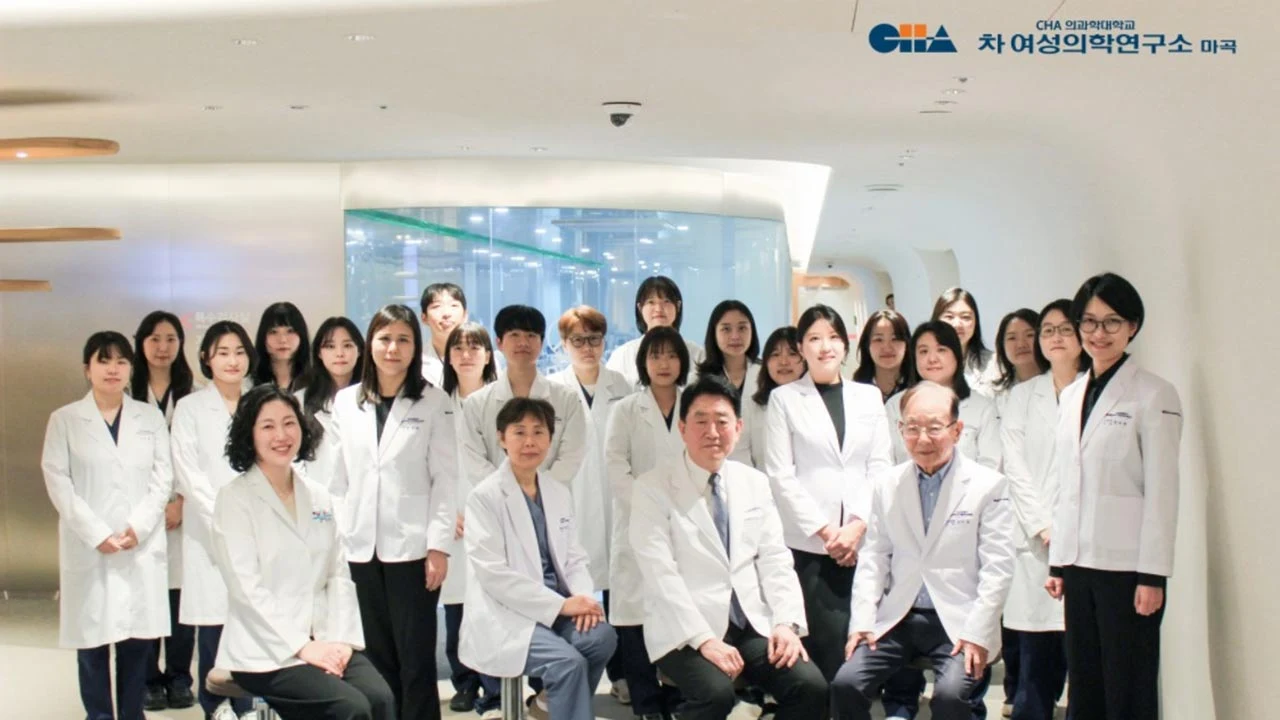
The AI-specialized Infertility Center, which is the largest in Asia, is open in Magok, Seoul and has begun its full-scale medical services from November 17 thereby marking the new era when it comes to fertility in the region.