Home
 NewsNews
Smart IUD to track uterus in real-time is being worked upon by Verso Biosense, which will help with data that has in the past been pretty hard to get, offering continuous intrauterine insights for better reproductive care.



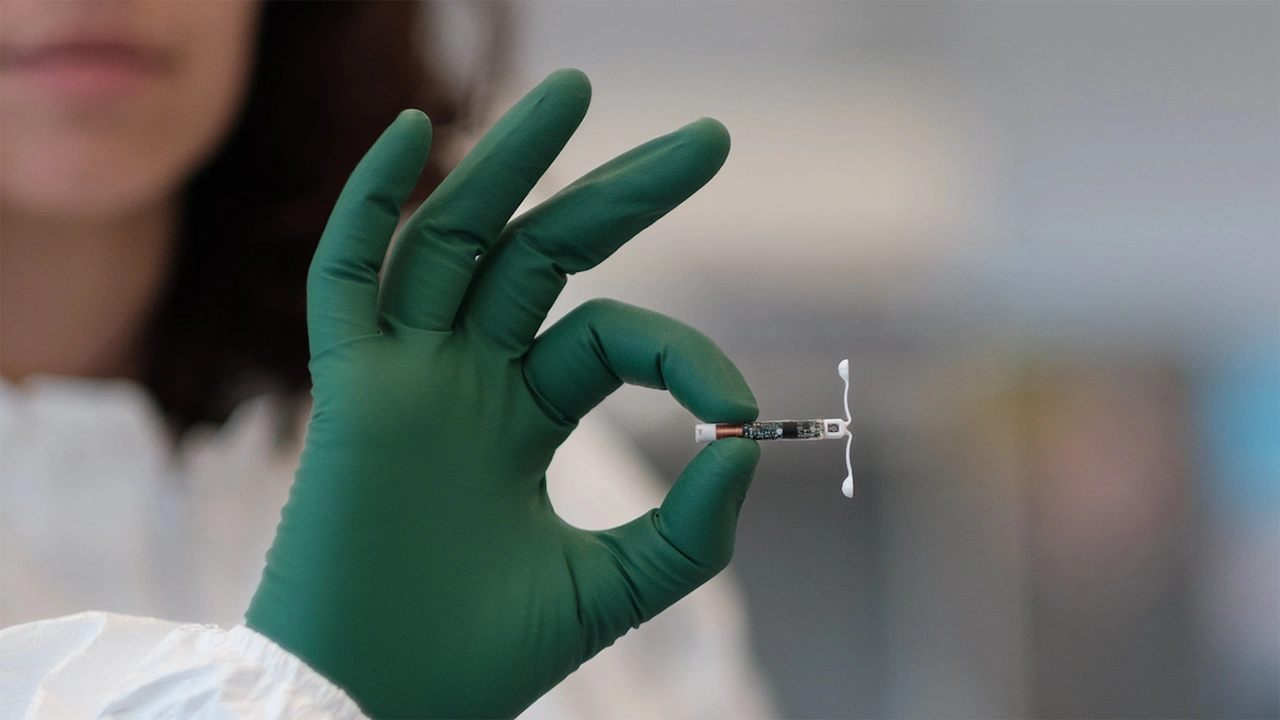
Verso Biosense, which is based out of Oxfordshire, is working on an intrauterine device - IUD to track the uterus in real-time that can measure important physiological conditions like temperature and oxygen levels consistently for several days. The company says the technology could help scientists learn more about one of the least known organs in the human body by giving them data that has been difficult to get in the past.
The smart IUD to track the uterus in real-time looks like a regular IUD, but it has tiny sensors inside that collect data all the time and send it wirelessly for evaluation. The device is being looked into as a way to monitor uterine conditions in women who have had unsuccessful IVF cycles in order to find the circumstances that give embryos the best chance of a successful implantation.
Kate Rowley, the CEO of Verso Biosense, said, “Medicine has made extraordinary advances in many fields, but the uterus is still something of a black box. Our goal is to shine a light inside the uterine environment and gather the data needed to truly understand how it functions. Once we can see what’s happening in real time, we can start developing far more personalized and effective treatments.”
There are studies in science demonstrating that elements like temperature and oxygen levels can affect how embryos grow, but it has been very difficult to measure such factors directly inside the uterus. Verso Biosense wants to create large-scale datasets over time that show patterns across menstrual cycles. This kind of long-term data is not there as of now.
As per Rowley, “To really understand reproductive health, we need longitudinal data – potentially monitoring biomarkers over months or years. That’s a huge engineering challenge when the device itself is extremely small.”
In the years to come, intrauterine monitoring could be used for more than just fertility research. It could also be used to study endometriosis, PCOS, uterine cancers, perimenopause, and menopause. This would add a new layer of data to conditions that are still not well-defined because there is no direct physiological measurement.



Pulsenmore has completed MHRA registration of Pulsenmore FC, entering the UK fertility market with its patient-operated home ultrasound system for follicular and endometrial monitoring during IVF and fertility preservation treatments. The move follows CE European registration and targets a UK market where over 100,000 fertility treatment cycles were performed in 2024.
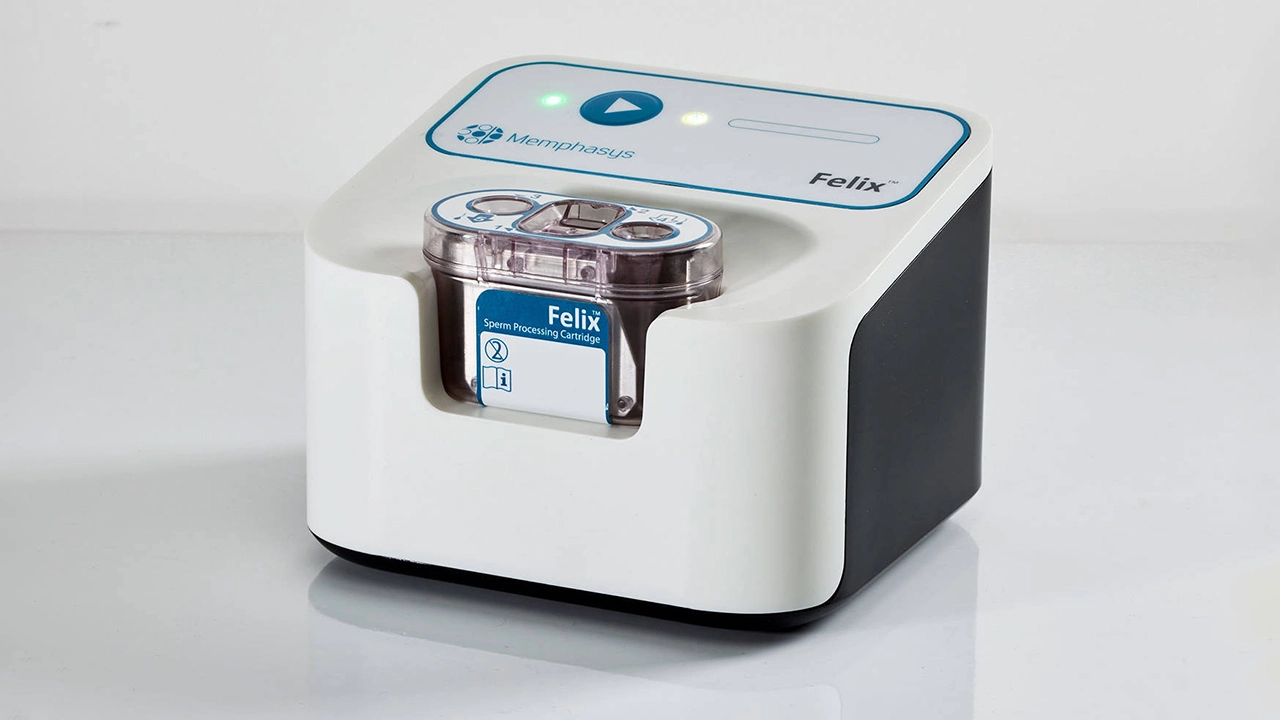
Memphasys has confirmed a Felix System Nordic expansion into Denmark, Sweden, Norway, Finland, and Iceland through an exclusive agreement with fertility-technology distributor NOVIVITAE ApS. The deal carries minimum contracted purchases of €526,500 across three years, with an initial order of €20,625 and three Felix™ consoles to be supplied in the September 2026 quarter.

India's Central Drugs Standard Control Organisation has overhauled CDSCO IVF reagent sale norms, directing that all ART media, culture solutions, and reagents be supplied exclusively to clinics registered under the ART (Regulation) Act and Surrogacy (Regulation) Act. The move targets a growing unlicensed supply chain feeding an estimated 40–50% of India's 2,000-plus IVF centres.

Abu Dhabi University and FertiClinic Group have joined forces to establish the FertiClinic Reproductive Research Lab, an advanced reproductive research lab in Abu Dhabi housing IVF, andrology, and cryopreservation facilities. The partnership supports UAE national priorities, bridges academic and clinical expertise, and advances fertility innovation across the region.

NHS Kent and Medway has overhauled its fertility funding policy in a move that sees NHS cuts IVF access for thousands of patients. Effective 1 April 2026, the eligible age ceiling drops from 40 to 38, funded cycles fall from two to one, and embryo transfers are capped at two.
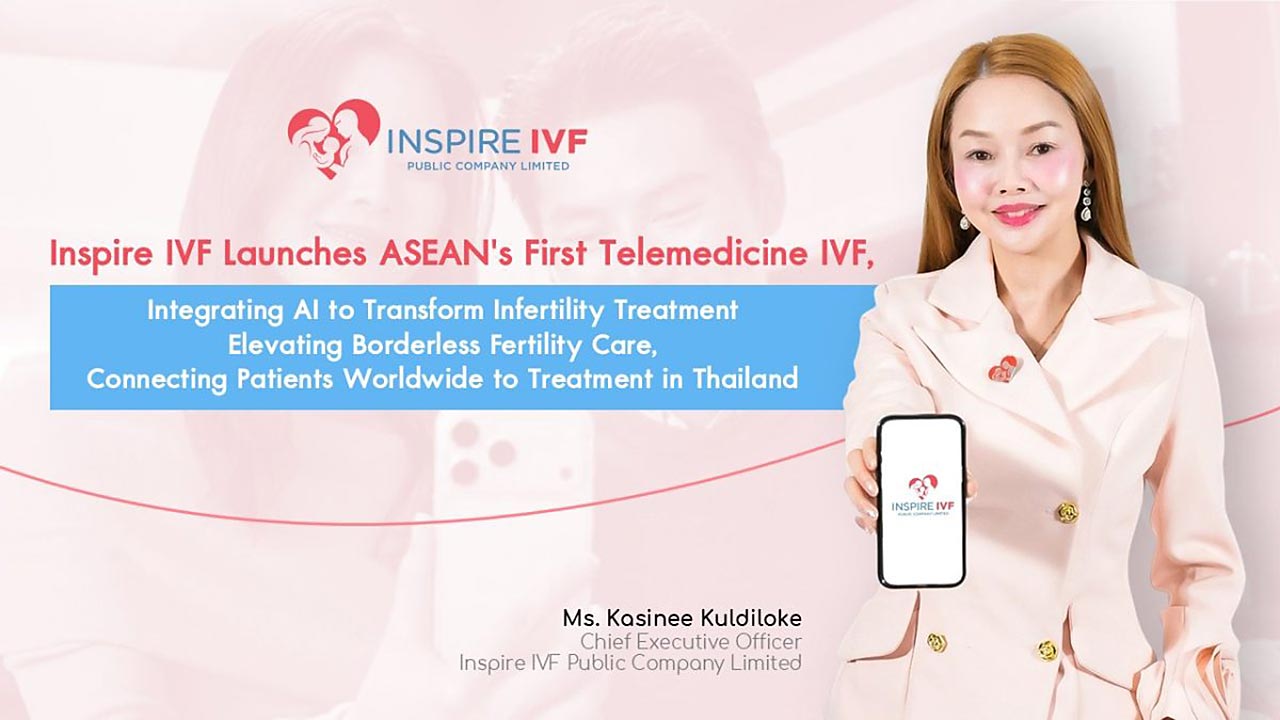
ASEAN's First Telemedicine IVF by Inspire IVF introduces a new era of remote fertility care. Combining AI technology with expert consultation, the platform enables global access, real-time monitoring, and personalised treatment planning, positioning Thailand as a leading hub for fertility services and advancing digital transformation in reproductive healthcare.

CSG.BIO has gone ahead with the acquisition of Hanabusa IVF, Asian Egg Bank, thereby making it a world leader in reproductive medicine and cutting-edge clinics with enhanced patient reach and advanced laboratory capabilities.