Home
 NewsNews
Simbryo Technologies introduces the Simbryo FX personalized assay, a diagnostic test that measures endometrial fertility to predict embryo implantation success and improve IVF outcomes with more than 90% specificity.




Simbryo Technologies has launched its breakthrough Simbryo FX personalized assay, a diagnostic test that measures endometrial fertility to determine whether the uterus is ready to support an embryo before transfer. Designed to address a long-standing gap in in-vitro fertilization (IVF) care, the innovation offers a predictive approach to embryo implantation—helping physicians personalize treatment and reduce repeated failed transfers.
Globally, one in six couples faces infertility challenges, and while embryo testing has advanced, IVF success rates have plateaued at around 65 percent. This stagnation often leaves couples trapped in a cycle of uncertainty and repeated disappointments. Many of these failures, according to Simbryo Technologies, are linked not to the embryo itself but to endometrial dysfunction—the inability of the uterine lining to support implantation.
Unlike traditional tests that assess inflammation, bacterial imbalance, or hormone timing, the Simbryo FX personalized assay directly measures endometrial fertility. It uses biopsy samples from patients to develop three-dimensional organoids, or miniature models of the endometrium, in laboratory culture. Stem cell-derived blastoids, resembling early human embryos, are then implanted into these organoids. Fertility is quantified through imaging and the measurement of human chorionic gonadotropin (hCG) production, the hormone that signals successful implantation.
“When patients talk about embryo transfer, they use gambling analogies like ‘rolling the dice’ and ‘odds of success.’ The way that patients find out that they have a problem, versus being unlucky, is through repeated embryo transfer failure,” said Yael Katz, CEO of Simbryo Technologies. “Pregnancy will never be guaranteed, but when patients are trying to decide whether to make a major investment in another cycle or how to make the most of a few embryos, Simbryo provides answers to help them move forward with hope and confidence. This is personalized medicine for IVF—something the field has desperately needed.”
Clinical data presented at the American Society of Reproductive Medicine (ASRM) Scientific Congress in San Antonio demonstrated that the Simbryo FX personalized assay identifies patients with low endometrial fertility with more than 90% specificity. The research, conducted in partnership with Texas Fertility Center and Aspire HFI, involved over 100 women preparing for frozen embryo transfers. Results showed that patients with multiple failed transfers had low hCG production and reduced blastoid adhesion in the assay, accurately predicting poor outcomes in subsequent IVF attempts.
“When patients experience embryo transfer failure, they want answers. Currently available tests of endometrial health have shown inconsistent results and limited success in improving patient care. The Simbryo platform gives physicians personalized insight into endometrial fertility, enabling them to better guide patients,” said Dr. Madeline Kaye of Texas Fertility Center. “This is huge in reducing the emotional stress associated with a long, uncertain, and high-stakes process.”
Dr. George Grunert of Aspire Health Fertility Institute added, “We have made great strides optimizing the embryo side of IVF, but the endometrium has remained much more difficult. Identifying why implantation is not successful and adjusting treatment plans beforehand is groundbreaking. As more patients have access to Simbryo, the data and insights we glean will continue to expand.”
Because organoids are developed from each patient’s own endometrial cells, the Simbryo FX personalized assay offers individualized insights that form the basis of truly personalized IVF medicine. The company aims to use growing data from its platform to identify potential endometrial fertility treatments in the future.
"What excites me most isn't just what we're doing today—it's where this takes us tomorrow. Now that we can measure endometrial fertility, we can finally start understanding how to improve it. We're opening the door to treatments and interventions that were impossible before because we simply didn't have the framework. This is the beginning of a new era in reproductive medicine, and I believe it's going to transform outcomes for thousands of families - said Dr. Katz.
Developed in collaboration with Rice University’s Warmflash Laboratory of Systems Stem Cells and Development Biology, the assay was rigorously validated through interdisciplinary research combining biology, physics, and engineering. The lab’s expertise played a critical role in confirming the assay’s clinical effectiveness and reinforcing its standing as a new benchmark in reproductive diagnostics.


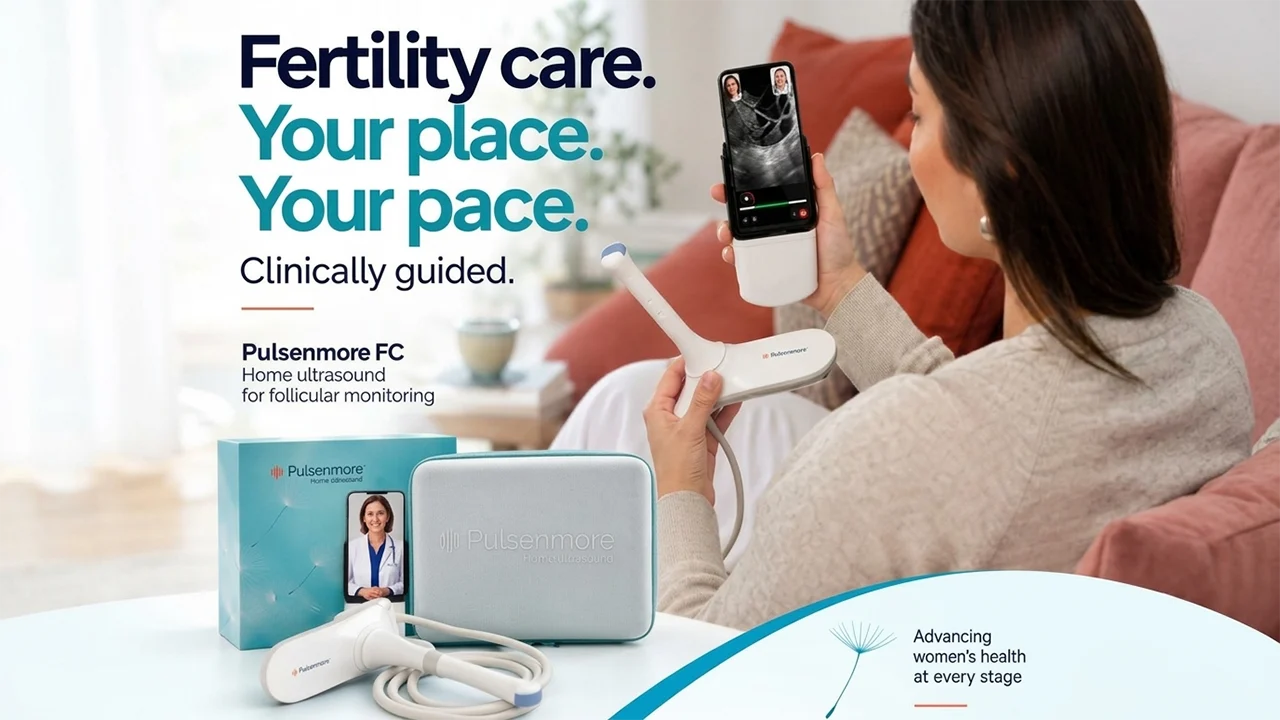
Pulsenmore has completed MHRA registration of Pulsenmore FC, entering the UK fertility market with its patient-operated home ultrasound system for follicular and endometrial monitoring during IVF and fertility preservation treatments. The move follows CE European registration and targets a UK market where over 100,000 fertility treatment cycles were performed in 2024.
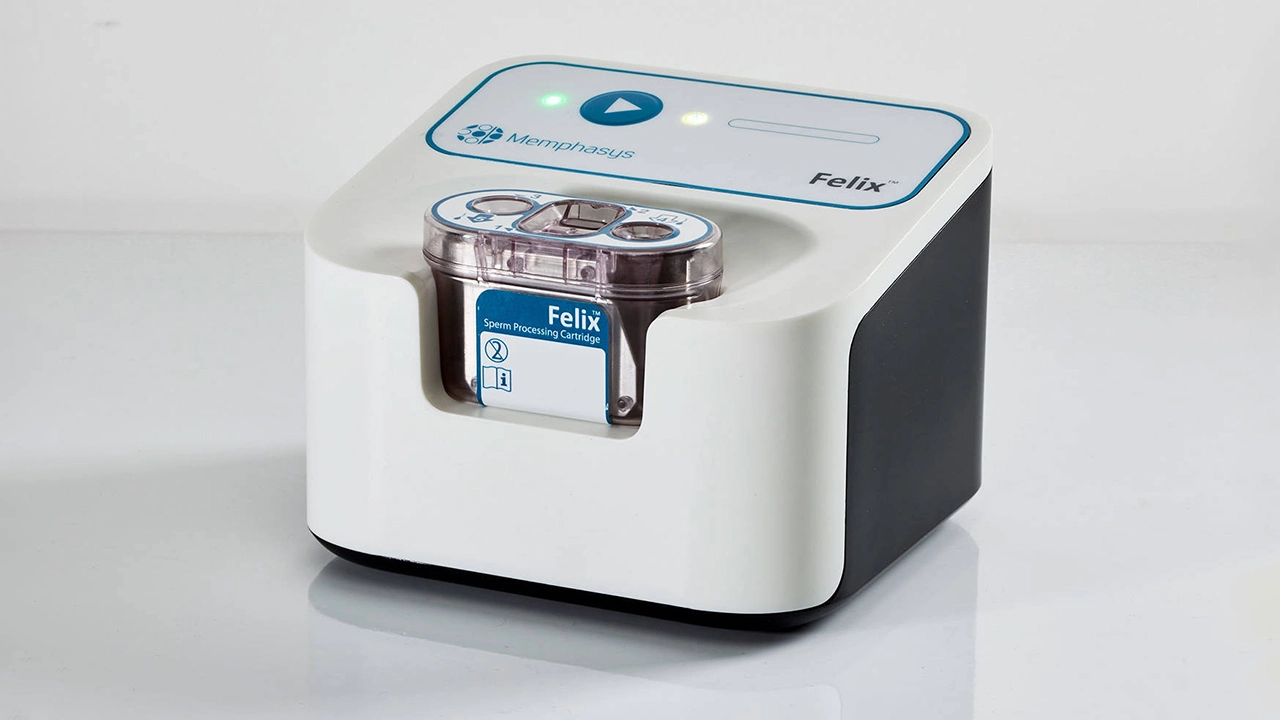
Memphasys has confirmed a Felix System Nordic expansion into Denmark, Sweden, Norway, Finland, and Iceland through an exclusive agreement with fertility-technology distributor NOVIVITAE ApS. The deal carries minimum contracted purchases of €526,500 across three years, with an initial order of €20,625 and three Felix™ consoles to be supplied in the September 2026 quarter.

India's Central Drugs Standard Control Organisation has overhauled CDSCO IVF reagent sale norms, directing that all ART media, culture solutions, and reagents be supplied exclusively to clinics registered under the ART (Regulation) Act and Surrogacy (Regulation) Act. The move targets a growing unlicensed supply chain feeding an estimated 40–50% of India's 2,000-plus IVF centres.

Abu Dhabi University and FertiClinic Group have joined forces to establish the FertiClinic Reproductive Research Lab, an advanced reproductive research lab in Abu Dhabi housing IVF, andrology, and cryopreservation facilities. The partnership supports UAE national priorities, bridges academic and clinical expertise, and advances fertility innovation across the region.

NHS Kent and Medway has overhauled its fertility funding policy in a move that sees NHS cuts IVF access for thousands of patients. Effective 1 April 2026, the eligible age ceiling drops from 40 to 38, funded cycles fall from two to one, and embryo transfers are capped at two.
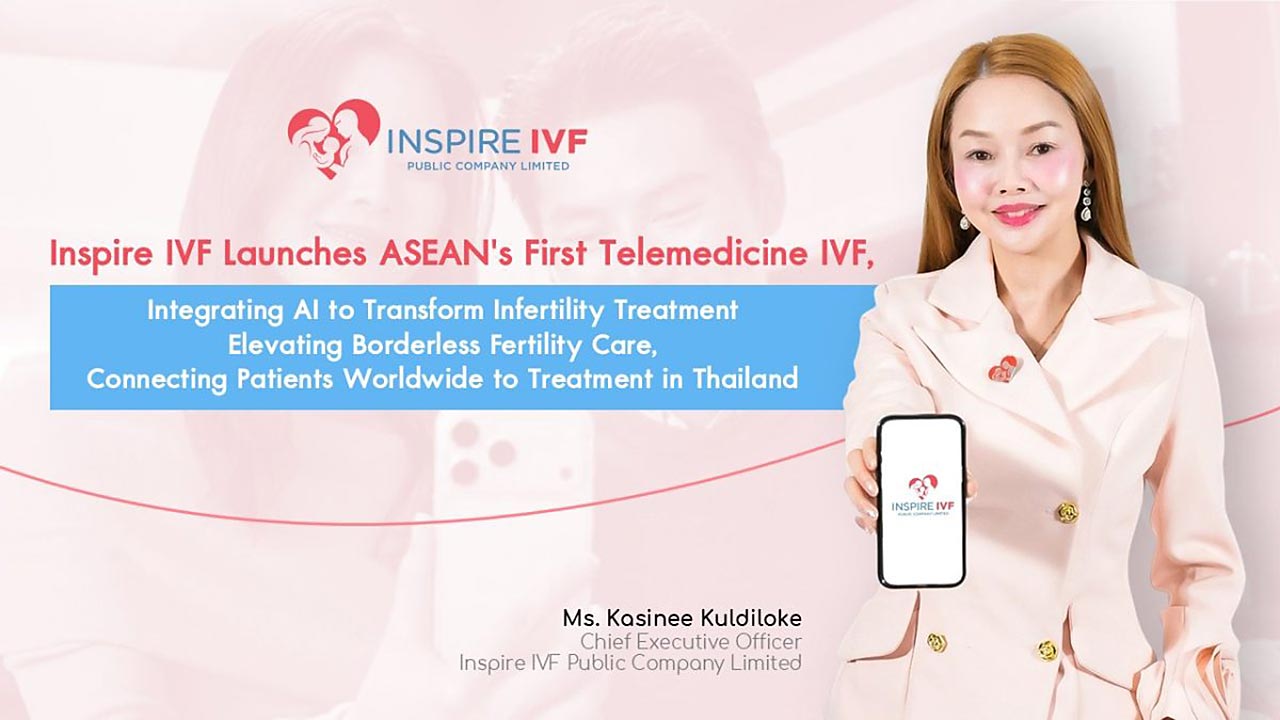
ASEAN's First Telemedicine IVF by Inspire IVF introduces a new era of remote fertility care. Combining AI technology with expert consultation, the platform enables global access, real-time monitoring, and personalised treatment planning, positioning Thailand as a leading hub for fertility services and advancing digital transformation in reproductive healthcare.

CSG.BIO has gone ahead with the acquisition of Hanabusa IVF, Asian Egg Bank, thereby making it a world leader in reproductive medicine and cutting-edge clinics with enhanced patient reach and advanced laboratory capabilities.