Home
 NewsNews
Protein injection repairs aged eggs by restoring chromosome stability, helping improve IVF success rates for older mothers, according to new fertility research that offers a promising clinical advancement for reproductive health.



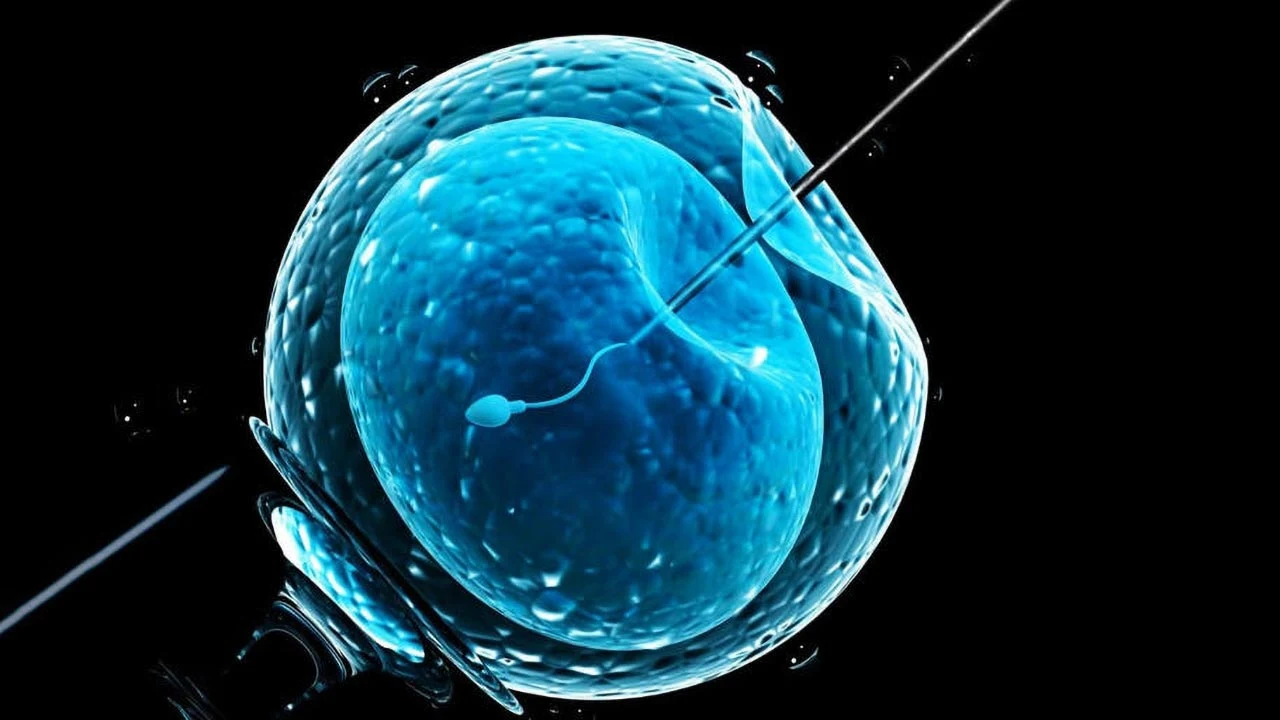
A laboratory technique showing that protein injection repairs aged eggs may offer a new way to improve IVF outcomes for older women, according to findings shared by researchers in Europe.
The work was carried out by a research team led by Dr. Melina Schuh at the Max Planck Institute for Multidisciplinary Sciences in Germany. Dr. Melina Schuh, who is also a co-founder of Ovo Labs, presented the data at the British Fertility Society Conference in Scotland. The study was released simultaneously on the preprint platform bioRxiv.
Fertility decreases rapidly with age because eggs created before birth have to lie dormant for years before being ovulated. While IVF is still moderately effective for women under age 35, success rates plummet after age 40 because eggs fail to evenly divide their chromosomes during meiosis. Mistakes during meiosis can lead to embryos with missing or extra chromosomes, causing IVF failure.
To improve fertility, the researchers targeted shugoshin1, a protein that keeps pairs of chromosomes glued together during egg development. Shugoshin1 levels decrease with age, weakening chromosomes' connection. The researchers experimented with restoring shugoshin1 to see if it would lessen defects.
Researchers microinjected shugoshin1 into mouse and donated human eggs. Microinjection resulted in a decrease in early chromosome separation. Human eggs experienced a decrease in chromosome defects from 53% to 29%. When looking specifically at eggs from women over 35, chromosome defects decreased from 65% to 44%. These findings suggest that protein injection repairs aged eggs by stabilising chromosome behaviour during division.
Currently, intracytoplasmic sperm injection (ICSI) is the only widely used microinjection method in fertility clinics. The researchers say the approach uses comparable techniques and are discussing possible clinical trials with regulators.
Commenting on the findings, Professor Guzel Taylor of the University of Edinburgh said the work was “a very promising result,” adding, “Since most women start IVF with already aged eggs, this technology is highly significant.”
Further studies are planned to assess safety and effectiveness before the method can be tested in clinical IVF settings



India's Central Drugs Standard Control Organisation has overhauled CDSCO IVF reagent sale norms, directing that all ART media, culture solutions, and reagents be supplied exclusively to clinics registered under the ART (Regulation) Act and Surrogacy (Regulation) Act. The move targets a growing unlicensed supply chain feeding an estimated 40–50% of India's 2,000-plus IVF centres.
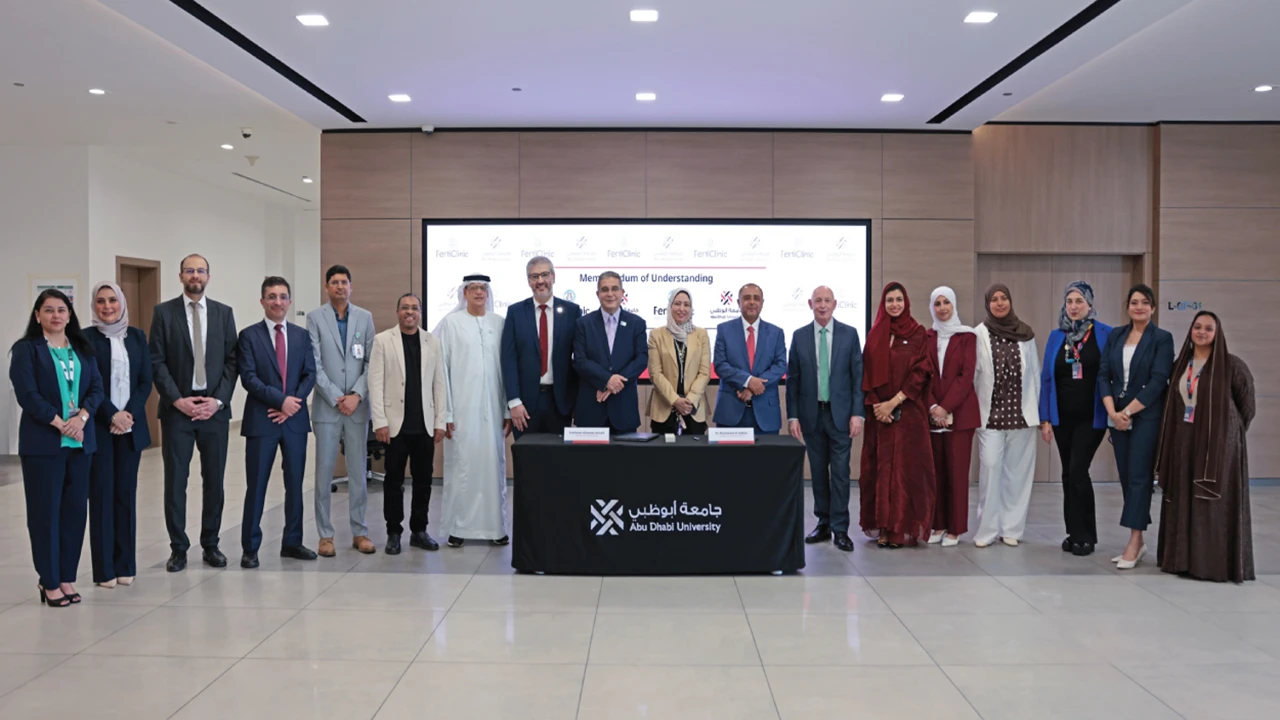
Abu Dhabi University and FertiClinic Group have joined forces to establish the FertiClinic Reproductive Research Lab, an advanced reproductive research lab in Abu Dhabi housing IVF, andrology, and cryopreservation facilities. The partnership supports UAE national priorities, bridges academic and clinical expertise, and advances fertility innovation across the region.

NHS Kent and Medway has overhauled its fertility funding policy in a move that sees NHS cuts IVF access for thousands of patients. Effective 1 April 2026, the eligible age ceiling drops from 40 to 38, funded cycles fall from two to one, and embryo transfers are capped at two.
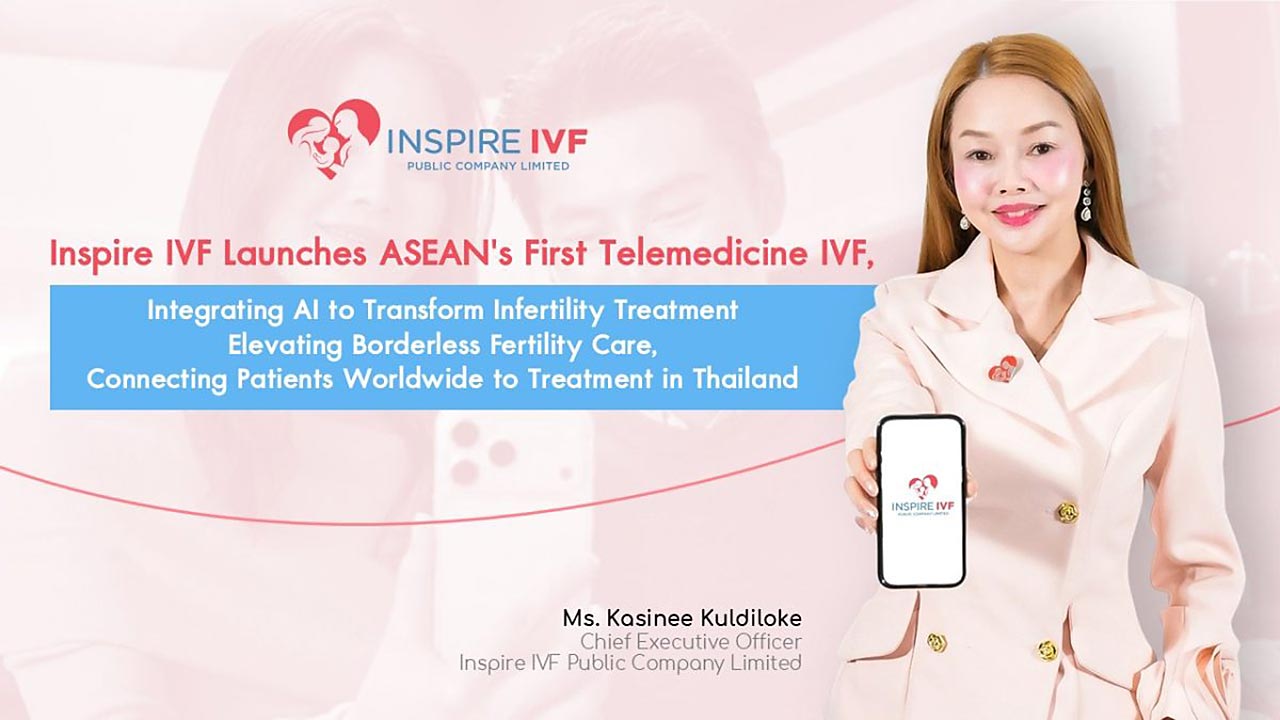
ASEAN's First Telemedicine IVF by Inspire IVF introduces a new era of remote fertility care. Combining AI technology with expert consultation, the platform enables global access, real-time monitoring, and personalised treatment planning, positioning Thailand as a leading hub for fertility services and advancing digital transformation in reproductive healthcare.
CSG.BIO has gone ahead with the acquisition of Hanabusa IVF, Asian Egg Bank, thereby making it a world leader in reproductive medicine and cutting-edge clinics with enhanced patient reach and advanced laboratory capabilities.
Wisconsin lawmakers from both parties are proposing bills to reduce IVF treatment costs. Republicans suggest a $5,000 tax credit for expenses, while Democrats want mandatory insurance coverage. With IVF cycles costing $20,000-$30,000 and 170,000 residents facing infertility, both parties seek affordable solutions through different approaches.
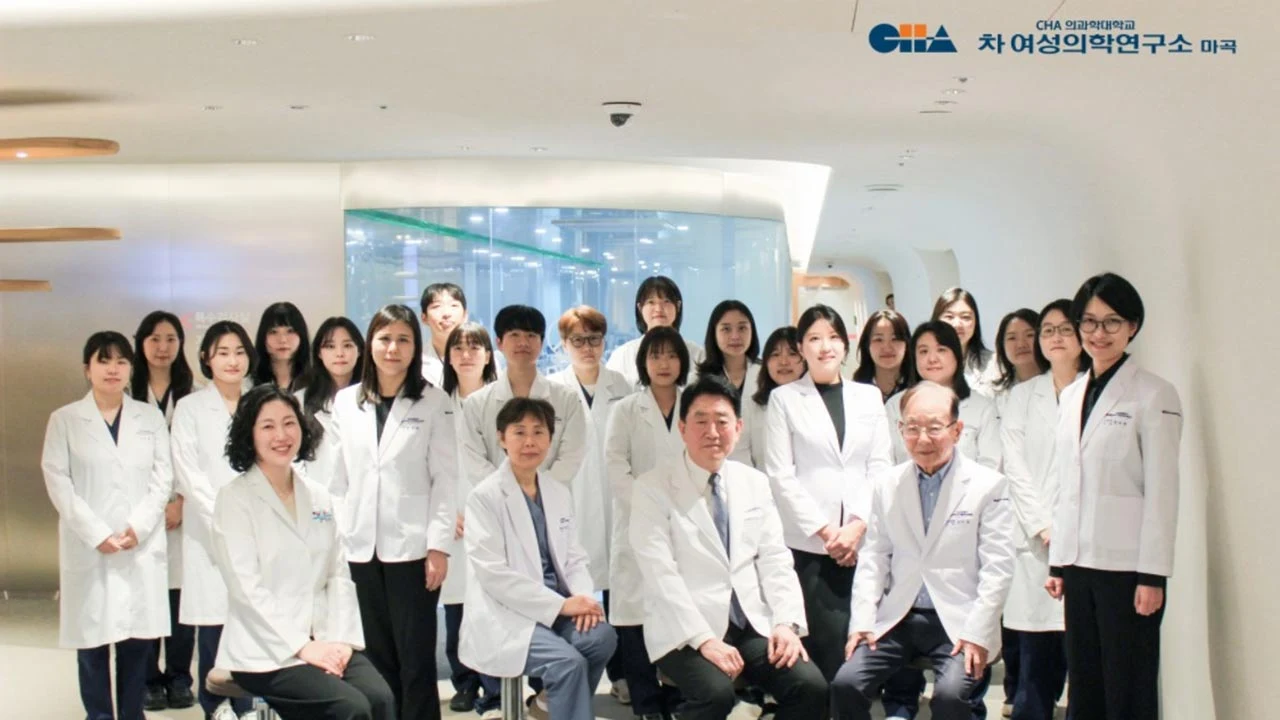
The AI-specialized Infertility Center, which is the largest in Asia, is open in Magok, Seoul and has begun its full-scale medical services from November 17 thereby marking the new era when it comes to fertility in the region.