Home
 NewsNews
Nucleus Genomics has announced that Nucleus IVF+ joins SCRC, the Southern California Reproductive Center, as part of its rapidly expanding global network. The partnership integrates advanced carrier screening and embryo analysis across SCRC's four California locations, serving thousands of patients annually across Beverly Hills, Santa Barbara, Pasadena, and Ventura.



Nucleus Genomics on May 27, 2026 announced a landmark partnership with the Southern California Reproductive Center (SCRC), bringing its advanced Genetic Optimization technology to one of the most sought-after and respected fertility clinics in the United States. The announcement marks another major milestone in Nucleus' rapid global expansion, as the company's IVF+ Network now spans more than 160 clinics across India, the Middle East, and nearly all 50 U.S. states.
For SCRC patients, the partnership means direct access to two of Nucleus' flagship genomic services expanded carrier screening through its Preview product and advanced embryo analysis through its Embryo platform embedded as standard offerings within their IVF care experience.
SCRC is not a newcomer to reproductive medicine. Co-founded and led by Dr. Mark Surrey and Dr. Hal C. Danzer, the center has spent more than 25 years helping individuals and couples build families through advanced reproductive technologies, including IVF, egg freezing, and genetic testing. In that time, its team has helped bring thousands of babies into the world, establishing SCRC as a trusted destination for fertility care not just in California but across the country.
The center operates across four California locations, Beverly Hills, Santa Barbara, Pasadena, and Ventura, and serves thousands of patients every year. That scale makes the integration of Nucleus' genomic capabilities particularly significant: advanced genetic analysis, once available only to a narrow subset of patients, will now be accessible to all patients undergoing IVF at SCRC. As Nucleus IVF+ joins SCRC's clinical framework, the move signals a broader shift in how leading fertility centres are approaching embryo selection and family planning, less as a one-size-fits-all medical process and increasingly as a precision-driven, genetically informed one.
Through the partnership, SCRC patients can opt into a substantially more comprehensive suite of genetic screening than has traditionally been available at most fertility clinics. Nucleus' technology provides insight into more than 2,000 rare inherited conditions, spanning the full spectrum from well-known conditions like cystic fibrosis and PKU to complex hereditary cancer syndromes that carry implications for both the child and the parent – including hereditary breast and ovarian cancer syndrome (HBOC) and Lynch syndrome. The platform also covers common conditions with significant long-term health consequences, including heart disease and diabetes, giving prospective parents a more complete picture of their embryos' genetic profiles before making decisions about selection.
Dr. Mark Surrey, co-founder of Southern California Reproductive Center, spoke directly to the clinical value: "Our ability to provide genetic screening for our patients' embryos gives patients access to testing that can offer reassurance. This remarkable breakthrough addresses concerns about birth defects, provides genetic analysis, and helps us assess an embryo's potential to result in a healthy pregnancy."
The ambition behind the partnership extends beyond individual patient outcomes. By making comprehensive genomic insight a standard part of the IVF process rather than an add-on, SCRC and Nucleus are positioning themselves at the forefront of what is being called preventive reproductive medicine, an approach that uses genetic analysis at the very start of life to reduce inherited risk across generations.
For Nucleus Genomics, the SCRC announcement is the latest in a series of accelerating moves. Earlier this year, the company announced a partnership with Neway Fertility in New York and earlier still completed a sweeping rollout across 160+ clinics in India and the Middle East , one of the most ambitious geographic expansions in the company's history. Its IVF+ Network, the formal framework through which Nucleus integrates its technology into clinic partners, now reaches patients across virtually the entire United States and in multiple international markets.
The pace of that expansion reflects something the company says it is seeing consistently: patient and clinician demand for advanced genetic analysis in IVF is not a niche preference, it is becoming mainstream. Recent studies support that reading. According to research published in JAMA Network Open, nearly three-quarters of U.S. adults support the use of advanced genetic technologies during IVF. Newer survey data published in Reproductive Medicine in 2025 showed continued positive sentiment for polygenic embryo risk scores among the general public.
That demand is translating directly into scale. Nucleus currently has a waitlist of more than 3,000 patients, a figure that illustrates the gap between what prospective parents want and what has historically been available to them.
Kian Sadeghi, founder and CEO of Nucleus Genomics, framed the clinical and human stakes of the partnership: "Patients want more insights on their embryos during IVF. Every patient has a loved one who suffered from a preventable condition, whether cancer, diabetes, or heart disease. SCRC, with their decades-long experience, is bringing preventive medicine to the start of life, helping patients understand their embryo's DNA to reduce genetic risk in the next generation."
That philosophy, that genomic insight at the point of IVF can meaningfully reduce the burden of inherited disease across future generations, is the foundation of Nucleus' IVF+ Network model. Rather than offering genetic analysis as a separate, optional service that patients must independently seek out and arrange, the IVF+ Network integrates it proactively into care. When Nucleus IVF+ joins SCRC's care model in this way, expanded carrier screening and embryo analysis become part of what every patient experiences, rather than something only the most informed or resourced patients encounter.


Future Health, A Global Initiative by Abu Dhabi has launched the Future Health Digital Health Innovation Challenge 2026, inviting global innovators to develop AI, software, and connected technology solutions across fertility, population health, and well-being. Three finalists will share USD 105,000 at GITEX 2026, with selected solutions eligible for incubation and scale.
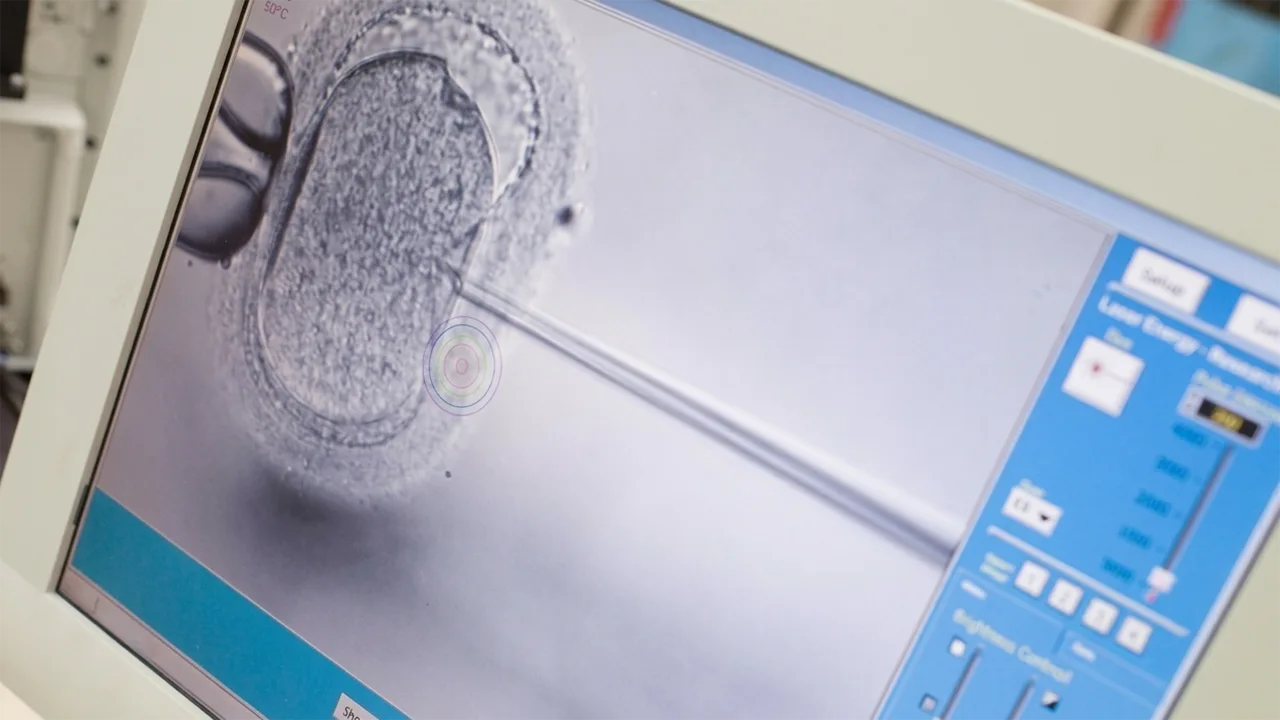
La Trobe University and GonGlobal have entered a strategic collaboration to develop and validate AI and digital twin technologies for ART and IVF. The partnership will build AI-driven fertility care tools, including cohort matching digital twins and deep-learning models, to predict pregnancy outcomes and support personalised clinical decision-making.
IVI Institute has announced the acquisition of The World Egg and Sperm Bank (TWESB), founded in 2004 and operating from Scottsdale, Arizona. The move expands access to reproductive solutions for patients and clinics across the United States and Australia, combining TWESB’s network of 500+ screened donors with IVI Institute’s global clinical and scientific infrastructure.

Doctors at NHS Lothian in Edinburgh have performed the UK’s first testicular tissue transplant, reimplanting tissue frozen before chemotherapy in a 19-year-old patient with a serious blood disorder. The testicular tissue transplant, only the second reported worldwide, could eventually give thousands of young boys a realistic path to future fatherhood.
Flora Fertility and Clue have announced the Flora Clue fertility partnership, connecting the first individually owned fertility insurance platform with the world’s leading women-led cycle tracking app. FLORA policyholders receive complimentary Clue Plus access, while Clue’s community of over 100 million members gains early exposure to proactive fertility financial planning.
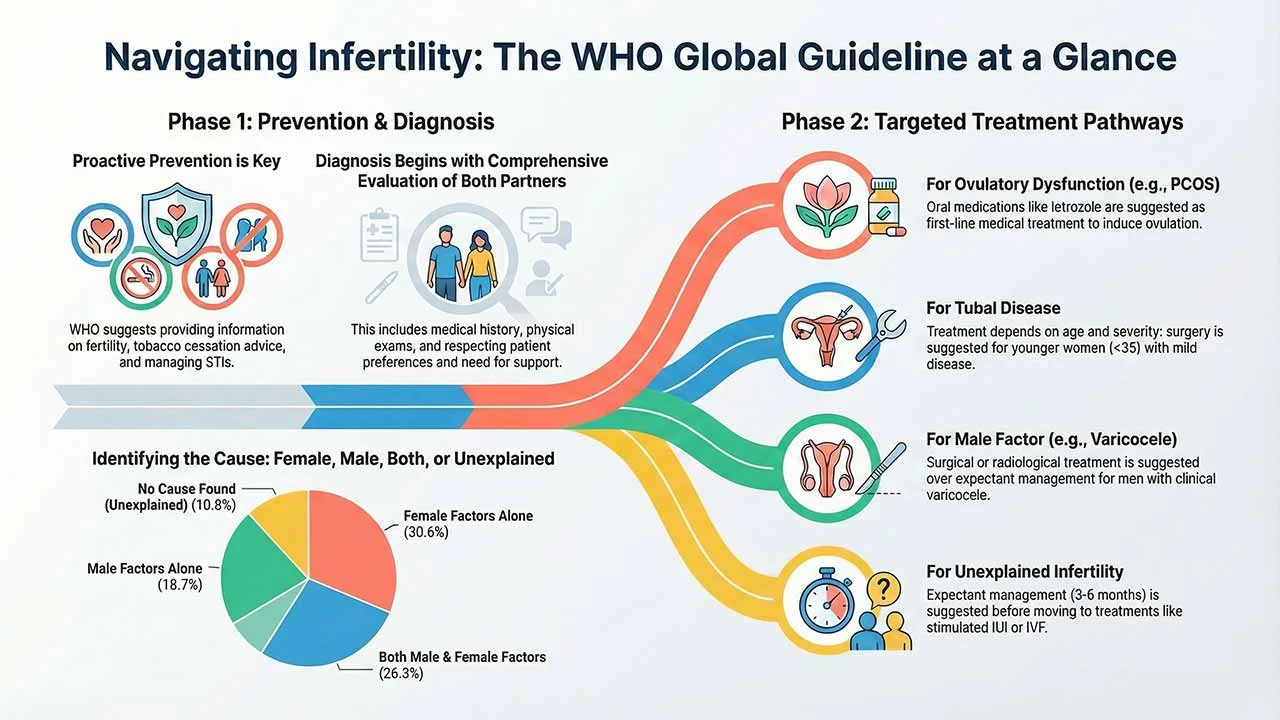
The World Health Organization releases its first comprehensive, evidence-based global guideline for infertility prevention, diagnosis, and treatment. Addressing one in six people of reproductive age worldwide, the guideline emphasizes equity, human rights, and standardized interventions to improve access to fertility care globally.

Gameto has secured $44 million in Series C funding to advance its stem cell-derived fertility therapy, Fertilo, into Phase 3 trials, marking a significant milestone in reproductive healthcare. This groundbreaking therapy uses induced pluripotent stem cell technology to mature eggs outside the body, significantly reducing hormonal stimulation and enhancing safety and efficacy in fertility treatments.