Home
 NewsNews
National Health Service-funded IVF in England varies across regions in terms of access, cycle definitions, and eligibility. While Integrated Care Boards follow NICE guidelines, local implementation differs to meet specific population needs. Current policy reviews aim to enhance consistency and ensure continued access to fertility services across England.




NHS-funded in vitro fertilization (IVF) in England varies across regions in terms of cycle allocation, age criteria, and access requirements set by different Integrated Care Boards. While guided by NICE recommendations, these regional approaches reflect local healthcare priorities and population needs.
Integrated Care Boards (ICBs) across England hold responsibility for commissioning fertility services based on their local population's clinical needs, following National Institute for Health and Care Excellence (NICE) guidelines for fertility problem assessment and treatment. This decentralised approach, while allowing for regional customisation, has created notable variations in IVF provision across the country.
The government's commitment to transparency through the Women's Health Strategy for England has resulted in detailed publication of IVF commissioning data, revealing how many cycles each ICB funds and under what conditions. This information serves as a crucial resource for couples navigating the complex fertility treatment landscape.
The information reflects policies accurate as of 11 September 2025, though patients must always consult their specific ICB's commissioning policy for the most current details. Several ICBs are currently reviewing their policies, including Cheshire and Merseyside, Greater Manchester, Humber and North Yorkshire, and Leicester, Leicestershire and Rutland, creating uncertainty for prospective patients in these regions.
This ongoing review process highlights the dynamic nature of fertility commissioning, with ICBs regularly reassessing their criteria against available resources and population needs. Patients in areas with policies under review should contact their ICB directly for the latest commissioning information.
The concept of a "full cycle" represents a cornerstone of NICE fertility guidelines, defined as one episode of ovarian stimulation followed by transfer of all resultant fresh and frozen embryos. A full cycle concludes when either every viable embryo has been transferred or one results in pregnancy.
However, many ICBs offer "non-full" cycles that don't align with NICE's comprehensive definition. These variations may limit the number of frozen embryo transfers included within a cycle or impose maximum transfer limits. For instance, some policies define a cycle as one fresh transfer plus up to two frozen transfers, creating practical limitations for patients with multiple viable embryos.
Despite regional variations, most ICBs maintain consistent baseline requirements reflecting evidence-based fertility medicine:
Standard Eligibility Criteria:
These requirements reflect established medical evidence linking lifestyle factors to IVF success rates and aim to optimise treatment outcomes while managing NHS resources effectively.
The variation in funded cycles across England reveals significant inequalities in fertility treatment access:
Generous Provision:
Moderate Provision:
Limited Provision:
Age eligibility presents another area of significant regional variation:
Extended Age Ranges:
Several ICBs, including Lancashire and South Cumbria, West Yorkshire, and South Yorkshire, fund treatment for patients aged 18-42, providing broader age-based access.
Restricted Age Ranges:
Conversely, ICBs like Buckinghamshire, Oxfordshire and Berkshire West, Frimley, and Hampshire and Isle of Wight limit funding to patients up to age 35, potentially excluding older couples seeking treatment.
Most ICBs impose strict parental status criteria, typically requiring that neither partner has living children from current or previous relationships. These requirements extend beyond biological children to include adopted children, creating barriers for blended families seeking treatment.
Some ICBs apply more nuanced approaches:
ICBs typically limit funding based on previous IVF or ICSI attempts, whether NHS-funded or self-funded. Common restrictions include:
Embryo storage funding varies dramatically across England:
Extended Storage:
Standard Storage:
No Storage Funding:
Female same-sex couples face supplementary barriers through artificial insemination requirements before accessing NHS-funded IVF:
Extensive Requirements:
Standard Requirements:
Most ICBs require six self-funded artificial insemination cycles, though some differentiate based on age:
Progressive Policies:

Research Your Local ICB:
Understanding your specific ICB's policy requires accessing their full commissioning documents, available through NHS websites or direct inquiry. Policy documents may be titled "assisted conception," "fertility services," or embedded within broader clinical policies.
Understand Cycle Definitions:
Clarify whether your ICB offers full or non-full cycles and understand implications for frozen embryo transfers and storage options.
Plan for Geographic Mobility:
Some couples consider relocating to access more generous IVF provision, though ICBs typically require local residency and GP registration.
Financial Planning:
Factor in potential costs for:
NHS-funded IVF in England demonstrates significant regional inequalities despite national guidelines. Couples seeking fertility treatment must navigate complex local policies while understanding their implications for treatment access and success. The ongoing policy reviews in several ICBs suggest continued evolution in this landscape, potentially affecting future provision patterns.
This comprehensive understanding of regional variations empowers patients to make informed decisions about their fertility journey while highlighting the need for continued advocacy toward equitable access across England.
Data Source: This article is based exclusively on official UK Government data from "NHS-funded in vitro fertilisation (IVF) in England" published on gov.uk, accurate as of 11 September 2025.



India's Central Drugs Standard Control Organisation has overhauled CDSCO IVF reagent sale norms, directing that all ART media, culture solutions, and reagents be supplied exclusively to clinics registered under the ART (Regulation) Act and Surrogacy (Regulation) Act. The move targets a growing unlicensed supply chain feeding an estimated 40–50% of India's 2,000-plus IVF centres.
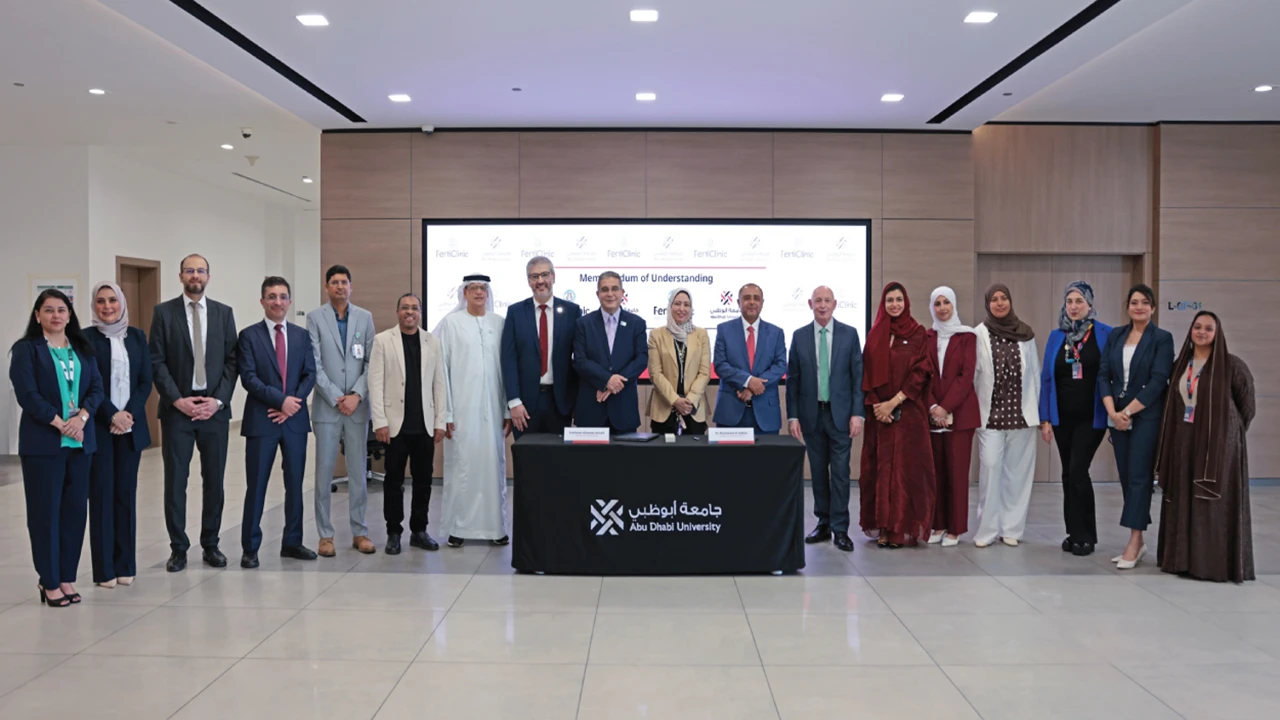
Abu Dhabi University and FertiClinic Group have joined forces to establish the FertiClinic Reproductive Research Lab, an advanced reproductive research lab in Abu Dhabi housing IVF, andrology, and cryopreservation facilities. The partnership supports UAE national priorities, bridges academic and clinical expertise, and advances fertility innovation across the region.

NHS Kent and Medway has overhauled its fertility funding policy in a move that sees NHS cuts IVF access for thousands of patients. Effective 1 April 2026, the eligible age ceiling drops from 40 to 38, funded cycles fall from two to one, and embryo transfers are capped at two.
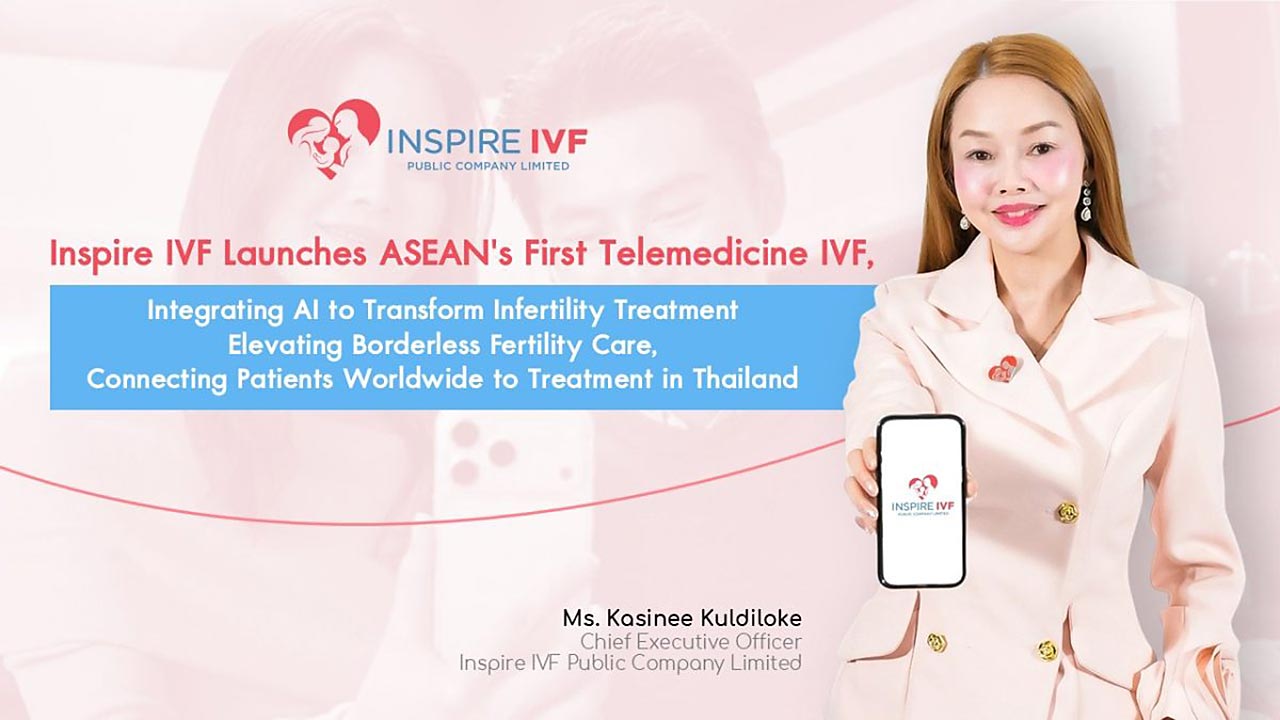
ASEAN's First Telemedicine IVF by Inspire IVF introduces a new era of remote fertility care. Combining AI technology with expert consultation, the platform enables global access, real-time monitoring, and personalised treatment planning, positioning Thailand as a leading hub for fertility services and advancing digital transformation in reproductive healthcare.
CSG.BIO has gone ahead with the acquisition of Hanabusa IVF, Asian Egg Bank, thereby making it a world leader in reproductive medicine and cutting-edge clinics with enhanced patient reach and advanced laboratory capabilities.
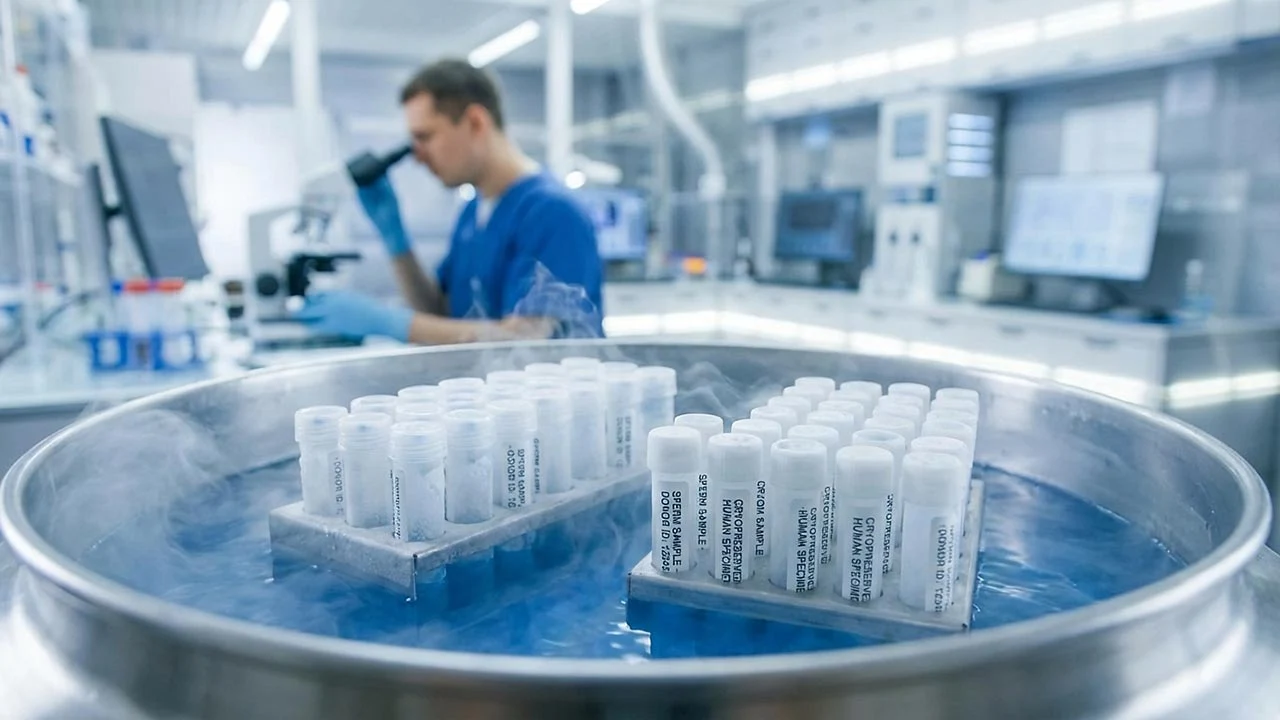
Wisconsin lawmakers from both parties are proposing bills to reduce IVF treatment costs. Republicans suggest a $5,000 tax credit for expenses, while Democrats want mandatory insurance coverage. With IVF cycles costing $20,000-$30,000 and 170,000 residents facing infertility, both parties seek affordable solutions through different approaches.
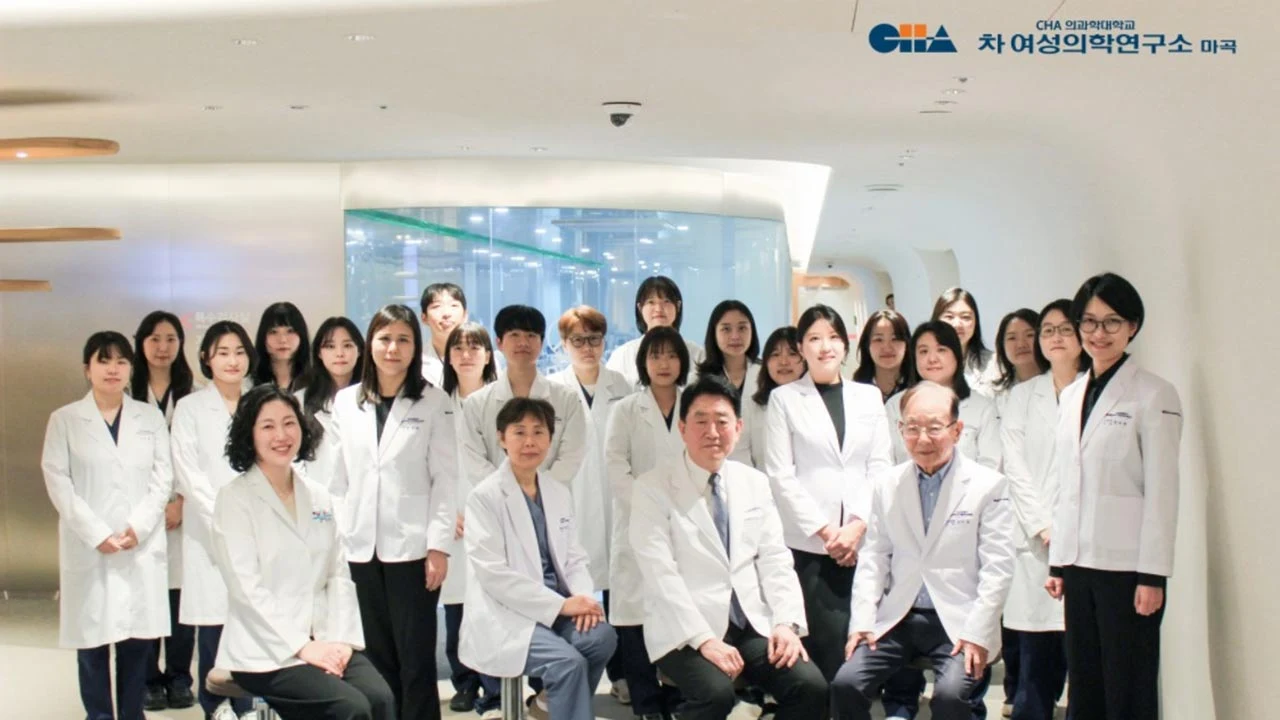
The AI-specialized Infertility Center, which is the largest in Asia, is open in Magok, Seoul and has begun its full-scale medical services from November 17 thereby marking the new era when it comes to fertility in the region.